
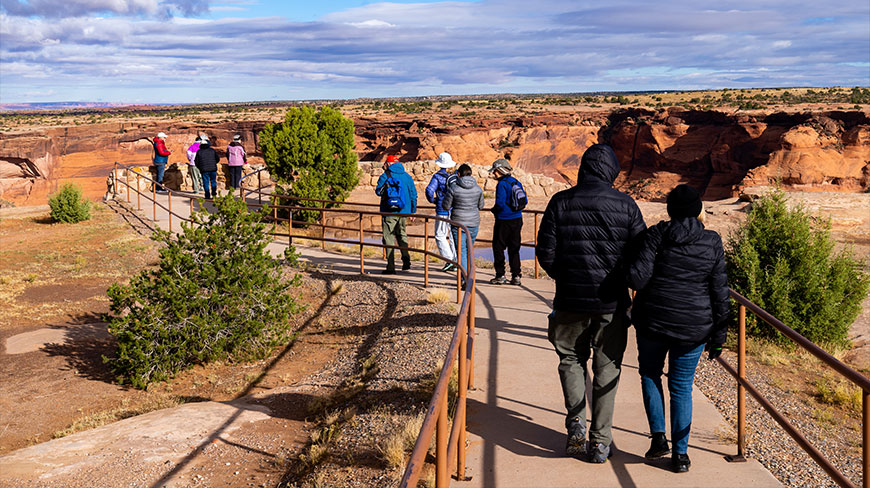
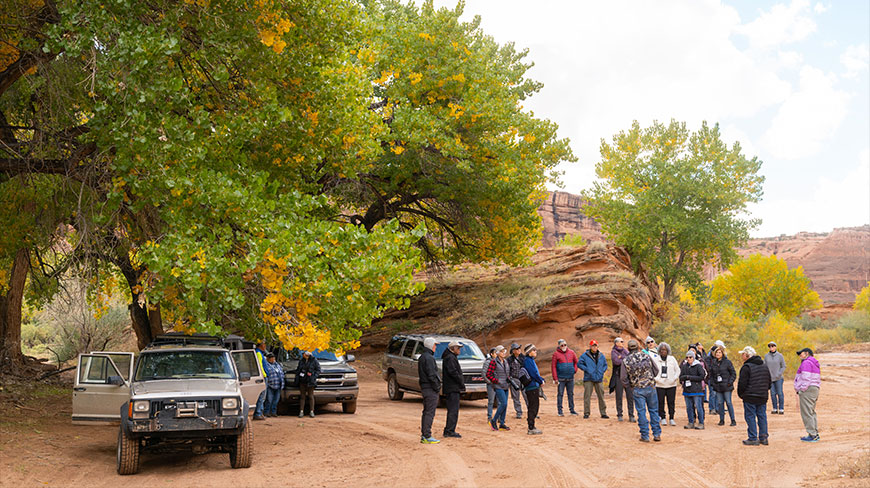
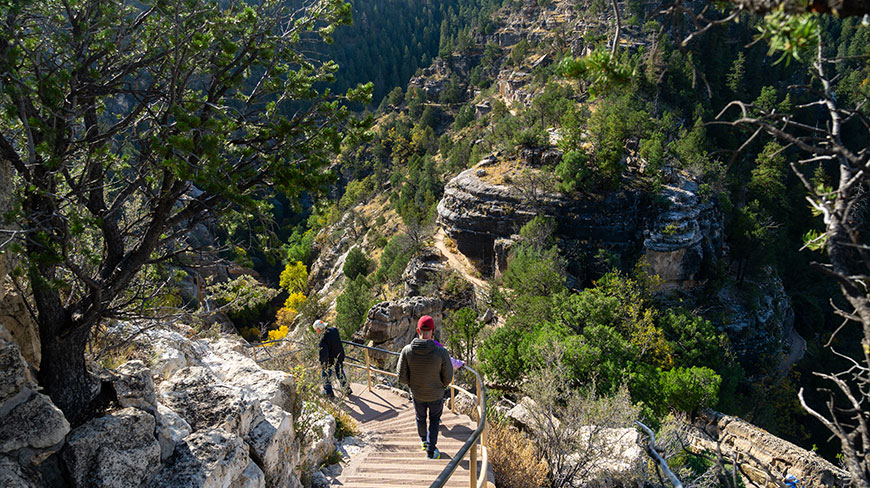
Walking up to 2 miles per day at a moderate pace of 2 mph over paved, unpaved, packed earth and gravel paths. Program will require approximately 5 miles of walking over 5 days and descending and ascending 185 feet via 240 steps with no handrails [TK1.1]at archaeological sites. Standing up to 2 hours per day. Program requires getting in and out of 4WD vehicles on bumpy dirt roads and sandy washes. Must be able to handle your own luggage for 3 hotel transfers. Vans are used for transportation due dirt roads, and require up to 185 miles (3.5 hours) of driving time at once with breaks. This program covers over 500 miles. Elevations begin at 6,700 feet and go up to 7,000 feet. High elevations have a fatiguing impact on the body. Due to the terrain and pace of this program wheelchairs and scooters cannot be accommodated. Must be physically capable of participating in all planned program activities.
Arizona/New Mexico
Ancestral Homelands: Hopi, Navajo and Chaco Canyon
Program No. 4541RJ
Watch Video
See More Photos
Ancestral Homelands: Hopi, Navajo and Chaco Canyon
Ancestral Homelands: Hopi, Navajo and Chaco Canyon
1 of 13
Start Enrolling
Program
At a Glance
Duration
7 days
Program Begins
Flagstaff, AZ
Program Concludes
Flagstaff, AZ
Group Type
Small Group
Meals
17 (
6B, 5L, 6D
)
Activity Level
From
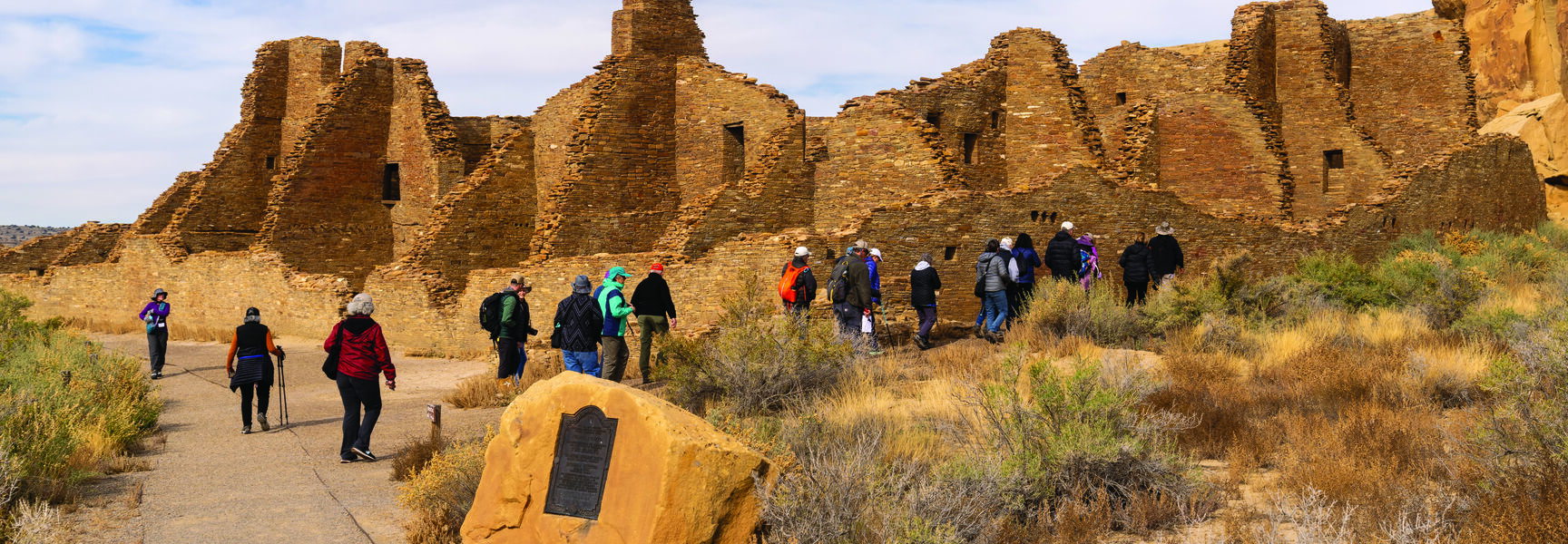
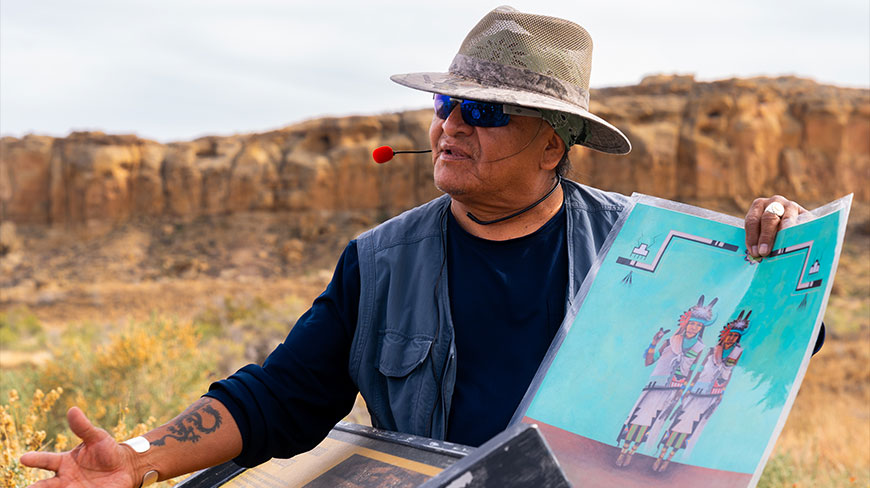
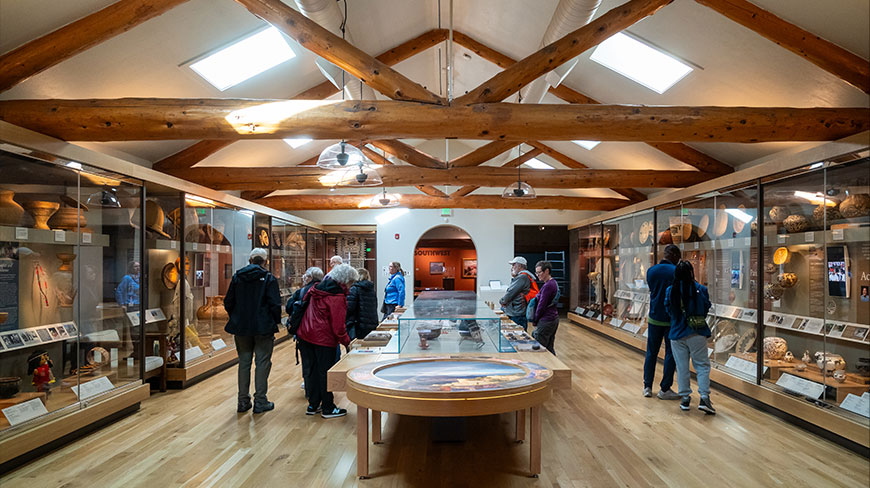
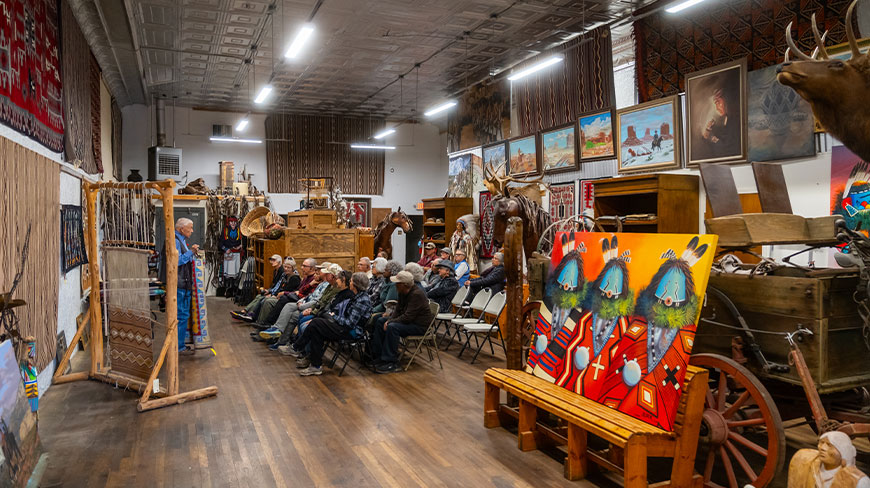
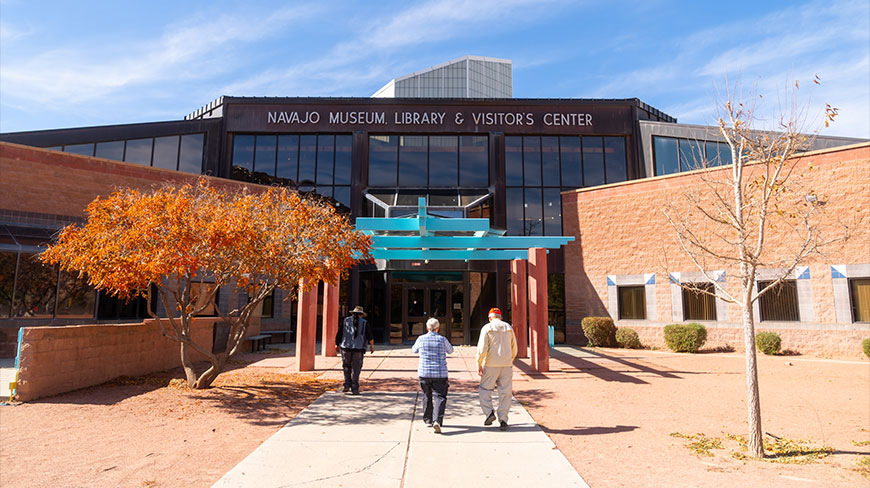
2,149The Southwest is the keeper of America’s best-preserved and most compelling archaeological treasures. That heritage continues today in the modern Hopi and Navajo culture of northeastern Arizona. Hear personal insights as Native American representatives share cultural achievements, historic struggles and modern challenges. Then journey to uncover the mystery of Chaco Canyon, a UNESCO World Heritage Site with its Great Houses and Great Kivas, displaying prehistoric architectural masterpieces on a grand scale.
Best of all, you'll...
- Visit cliff dwellings at Walnut Canyon National Monument, and on the Hopi Reservation, experience a cultural demonstration and explore a Pueblo village that is one of the oldest continually inhabited American settlements.
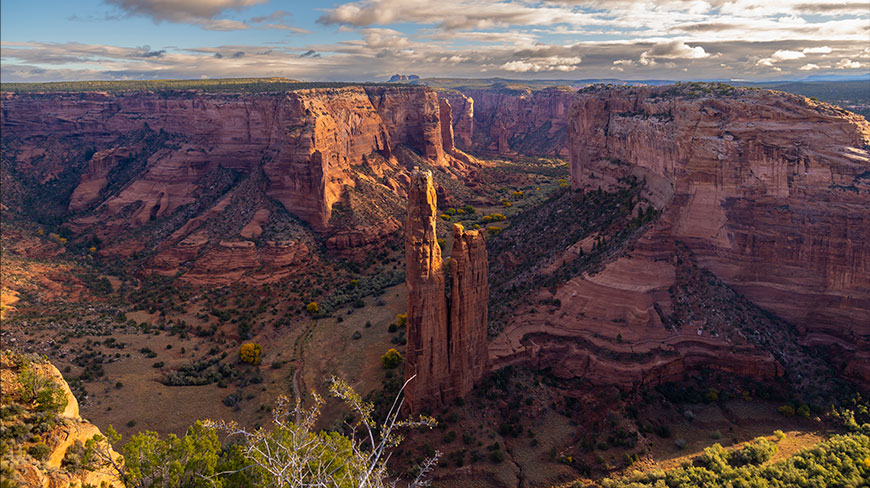
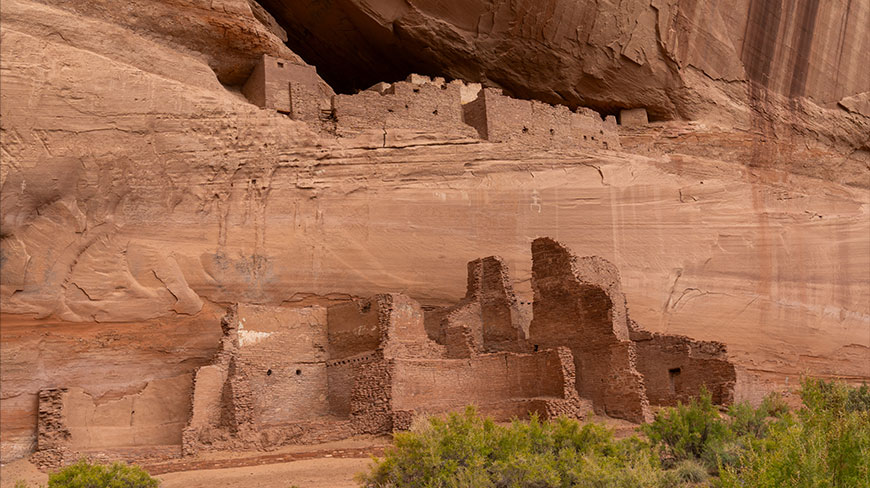
- On the Navajo Reservation, enjoy a 4x4 vehicle trip into the heart of Canyon de Chelly.
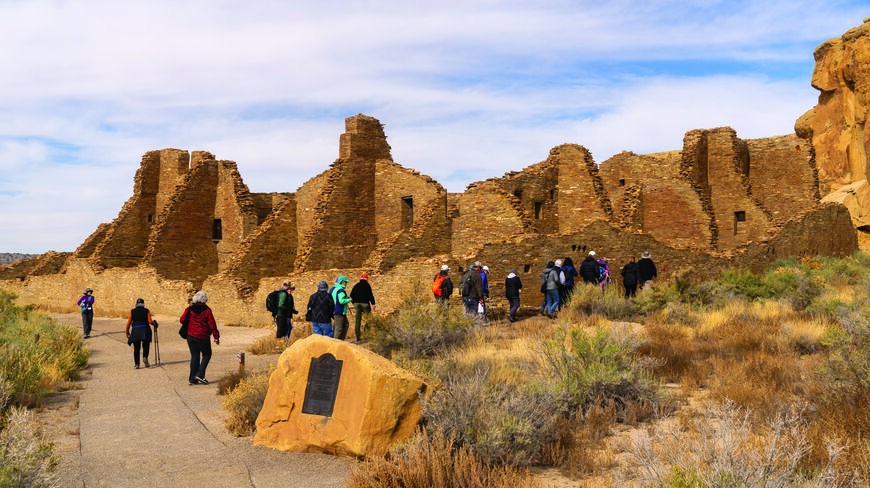
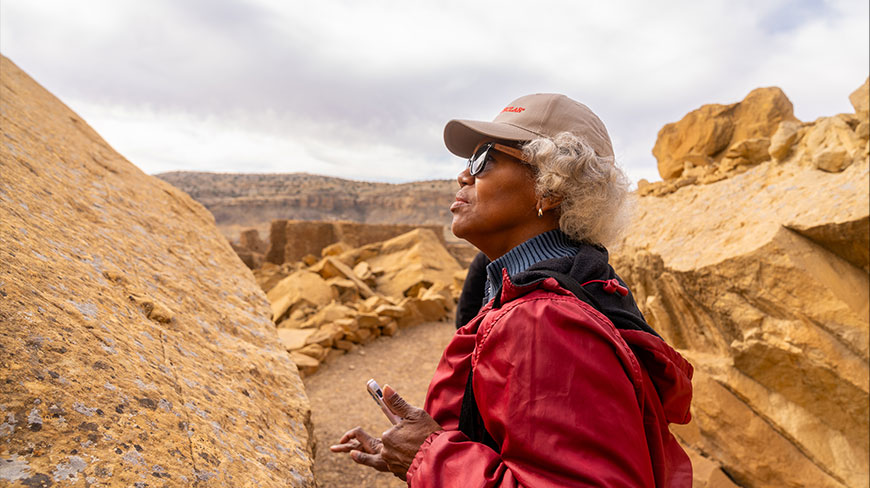
- Journey to the center of the Ancestral Puebloan world — Chaco Canyon — to explore the Pueblo Bonito, Chetro Ketl and the Great Kiva of Casa Rinconada.
General Notes
Due to the remote locations in this program some special diet requests may not be accommodated or will lack a variety of options.
Featured Expert
All Experts
Azalia Lewis
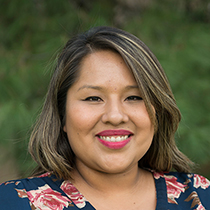
Azalia Lewis is descended from the Navajo, Hopi, and Laguna tribes. Currently residing near the mouth of Canyon De Chelly National Monument, Azalia is Kin'ya'aani, (towering house clan), Kis'anni, (born for Hopi), Maii' deeshgizhnii, (born into coyote pass clan), and Too' lanii dinee', (born into Laguna). She attended school in Chinle and is pursuing a career in the art of jewelry making. Azalia looks forward to meeting new people and sharing the beauty of her multicultural background.
Please Note:
This expert may not be available for every date of the program
Please Note:
These experts may not be available for every date of the program
Azalia Lewis
Azalia Lewis is descended from the Navajo, Hopi, and Laguna tribes. Currently residing near the mouth of Canyon De Chelly National Monument, Azalia is Kin'ya'aani, (towering house clan), Kis'anni, (born for Hopi), Maii' deeshgizhnii, (born into coyote pass clan), and Too' lanii dinee', (born into Laguna). She attended school in Chinle and is pursuing a career in the art of jewelry making. Azalia looks forward to meeting new people and sharing the beauty of her multicultural background.
Dorothy Ami
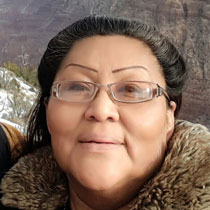
Dorothy Ami is a well-respected Hopi potter. Her demonstrations detail the pottery making process — from gathering the clay to tempering, coiling a piece, making the paints from nature, painting with a yucca brush and firing.
Eric Kee
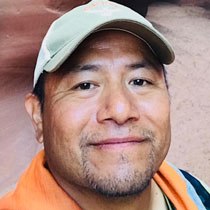
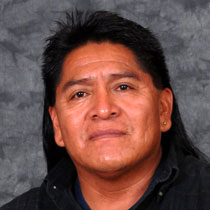
Eric Kee was born and raised on the Navajo Reservation in Tuba City, Arizona. In addition to sharing his Navajo culture, Eric enjoys spending his spare time building Native American flutes, working with silver and hiking, kayaking and camping with his family. He met his wife in Florence, Italy during his three years teaching English and working Italian camps for kids. He, along with his wife and three children, currently reside in Tuba City.
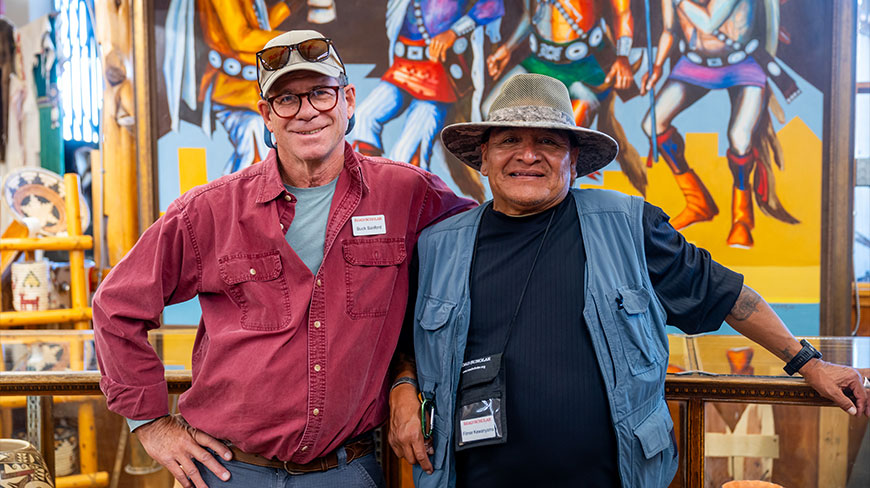
Filmer Kewanyama
Fil Kewanyama was born in the village of Shungopavi on Second Mesa on Hopi Land in northeastern Arizona. He is of the Qalwung'gwa (Sun Forehead) clan and grew up with all the ceremonies that are still a part of his life. Following his military service, Fil moved to Phoenix and then Prescott, Arizona where he started focusing on his art. Fil says he grew up learning to draw, paint and carve as it was all around him in the form of Hopi ceremonies and rituals.
Activity Level
Keep the Pace
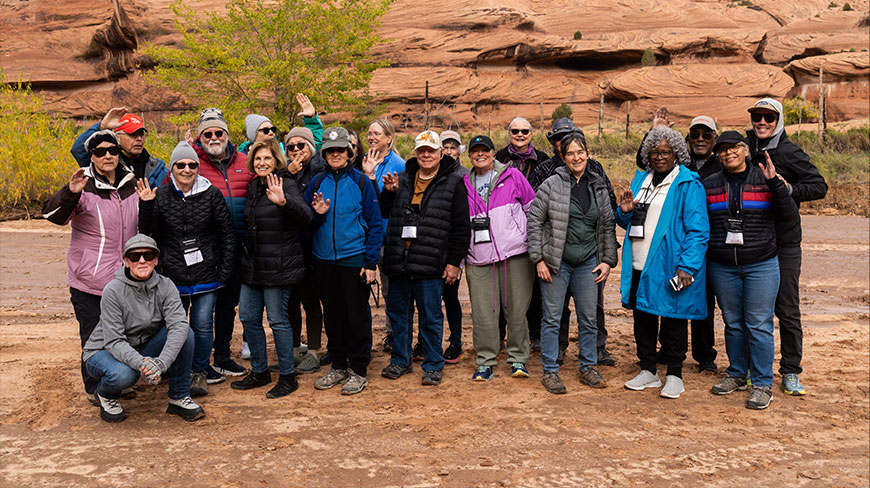
Small Group
(13 to 24)
Love to learn and explore in a small-group setting? These adventures offer small, personal experiences with groups of 13 to 24 participants.
Suggested Books and Resources
View Full List
You can also find many of the books we recommend at the Road Scholar store on bookshop.org, a website that supports local bookstores.
HAVE QUESTIONS?
Prefer to enroll or inquire by phone?
We can help. Give us a call, and we can answer all of your questions!
Call
800-454-5768
Helpful Links
Enroll with Confidence
Peace of Mind
We want your Road Scholar learning adventure to be something to look forward to—not worry about. That’s why we go to the ends of the earth to give you peace of mind, from the moment you enroll until the day you return home.

Assurance Plan
Road Scholar is committed to the well-being of every participant, whether on a program in the United States or abroad. That’s why all participants are covered under our Road Scholar Assurance Plan, which provides 24-hour assistance in the event of an emergency during your program, as well as insurance for emergency medical evacuation.

Want to Protect Your Investment?
Road Scholar is pleased to offer its Trip Protection Plan as a way to protect your program investment. You may purchase this optional trip protection plan when enrolling in your program.

Sustainable Travel
We offset a portion of the emissions created by your travel. Read about our commitment to a more sustainable planet.

- Peace of Mind
We want your Road Scholar learning adventure to be something to look forward to—not worry about. That’s why we go to the ends of the earth to give you peace of mind, from the moment you enroll until the day you return home.
- Assurance Plan
Road Scholar is committed to the well-being of every participant, whether on a program in the United States or abroad. That’s why all participants are covered under our Road Scholar Assurance Plan, which provides 24-hour assistance in the event of an emergency during your program, as well as insurance for emergency medical evacuation.
- Want to Protect Your Investment?
Road Scholar is pleased to offer its Trip Protection Plan as a way to protect your program investment. You may purchase this optional trip protection plan when enrolling in your program.
- Sustainable Travel
We offset a portion of the emissions created by your travel. Read about our commitment to a more sustainable planet.
1 of 4