
Walking up to 3 miles per day at a moderate pace of 2 mph over varied terrain including pavement, gravel, trails and paved paths; some stairs. Standing up to 2 hours per day. Program will require approximately 10 miles of walking over 6 days. Up to 5 hours in a motorcoach in a day. Getting on/off a motorcoach. Must be physically capable of participating in all planned program activities.
Alberta
Exploring Canadian Rocky Mountain Parks
Program No. 3856RJ
Watch Video
See More Photos
Exploring Canadian Rocky Mountain Parks
Exploring Canadian Rocky Mountain Parks
1 of 9
Start Enrolling

Program
At a Glance
Duration
8 days
Program Begins
Banff, Alberta
Program Concludes
Calgary, Alberta
Group Type
Small Group
Meals
17 (
7B, 6L, 4D
)
Activity Level
From
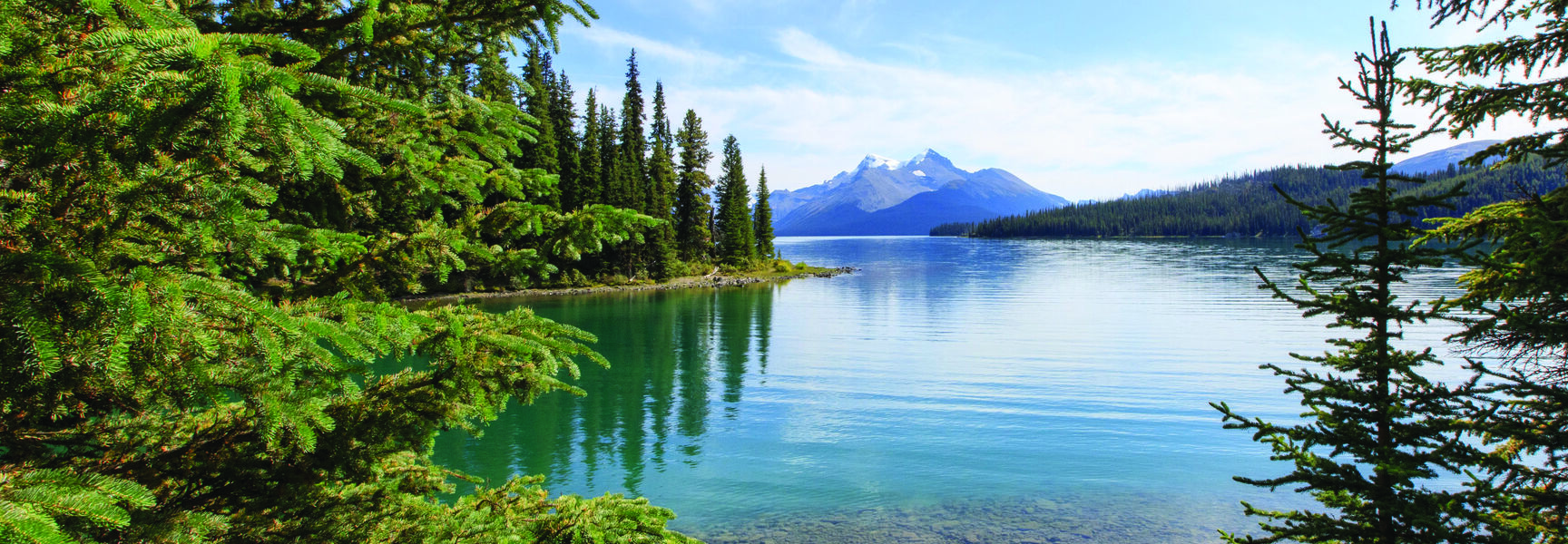
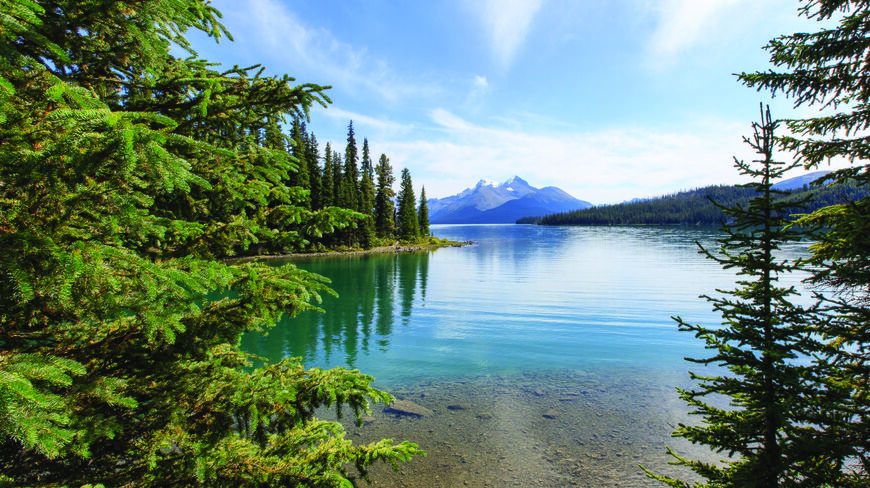
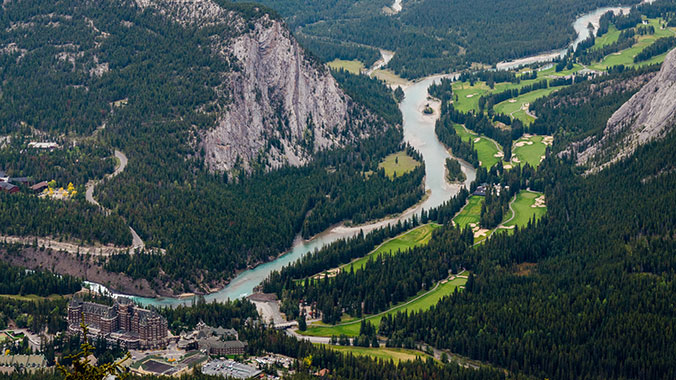
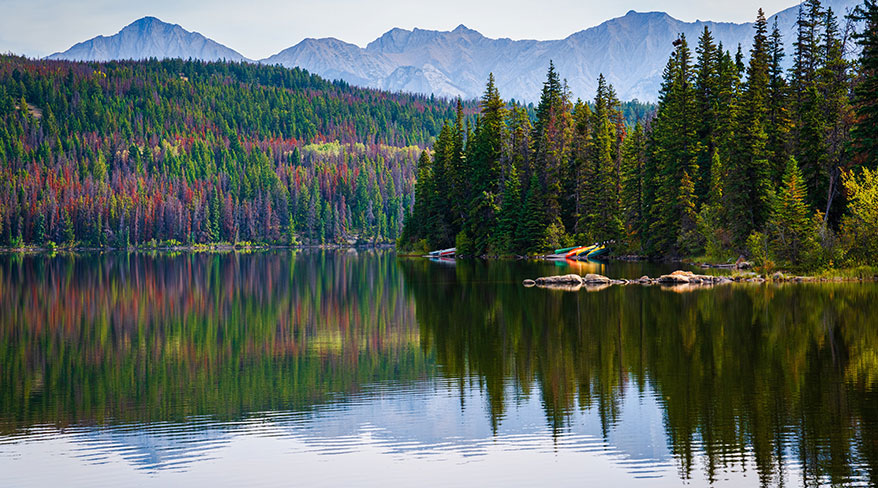
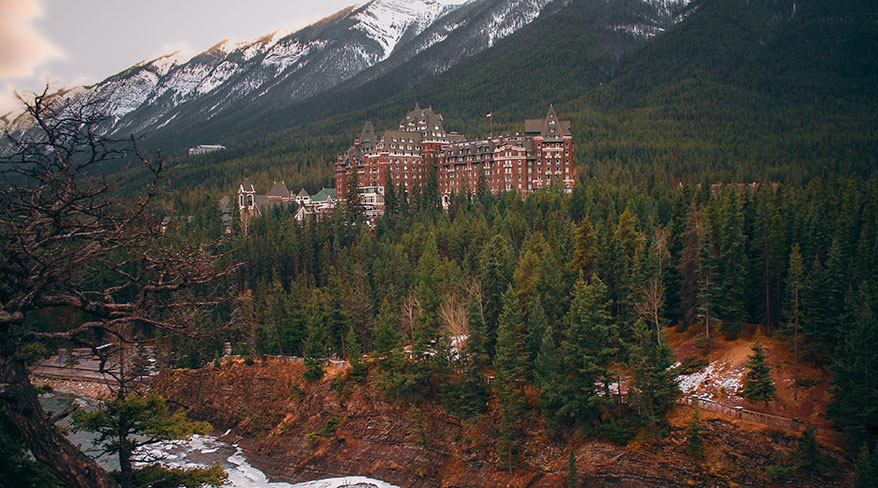
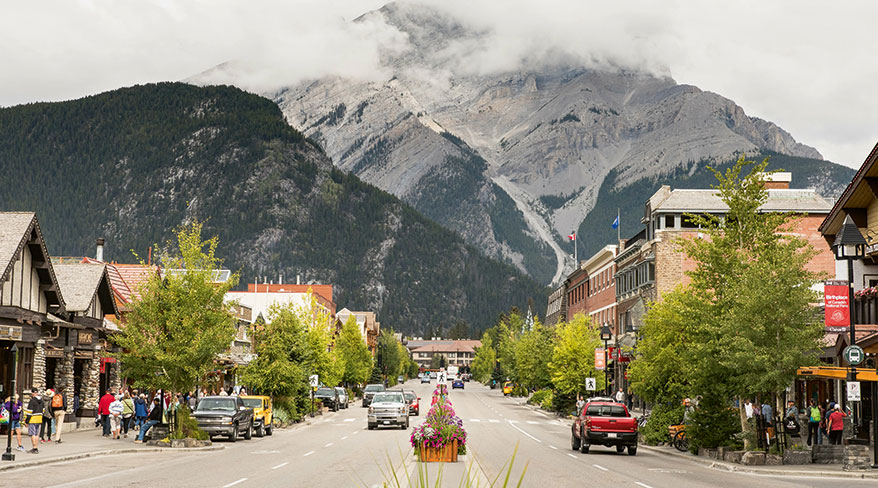
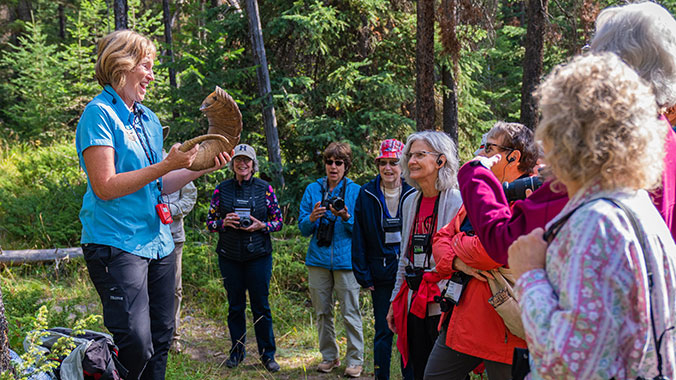
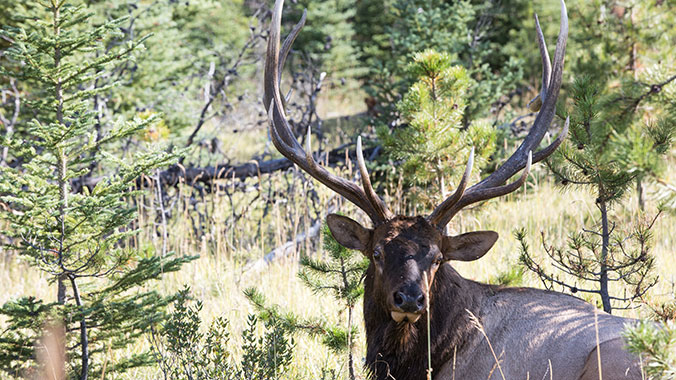
4,999Spanning 14,300 square miles along the Continental Divide, the Canadian Rocky Mountain Parks are among the world’s most awe-inspiring protected landscapes. Explore three UNESCO World Heritage Sites — Banff, Yoho, and Jasper — and discover how towering peaks, ancient glaciers, fossil beds, and vital wildlife corridors reveal a natural story still unfolding. Experience Banff’s geothermal hot springs, Indigenous connections and views of the legendary Fairmont Banff Springs. Take in Yoho’s Emerald Lake and learn about the Burgess Shale fossils. At Lake Louise, ride the gondola for sweeping vistas of the Continental Divide and search for grizzly bears with guidance from wildlife experts. Journey along the Icefields Parkway pausing at Athabasca Glacier, then explore Pyramid Lake and the Maligne Canyon Overlook before concluding in Calgary.
Best of all, you'll...
- Learn how Indigenous knowledge, geothermal features and conservation efforts shaped the creation of Banff National Park and Canada’s national park system.
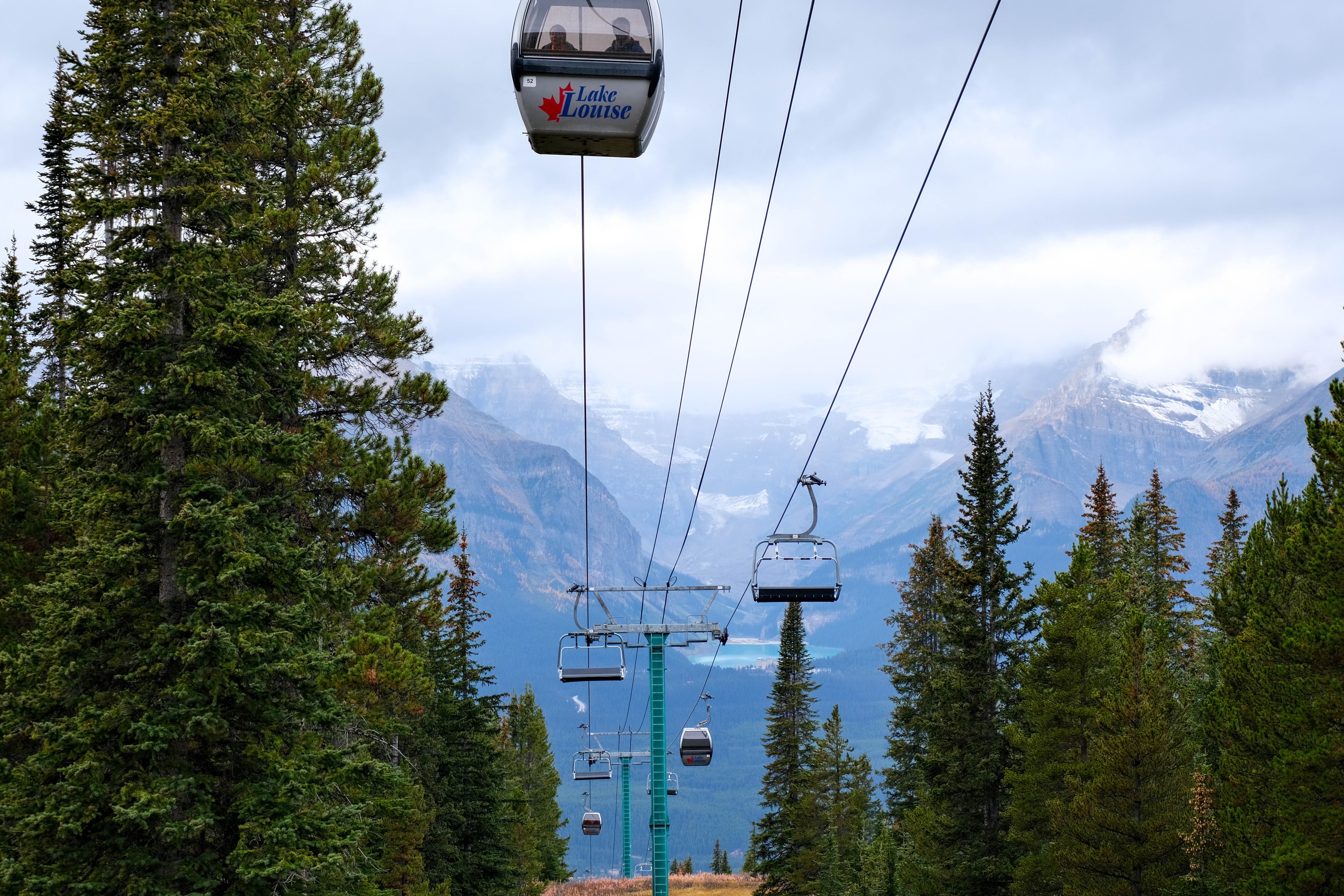
- Ride the Lake Louise Gondola for sweeping views across the Continental Divide and the chance to observe grizzly bears in their natural habitat.
- Journey along the Icefields Parkway into Jasper National Park, stopping at the Athabasca Glacier to explore glaciers, wildlife corridors and fire-shaped landscapes that define the Rocky Mountain ecosystem.
Featured Expert
All Experts
Kirsten Schmitten
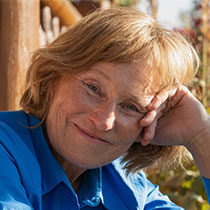
Kirsten Schmitten has more than 30 years under her belt as a researcher, writer, and guide in the Canadian Rockies. She has worked as a professional park interpreter and lived in remote wilderness stations with her warden husband. Kirsten was awarded a Master Level Interpretive certification by the guiding community. She is a co-owner of All Things Wild, a company dedicated to connecting people to the stories unfolding in Jasper National Park.
Please Note:
This expert may not be available for every date of the program
Please Note:
These experts may not be available for every date of the program
Kirsten Schmitten
Kirsten Schmitten has more than 30 years under her belt as a researcher, writer, and guide in the Canadian Rockies. She has worked as a professional park interpreter and lived in remote wilderness stations with her warden husband. Kirsten was awarded a Master Level Interpretive certification by the guiding community. She is a co-owner of All Things Wild, a company dedicated to connecting people to the stories unfolding in Jasper National Park.
Brent MacDonald
Brent Macdonald has been a resident of the Canadian Rockies for almost 30 years. As a geology expert, he provides a wealth of knowledge about geography and geomorphology. Brent has had a diverse career as a freelance natural history interpreter, also working as a consultant for a geotechnical engineering company. He has shared his knowledge of geology and natural history as an interpreter and guest lecturer. Brent is also a certified mountain leader and ski instructor.
Greg Allemang
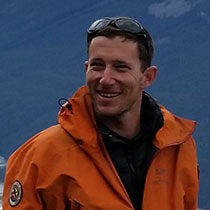
Greg Allemang is an Alberta-based outdoor guide and educator with a global perspective. A lifelong adventurer, he has explored five continents and lived across Canada and in South Korea. Greg is certified by the Association of Canadian Mountain Guides, the Interpretive Guides Association, and the Outdoor Council of Canada, with advanced wilderness first aid training. Since 2012, he has led hiking, backpacking, and snowshoeing trips in the Canadian Rockies, and has been a group leader with Road Scholar since 2014.
Michele LaPointe
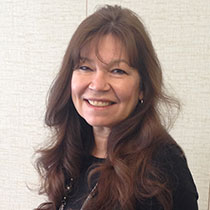
Michele LaPointe was born and raised in Calgary, Alberta, and later moved to Banff to fulfill her dreams of being an outdoor enthusiast. She has worked in the travel industry for many years as a ski instructor and interpretive expert. Michele now splits her time between Calgary and Golden. She is a director of the Golden Rotary Club and is on the board of directors for the Kicking Horse Country Chamber of Commerce. Michele is an avid skier, mountain biker, and hiker.
Sonya Pollock
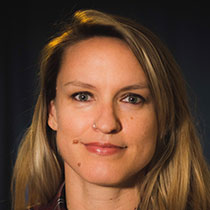
Sonya Pollock grew up in Calgary, Alberta and loved taking trips out to the Rocky Mountains as a child. These trips with her family solidified her love of nature and wildlife. Her passion for helping animals resulted in her pursuit of an MSc in animal behavior and welfare where she studied thermoregulation in the Indian rhinoceros. She’s currently a Ph.D. candidate in wildlife ecology at the University of Alberta where she studies grizzly bear habitat selection in Banff National Park.
Routes Adventures Mobile Phone
Please call the toll free line at 1-866-745-1690 during regular business hours or for non-urgent matters (Mon - Fri 8:30 - 4:30 EST). The mobile phone #1-613-331-5777 is for after hours and weekends for emergency use only. The phone is carried by a staff member.
Activity Level
Keep the Pace
Small Group
(13 to 24)
Love to learn and explore in a small-group setting? These adventures offer small, personal experiences with groups of 13 to 24 participants.
Suggested Books and Resources
View Full List
You can also find many of the books we recommend at the Road Scholar store on bookshop.org, a website that supports local bookstores.
HAVE QUESTIONS?
Prefer to enroll or inquire by phone?
We can help. Give us a call, and we can answer all of your questions!
Call
800-454-5768
Helpful Links
Enroll with Confidence
Peace of Mind
We want your Road Scholar learning adventure to be something to look forward to—not worry about. That’s why we go to the ends of the earth to give you peace of mind, from the moment you enroll until the day you return home.

Assurance Plan
Road Scholar is committed to the well-being of every participant, whether on a program in the United States or abroad. That’s why all participants are covered under our Road Scholar Assurance Plan, which provides 24-hour assistance in the event of an emergency during your program, as well as insurance for emergency medical evacuation.

Want to Protect Your Investment?
Road Scholar is pleased to offer its Trip Protection Plan as a way to protect your program investment. You may purchase this optional trip protection plan when enrolling in your program.

Sustainable Travel
We offset a portion of the emissions created by your travel. Read about our commitment to a more sustainable planet.

- Peace of Mind
We want your Road Scholar learning adventure to be something to look forward to—not worry about. That’s why we go to the ends of the earth to give you peace of mind, from the moment you enroll until the day you return home.
- Assurance Plan
Road Scholar is committed to the well-being of every participant, whether on a program in the United States or abroad. That’s why all participants are covered under our Road Scholar Assurance Plan, which provides 24-hour assistance in the event of an emergency during your program, as well as insurance for emergency medical evacuation.
- Want to Protect Your Investment?
Road Scholar is pleased to offer its Trip Protection Plan as a way to protect your program investment. You may purchase this optional trip protection plan when enrolling in your program.
- Sustainable Travel
We offset a portion of the emissions created by your travel. Read about our commitment to a more sustainable planet.
1 of 4