
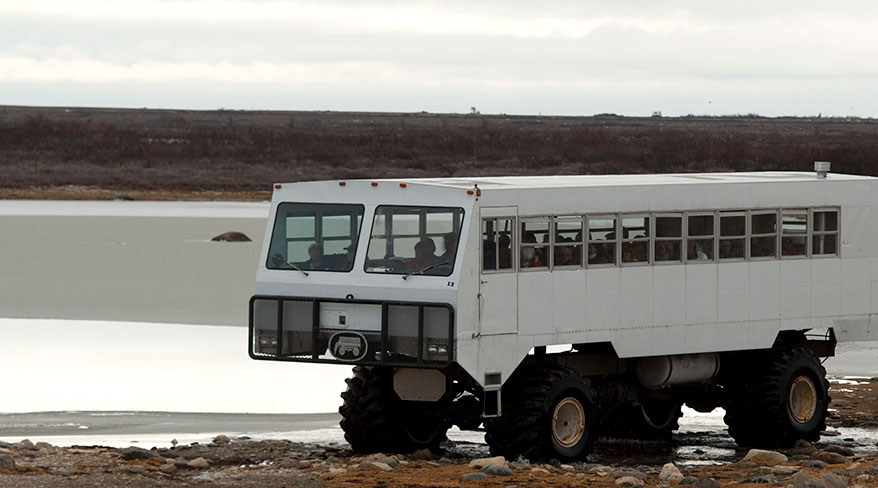
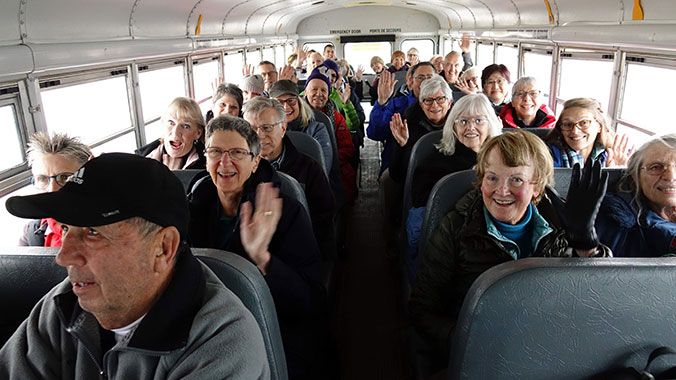
Walking up to 2 miles per day at a moderate pace of 2 mph over varied terrain including light snow covered gravel & icy terrain. Standing up to 6 hours per day. Program will require approximately 6 miles of walking over 9 days. Six hours in a Tundra Buggy on multiple days. Getting on/off a motorcoach, Tundra Buggy, and airplane. Must be physically capable of participating in all planned program activities.
Manitoba
Lords of the North: Ecology of Hudson Bay's Polar Bears
Program No. 6290RJ
See More Photos
Lords of the North: Ecology of Hudson Bay's Polar Bears
Lords of the North: Ecology of Hudson Bay's Polar Bears
1 of 10
Start Enrolling

Program
At a Glance
Duration
9 days
Program Begins
Winnipeg, MB
Program Concludes
Winnipeg, MB
Meals
22 (
8B, 7L, 7D
)
Activity Level
From
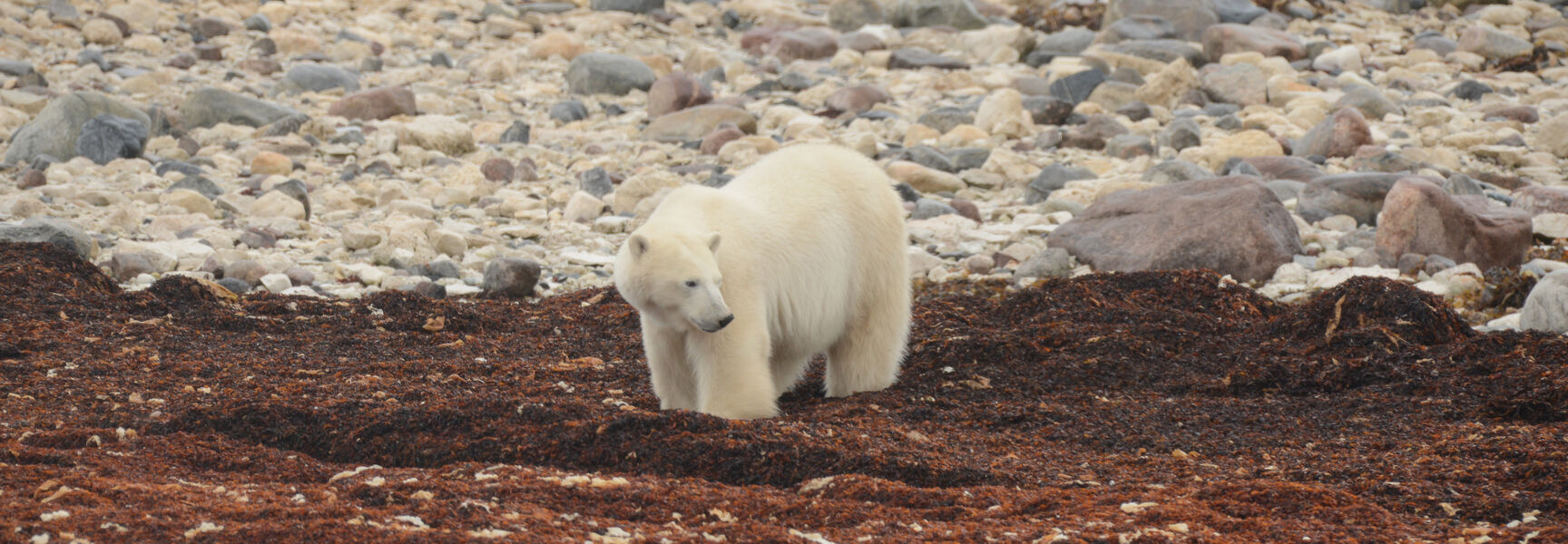
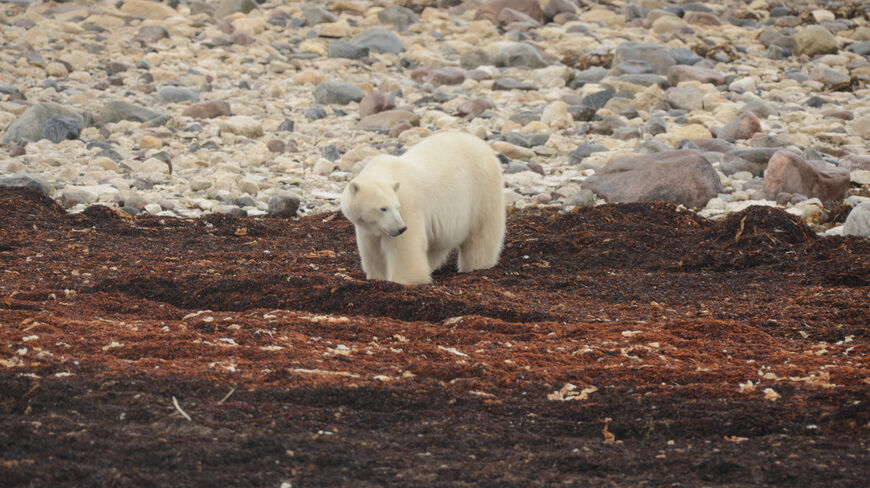
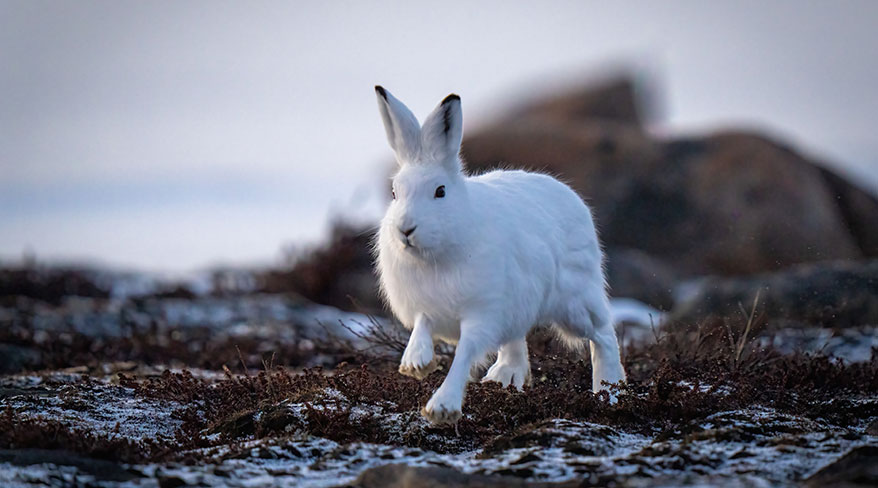
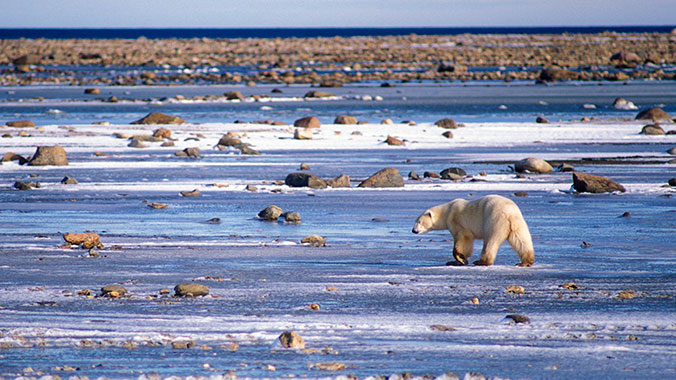
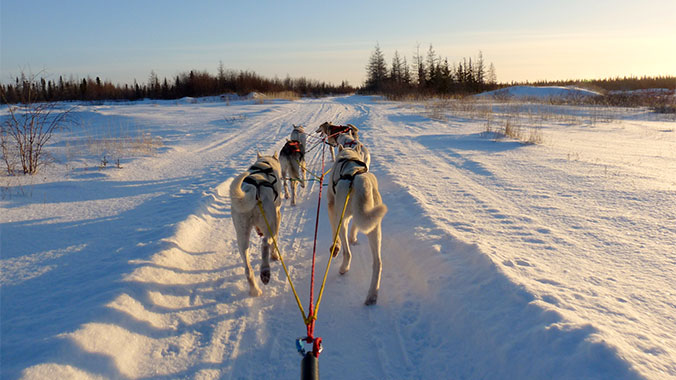
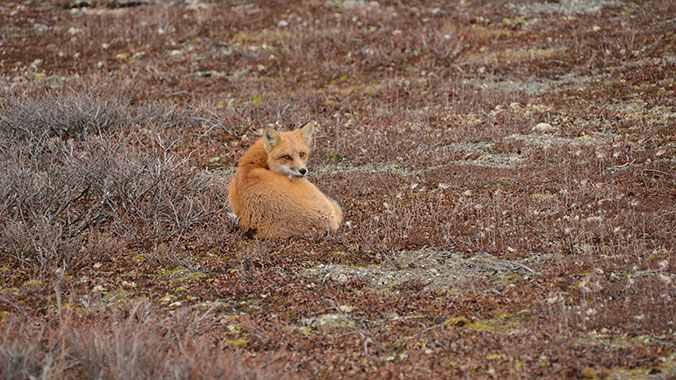
8,999As autumn gives way to winter, the polar bears of Hudson Bay gather along the shoreline, waiting for the sea's ice that will carry them into another Arctic season. Travel into this remarkable landscape aboard specially designed tundra vehicles alongside polar bear experts and naturalists to observe these iconic animals in their natural habitat. Engage in Indigenous cultural programming highlighting Inuit and northern Indigenous perspectives. Gain deeper insight into polar bear ecology, Arctic conservation, climate change, and the interconnected future of the North’s fragile ecosystems.
Best of all, you'll...
- Observe polar bears in their natural habitat aboard specially designed tundra vehicles.
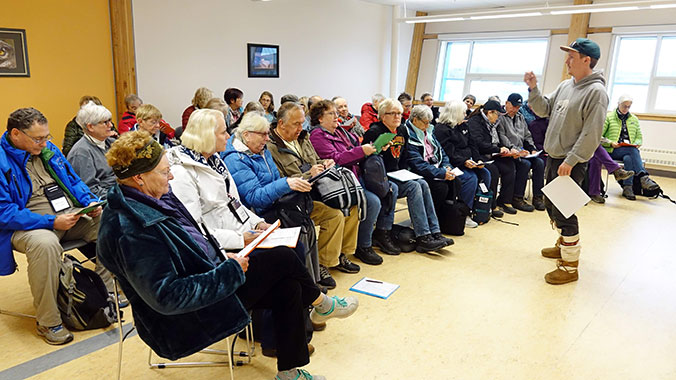
- Learn from expert naturalists and Indigenous residence about Arctic ecology, conservation, and life in Canada’s North.
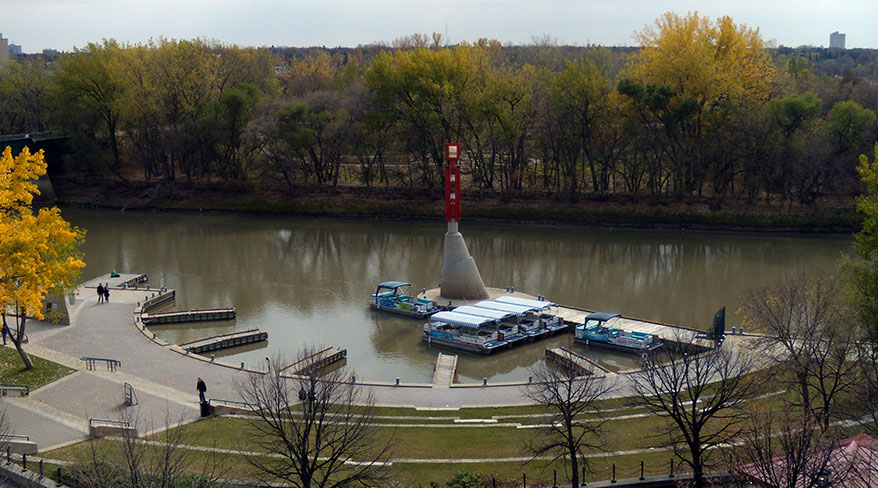
- Explore museums, wildlife habitats, and northern communities while gaining insight into the impacts of climate change on the Arctic ecosystem.
General Notes
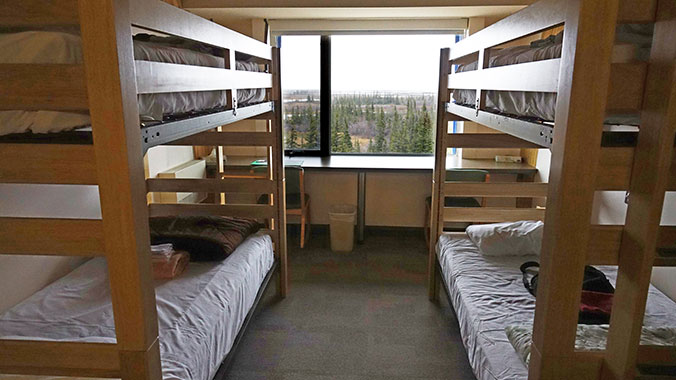
Daily walking and outdoor activities depend on weather conditions. Average seasonal temperature ranges from 29°F down to 10°F, so come prepared for winter conditions. In Churchill, you'll stay at the Churchill Northern Studies Centre, an active research facility on the Hudson Bay coast. This unique setting offers immersive access to the surrounding environment. Accommodations are simple and dormitory-stye, with shared rooms and bath facilities. Single rooms are available during hotel stays in Winnipeg only and are not available in Churchill. Please review the lodging description carefully to ensure this experience is a good fit for you. Regional flights between Winnipeg and Churchill are included. Due to the nature of this program, listening devices are not available.
Featured Expert
All Experts
David Hems
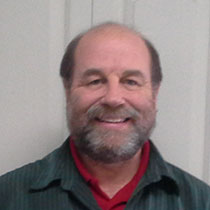
David Hems has had a career centered on the management of cultural heritage sites with a strong focus on interpretation and presentation. After earning a degree in anthropology, he spent nine years working for the Manitoba Historic Resources Branch and 20 years with Parks Canada as an archaeologist and a heritage resource adviser throughout Western and Northern Canada. David was able to follow his passions for travel and the sport of ice hockey. He played semi-professional hockey in Germany and coached in Northern Italy.
Please Note:
This expert may not be available for every date of the program
Please Note:
These experts may not be available for every date of the program
David Hems
David Hems has had a career centered on the management of cultural heritage sites with a strong focus on interpretation and presentation. After earning a degree in anthropology, he spent nine years working for the Manitoba Historic Resources Branch and 20 years with Parks Canada as an archaeologist and a heritage resource adviser throughout Western and Northern Canada. David was able to follow his passions for travel and the sport of ice hockey. He played semi-professional hockey in Germany and coached in Northern Italy.
Routes Adventures Mobile Phone
Please call the toll free line at 1-866-745-1690 during regular business hours or for non-urgent matters (Mon - Fri 8:30 - 4:30 EST). The mobile phone #1-613-331-5777 is for after hours and weekends for emergency use only. The phone is carried by a staff member.
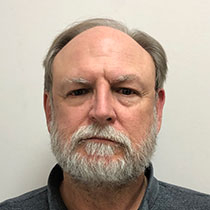
William Watkins
Bill Watkins is a consulting conservation biologist, educator, and writer. He retired from the Manitoba Government after 36 years working on protected areas and species at risk management with the Parks Branch and the Wildlife Branch. As a member of Manitoba’s polar bear management team, Bill coordinated the policy initiative that resulted in Manitoba’s Polar Bear Protection Act and regulations. Bill has travelled to Churchill almost every fall, from 2001 until he retired, to observe polar bears in the Churchill Wildlife Management Area.
Activity Level
Keep the Pace
Suggested Books and Resources
View Full List
You can also find many of the books we recommend at the Road Scholar store on bookshop.org, a website that supports local bookstores.
HAVE QUESTIONS?
Prefer to enroll or inquire by phone?
We can help. Give us a call, and we can answer all of your questions!
Call
800-454-5768
Helpful Links
Enroll with Confidence
Peace of Mind
We want your Road Scholar learning adventure to be something to look forward to—not worry about. That’s why we go to the ends of the earth to give you peace of mind, from the moment you enroll until the day you return home.

Assurance Plan
Road Scholar is committed to the well-being of every participant, whether on a program in the United States or abroad. That’s why all participants are covered under our Road Scholar Assurance Plan, which provides 24-hour assistance in the event of an emergency during your program, as well as insurance for emergency medical evacuation.

Want to Protect Your Investment?
Road Scholar is pleased to offer its Trip Protection Plan as a way to protect your program investment. You may purchase this optional trip protection plan when enrolling in your program.

Sustainable Travel
We offset a portion of the emissions created by your travel. Read about our commitment to a more sustainable planet.

- Peace of Mind
We want your Road Scholar learning adventure to be something to look forward to—not worry about. That’s why we go to the ends of the earth to give you peace of mind, from the moment you enroll until the day you return home.
- Assurance Plan
Road Scholar is committed to the well-being of every participant, whether on a program in the United States or abroad. That’s why all participants are covered under our Road Scholar Assurance Plan, which provides 24-hour assistance in the event of an emergency during your program, as well as insurance for emergency medical evacuation.
- Want to Protect Your Investment?
Road Scholar is pleased to offer its Trip Protection Plan as a way to protect your program investment. You may purchase this optional trip protection plan when enrolling in your program.
- Sustainable Travel
We offset a portion of the emissions created by your travel. Read about our commitment to a more sustainable planet.
1 of 4