
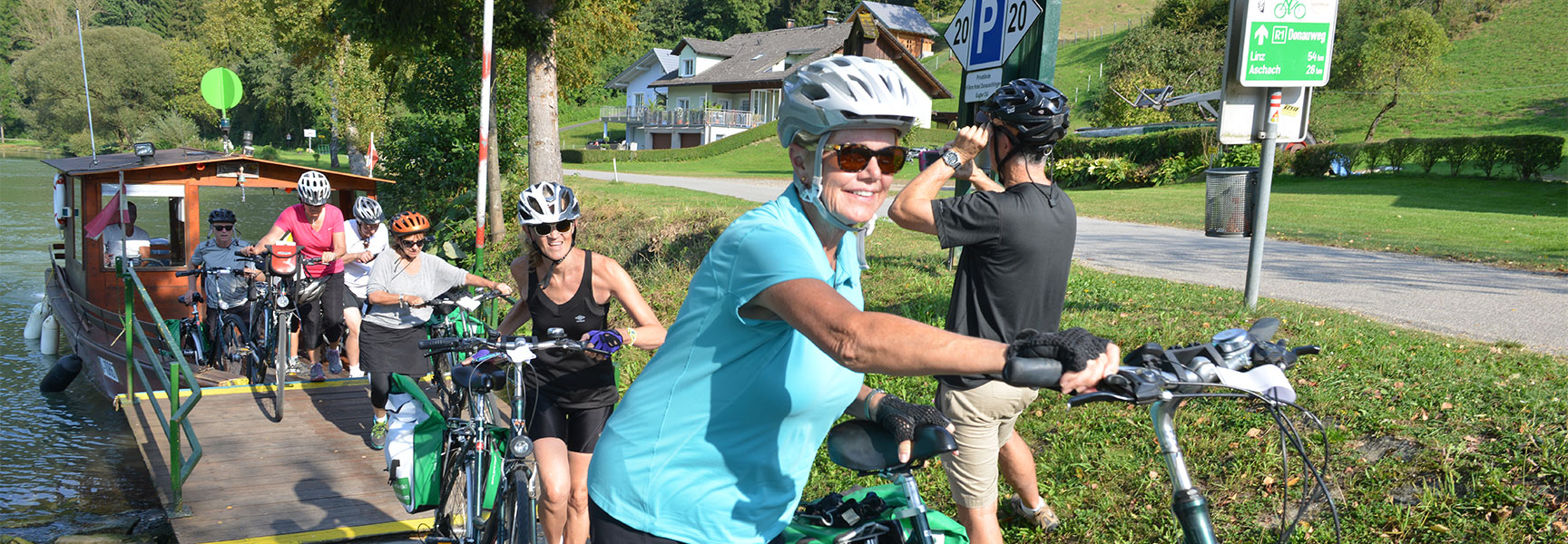
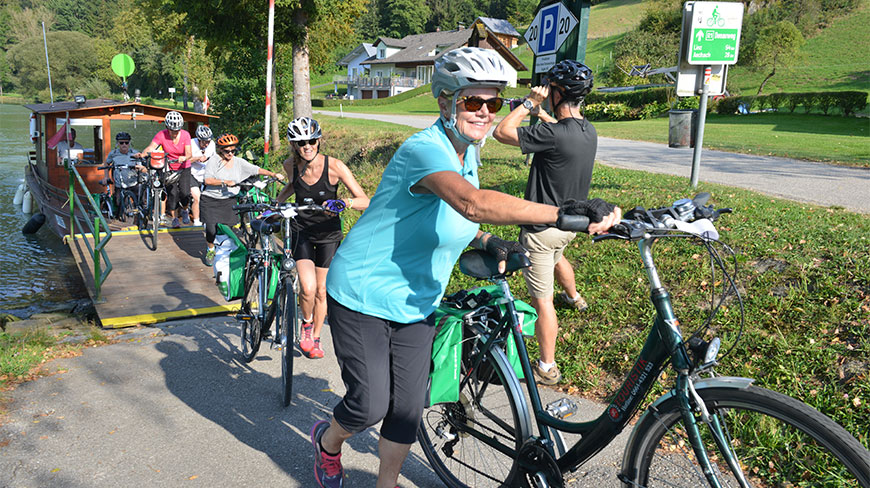
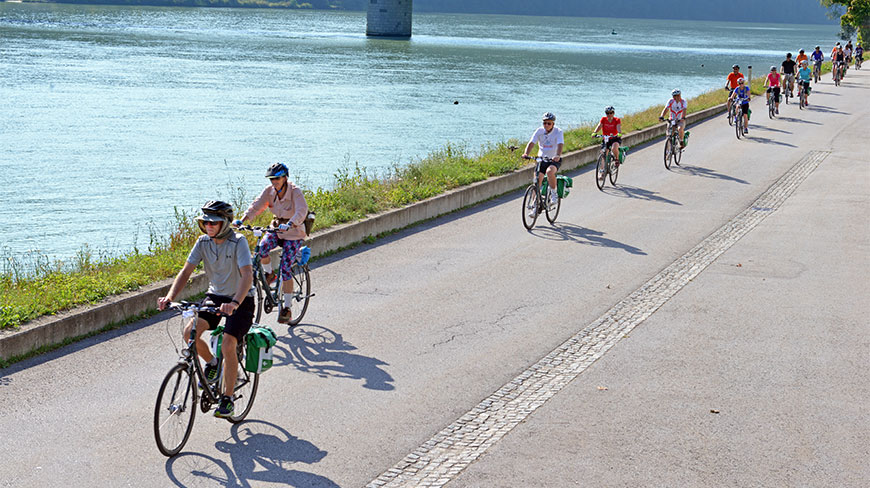
For intermediate cyclists. Cycling up to 24 miles per day on primarily flat terrain, on paved river paths and through small villages with light traffic and frequent stops. Standing up to 2 hours per day. Program will require approximately 101 miles of biking and 10 miles of walking over 10 days. Due to pacing and planned activities, this program is not suitable for wheelchairs, walkers, scooters, or canes. Must be physically capable of biking for the duration of the program and participating in all planned program activities. Weather conditions such as wind and rain may affect biking difficulty.
Germany/Austria
Bike & Barge the Upper Danube: Castles, Vineyards & Vienna
Program No. 25711RJ
See More Photos
Bike & Barge the Upper Danube: Castles, Vineyards & Vienna
Bike & Barge the Upper Danube: Castles, Vineyards & Vienna
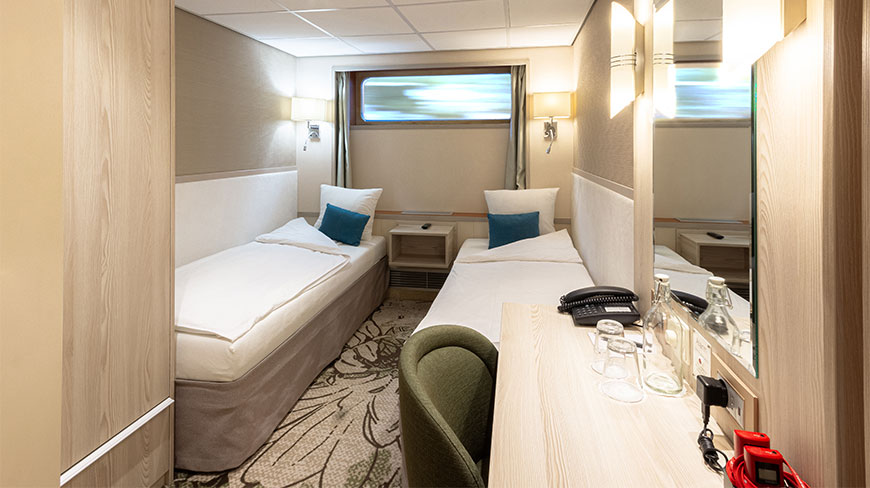
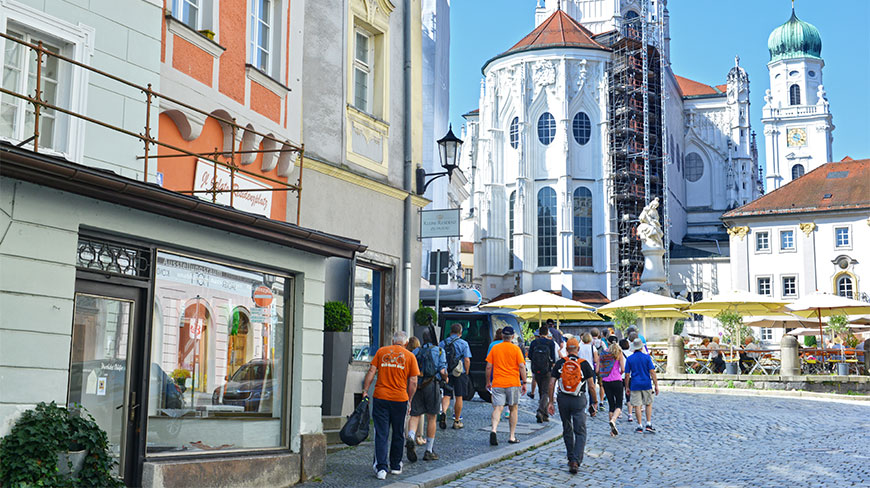
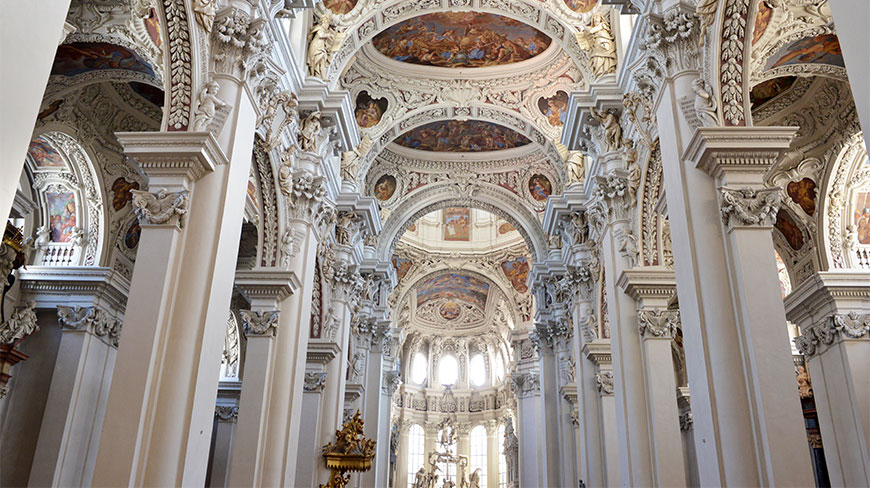
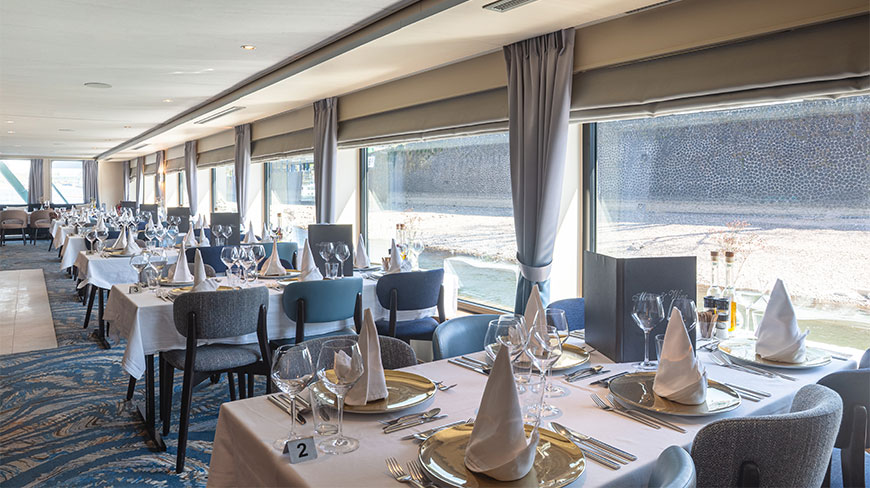

1 of 14
Start Enrolling
Program
At a Glance
Duration
12 days
Program Begins
Munich
Program Concludes
Munich
Meals
23 (
9B, 4L, 10D
)
Activity Level
From
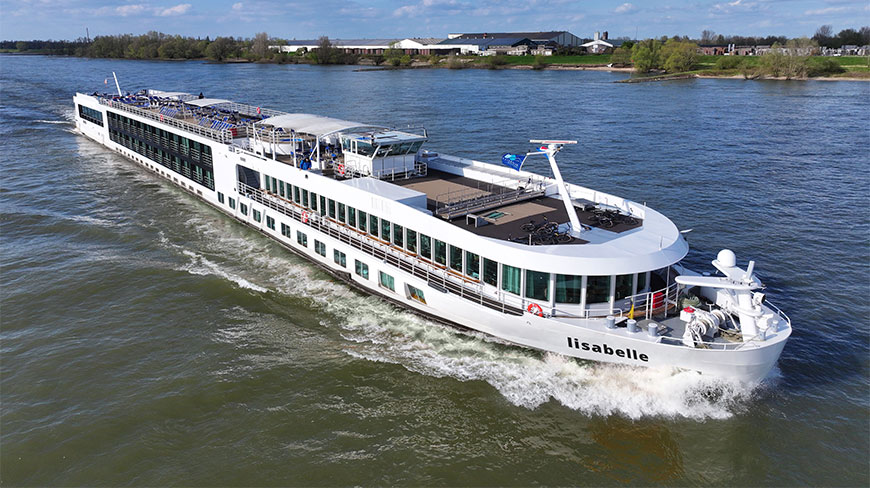
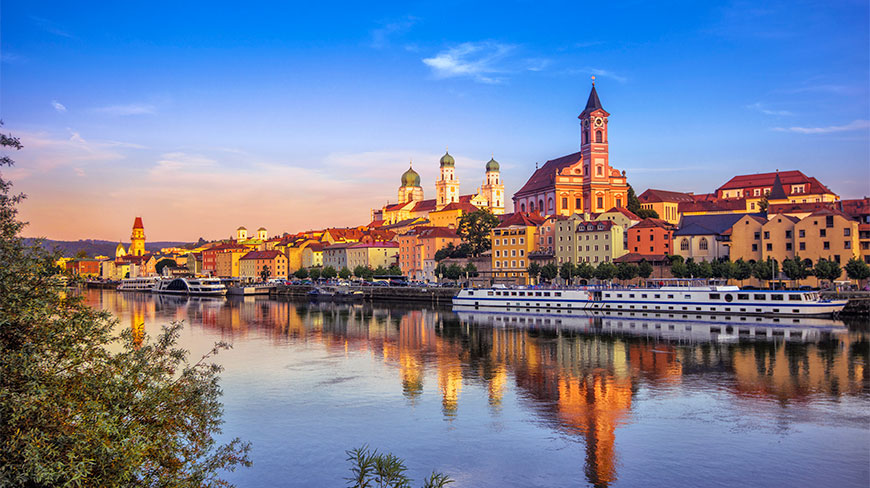
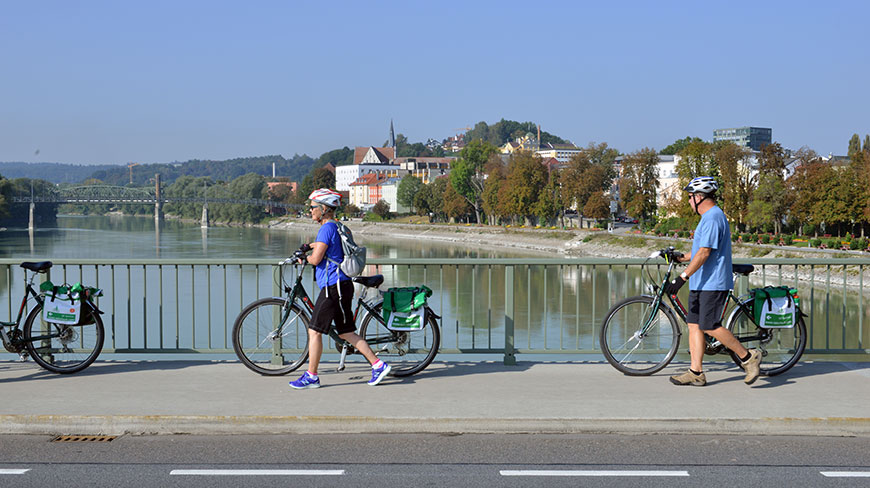
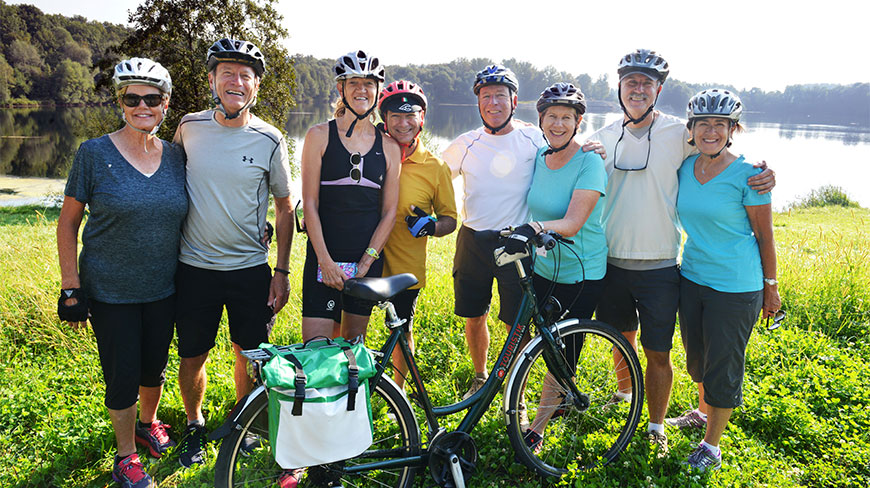
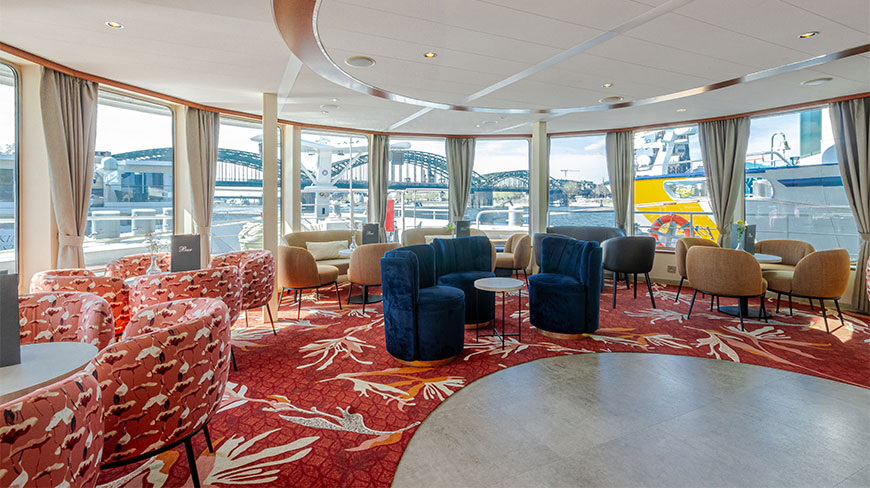
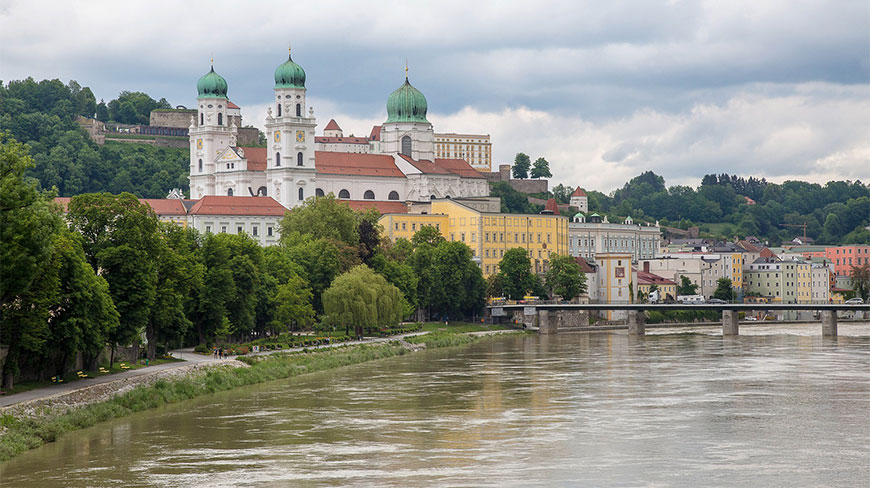
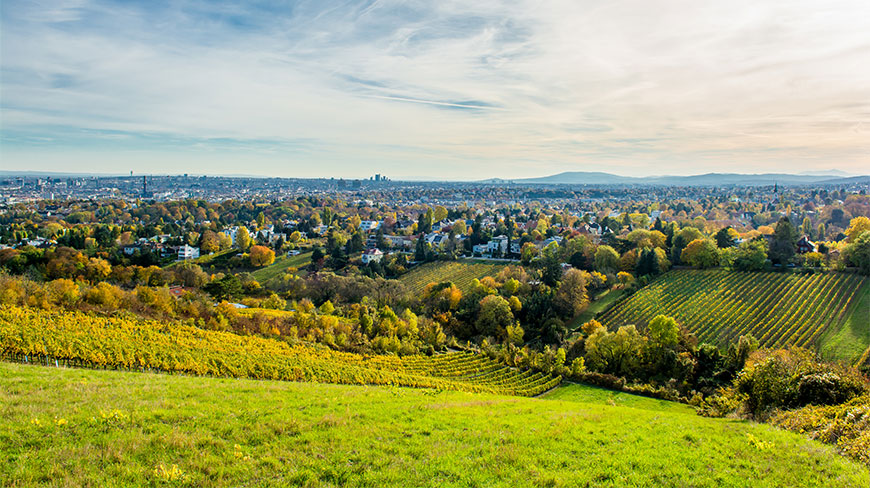
5,999Explore the heart of Germany and Austria by bike and barge on this immersive adventure along the Upper Danube river. Pedal along “treppelweg,” or towpaths — once used by horses to pull river barges — and follow car-free routes through picturesque towns and vineyard-lined valleys. After each day’s ride, board your barge and relax on board or step ashore in ports like Vienna, Passau, Linz, Dürnstein, Melk and Mauthausen. On land and on water, deepen your understanding of the region through expert-led lectures on architecture, customs and World War II history. Of course, all this cycling will have you working up an appetite! Along the way, savor local flavors with wine and cider tastings, picnic lunches and regional specialties like Wienerschnitzel.
Best of all, you'll...
- Cycle and sail for eight days along the Danube, exploring landscapes like the Wachau wine region and the 900-year-old Benedictine Melk Abbey.
- Attend a classical concert in the Mozarthaus Concert Hall in Vienna, the city’s oldest concert hall where Mozart himself once played.
- Take a break from cycling with a picnic lunch at an apple cider farm, where you’ll have the chance to sample the local, freshly pressed “most.”
Activity Level
Outdoor: Spirited
Suggested Books and Resources
View Full List
You can also find many of the books we recommend at the Road Scholar store on bookshop.org, a website that supports local bookstores.
HAVE QUESTIONS?
Prefer to enroll or inquire by phone?
We can help. Give us a call, and we can answer all of your questions!
Call
800-454-5768
Helpful Links
Enroll with Confidence
Peace of Mind
We want your Road Scholar learning adventure to be something to look forward to—not worry about. That’s why we go to the ends of the earth to give you peace of mind, from the moment you enroll until the day you return home.

Assurance Plan
Road Scholar is committed to the well-being of every participant, whether on a program in the United States or abroad. That’s why all participants are covered under our Road Scholar Assurance Plan, which provides 24-hour assistance in the event of an emergency during your program, as well as insurance for emergency medical evacuation.

Want to Protect Your Investment?
Road Scholar is pleased to offer its Trip Protection Plan as a way to protect your program investment. You may purchase this optional trip protection plan when enrolling in your program.

Sustainable Travel
We offset a portion of the emissions created by your travel. Read about our commitment to a more sustainable planet.

- Peace of Mind
We want your Road Scholar learning adventure to be something to look forward to—not worry about. That’s why we go to the ends of the earth to give you peace of mind, from the moment you enroll until the day you return home.
- Assurance Plan
Road Scholar is committed to the well-being of every participant, whether on a program in the United States or abroad. That’s why all participants are covered under our Road Scholar Assurance Plan, which provides 24-hour assistance in the event of an emergency during your program, as well as insurance for emergency medical evacuation.
- Want to Protect Your Investment?
Road Scholar is pleased to offer its Trip Protection Plan as a way to protect your program investment. You may purchase this optional trip protection plan when enrolling in your program.
- Sustainable Travel
We offset a portion of the emissions created by your travel. Read about our commitment to a more sustainable planet.
1 of 4