
Walking up to about a mile a day at approximately 2-3 mph on flat terrain. Standing up to 1-2 hours a day at sites. Museums may require extra time standing up, however there will be places to sit. Some museums may require a flight of stairs with handrails to see their upper floors. New Orleans’ sidewalks are narrow and at times, crowded. The pavement is uneven, bumpy and contains potholes. Mobility devices like wheelchairs, walkers and canes can be accommodated with careful navigation. Due to the nature of New Orleans’ sidewalks, scooters cannot be accommodated as they become a hazard. Restaurants may require up to 5-6 blocks of walking each way. Some restaurants may require stairs with handrails to get to the dining rooms. Must be physically capable of participating in all planned program activities.

Louisiana
Rhythm of Resistance: Civil Rights & Jazz in New Orleans
Program No. 25672RJ
See More Photos
Rhythm of Resistance: Civil Rights & Jazz in New Orleans
Rhythm of Resistance: Civil Rights & Jazz in New Orleans




1 of 8
Start Enrolling

Program
At a Glance
Duration
7 days
Program Begins
New Orleans, LA
Program Concludes
New Orleans, LA
Group Type
Small Group
Meals
15 (
5B, 1BR, 5L, 4D
)
Activity Level
From
3,299Enroll Early And Save
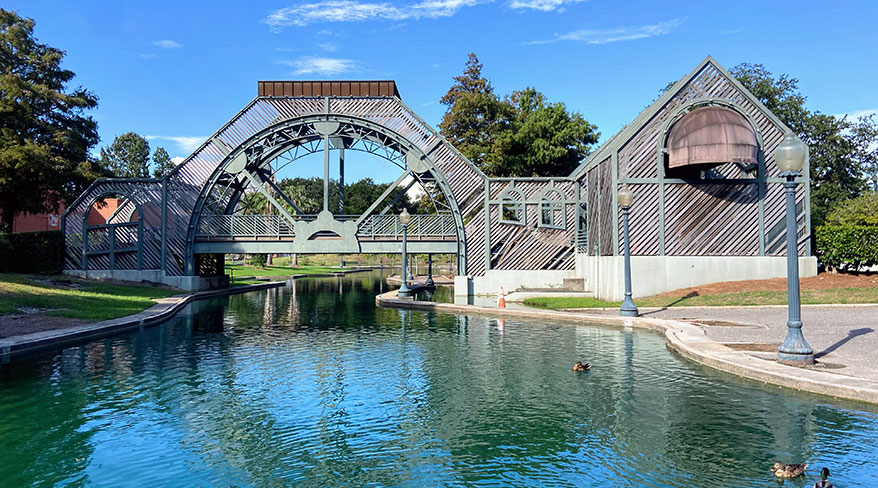
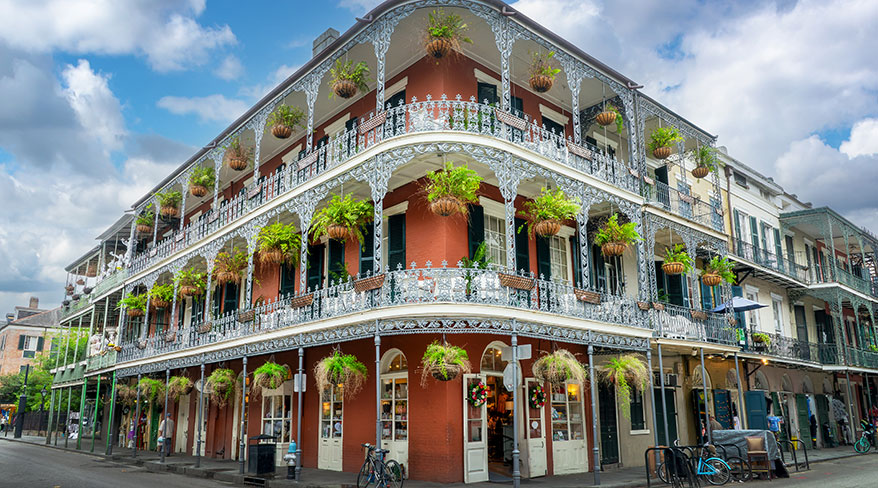
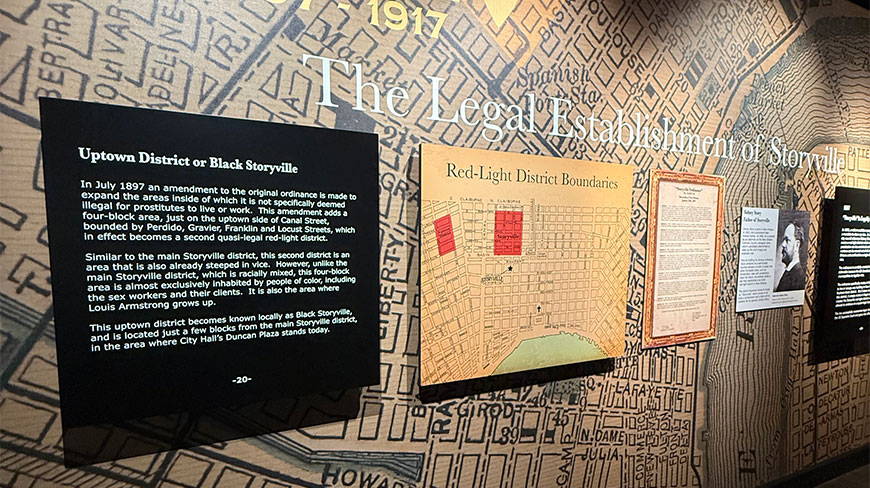
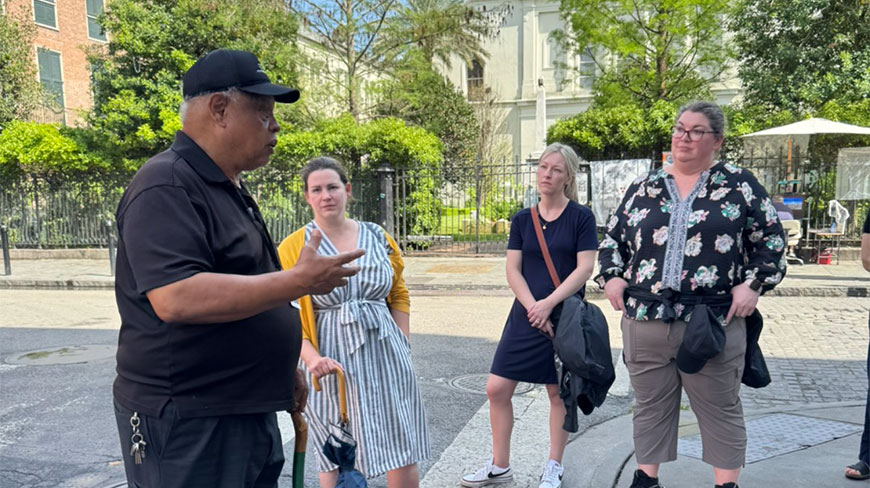
New Orleans — where historic roots intertwine with modern life and stories from the past come into focus in neighborhoods, music venues and cultural landmarks. On this learning adventure, explore the city’s role in the Civil Rights Movement and the impact of segregation on daily life and the evolution of jazz. Take field trips to museums and pivotal sites, and engage with local musicians and experts as you gain a deeper understanding of the city’s history and culture. Learn how segregation shaped the city — bringing African American and Creole musicians together to create jazz — and trace these stories through neighborhoods like the French Quarter and Tremé, one of the nation’s oldest African American communities. Gain a new perspective on significant moments in American history and discover how jazz reflects the multiculturalism and vitality at the heart of the Crescent City.
Best of all, you'll...
- Go behind the scenes at Preservation Hall and meet with a musician to hear stories about how the Civil Rights Movement impacted the venue and shaped the music that was played there.
- Take field trips to the TEP Center, the former site of one of the first integrated schools in New Orleans, and hear firsthand accounts of desegregation.
- Learn from experts at the Whitney Plantation, a historic site dedicated to interpreting the history of slavery from the perspective of enslaved people.
Featured Expert
Nellie Watson
Nellie Watson, a native New Orleanian, has always had a deep passion for the local environment. She has enjoyed sharing stories with Road Scholar for over 20 years, and is also a provider for aerial flightseeing tours of the endangered wetlands. With a background in architecture and a B.F.A. in environmental design, she began her career at two large international architectural firms, had her own residential design firm, and is currently is a professional model maker for major film productions like Marvel and Disney.
Please Note:
This expert may not be available for every date of the program
Activity Level
Keep the Pace
Small Group
(13 to 24)
Love to learn and explore in a small-group setting? These adventures offer small, personal experiences with groups of 13 to 24 participants.
Suggested Books and Resources
View Full List
You can also find many of the books we recommend at the Road Scholar store on bookshop.org, a website that supports local bookstores.
HAVE QUESTIONS?
Prefer to enroll or inquire by phone?
We can help. Give us a call, and we can answer all of your questions!
Call
800-454-5768
Helpful Links
Enroll with Confidence
Peace of Mind
We want your Road Scholar learning adventure to be something to look forward to—not worry about. That’s why we go to the ends of the earth to give you peace of mind, from the moment you enroll until the day you return home.

Assurance Plan
Road Scholar is committed to the well-being of every participant, whether on a program in the United States or abroad. That’s why all participants are covered under our Road Scholar Assurance Plan, which provides 24-hour assistance in the event of an emergency during your program, as well as insurance for emergency medical evacuation.

Want to Protect Your Investment?
Road Scholar is pleased to offer its Trip Protection Plan as a way to protect your program investment. You may purchase this optional trip protection plan when enrolling in your program.

Sustainable Travel
We offset a portion of the emissions created by your travel. Read about our commitment to a more sustainable planet.

- Peace of Mind
We want your Road Scholar learning adventure to be something to look forward to—not worry about. That’s why we go to the ends of the earth to give you peace of mind, from the moment you enroll until the day you return home.
- Assurance Plan
Road Scholar is committed to the well-being of every participant, whether on a program in the United States or abroad. That’s why all participants are covered under our Road Scholar Assurance Plan, which provides 24-hour assistance in the event of an emergency during your program, as well as insurance for emergency medical evacuation.
- Want to Protect Your Investment?
Road Scholar is pleased to offer its Trip Protection Plan as a way to protect your program investment. You may purchase this optional trip protection plan when enrolling in your program.
- Sustainable Travel
We offset a portion of the emissions created by your travel. Read about our commitment to a more sustainable planet.
1 of 4