
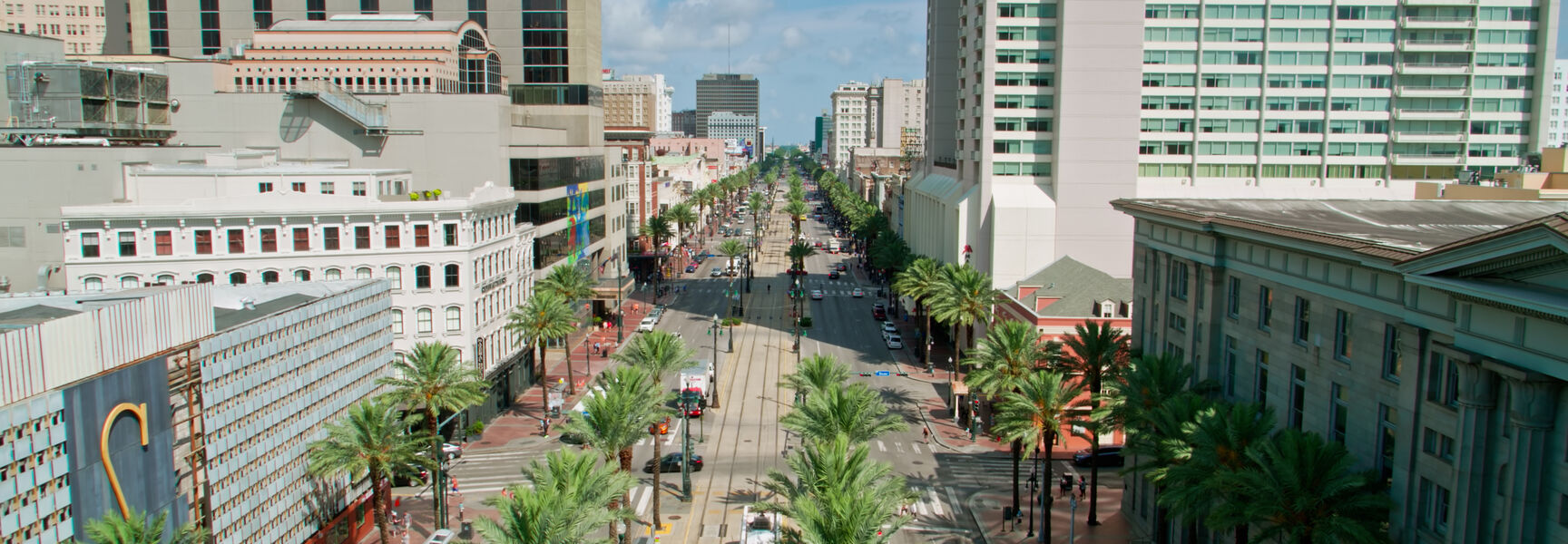
Louisiana
Rhythm of Resistance: Civil Rights & Jazz in New Orleans
Program No. 25672RJ
See More Photos
Rhythm of Resistance: Civil Rights & Jazz in New Orleans
Rhythm of Resistance: Civil Rights & Jazz in New Orleans
1 of 8
Itinerary
While we make every effort to ensure the accuracy of our published materials, programs are typically advertised more than a year prior to their start date.
Read More.
While we make every effort to ensure the accuracy of our published materials, programs are typically advertised more than a year prior to their start date. As a result, some program activities, schedules, accommodations, personnel, and other logistics occasionally change due to local conditions or circumstances. Should a major change occur, we will make every effort to alert you. For less significant changes, we will update you during orientation. Thank you for your understanding.
Duration
7 days
6 nights
What's Included
Included
15 meals (
5B, 1BR, 5L, 4D
)
4 expert-led lectures
12 expert-led field trips
2 performances
An experienced Group Leader
Taxes and customary gratuity
Road Scholar Assurance Plan
New Orleans, LA
Rhythm of Resistance: Civil Rights & Jazz in New Orleans
Nov 28 - Dec 4, 2027
Program Number
25672
Day
1
Check-in, Orientation, Welcome Dinner
Location:
New Orleans, LA
Meals:
D
Stay:
Drury Plaza Hotel New Orleans
Activity Note
Hotel check-in from 3:00 p.m. Remember to bring your name tag. Easy walking inside hotel; at your discretion if you’d like to go out.
Afternoon:
Program Registration & Orientation: 4:00 PM. Prior to departure, you’ll receive a digital welcome packet in your account with an up-to-date participant schedule that reflects room locations, last-minute changes, and other important information.
Once you arrive, and check-into the hotel, please make your way over to our welcome desk in the orientation room. The Group Leader will greet everyone and lead introductions. We will review the up-to-date program schedule, discuss roles and responsibilities, logistics, safety guidelines, emergency procedures, and answer questions.
Periods in the daily schedule designated as “Free time” and “At leisure” offer opportunities to do what you like and make your experience even more meaningful and memorable according to your personal preferences. Your group leader will be happy to provide suggestions. As a special bonus, we will provide vouchers to use at a popular jazz club, as well the Cabildo and Presbytère, part of the Louisiana State Museum.
Meet and Greet Cocktail Hour: 5:30 PM. Get to know your fellow Road Scholars with free food and drinks at the hotel kick-back. The hotel will provide drink tickets each evening from 5:30-7:00 PM.
Once you arrive, and check-into the hotel, please make your way over to our welcome desk in the orientation room. The Group Leader will greet everyone and lead introductions. We will review the up-to-date program schedule, discuss roles and responsibilities, logistics, safety guidelines, emergency procedures, and answer questions.
Periods in the daily schedule designated as “Free time” and “At leisure” offer opportunities to do what you like and make your experience even more meaningful and memorable according to your personal preferences. Your group leader will be happy to provide suggestions. As a special bonus, we will provide vouchers to use at a popular jazz club, as well the Cabildo and Presbytère, part of the Louisiana State Museum.
Meet and Greet Cocktail Hour: 5:30 PM. Get to know your fellow Road Scholars with free food and drinks at the hotel kick-back. The hotel will provide drink tickets each evening from 5:30-7:00 PM.
Dinner:
At the hotel.
Evening:
At leisure. Continue getting to know your fellow Road Scholars, settle in, and get a good night’s rest for the day ahead.
Day
2
Civil Rights Lecture & Museum, City Drive, Storyville Museum
Location:
New Orleans, LA
Meals:
B,L,D
Stay:
Drury Plaza Hotel New Orleans
Activity Note
Getting on/off a motorcoach with stairs; approximately 3 hours total riding time with stops. New Orleans’ sidewalks are narrow, uneven, bumpy, and contains potholes. Mobility devices like wheelchairs, walkers, and canes can be accommodated with careful navigation. Scooters cannot be accommodated. One must also be able to walk and stand in a museum for up to 1.5 hours. The walk to dinner is about 2 blocks and should take about 5 minutes in each direction.
Breakfast:
At the hotel.
Morning:
We will begin the day with an overview lecture by a local historian that goes into Civil Rights history, specifically in the New Orleans area and throughout Louisiana.
We will then board a motorcoach and make our way over to the Louisiana Civil Rights Museum for a self-directed exploration. Here we can experience history through archival videos and oral histories of marches, protests, and boycotts from the 19th century to present day.
Following the museum, we will then board the motorcoach and be joined by a local step-on expert who will take us on a visual journey through New Orleans’ Civil Rights Era. Along the way, we will drive through different neighborhoods that were impacted by Jim Crow. We will also stop by Dew Drop Inn, which was one of the most influential hotels and night clubs in the area that attracted African American singers, performers, and dancers. Due to segregation, different musicians would congregate here to play together. This helped lead to the development of rhythm and blues music in the city, which was a hotspot for both local and traveling musicians including Larry Darnell, Earl King, Allen Toussaint, Ray Charles, James Brown, Otis Redding, Ike & Tina Turner, and Little Richard.
We will then board a motorcoach and make our way over to the Louisiana Civil Rights Museum for a self-directed exploration. Here we can experience history through archival videos and oral histories of marches, protests, and boycotts from the 19th century to present day.
Following the museum, we will then board the motorcoach and be joined by a local step-on expert who will take us on a visual journey through New Orleans’ Civil Rights Era. Along the way, we will drive through different neighborhoods that were impacted by Jim Crow. We will also stop by Dew Drop Inn, which was one of the most influential hotels and night clubs in the area that attracted African American singers, performers, and dancers. Due to segregation, different musicians would congregate here to play together. This helped lead to the development of rhythm and blues music in the city, which was a hotspot for both local and traveling musicians including Larry Darnell, Earl King, Allen Toussaint, Ray Charles, James Brown, Otis Redding, Ike & Tina Turner, and Little Richard.
Lunch:
At a local restaurant in New Orleans.
Afternoon:
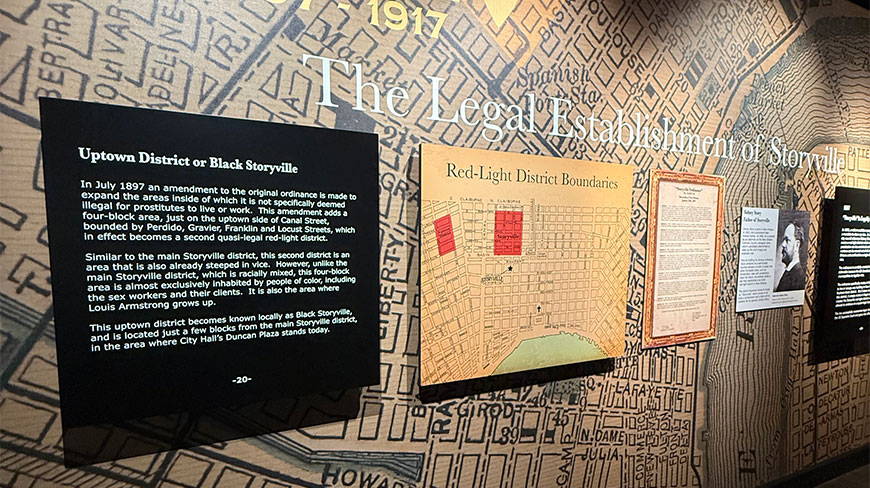
We will continue via motorcoach and stop by Storyville Museum. The history museum showcases New Orleans’ red light district. It was a neighborhood where brothels and jazz clubs flourished. It was also a place where the city tried to segregate Black sex workers and force them away from their businesses and homes. Here, we will learn about a Creole Madam named the “Countess” who sued the city, challenged Jim Crow, and won.
Dinner:
We will walk to a local restaurant near the hotel.
Evening:
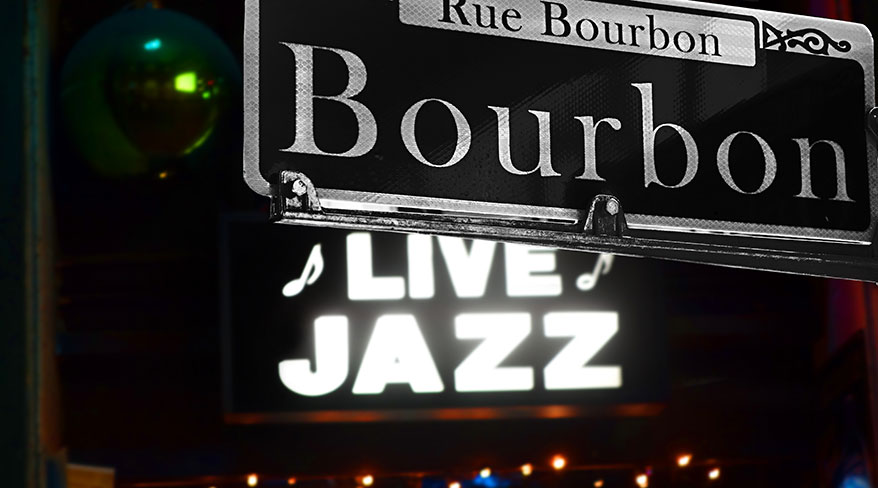
At leisure. Experience nightlife in the French Quarter. If you’re a music aficionado, there are lots of options. We have provided a voucher (drink included) for Mahogany Hall Jazz Club. The French Quarter has something to offer for almost every interest and taste.
Day
3
Jazz History Class, French Quarter Walk, Preservation Hall
Location:
New Orleans, LA
Meals:
B,L
Stay:
Drury Plaza Hotel New Orleans
Activity Note
Getting on/off a motorcoach with stairs. The French Quarter Music Walking field trip will require up to 1.5 hours of standing and walking with frequent stops. About 12 blocks of walking. New Orleans’ sidewalks are narrow, uneven, and bumpy, and contain potholes. Mobility devices like wheelchairs, walkers, and canes can be accommodated with careful navigation. Scooters cannot be accommodated. There will be seating inside Preservation Hall during the hour-long field trip.
Breakfast:
At the hotel.
Morning:
We will start the day with a jazz history class by a lecturer. We will learn how repressive segregation laws shaped New Orleans music scene, by pushing African Americans and Creoles together leading to new forms of jazz. We will also learn how music has been used over the years to bridge the gap beyond racial barriers, allowing platforms for musicians to express free speech and address social issues through their songs.
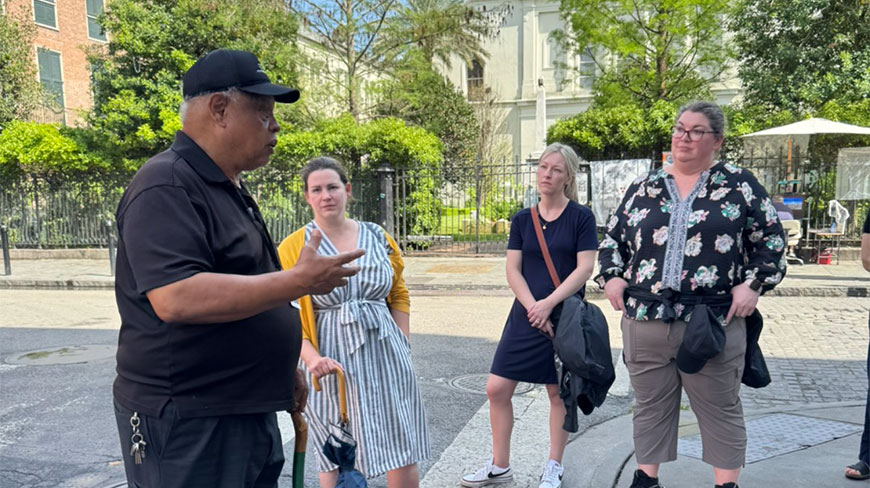
We will then go on a French Quarter musical walk. Our expert from yesterday’s motorcoach ride will return to talk about the lives of different local jazz musicians and play clips as we walk through the French Quarter.
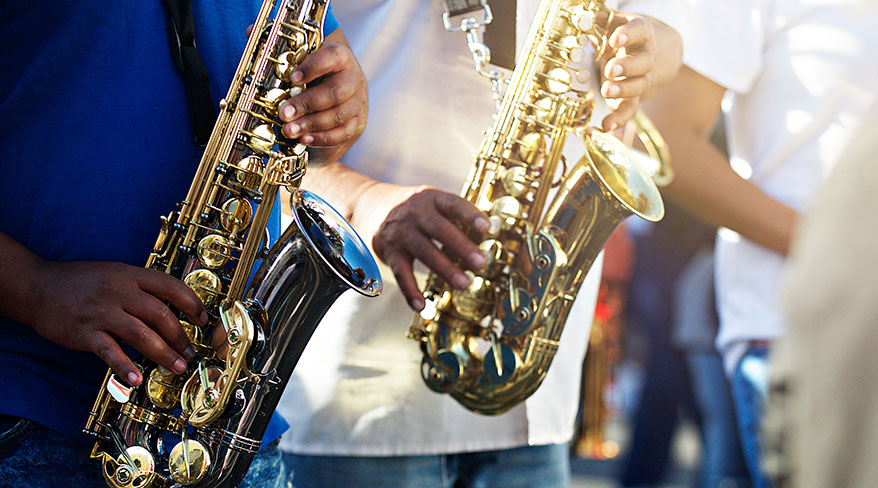
The morning will end at Preservation Hall. This famous jazz hall was a unique space where racially integrated bands and audiences could play and listen to music together. We will go on a special behind-the-scenes exploration of Preservation Hall to hear about the history of the club during the Jim Crow era; we will meet with a musician who will talk about what it was like to play during that tumultuous time.
We will then go on a French Quarter musical walk. Our expert from yesterday’s motorcoach ride will return to talk about the lives of different local jazz musicians and play clips as we walk through the French Quarter.
The morning will end at Preservation Hall. This famous jazz hall was a unique space where racially integrated bands and audiences could play and listen to music together. We will go on a special behind-the-scenes exploration of Preservation Hall to hear about the history of the club during the Jim Crow era; we will meet with a musician who will talk about what it was like to play during that tumultuous time.
Lunch:
We will eat lunch at a local restaurant in the French Quarter.
Afternoon:
The rest of the afternoon is free for you to explore New Orleans at your own pace. We have access to explore the Cabildo and Presbytère flanking St. Louis Cathedral in Jackson Square. All were constructed during the Spanish period (1795-1799). The Cabildo was the center of government. The Presbytère, built on the site of what had been the residence of Capuchin monks, was used for commercial purposes. Both are now key components of the Louisiana State Museum. The Cabildo displays artifacts of American history as well as rarities such as Napoleon’s death mask. The Presbytère’s interactive exhibit on Mardi Gras traces our annual celebration from its origins to the present day with an exquisite collection of artifacts and memorabilia. Another exhibit expresses Louisiana’s saga of resilience in the face of disasters, specifically Hurricane Katrina.
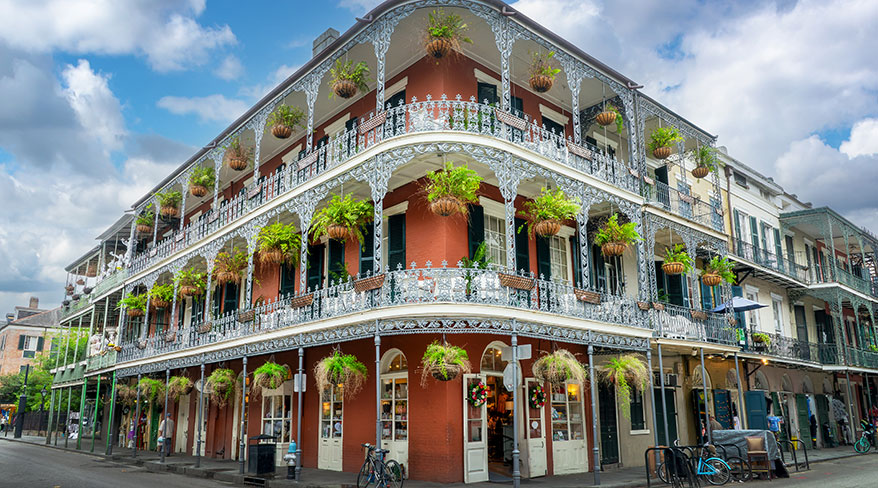
You might also like to stroll along Royal Street with its antique shops, visit the Audubon Aquarium of the Americas, or walk along the river front.
Please note, there will be a motorcoach available to take you back to the hotel directly after lunch if you do not wish to stay in Jackson Square.
You might also like to stroll along Royal Street with its antique shops, visit the Audubon Aquarium of the Americas, or walk along the river front.
Please note, there will be a motorcoach available to take you back to the hotel directly after lunch if you do not wish to stay in Jackson Square.
Dinner:
This meal has been excluded from the program cost and is on your own to have what you like. The Group Leader will be happy to offer suggestions.
Evening:
At leisure. Enjoy more of the New Orleans' night life, music and culture or have a night in and relax at the hotel.
If you haven't used it yet, your voucher for Mahogany Hall Jazz Club is good any night of the week.
If you haven't used it yet, your voucher for Mahogany Hall Jazz Club is good any night of the week.
Day
4
Mardi Gras Indian Class, Tremé Neighborhood
Location:
New Orleans, LA
Meals:
B,L
Stay:
Drury Plaza Hotel New Orleans
Activity Note
Getting on/off a motorcoach with stairs. One must be able to stand for about 2.5 hours while going between museums. The walk between each of the museums is about 2.5 blocks. New Orleans’ sidewalks are narrow, uneven, and bumpy, and contain potholes. Mobility devices like wheelchairs, walkers, and canes can be accommodated with careful navigation. Scooters cannot be accommodated. Both the lecture and jazz show may require up to an hour of sitting.
Breakfast:
At the hotel.
Morning:
At the hotel, we will have a class on how segregation led to the creation of Mardi Gras Indians by forcing African Americans to find alternate ways to participate in Carnival.
We will then make our way via motorcoach to the Tremé neighborhood, one of the oldest African American communities in the United States. The Tremé was a melting pot of African American and Creole cultures and was one of the first places in the South where free people of color and formerly enslaved people were allowed to own properties.
We will begin our exploration of the Tremé by walking over to the Backstreet Cultural Museum for a docent-led exploration. The museum exhibits costumes, artifacts, souvenirs, and film clips of Mardi Gras Indians. It showcases their creative brilliance and how people could live triumphantly beyond slavery, and disenfranchisement when racial barriers were put in place to hold them back. The museum also displays information about jazz funerals, a very unique cultural tradition in New Orleans.
Next, our group will walk over to Tremé’s Petite Jazz Museum. Here we will have an audiovisual experience and learn about the history of jazz through its African and Caribbean roots. Through unique memorabilia, instruments, and artwork, the curator will lead us through the pioneers of jazz and the global factors that influenced the genre’s development.
Note: Due to the small size of both of these museums, the group will need to split in half; the order one visits the museums may be opposite depending on which museum you visit first.
We will then make our way via motorcoach to the Tremé neighborhood, one of the oldest African American communities in the United States. The Tremé was a melting pot of African American and Creole cultures and was one of the first places in the South where free people of color and formerly enslaved people were allowed to own properties.
We will begin our exploration of the Tremé by walking over to the Backstreet Cultural Museum for a docent-led exploration. The museum exhibits costumes, artifacts, souvenirs, and film clips of Mardi Gras Indians. It showcases their creative brilliance and how people could live triumphantly beyond slavery, and disenfranchisement when racial barriers were put in place to hold them back. The museum also displays information about jazz funerals, a very unique cultural tradition in New Orleans.
Next, our group will walk over to Tremé’s Petite Jazz Museum. Here we will have an audiovisual experience and learn about the history of jazz through its African and Caribbean roots. Through unique memorabilia, instruments, and artwork, the curator will lead us through the pioneers of jazz and the global factors that influenced the genre’s development.
Note: Due to the small size of both of these museums, the group will need to split in half; the order one visits the museums may be opposite depending on which museum you visit first.
Lunch:
We will dine at the famous Dooky Chase restaurant. After opening its doors in 1941, the restaurant soon became a meeting place for civil rights activists to discuss issues in the African American community. Leaders like Martin Luther King Jr. would dine at Dooky Chase, while coming up with protest strategies. The restaurant was also a place where local musicians and entertainers would congregate and share ideas. has since been a meeting place for music and entertainment, civil rights activists, and culture in New Orleans.
Afternoon:
Following lunch, we will make our way via motorcoach over to Saint Augustine Catholic Church. Established by the free people of color in 1842, the church was open to all walks of life, which led to one of the most integrated congregations in the country. We will have a docent-led exploration of the property and learn about the church’s history and its importance to the local community.
We will then return to the hotel via motorcoach.
We will then return to the hotel via motorcoach.
Dinner:
On your own this evening to experience any cuisine you desire.
Evening:
At leisure. Experience more New Orleans night life, music, and culture. The French Quarter really does have something to offer for almost every interest and taste.
Day
5
Whitney Plantation, African American Museum
Location:
New Orleans, LA
Meals:
B,L,D
Stay:
Drury Plaza Hotel New Orleans
Activity Note
Getting on/off a motorcoach with stairs; driving 46 miles each way, approximately 2 hours riding time. Walking about 1 mile at plantation, approximately 1.5 hours on paths, sometimes over grass. One must be able to stand for up to 1.5 hours in the African American Museum. Walking 5.5 blocks to/from dinner. New Orleans’ sidewalks are narrow, uneven, bumpy, and may contains potholes.
Breakfast:
At the hotel.
Morning:
We will start the day with an expert-led field trip at Whitney Plantation. An active plantation from 1752 to 1975, the plantation museum contains many original historical structures, which are now a part of the National Register of Historic Places. The museum is dedicated to educating the public about the history of slavery in the U.S. and this site that produced indigo, sugar, and rice for over 200 years. Please note, Whitney Plantation is located about an hour away from New Orleans.
Lunch:
At a local restaurant in New Orleans.
Afternoon:
Next, we will go on an expert-led exploration of the New Orleans African American Museum. The museum exhibits art, culture, and history of the local African American community. It also houses a large gallery on the evolution of jazz.
Dinner:
At a restaurant located near our hotel.
Evening:
At leisure. One more opportunity to hit the town and enjoy New Orleans jazz.
Day
6
Climate Change Talk, TEP Center, Sculpture Garden, Jazz Show
Location:
New Orleans, LA
Meals:
B,L,D
Stay:
Drury Plaza Hotel New Orleans
Activity Note
Getting on/off a motorcoach with stairs; approximately 2 hours total riding time spread out over the day with stops. One must also be able to stand for about 1.5 hours in the TEP Center. City Park’s Sculpture Garden will have some park benches for sitting. The jazz hall will require about 1 hour of sitting.
Breakfast:
At the hotel.
Morning:
At the hotel, we will have a class on climate change. The lecture will give an environmental perspective of the area’s historical land development. We will also hear about the impacts of Hurricane Katrina and its aftermath, as well as the catastrophic ecosystem collapse occurring along the southern border of the state and how that has impacted marginalized communities.
Following the lecture, we will make our way by motorcoach to the 9th Ward and the Tate, Etienne, Prevost (TEP) Center. A pioneer in Civil Rights history, at the age of 6, Leona Tate was one of the first African American girls to integrate into a white school system. It caused such an uproar that she and two other girls had to be escorted by U.S. marshals to go to their elementary school (McDonogh 19).
At the TEP Center, at the former site of the McDonough 19 Elementary School, we will have a field trip and talk by either Dr. Tate or one of her colleagues on her experience, as well as the TEP Center’s initiative to combat racism and educate people about Civil Rights history.
Following the lecture, we will make our way by motorcoach to the 9th Ward and the Tate, Etienne, Prevost (TEP) Center. A pioneer in Civil Rights history, at the age of 6, Leona Tate was one of the first African American girls to integrate into a white school system. It caused such an uproar that she and two other girls had to be escorted by U.S. marshals to go to their elementary school (McDonogh 19).
At the TEP Center, at the former site of the McDonough 19 Elementary School, we will have a field trip and talk by either Dr. Tate or one of her colleagues on her experience, as well as the TEP Center’s initiative to combat racism and educate people about Civil Rights history.
Lunch:
We will dine at a local restaurant in the French Quarter.
Afternoon:
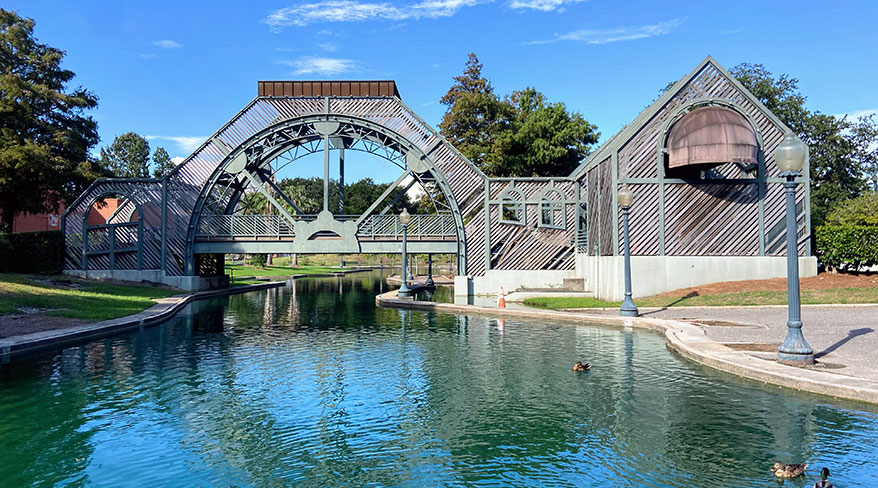
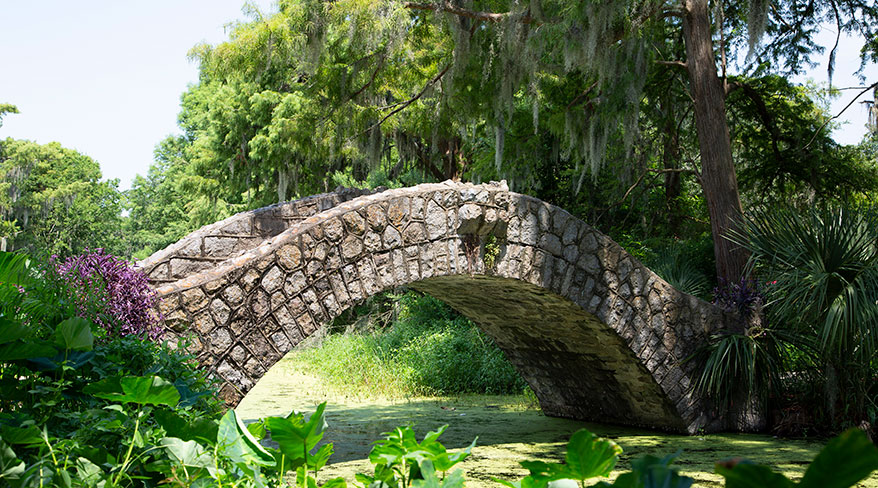
We will travel by motorcoach to City Park, known for its magnificent oak trees and sculpture garden. We will spend time walking around, looking at the sculptures, and relaxing a bit before heading back to the hotel.
Dinner:
At a fine New Orleans eatery. Share favorite experiences and enjoy camaraderie with new Road Scholar friends during our farewell dinner.
Evening:
We will conclude the evening by going to a jazz show at a nearby club.
Later in the evening, back at the hotel, prepare for check out and departure following our morning brunch.
Later in the evening, back at the hotel, prepare for check out and departure following our morning brunch.
Day
7
Jazz Brunch, Program Concludes
Location:
New Orleans, LA
Meals:
BR
Activity Note
Getting on/off a motorcoach. Hotel check-out by 12:00 Noon.
Brunch:
We will board a motorcoach and make our way to the celebrated Court of Two Sisters. We will settle in for a true New Orleans delight, the jazz brunch, offering tasty hot and cold New Orleans favorites from eggs any style to Creole jambalaya, grits and grillades, gumbo, classic desserts, and much more. Tap your toes to the music of the restaurant’s resident jazz trio. Enjoy this final dining and musical experience with a broader and deeper understanding and appreciation of our city, the one and only New Orleans. Please note that the jazz brunch will occur between 9:00-10:30 a.m. We will then take our motorcoach back to the hotel. We have a late hotel check-out at Noon. (Their standard check-out is 11:00 a.m.) Please plan your flights accordingly. This concludes our program. If you are returning home, safe travels. If you are staying on independently, have a wonderful time. If you are transferring to another Road Scholar program, detailed instructions are included in your Information Packet for that program. We hope you enjoy Road Scholar learning adventures and look forward to having you on rewarding programs in the future. Don’t forget to like our Facebook page and follow us on Instagram. Best wishes for all your journeys!
Please select a day to update the map
Map details are not available for this location.