
Grand Teton National Park
- Most Popular
- Relevance
- Price
- Start Date
- Title Asc
- Title Desc
Grand Teton National Park Tours
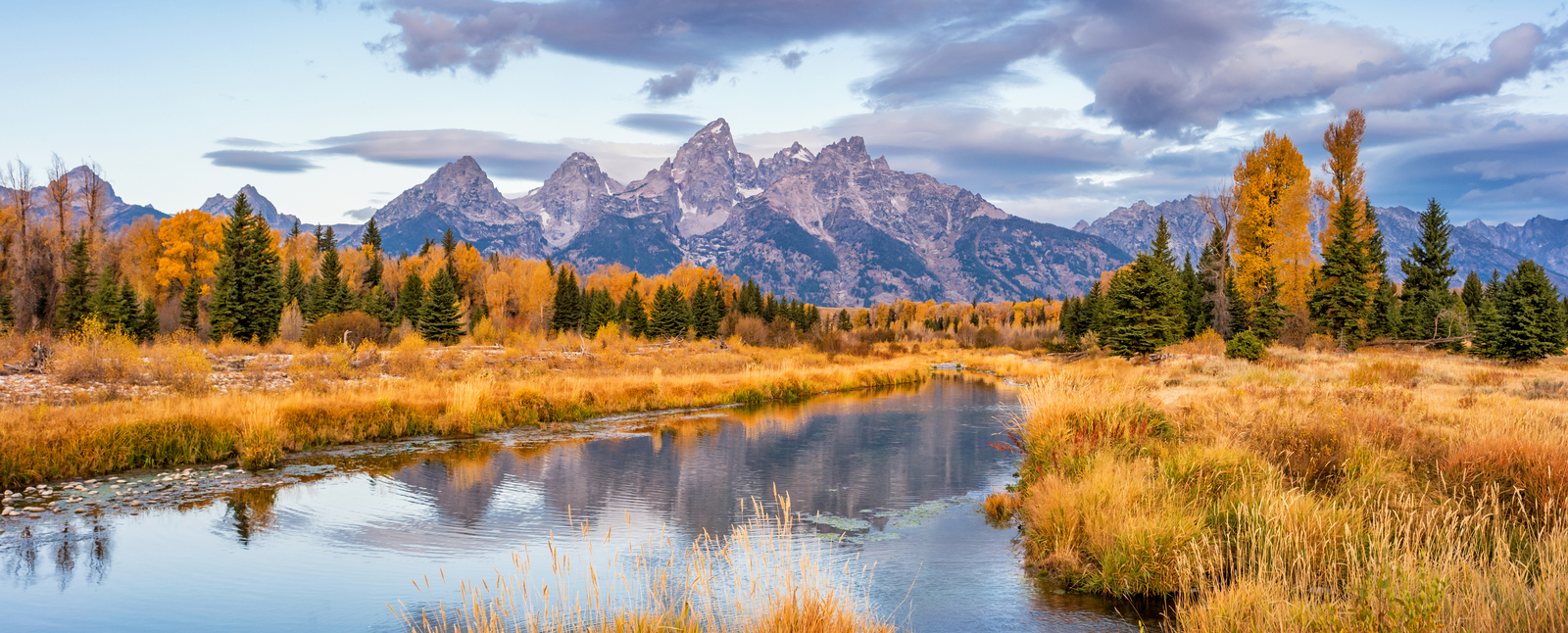
Grand Teton National Park tours offer the chance to experience this spectacular landscape with the guidance of experts who understand its geology, ecology and cultural history. Whether you're drawn to the park's towering peaks, its abundant wildlife or the chance to hike through some of the West's most pristine wilderness, a guided adventure helps you discover layers of meaning you might miss on your own.
Explore Grand Teton National Park with Experts
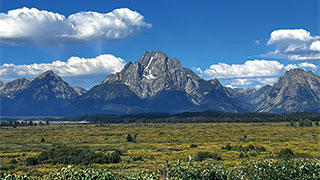
The Tetons tell a geological story millions of years in the making. These mountains are young by geological standards — still rising, still sharp-edged, not yet worn down by erosion. Understanding how they formed, why they look the way they do and how glaciers carved the valleys transforms a beautiful view into something even more remarkable.
With Grand Teton guided tours, local experts help you understand the story written in the landscape. Geologists explain the forces that pushed these mountains skyward and the glaciers that shaped the canyons. Naturalists point out how plants adapt to life at different heights. You'll start noticing details you'd otherwise miss — the piles of debris left by ancient glaciers, the distinct shapes of different evergreens and the way wildflowers change with altitude and temperature.
Wildlife Tours in Grand Teton National Park
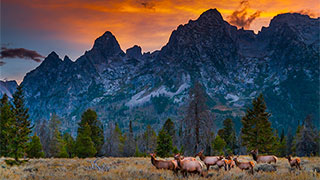
Few places in the Lower 48 offer wildlife viewing to match the Tetons. The park protects critical habitat for an astonishing variety of species, from massive moose to tiny pikas, from soaring eagles to elusive mountain lions.
Wildlife tours in Grand Teton National Park are timed and routed to maximize your chances of memorable encounters. Early morning and dusk are prime times for spotting animals, and knowledgeable guides know the best locations for different species. The sagebrush of Antelope Flats often host pronghorn, the fastest land mammals in North America. Willow Flats near Jackson Lake is prime moose habitat. Oxbow Bend, with its beaver ponds and wetlands, attracts everything from river otters to great blue herons.
Why Choose a Guided Tour in Grand Teton National Park?
You could explore the Tetons on your own, but there's real value in going with someone who knows these mountains inside and out. Here's what makes guided adventures worth considering.
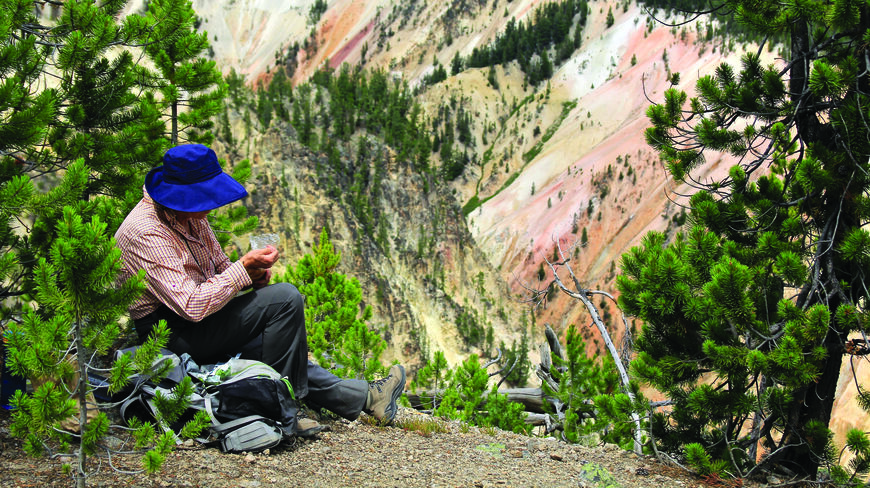
Safety is a big one. The Tetons aren't a walk in the park. Weather can turn on a dime, you might encounter bears, and some trails are pretty remote. Our guides have wilderness first aid training, know what to do if you spot a bear and can read the sky to anticipate storms. They carry emergency equipment and communication devices. For Grand Teton National Park hiking tours, this expertise means you can focus on the experience rather than worrying about navigation or safety concerns.
Learning deepens appreciation. You could spend weeks reading about Teton geology, ecology and history, or you could learn from someone who's spent years studying these mountains.
Logistics become simple. Parking at popular trailheads fills early. Permits for certain areas require advance planning. Knowing which trails suit different fitness levels and weather conditions takes local knowledge. Our national park tours handle these details, leaving you free to immerse yourself in the experience.
The Tetons connect to a broader ecosystem. The park doesn't exist in isolation. It's part of the Greater Yellowstone Ecosystem, one of Earth's last nearly intact temperate ecosystems. Understanding these connections enriches your visit. Our Northwest national park adventures often combine the Tetons with nearby parks, showing how these landscapes relate to each other.
Benefits of Small Group Grand Teton Tours
Group size makes a bigger difference than most people think. When tours get too large, the experience changes. It can be hard to hear the guide, asking questions feels awkward and the schedule tends to move at one set pace, whether it fits the group or not. Large crowds also leave a heavier footprint on trails and sensitive wildlife areas.
Smaller Grand Teton tours feel different from the start. With around 15 to 20 people, you can actually hear the naturalist without straining. Conversations happen naturally. People share what they’re noticing. It starts to feel less like a lecture and more like a shared experience, where everyone adds something to the day.
There’s also more room to be spontaneous. If someone spots a moose in the trees or a patch of wildflowers worth a closer look, the group can pause without it turning into a production. If the weather shifts, plans can shift with it. The day flows with the energy and interests of the group instead of sticking to a rigid timetable.
Wildlife encounters tend to be better, too. Smaller, quieter groups are simply less disruptive. Animals are more likely to stick around when there isn’t a large crowd gathering around them. That means you can observe elk or even bears from a respectful distance without pushing them away.
Small groups also foster friendships. Shared experiences in spectacular landscapes create bonds among participants. Many Road Scholars stay in touch long after their adventures end, sometimes planning future trips together. For those seeking a gentler pace, our easy-paced national park tours maintain small group benefits while accommodating different mobility levels and stamina.
Plan Your Grand Teton National Park Tour with Road Scholar
Road Scholar brings more than 50 years of educational travel experience to the Tetons. Our programs are designed for curious adults who want to truly understand the places they visit, not just photograph them.
A lot of our Grand Teton trips also include time in nearby Yellowstone, so you get to experience more of the Greater Yellowstone ecosystem in one seamless journey. Visiting Yellowstone alongside the Tetons through our Yellowstone National Park tours gives you a deeper appreciation for how these neighboring landscapes work together to sustain some of North America’s most iconic wildlife.