
Experience Asia
No two corners of Asia are alike, yet each offers a deeper understanding of the people, traditions and histories that have shaped the region for centuries. Whether you're exploring India, Bhutan, China or Southeast Asia, these programs invite you to learn through meaningful experiences and expert insight.
- Most Popular
- Relevance
- Price
- Start Date
- Title Asc
- Title Desc

Asia Tours & Educational Adventures
From the ancient temples of Kyoto to the river palaces of Rajasthan and the stone cities of Angkor, each expert-led learning adventure connects you with the people, traditions and histories that have shaped Asia for millennia.
Whether you're drawn to the incense-filled alleyways of Kathmandu, the terraced rice fields of Bali or the bullet-train corridors of modern Japan, Road Scholar's Asia programs invite you to go deeper. Across East Asia, Southeast Asia and South Asia, spanning Japan, China, Tibet, India, Bhutan, Nepal, Thailand, Vietnam, Cambodia, Laos, Singapore, Indonesia and beyond, our expert instructors and local scholars bring every landscape, UNESCO site and culture into vivid context.
Best Small Group Tours to Asia
Road Scholar's small-group Asia tours are built for curious adults who want more than a surface-level encounter with the world's most extraordinary region. With intimate groups and expert instructors leading every step, you'll experience a depth of connection with cultures, communities and history that simply isn't possible in a conventional setting.
At Road Scholar, "small group" is more than a phrase. Our Small Group programs keep participant numbers intentionally limited, and our Micro Group programs takes that further still, creating an even more personal learning dynamic. That intimacy opens doors: to local homes, to scholarly conversations, to experiences well off the standard path.
Our Small-Group Asia Programs
- The Best of Southeast Asia: Thailand, Laos, Cambodia & Vietnam — A sweeping expedition across four distinct cultures, from the golden temples of Chiang Mai to the ancient ruins of Luang Prabang and the living history of Hanoi. This journey rewards the curious mind at every turn.
- The Best of India: Treasures of the North and South — Explore the full spectrum of the subcontinent, from Mughal grandeur in the north to the temple cities and backwaters of the south, guided by expert instructors with deep local knowledge.
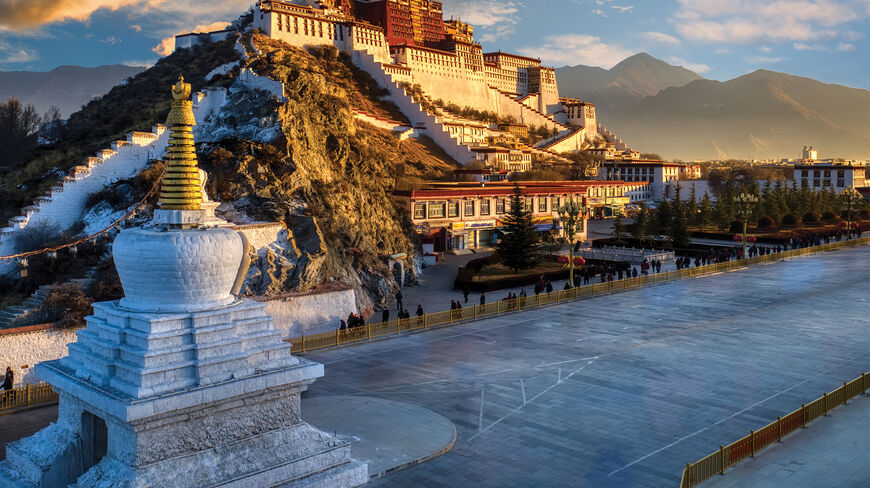
- The Best of Bhutan: Hidden Treasures of a Himalayan Kingdom — One of our highest-rated programs anywhere in the world. Bhutan's dzongs, monasteries and mountain valleys are best understood with expert context, and this journey provides it in abundance.
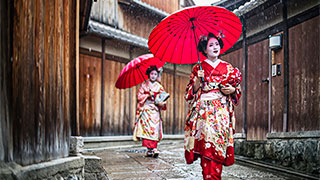
- The Best of Japan: A Contrast in Tradition and Innovation — Japan rewards the attentive traveler. This program moves between centuries-old temples, thriving art districts and living cultural traditions with the expert-guided depth they deserve.
- Angkor Wat & the Mekong River: The Wonders of Cambodia & Vietnam — A focused journey into two of Southeast Asia's most compelling destinations, anchored by the extraordinary temple complex of Angkor Wat and the slow, storied Mekong River.
Best Time to Visit Asia
The best time to visit most of Asia is during the spring (March to May) and autumn (September to November), when skies are clear and temperatures are comfortable across much of the continent, making those seasons ideal for a learning adventure of any kind.
That said, Asia is vast, and timing varies meaningfully by sub-region. Here's a quick guide to help you plan:
- Japan: March to May for cherry blossoms, and October to November for autumn foliage.
- China: April to May and September to October bring mild, clear conditions that are ideal for city exploration and river journeys.
- India: October to March, the cool, dry season, offers the best visibility and the most comfortable temperatures across both the North and South.
- Nepal, Bhutan and Tibet: March to May and September to November are ideal, when mountain views are clearest and high trails and passes are accessible.
- Southeast Asia (Thailand, Vietnam, Cambodia and Laos): November to February, the dry season, brings lower humidity, cooler temperatures and fewer monsoon disruptions.
- Indonesia (Bali and Flores): April to October, the dry season, offers the best conditions for island expeditions and coastal exploration.
Traveling just outside peak months, such as early March in Japan or October in India, often means thinner crowds at major landmarks and a quieter, more contemplative atmosphere at historical sites. Our expert-led programs are scheduled to take advantage of the best seasonal windows in each destination.
Best Places to Visit in Asia
Asia encompasses some of the most culturally rich, historically layered and naturally breathtaking destinations on Earth. Whether you're drawn to ancient civilizations, Himalayan kingdoms, temple-studded jungles or living traditions that have endured for thousands of years, the continent delivers without equal. Here are some of the most rewarding destinations for the thoughtful, curious traveler.
Kyoto & Western Japan
Kyoto is a living museum of temples, shrines, Zen gardens and centuries-old traditions, where sacred pilgrimage routes, bamboo groves and mountain paths offer a depth of cultural encounter found nowhere else in the world.
Rajasthan & the Golden Triangle, India
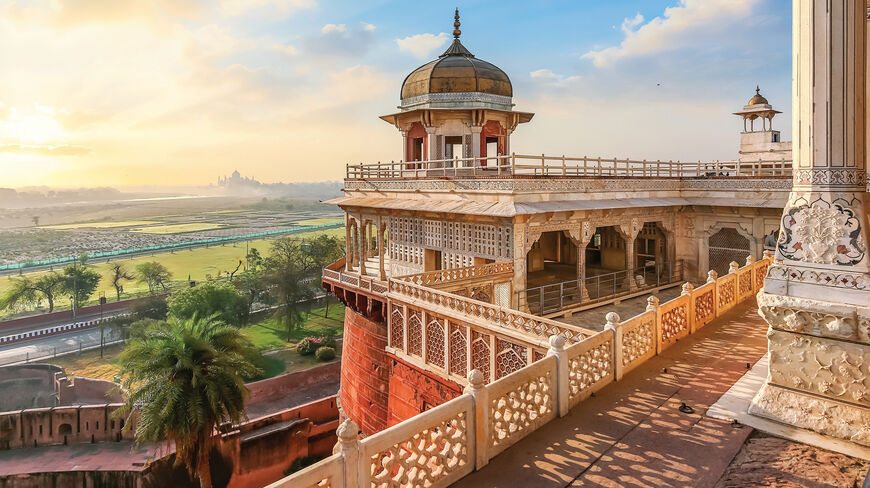
The Golden Triangle of Delhi, Agra and Jaipur introduce India at its most magnificent: Mughal palaces, the white marble wonder of the Taj Mahal and the pink-walled bazaars of Rajasthan, where every fort and haveli tells the story of a royal dynasty.
Angkor, Cambodia
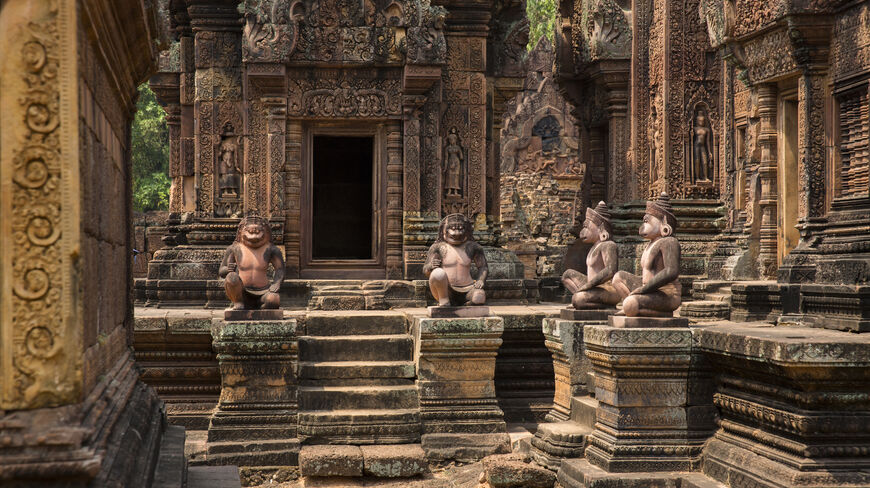
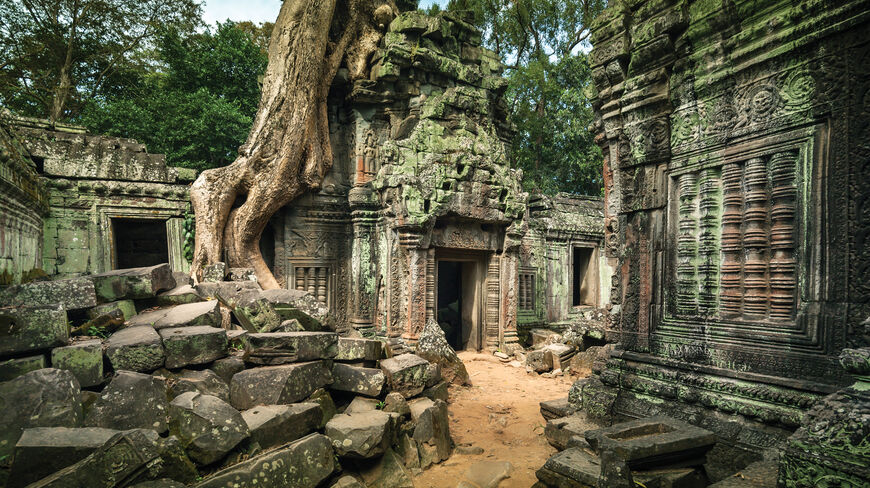
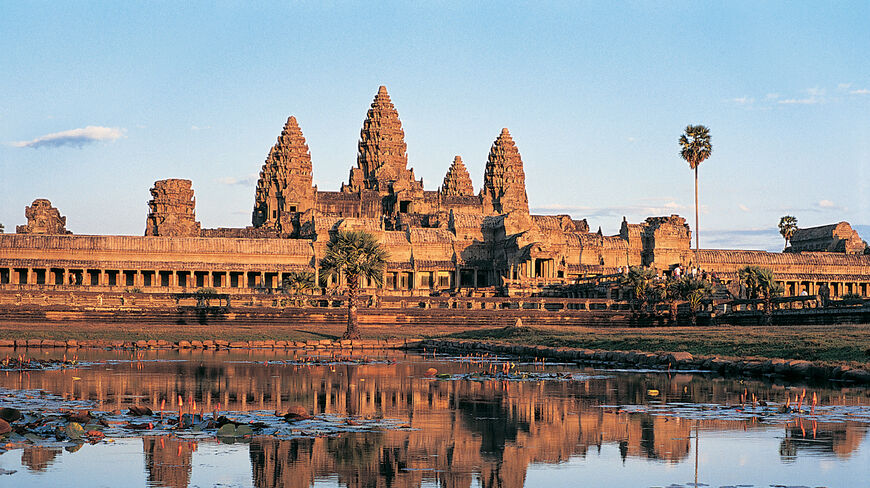
Angkor Wat is the largest religious monument on Earth, a 12th-century temple city rising from the Cambodian jungle, its towers and bas-reliefs representing the full cosmological vision of the Khmer Empire at the height of its power.
Hanoi to Ho Chi Minh City, Vietnam
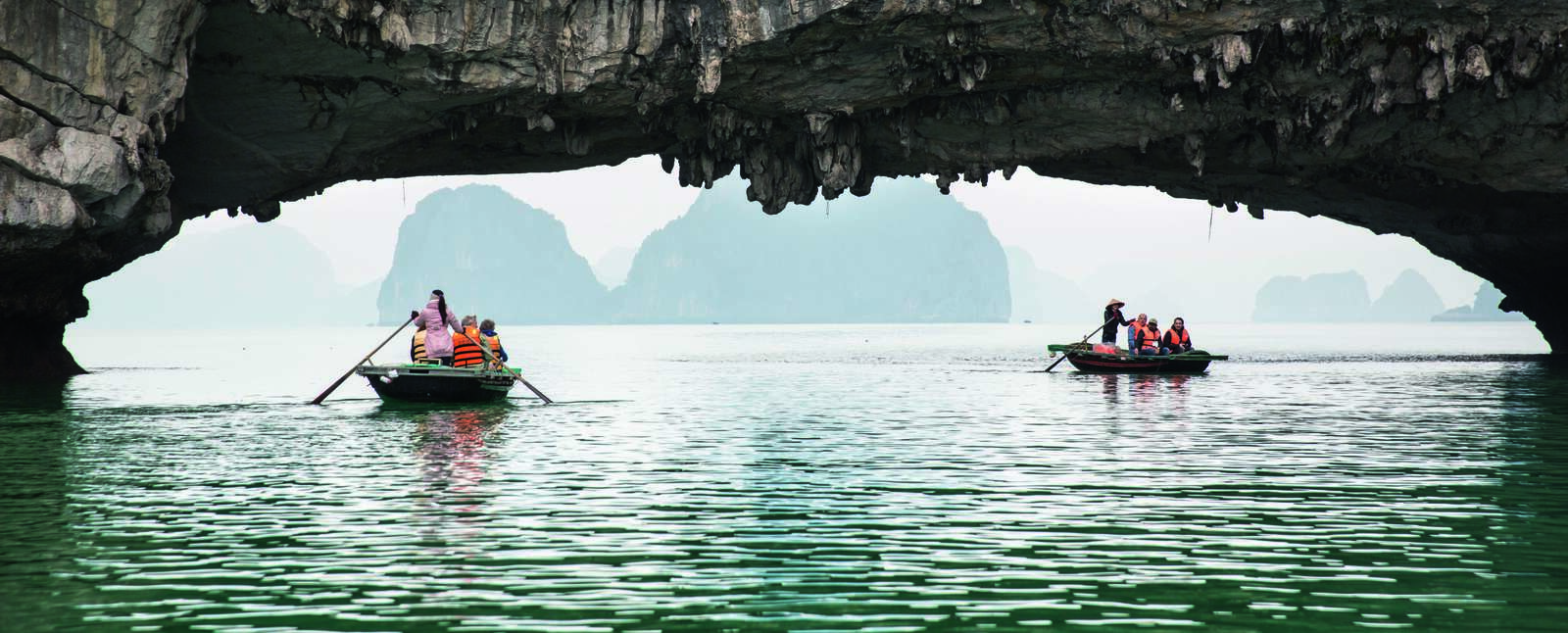
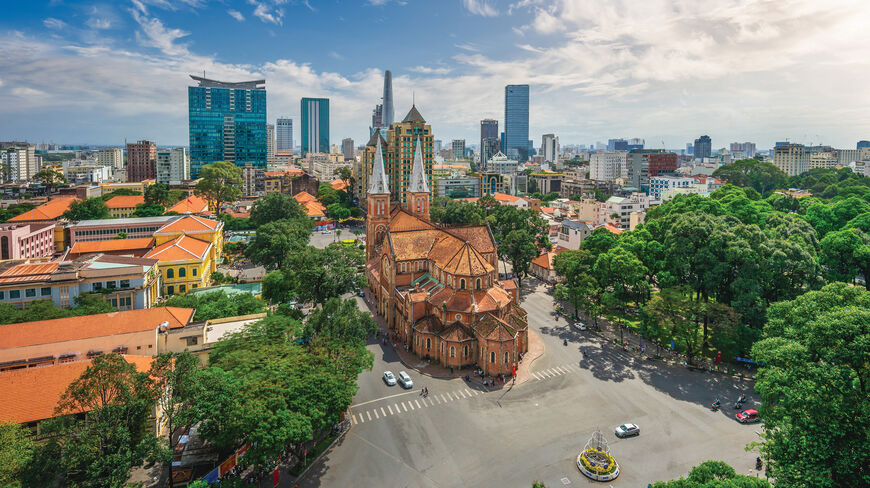
Vietnam's diversity runs the full length of the country, from the limestone karsts of Halong Bay and the ancient trading port of Hoi An to the exhilarating energy of Hanoi and the riverine dynamism of Ho Chi Minh City.
Kathmandu Valley & the Himalayas, Nepal
The Kathmandu Valley holds three ancient royal cities, each centered on a durbar square surrounded by intricately carved temples, with the snow-capped Himalayas and eight of the world's 10 highest peaks rising on the horizon.
Bhutan
Bhutan measures national progress by "Gross National Happiness," preserving its forests, traditions and way of life with a rare intentionality. Its dramatic dzong fortresses and the legendary Tiger's Nest Monastery, clinging to a cliff face 3,000 feet above the valley floor, make it one of the most singular destinations on Earth.
Bangkok, Thailand & the Malay Peninsula
Bangkok's ornate temples and royal palaces rise beside glass towers and morning markets, and the journey south through Thailand, Malaysia and Singapore traces centuries of trade, migration and cultural exchange across a landscape of extraordinary diversity.
Seoul & Gyeongju, South Korea
South Korea seamlessly blends the futuristic skyscrapers and historic Joseon-era palaces of Seoul with Gyeongju, an ancient dynastic capital of royal tombs, temples and archaeological treasures.
Bali & the Indonesian Islands
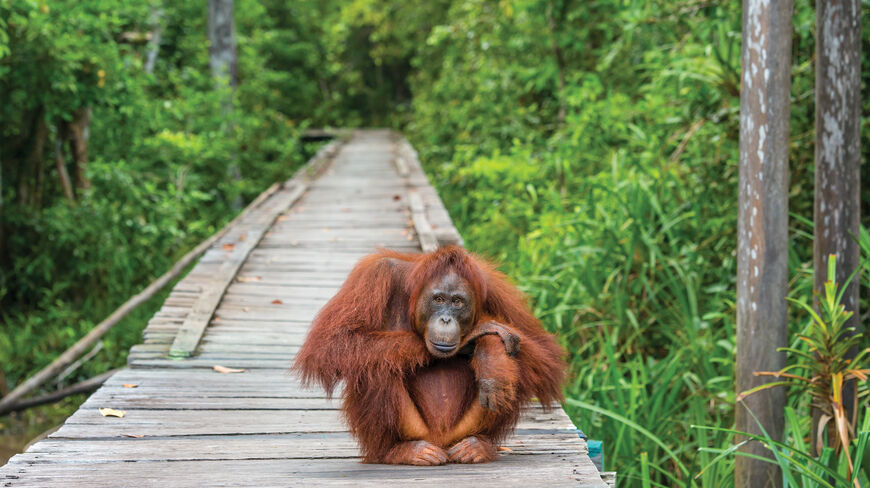
Bali's terraced rice fields, daily offerings and living dance traditions make it as much a study in living religion as a feast for the senses, while the broader archipelago extends to the volcanic highlands of Java.
China & the Yangtze River
China's historical depth spans the Great Wall, the Terracotta Army, the Forbidden City and the Yangtze River, threading through gorges and temple-dotted cliffs that have inspired Chinese literature, philosophy and art for 3,000 years.
Asia Historical Sites & Landmarks
Asia is home to some of the world's most significant historical sites: ancient cities, imperial monuments, sacred mountain strongholds and UNESCO World Heritage landscapes that represent the full sweep of human civilization across thousands of years. What sets a Road Scholar learning adventure apart at each of these sites is context. Our expert instructors and local scholars bring history to life with the depth and nuance that transforms a visit to a famous monument into a genuinely educational encounter.
Angkor Wat, Cambodia (UNESCO World Heritage Site)
Built in the early 12th century under King Suryavarman II, Angkor Wat is the largest religious monument ever constructed, a temple-mountain representing Mount Meru and surrounded by a moat symbolizing the primordial ocean. Its bas-reliefs span nearly half a mile and depict scenes from the Hindu epics and the military campaigns of the Khmer Empire with remarkable artistry.
The Taj Mahal & the Forts of Rajasthan, India (UNESCO World Heritage Sites)
The Taj Mahal, built by Shah Jahan as a mausoleum for his wife Mumtaz Mahal, is one of the supreme achievements of world architecture, its white marble surfaces shifting through pink, gold and silver with the changing light. The Red Fort of Agra and the hilltop forts of Rajasthan trace the evolution of Mughal and Rajput power, their walls enclosing palaces and gardens that speak to centuries of royal ambition and artistic refinement.
The Great Wall & the Terracotta Army, China (UNESCO World Heritage Sites)
The Great Wall is an overlapping series of walls and fortifications built across multiple dynasties over more than 2,000 years, at once a feat of engineering, a statement of imperial will and a haunting landscape in its own right. The Terracotta Army near Xi'an numbers more than 8,000 individual warrior figures, each with distinct facial features, buried to accompany the first Emperor of China into the afterlife.
Kara Korum & Erdene Zhu Monastery, Mongolia (UNESCO World Heritage Sites)
Kara Korum was the legendary 13th-century capital of Genghis Khan's sprawling nomadic empire, located in the historic Orkhon Valley. Nearby stands Erdene Zhu, Mongolia's oldest surviving Buddhist monastery, constructed in the 1580s using stone ruins from the ancient capital.
Kyoto's Temples & Shrines, Japan (UNESCO World Heritage Sites)
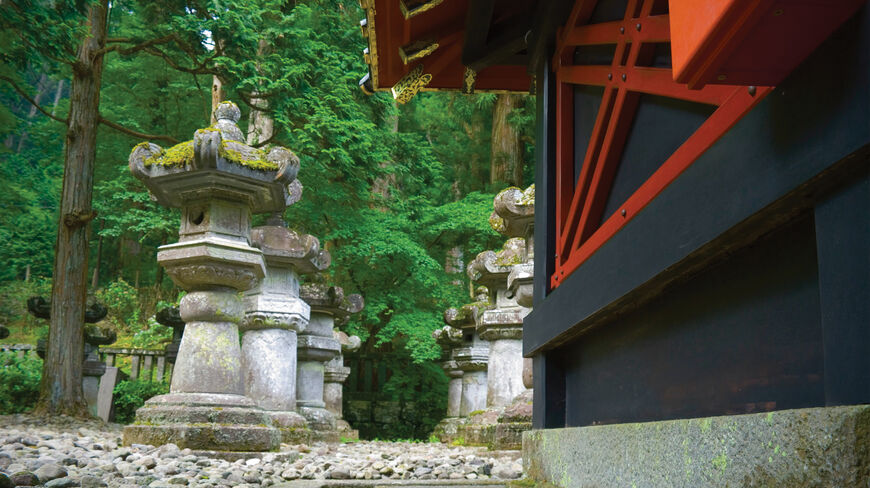
Kyoto served as Japan's imperial capital for more than a millennium, and its 17 UNESCO-listed sites, among them Kinkaku-ji, Ryoan-ji and Fushimi Inari Shrine, represent the full arc of Japanese aesthetic culture, from the austere simplicity of Zen Buddhism to the architectural drama of the Heian period.
Bulguksa Temple & Gyeongju, South Korea (UNESCO World Heritage Sites)
Bulguksa Temple, built on Mount Toham during the Silla Kingdom, is a masterpiece of Buddhist architecture, showcasing intricate stone terraces and historic pagodas. Nearby, Gyeongju serves as a sprawling living museum filled with ancient royal burial mounds, dynastic palaces and archaeological treasures.
Kathmandu Valley, Nepal (UNESCO World Heritage Site)
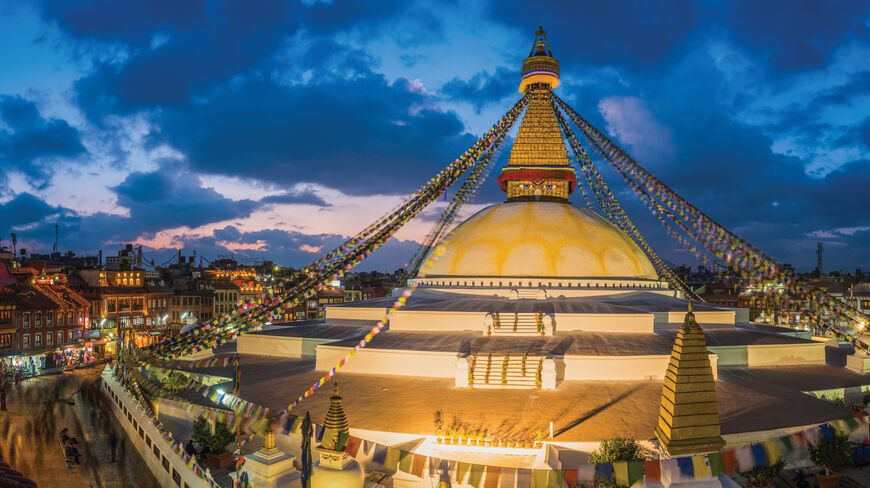
The Kathmandu Valley's UNESCO designation encompasses seven monument zones, including the durbar squares of Kathmandu, Patan and Bhaktapur, the great stupa of Boudhanath and the sacred Hindu site of Pashupatinath, each reflecting a layered history of dynasties and living communities that continue to maintain these traditions today.
Tiger's Nest Monastery (Paro Taktsang), Bhutan
Tiger's Nest is perhaps the most dramatically situated sacred site in all of Asia, a 17th-century monastery clinging to a sheer granite cliff and built around a cave where Guru Rinpoche is said to have meditated in the 8th century. Approaching it through pine forests fragrant with juniper smoke, with the sound of prayer flags in the wind, is an experience participants consistently describe as one of the most meaningful of their lives.
The Yangtze River & China's Ancient Cities
The Yangtze, the longest river in Asia, flows through one of humanity's oldest continuous civilizations, past the dramatic Three Gorges, the temples of Chongqing and the engineering marvel of the Three Gorges Dam. Traveling it by riverboat connects the physical landscape of China with the literary and historical traditions the river has inspired for three millennia.
Frequently Asked Questions
What is the best time of year to visit Asia?
Spring (March to May) and autumn (September to November) are generally the most comfortable times to travel across most of Asia, with mild temperatures and clear skies in the majority of destinations. Timing varies by region: Southeast Asia is best explored during the November to February dry season, while India is most pleasant from October through March. See the Best Time to Visit section above for full regional guidance.
What are the best places to visit in Asia for first-time travelers?
Japan, India's Golden Triangle (Delhi, Agra, Jaipur), Cambodia's Angkor Wat and Vietnam from Hanoi to Ho Chi Minh City are perennial favorites for first-time visitors, offering extraordinary historical depth, cultural richness and well-established learning environments. Bhutan is a remarkable choice for travelers seeking something genuinely off the beaten path.
How long are Road Scholar's Asia programs?
Our Asia programs range from 11-day trips to grand journeys like the 23-day program, China by Train and Yangtze Riverboat, with many popular programs falling in between.
Do you offer solo, women-only, or family Asia programs?
Yes. Go Solo: Explore Delhi, Agra & More Highlights of India and Go Solo: The Splendor of Nepal are designed specifically for solo travelers. Thailand for Women: Culture, Community & Conservation is a women-only expedition. And Awesome Asia: The Best of Japan With Your Family and Awesome Asia: The Best of Japan With Your Grandchild are built for multigenerational groups.
What historical sites will I see on a Road Scholar Asia program?
Across our Asia programs, participants visit some of the world's most significant historical landmarks, among them Angkor Wat (Cambodia), the Taj Mahal and Rajasthani forts (India), Kyoto's UNESCO temples and shrines (Japan), the Kathmandu Valley durbar squares (Nepal), Tiger's Nest Monastery (Bhutan) and the ancient cities of the Yangtze River basin (China). Expert instructors provide scholarly context at every site.
Are Road Scholar Asia programs physically demanding?
Our programs are offered across a clear range of activity levels, all described before you enroll. Keep the Pace programs involve comfortable, moderate walking. Let's Go! programs are more active with longer excursions. Outdoor: Spirited programs, such as Walking Vietnam and Walking Western Japan, are designed for those who want a genuine hiking and walking adventure. We describe exactly what physical activity each program involves so you can find the right fit.
Why Explore Asia With Road Scholar
Road Scholar has been connecting curious adults with the world's most meaningful learning adventures since 1975. As a not-for-profit organization, our mission has always been education, not profit, which means every Asia program is designed around intellectual depth, cultural authenticity and genuine human connection.
Expert instructors, not tour guides.
Intimate group sizes.
A pace that works for you.
Designed for every kind of learner.
"A fantastic experience! Great locations, accommodations and guides. I have travelled fairly extensively and had never taken a guided tour before. I'm converted! Road Scholar really enhanced the travel experience by adding cultural explorations I would never have found on my own."
— Geroge (Class of 2025) on The Best of Japan: A Contrast in Tradition and Innovation