
The 7 Dimensions of Wellness: An Active Aging Travel Guide

-
The seven dimensions of wellness are physical, emotional, intellectual, social, spiritual, vocational and environmental.
-
Active aging should incorporate all dimensions, not just physical activity.
-
Educational travel can create opportunities to engage several dimensions of wellness at once.
-
The right learning adventure encourages curiosity, physical activity, shared experiences, reflection and connection with places and cultures.
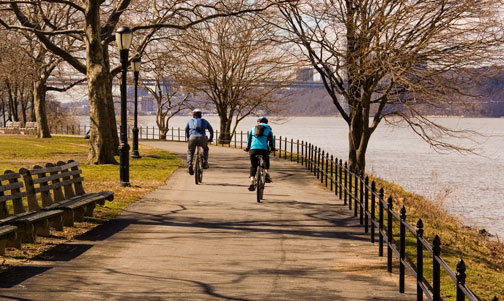
Active aging is about more than physical activity. In fact, many dimensions of health and wellness contribute to how we move, learn, connect, find meaning and relate to the world around us.
A learning adventure can create opportunities to engage several dimensions of wellness at once. Let’s explore the 7 dimensions of wellness and how educational travel supports active aging after retirement.
What Are the 7 Dimensions of Wellness?
The seven dimensions of active aging are physical, emotional, intellectual, social, spiritual, vocational and environmental wellness. Together, these 7 aspects of wellness can contribute to an engaged, purpose-filled life.
The goal isn't perfect balance at all times. While each dimension supports the others, your priorities will likely change over time. The goal is simply to recognize the different aspects of life that matter to you and then to look for opportunities to fulfill them.
Physical Wellness Through Movement and Exploration
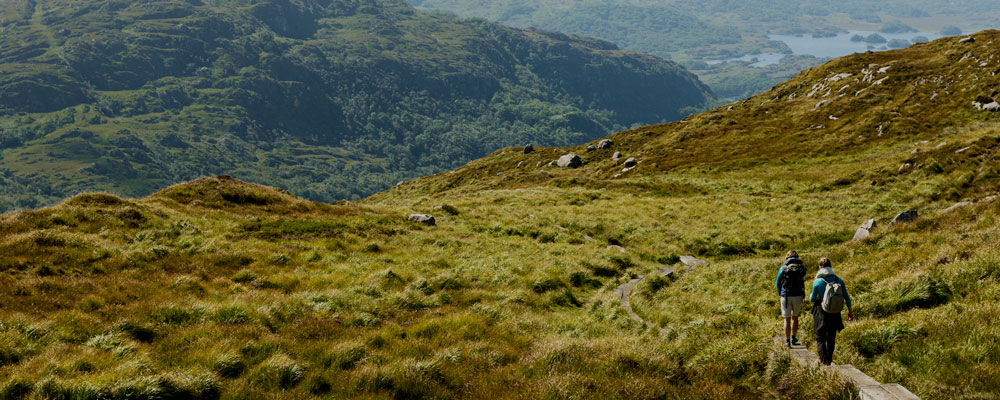
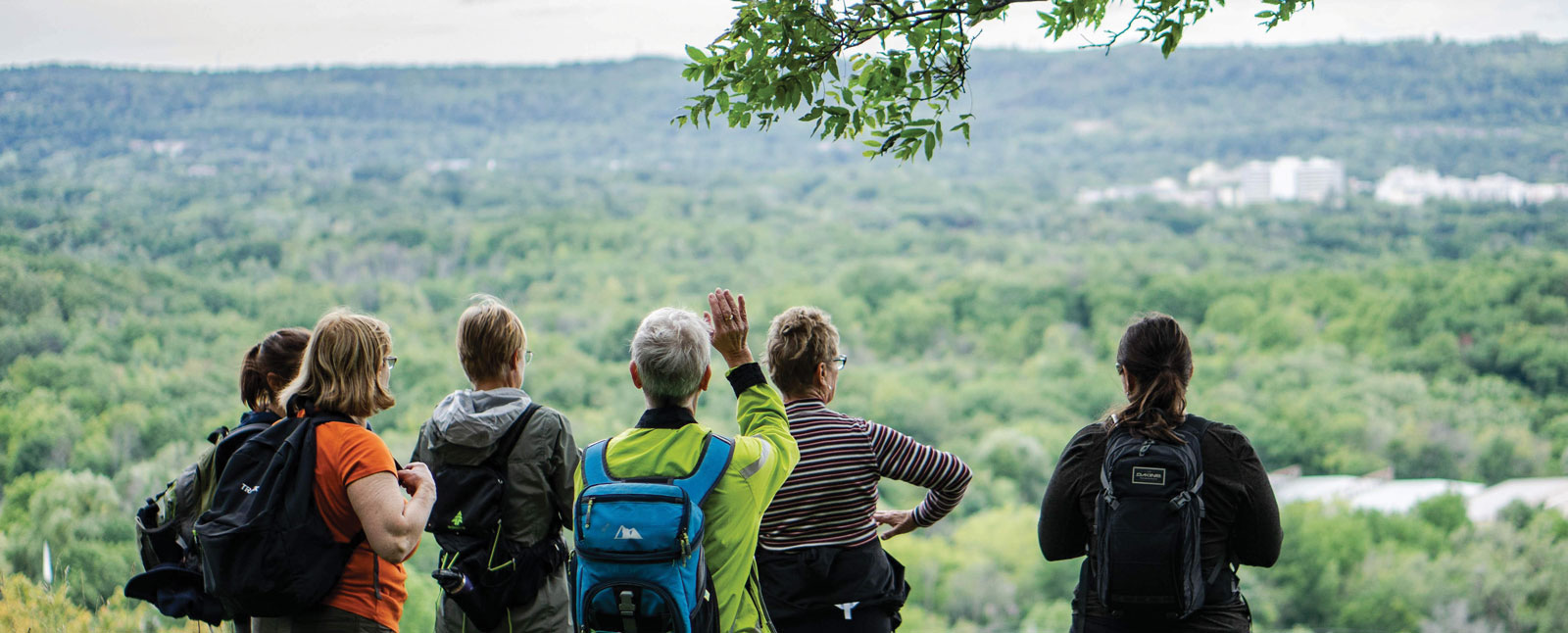
Physical wellness starts with movement. Walking through a historic community, exploring museums and cultural sites, hiking a forest trail or taking part in any appropriate outdoor activity can create opportunities to stay active while engaging with a destination.
Walking and hiking adventures let travelers combine movement with active learning. With different activity levels to suit your comfort, ability and preferred pace, travel can be physically rewarding without feeling strenuous.
Intellectual Wellness Through Lifelong Learning
Intellectual wellness grows from curiosity. It means asking questions, trying new skills and engaging with ideas. From exploring new retirement hobbies to booking an educational adventure, feeding our curiosity offers a richer understanding of the world and the people around us.
Educational travel is a great way to start. Whether you study Renaissance art in Florence, geology in a national park or food traditions with a local expert, there are real links between travel and brain health that become more tangible when you see the world as a classroom.
A learning adventure, such as Road Scholar’s expert-led travel model, means going beyond sightseeing to learn about a place’s history, science, architecture, nature and culture. Choosing a program that interests you can be one of the best ways to stay curious and engage your intellectual wellness.
Social Wellness Through Shared Experiences
Social wellness is about connection, relationships and a sense of community.
Research by the National Institute on Aging found that, among more than 7,000 adults aged 65 and older, higher social engagement was associated with better cognitive health later in life. Group travel creates natural opportunities for engagement — especially on an educational adventure. Travelers can exchange ideas, talk over a meal or discuss what they've just learned with others who share their interests.
For independent travelers, solo travel and solo-only group experiences offer built-in opportunities to learn alongside others and connect around shared interests.
Emotional Wellness Through Curiosity and Confidence
Emotional wellness includes recognizing your feelings, adapting to change and finding constructive ways to engage with life.
Travel can let you practice those skills. For many travelers, researching a destination, practicing a language, navigating a new routine or simply trying something new can build confidence and provide moments of meaning and reflection.
If you're considering traveling in retirement, start with an experience that feels exciting without pushing too far beyond your comfort level.
Spiritual Wellness Through Meaning and Reflection
Spiritual wellness doesn't have to mean religion. It can involve your values, sense of purpose, connection with nature or simply time for reflection.
A quiet landscape, a historic sacred place or a conversation about another culture's beliefs may give you reason to pause and think. The more measured pace of slow travel in retirement can also leave more room to notice where you are and consider what the experience means to you.
Vocational Wellness Through Purpose and Contribution
Think of vocational wellness as building purpose rather than wealth. After retirement, that may be found in volunteering, sharing skills, developing an interest or contributing to a community.
A learning adventure can add a sense of purpose to your travels. Whether you choose a service learning program or find inspiration for a new hobby or project, educational travel can spark a sense of meaning that continues long after you return home.
Environmental Wellness Through Connection With a Place
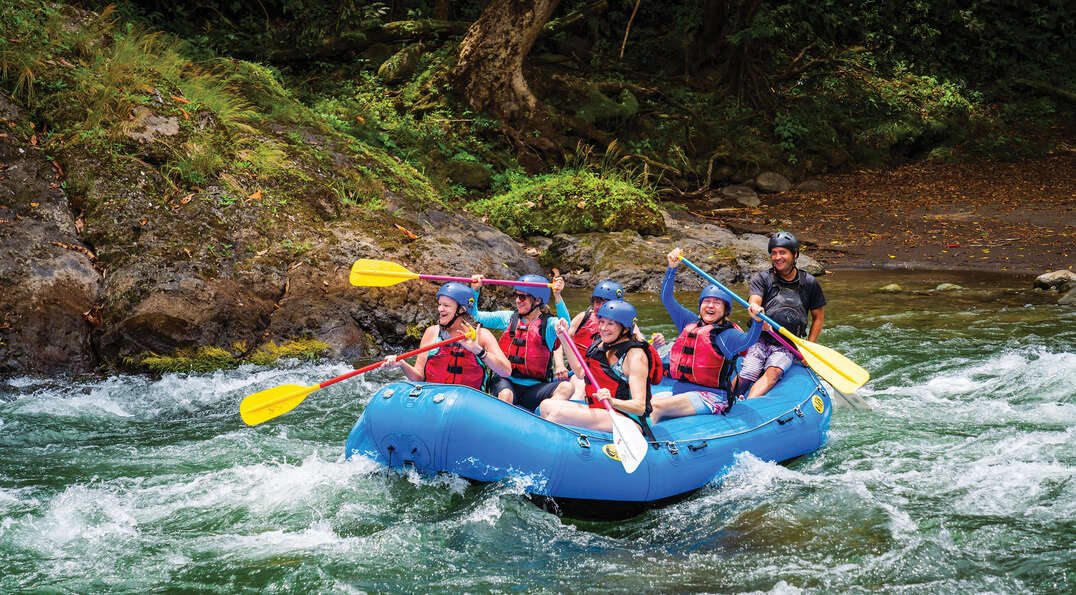
Environmental wellness asks us to pay attention to the places where we live and travel. That might mean exploring how an ecosystem works, studying conservation in a national park or seeing how a community has adapted to its landscape.
Road Scholar's nature-focused experiences put learning at the center, helping participants understand a place rather than simply pass through it.
Bringing the Seven Dimensions Together Through Travel
Wellness tourism offers unique opportunities to practice several dimensions of health at once. Imagine a walking program in a national park. You're moving (physical), learning from an expert (intellectual), sharing the trail with fellow participants (social) and engaging with the natural world (environmental). The experience might also inspire reflection or personal meaning that you carry home (spiritual).
That's the value of thinking about wellness as interconnected. A learning adventure that reflects your interests can support many aspects of wellness while helping you make the most of your retirement.
Frequently Asked Questions About the 7 Dimensions of Wellness
What Are the 7 Dimensions of Wellness?
The 7 dimensions of wellness are physical, emotional, intellectual, social, spiritual, vocational and environmental. Together, they can contribute to a more engaged life.
Why Are the Seven Dimensions of Wellness Important for Active Aging?
Active aging means more than physical activity. Learning, building relationships, finding purpose, emotional engagement and connecting with your environment also have a place in an active life.
How Can Travel Support the 7 Dimensions of Wellness?
Travel can create opportunities for movement, learning, social interaction, reflection, purpose and engaging with new environments. Many learning adventures support several dimensions at once.
What Is the Difference Between Health and Wellness?
Health often refers to a person's physical and mental condition. Wellness is broader and can include choices, experiences, relationships, purpose and other areas of everyday activity.
Does Active Aging Only Mean Staying Physically Active?
No. Physical activity is one part of active aging, but it also includes intellectual, social, emotional, spiritual, vocational and environmental engagement.
Which Dimension of Wellness Does Travel Support Most?
There's no single answer. A nature program may emphasize physical, environmental and intellectual wellness, while a group learning adventure might also create strong opportunities for social and emotional engagement.
How Can I Choose Travel Experiences That Support My Wellness Goals?
Start with what matters to you. Consider your interests, preferred activity level, learning goals and desire for social time, nature, reflection or purpose. Browse Road Scholar's health and wellness programs and compare program activity requirements.
Explore Active Aging Through Travel With Road Scholar
Active aging can take many forms. You might follow an old passion, learn something completely new, walk through a landscape you've always wanted to understand or share discoveries with fellow lifelong learners. Whatever your interests, longevity travel can create opportunities to move, learn, discover and connect throughout retirement.
Road Scholar creates educational adventures that support many dimensions of wellness. Whichever destination calls to you next, you can find a program focused on learning and discovery.