
Why Slow Travel Retirement Is a Growing Trend Among Retirees

- Slow travel can be defined as immersive, extended stays in fewer places, focusing on local life and deeper cultural connection.
- Slow travel can offer retirees numerous benefits, including reduced stress and greater flexibility in their travel plans.
- To get started, choose interest-based spots, build local ties and gently expand your comfort zone.
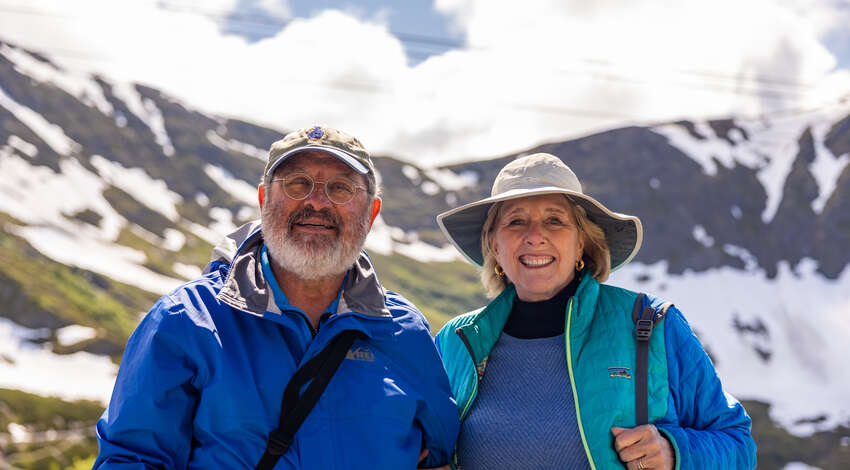
Retirement opens the door to a world of possibilities. For many lifelong learners, that door leads to travel. Slow travel has emerged as the perfect approach for retirees who want to truly experience a new setting.
Slow travel is the art of taking your time to truly absorb a destination. It emphasizes meaningful experiences by spending more time in fewer places. You might take daily language classes in Tuscany for a month, explore a single region of France or journey through New England and Canada over several weeks.
Even if your journey only lasts a few days, slow travel is all about quality, not quantity. You're not racing from monument to monument or trying to see everything. Instead, you're settling into the rhythm of local life, shopping at neighborhood markets and discovering hidden gems that only reveal themselves to those who take the time to look.
This approach transforms you from a tourist into an active learner, someone who immerses themself in a new culture. You gain insight into how locals truly live, pick up on cultural nuances that many travelers miss and form a deeper connection with the places you visit.
The Benefits of Slow Travel for Retirees
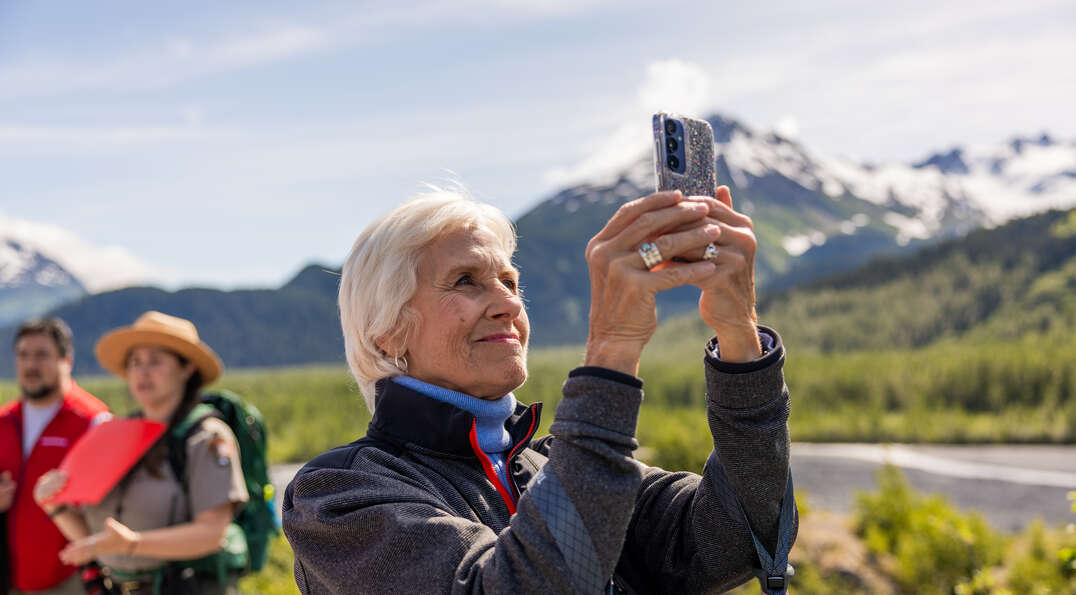
Slow travel offers a range of benefits, especially for those with the flexibility to spend more time in one place. One of the biggest advantages is a more relaxed pace, with fewer hotel changes and more time to settle into a destination.
A slower pace also gives you time to adjust to new time zones, establish a comfortable routine and experience a destination more deeply. With more time in one place, you can revisit favorite neighborhoods, get to know local communities and enjoy each day without feeling rushed.
Ideal Destinations for Slow Travel
Some destinations are especially well suited to slow travel, offering the infrastructure, safety and cultural richness that make longer stays rewarding.
Portugal consistently ranks among the best slow travel destinations. The country's compact size allows for thorough exploration without the need for constant relocation, and its mild climate makes year-round visits comfortable.
Italy's smaller towns and regions are ideal for exploring at a slower pace. Consider spending a month in Sorrento, exploring the Amalfi Coast and the ruins of Pompeii, or Sicily, where you can enjoy local wine and cuisine through cooking classes.
For those preferring to stay closer to home, the United States offers plenty of opportunities for slow travel. Spend a season in New England, explore the cultural richness of Santa Fe or discover the charm of Southern cities at a leisurely pace.
Getting Started With Slow Travel
Embarking on a slow travel journey requires a different mindset than traditional vacation planning. Begin by choosing a destination that genuinely interests you rather than following a "must-see" list.
If you have mobility concerns, take a look at limited mobility programs that can complement your travel experience with accessible group activities.
Consider your comfort zone and gently expand it. Slow travel offers the opportunity to try new experiences without pressure. You might take that cooking class you've always wanted to try or finally learn basic phrases in a new language.
Ready to Start Your Slow Travel Adventure?
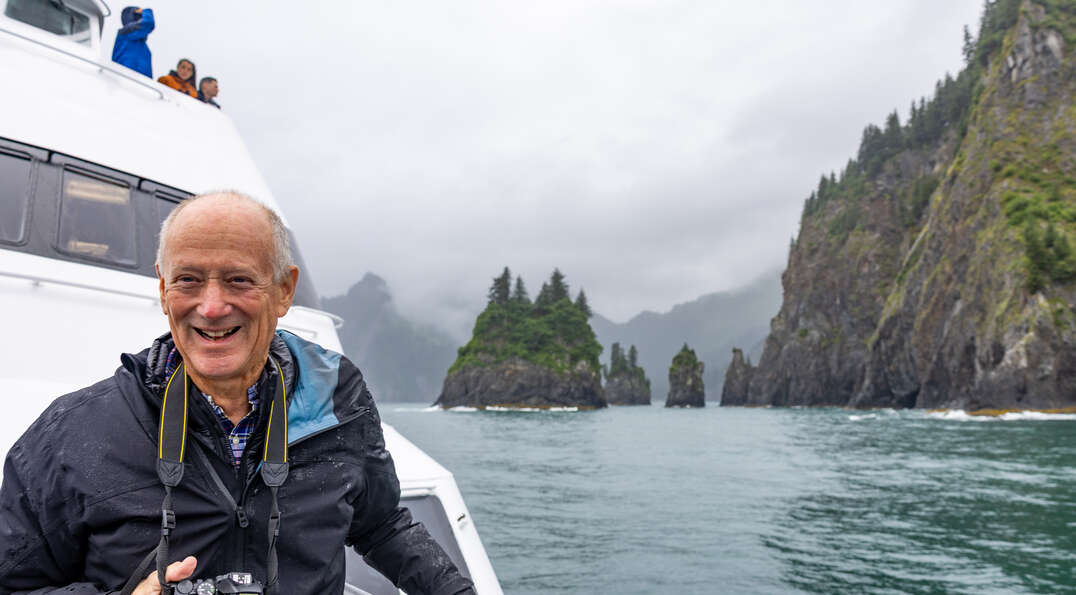
Slow travel is about spending more time with the places you explore, gaining a deeper understanding of local culture and enjoying meaningful experiences along the way. Road Scholar learning adventures are designed with that same philosophy in mind.
Whether you're drawn to European villages, Latin American cities or American small towns, there’s a learning adventure to match your interests. Explore programs by activity level or location to find educational experiences right for you.
Lauren Briggs first discovered Road Scholar at the age of ten, when she embarked on a Grandparent Adventure with her grandfather. In 2022, she reconnected with the
organization and began writing for Road Scholar full-time. Lauren is especially passionate about sharing participant stories, including her own Road Scholar experiences in South Dakota and Grand Teton National Park. She lives in Massachusetts and enjoys spending summers exploring New England in her campervan.