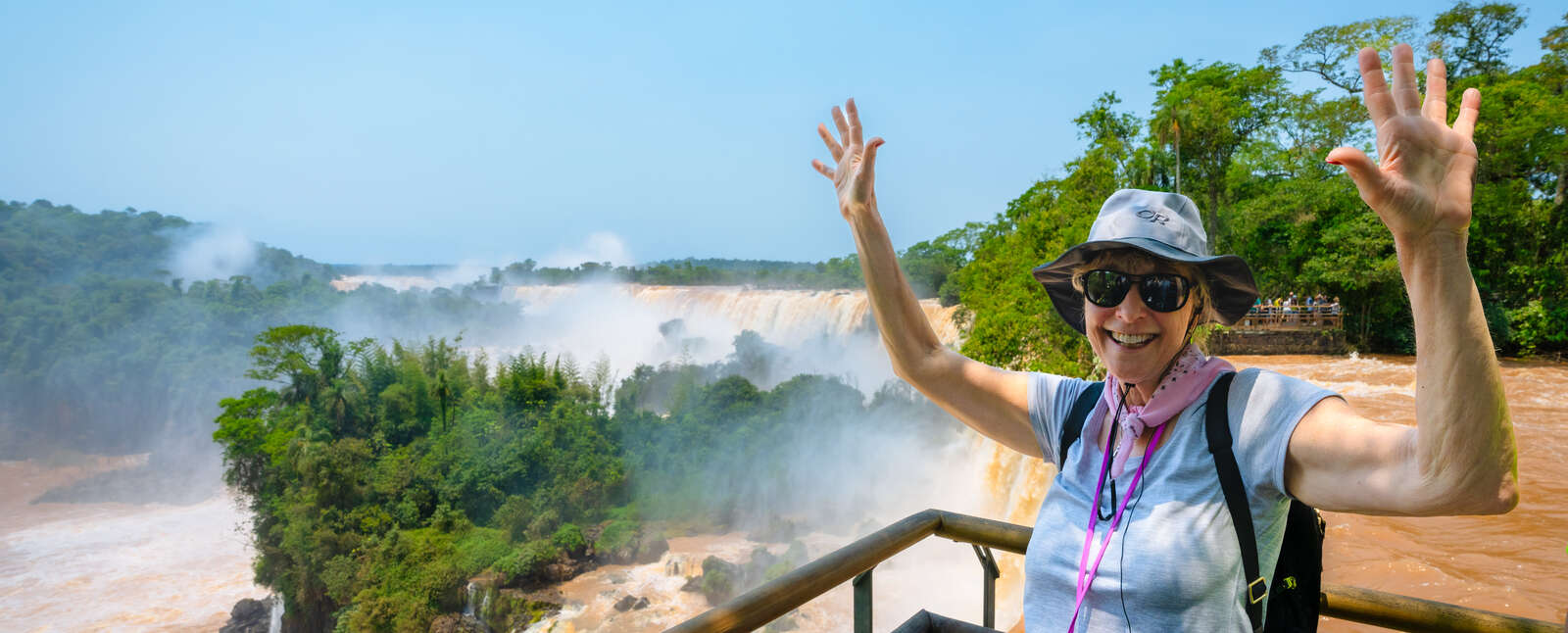
How Active Aging Is Redefining Travel for Older Adults

- Active aging prioritizes health, independence and lifelong learning through immersive experiences.
- Recent data shows that 94% of older adults believe being adventurous contributes to their overall happiness.
- Road Scholar programs focus on experiential learning, moving away from passive sightseeing toward deep cultural immersion.
- Travel is the #1 choice for adults over 50 to stay physically and mentally engaged.
- Hassle-free, expert-led programs allow you to focus on the journey while we handle the logistics.

Forget the rocking chair. Today’s retirees are more likely to be found lacing up their hiking boots or boarding a flight to a remote corner of the globe than settling into a quiet life at home. A new movement is taking hold, and it’s called active aging.
At Road Scholar, we’ve seen this shift firsthand. For us, travel isn’t about being a tourist or following a migrating herd. It’s about being part of a cohort of learners on an academic adventure to age well. Whether it’s studying the Renaissance in Florence or exploring the biodiversity of the Galápagos, older adults are proving that aging adventurously is the secret to a long, happy life.
What Is Active Aging and Why Does It Matter?
Active aging is the process of optimizing opportunities for health, participation and security to enhance quality of life as people age. It’s a shift from a passive retirement to an experiential lifestyle. It’s not just about adding years to your life, but adding life to your years.
For many, this means choosing activities for older adults that challenge the mind and body. Instead of slowing down, older adults active aging today are seeking independence and purpose. They see this chapter of life as an opportunity to do the things they never had time for during their careers, and travel is at the heart of that transformation.
The Rise of Active Travel Among Older Adults
The demand for active travel has skyrocketed among the 50+ demographic. Our "Aging Adventurously" survey revealed that 87% of older adults feel their generation is far more adventurous than their parents were. In fact, 50% of Boomers report traveling more than their parents ever did.
We’re seeing a definitive shift away from passive cruises. Today’s lifelong learners want active travel adventures that offer:
- Cultural immersion: Living like a local and understanding the "why" behind the history.
- Nature-based travel: Getting up close with the world’s most stunning environments.
- Educational travel: Engaging with expert faculty who bring a syllabus to life.
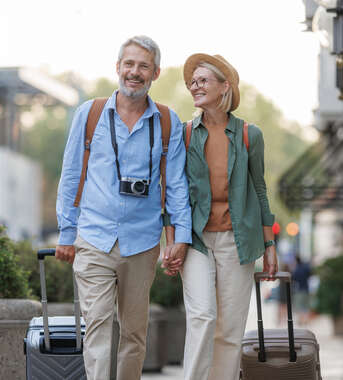
4 Ways Active Aging Is Transforming Travel
The shift toward adventurously aging has fundamentally changed how we explore the world, moving away from passive observation toward active participation. Here are four key ways this modern mindset is reshaping the travel landscape for lifelong learners:
- More Physically Engaging Experiences
Modern programs aren’t just about sitting on a bus. They’re about movement. From walking tours of ancient ruins to kayaking in serene bays, fitness and travel are now inextricably linked. - Lifelong Learning Through Travel
Road Scholars don't want a tour guide; they want an instructor. From a lecture on local politics to a field trip to a hidden archaeological site, the focus is on gaining new skills and perspectives. - Social and Group Travel Experiences
Aging adventurously is better with friends. Traveling in a cohort of like-minded learners fosters deep connections. You aren't just traveling with strangers; you're building a community of people who share your curiosity. - Solo Travel on the Rise
Independence is a hallmark of the Boomer generation. We see many participants, particularly women, traveling independently to reclaim their confidence and explore the world on their own terms.
Health Benefits of Active Travel for Older Adults
The benefits of active travel aren't just anecdotal; they're backed by data. Our survey found that 100% of Road Scholars agree that traveling has contributed to their health, happiness and well-being.
- Physical Health: Navigating new cities and landscapes helps maintain mobility and strength.
- Mental Health: Learning a new language or navigating a different culture provides essential cognitive stimulation. 90% of our participants say Road Scholar helps them stay mentally engaged.
- Emotional Well-being: Overcoming the challenges of travel provides a sense of purpose and a boost in self-esteem.
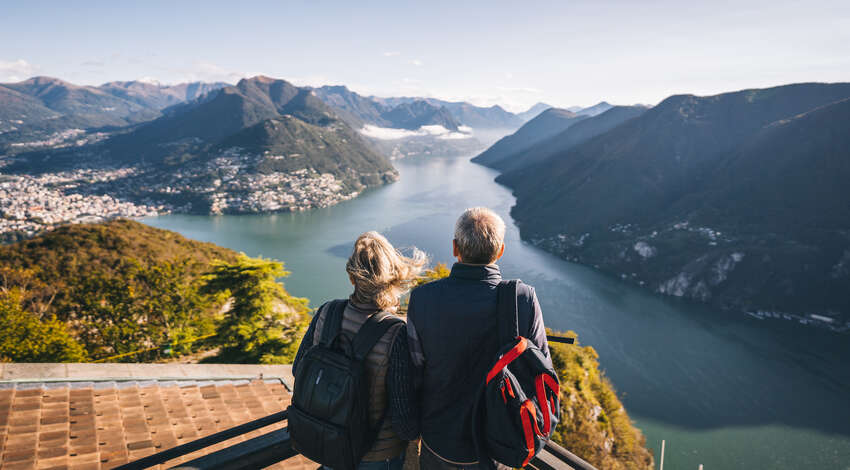
What Today’s Older Travelers Are Looking For
You want an experience that is meaningful but also comfortable. You're looking for high value, which doesn't mean the "cheapest" option, but the one that offers the best experience for the investment.
Road Scholars value smaller group sizes and programs that are thoughtfully paced. We take great care to ensure the itinerary maximizes learning without causing exhaustion. You want the details handled (from lodging to local transport) so you can focus entirely on the presentation or the excursion at hand.
Challenges and Considerations for Active Older Travelers
While the spirit is willing, we understand that practical concerns exist. Mobility needs and health accessibility are top of mind for us. That’s why we offer various activity levels for our programs. No matter if you prefer a gentle walk through a museum or a more rigorous trek, there’s a journey designed for your comfort level. We manage the unexpected so you don’t have to calculate the risks yourself.
How to Inspire Older Adults To Age Adventurously
If you're ready to start your next chapter, here’s how to do it right:
-
Choose the right activity level: Be honest about your energy, but don't be afraid to stretch your comfort zone.
-
Travel with expert-led groups: Having a local expert or faculty member makes the difference between seeing a place and knowing it.
-
Prioritize the experience: Look for programs that offer hands-on learning, like "The Best of Italy: Art, Food & History" (#10512).
-
Celebrate Age Adventurously Day: Every June 8, we celebrate those who try new things, from learning to swim to taking a hot air balloon ride.

The Future of Travel: Why Active Aging Will Continue to Grow
As life expectancy increases and health outcomes improve, the 60s and 70s have become the golden decades for adventure. Boomers are currently leading the charge, but Gen X is right behind them, showing even more interest in new hobbies and international expeditions.
The adventure gap is closing. People are realizing that aging doesn't mean stopping; it means starting something new. Whether it’s moving to a new state, going back to grad school, or traveling to 50 countries, the message is clear: Adventure is good for you.
Are you ready to join a cohort of fellow learners on a transformative journey? Explore our upcoming learning adventures and see how you can redefine what it means to age adventurously!