





Walking up to 3 miles per day at a moderate pace of 2 mph over city sidewalks and in museums. Standing up to 3 hours per day. Program will require approximately 6.5 miles of walking over 5 days. Additional walking and standing based on personal preferences at museums and to access meals on your own. Must be physically capable of participating in all planned program activities.

Illinois
Signature City Chicago
Program No. 2818RJ
Watch Video
See More Photos
Start Enrolling
Program
At a Glance
Duration
6 days
Program Begins
Chicago, Illinois
Program Concludes
Chicago, Illinois
Meals
12 (
5B, 4L, 3D
)
Activity Level
From
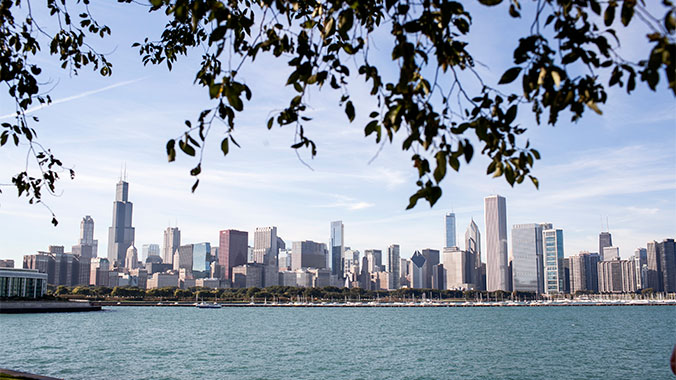
2,449If you have always wanted to experience Chicago, but didn’t know where to start, you’ve come to the right place. This introduction to the “Windy City” is brimming with expert-led visits to Chicago’s gems. Discover glittering skyscrapers, fine dining, revitalized lakefront, a diverse cultural scene, celebrated museums and the tony Magnificent Mile on an exceptional adventure that draws back the curtain on Chicagoans and “their kind of town.”
Best of all, you'll...
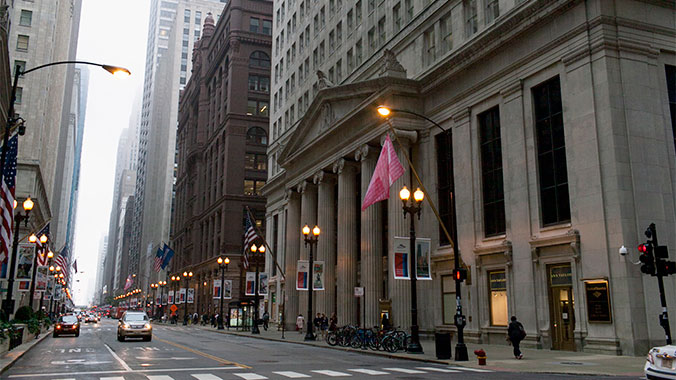
- Examine Chicago’s growth on a expert-led field trip through the city’s diverse neighborhoods.
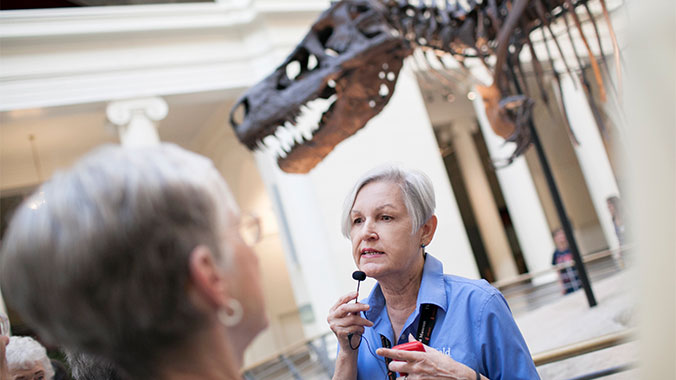
- Experience the city’s Millennium Park and visit the Field Museum.
- Explore the Chicago River and learn how Chicago grew from a settlement into one of the world's largest cities.
General Notes
You may enjoy a program specifically focusing on art and architecture in the "Winding Through the Windy City: Art & Architecture in Chicago" (#21908). Or "Go Solo: Art and Architecture in Chicago" (#24935) intended exclusively for solo travelers.
Featured Expert
All Experts
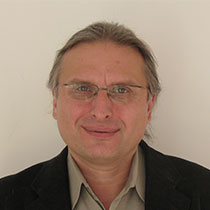
Zbigniew Banas
Zbigniew Banas has been a resident of Chicago since 1976. He is currently an instructor at Loyola University in the department of modern languages and literature. He is also a radio host and reporter with WPNA and WEUR. He received his B.A. from the University of Chicago and his M.S. from Brown University. He has been involved with Road Scholar for over 15 years.
Please Note:
This expert may not be available for every date of the program
Please Note:
These experts may not be available for every date of the program
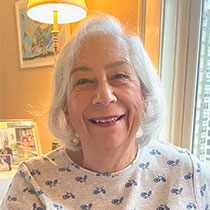
Andrea Maremont
Andrea Maremont, a native of northwest Indiana, has lived in the Windy City for nearly 50 years. She has been a group leader for Road Scholar for more than 10 years, and has helped to design learning adventures in the city. When not leading educational expeditions throughout Chicago, Andrea is the director of a small senior center.
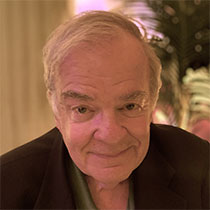
Joe Cunniff
Joseph Cunniff writes about the theater and music scene in Chicago, and is an instructor in the School of New Learning at De Paul University. He has led classes at the Art Institute of Chicago for more than 10 years. He earned a master’s in fine arts and interdisciplinary learning from Loyola University.
Zbigniew Banas
Zbigniew Banas has been a resident of Chicago since 1976. He is currently an instructor at Loyola University in the department of modern languages and literature. He is also a radio host and reporter with WPNA and WEUR. He received his B.A. from the University of Chicago and his M.S. from Brown University. He has been involved with Road Scholar for over 15 years.
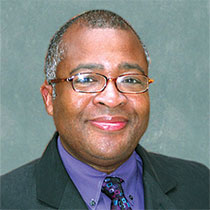
Bernard Turner
Bernard Turner is executive director of the Bronzeville-Black Metropolis National Heritage Area focused on preserving the history and culture of his community. Author of several books about Chicago and African American History, including A New View of Bronzeville and Tate and His Historic Dream, Bernard conducts citywide and neighborhood explorations and has volunteered at the Chicago History Museum since 2000. Bernard taught German and Spanish in the Chicago area for several years before beginning a career in educational publishing in sales, sales management, and marketing.
Activity Level
Keep the Pace
Suggested Books and Resources
View Full List
You can also find many of the books we recommend at the Road Scholar store on bookshop.org, a website that supports local bookstores.
HAVE QUESTIONS?
Prefer to enroll or inquire by phone?
We can help. Give us a call, and we can answer all of your questions!
Call
800-454-5768
Helpful Links
Enroll With Confidence
Peace of Mind
We want your Road Scholar learning adventure to be something to look forward to—not worry about. That’s why we go to the ends of the earth to give you peace of mind, from the moment you enroll until the day you return home.

Assurance Plan
Road Scholar is committed to the well-being of every participant, whether on a program in the United States or abroad. That’s why all participants are covered under our Road Scholar Assurance Plan, which provides 24-hour assistance in the event of an emergency during your program, as well as insurance for emergency medical evacuation.

Want to Protect Your Investment?
Road Scholar is pleased to offer its Trip Protection Plan as a way to protect your program investment. You may purchase this optional trip protection plan when enrolling in your program.

Sustainable Travel
We offset a portion of the emissions created by your travel. Read about our commitment to a more sustainable planet.

- Peace of Mind
We want your Road Scholar learning adventure to be something to look forward to—not worry about. That’s why we go to the ends of the earth to give you peace of mind, from the moment you enroll until the day you return home.
- Assurance Plan
Road Scholar is committed to the well-being of every participant, whether on a program in the United States or abroad. That’s why all participants are covered under our Road Scholar Assurance Plan, which provides 24-hour assistance in the event of an emergency during your program, as well as insurance for emergency medical evacuation.
- Want to Protect Your Investment?
Road Scholar is pleased to offer its Trip Protection Plan as a way to protect your program investment. You may purchase this optional trip protection plan when enrolling in your program.
- Sustainable Travel
We offset a portion of the emissions created by your travel. Read about our commitment to a more sustainable planet.
1 of 4