
Walking up to 1.25 miles per day over flat terrain. Standing up to 2 hours per day with opportunities to sit periodically at most locations. Program will require approximately 5 miles of walking over 5 days. Must be able to use stairs in order to navigate some field trip sites. Getting on/off of motorcoach and traveling up to 4 hours per day, inclusive of riding time and stops. Getting on/off a riverboat. Canes and/or rollators can be accommodated on this program. Must be physically capable of participating in all planned program activities.

Minnesota
Signature City: St. Paul and Minneapolis
Program No. 25636RJ
See More Photos
Signature City: St. Paul and Minneapolis
Signature City: St. Paul and Minneapolis





1 of 12
Start Enrolling

Program
At a Glance
Duration
7 days
Program Begins
St. Paul
Program Concludes
St. Paul
Group Type
Small Group
Meals
14 (
6B, 4L, 4D
)
Activity Level
From
2,999Enroll Early And Save
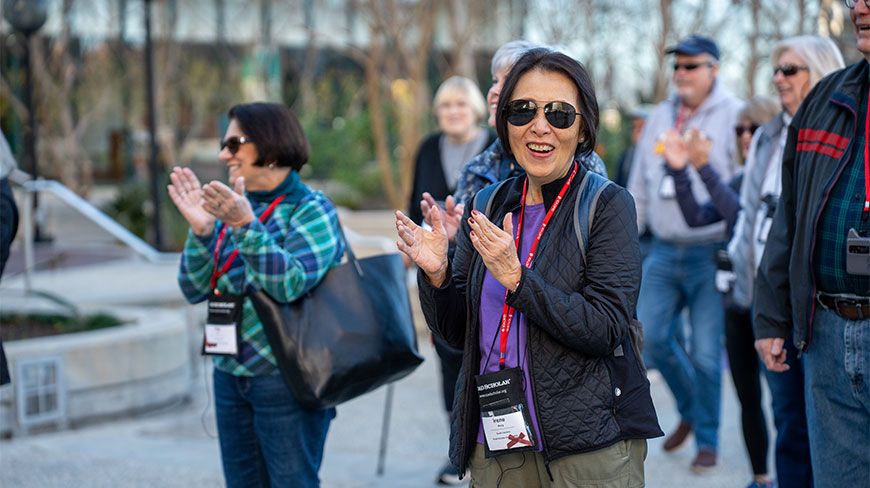
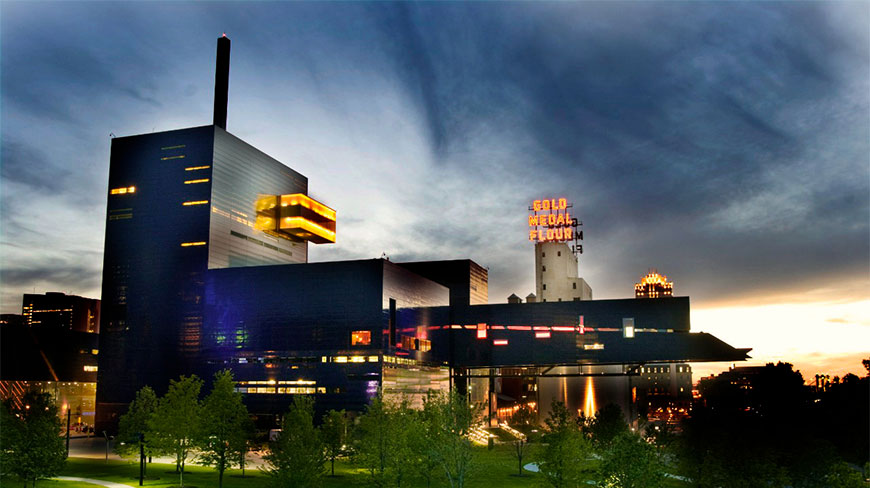
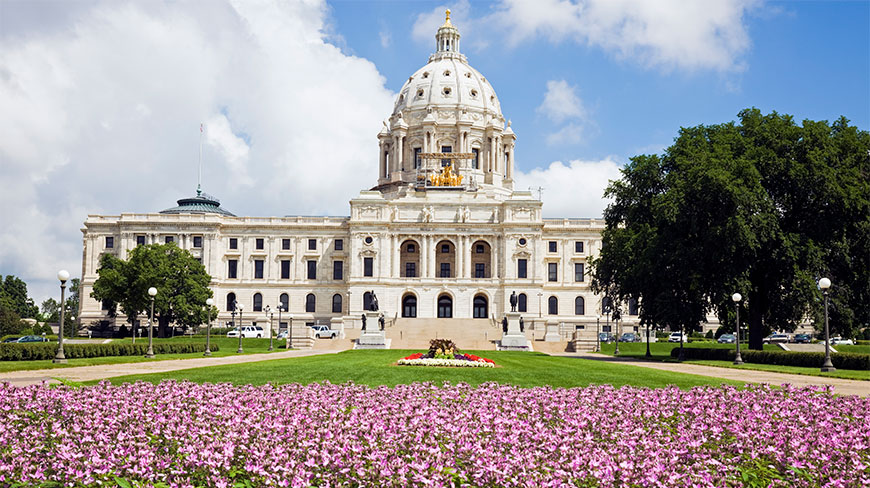
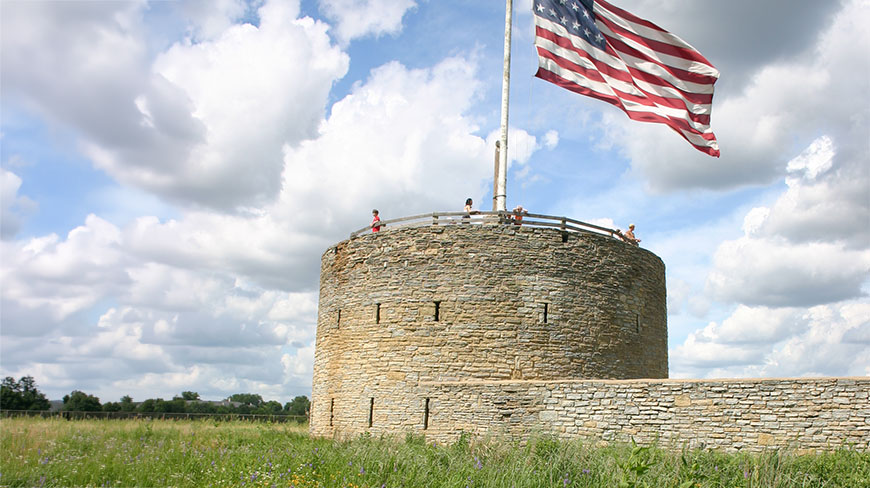
There’s a special charm to America’s Midwest, and it comes alive in the Twin Cities. From a vibrant arts and natural beauty to a multitude of diverse communities, Minneapolis and St. Paul offer experiences as wide as the Mississippi River (which, by the way, borders the two cities). Explore various neighborhoods inhabited by several global cultures. Gain perspective about the cities’ history, growth and influence on field trips to historical landmarks such as Fort Snelling and the Mill City Museum. Enjoy a performance at the famed Gutherie Theater. There’s something for everyone, so join us to learn how Minneapolis and St. Paul are distinct cities with their own unique histories, cultures and landscapes.
Best of all, you'll...
- Learn about the cities’ history (Indigenous Peoples through industrialization to today) with lectures, and visits to Fort Snelling and Mill City.
- Enjoy a lecture about the thriving art scene in the cities followed by a visit to the Guthrie Theater, the Minneapolis Sculpture Garden, the Minneapolis Institute of Art and more.
- Hear firsthand from University of Minnesota Twin Cities’ professors about the city’s history of redlining, and where the city is today.
Featured Expert
Kristin Anderson
Kristin Anderson is a professor at Augsburg University in Minneapolis. She has a Ph.D. in art history and has published books about Twin Cities sports facilities. She leads walking tours and bus tours in a variety of Twin Cities locations on many different topics. She is a tour guide at Target Field, the home of Major League Baseball's Minnesota Twins.
Please Note:
This expert may not be available for every date of the program
Activity Level
On Your Feet
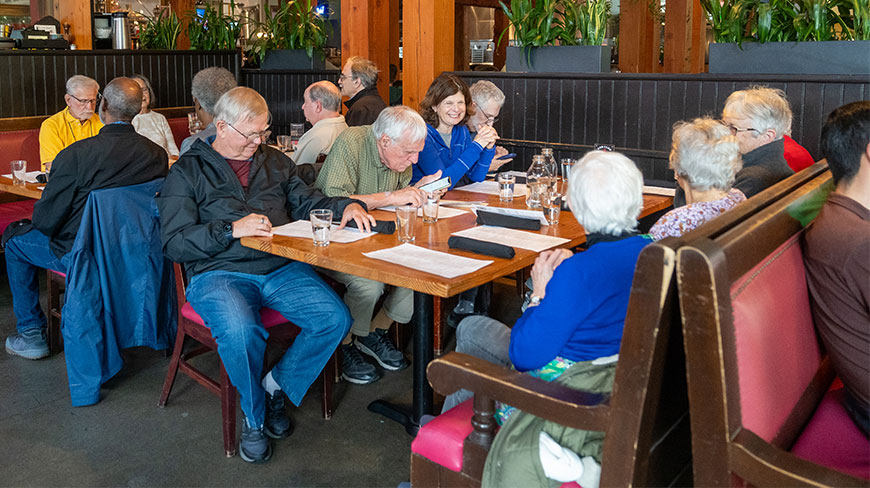
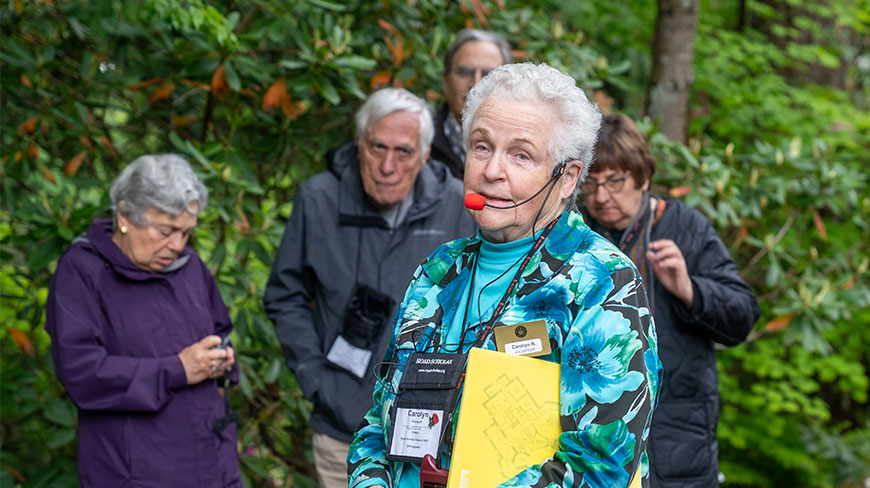
Small Group
(13 to 24)
Love to learn and explore in a small-group setting? These adventures offer small, personal experiences with groups of 13 to 24 participants.
Suggested Books and Resources
View Full List
You can also find many of the books we recommend at the Road Scholar store on bookshop.org, a website that supports local bookstores.
HAVE QUESTIONS?
Prefer to enroll or inquire by phone?
We can help. Give us a call, and we can answer all of your questions!
Call
800-454-5768
Helpful Links
Enroll with Confidence
Peace of Mind
We want your Road Scholar learning adventure to be something to look forward to—not worry about. That’s why we go to the ends of the earth to give you peace of mind, from the moment you enroll until the day you return home.

Assurance Plan
Road Scholar is committed to the well-being of every participant, whether on a program in the United States or abroad. That’s why all participants are covered under our Road Scholar Assurance Plan, which provides 24-hour assistance in the event of an emergency during your program, as well as insurance for emergency medical evacuation.

Want to Protect Your Investment?
Road Scholar is pleased to offer its Trip Protection Plan as a way to protect your program investment. You may purchase this optional trip protection plan when enrolling in your program.

Sustainable Travel
We offset a portion of the emissions created by your travel. Read about our commitment to a more sustainable planet.

- Peace of Mind
We want your Road Scholar learning adventure to be something to look forward to—not worry about. That’s why we go to the ends of the earth to give you peace of mind, from the moment you enroll until the day you return home.
- Assurance Plan
Road Scholar is committed to the well-being of every participant, whether on a program in the United States or abroad. That’s why all participants are covered under our Road Scholar Assurance Plan, which provides 24-hour assistance in the event of an emergency during your program, as well as insurance for emergency medical evacuation.
- Want to Protect Your Investment?
Road Scholar is pleased to offer its Trip Protection Plan as a way to protect your program investment. You may purchase this optional trip protection plan when enrolling in your program.
- Sustainable Travel
We offset a portion of the emissions created by your travel. Read about our commitment to a more sustainable planet.
1 of 4