




Walking up to 4 miles per day at a moderate pace of 2 mph over sidewalks and in museums. Standing up to 2 hours per day. Program will require approximately 10 miles of walking over 4 days. Wheelchairs and scooters cannot be accommodated due to the stairs in The Frank Lloyd Wright Home and studio is not accessible to wheelchairs of any size as all entries to the Home have stairs. Studio balcony is only accessible by a steep narrow stairway. Must be physically capable of participating in all planned program activities.

Illinois
Winding Through the Windy City: Art & Architecture in Chicago
Program No. 21908RJ
See More Photos
Start Enrolling

Program
At a Glance
Duration
6 days
Program Begins
Chicago, IL
Program Concludes
Chicago, IL
Group Type
Small Group
Meals
11 (
5B, 3L, 3D
)
Activity Level
From
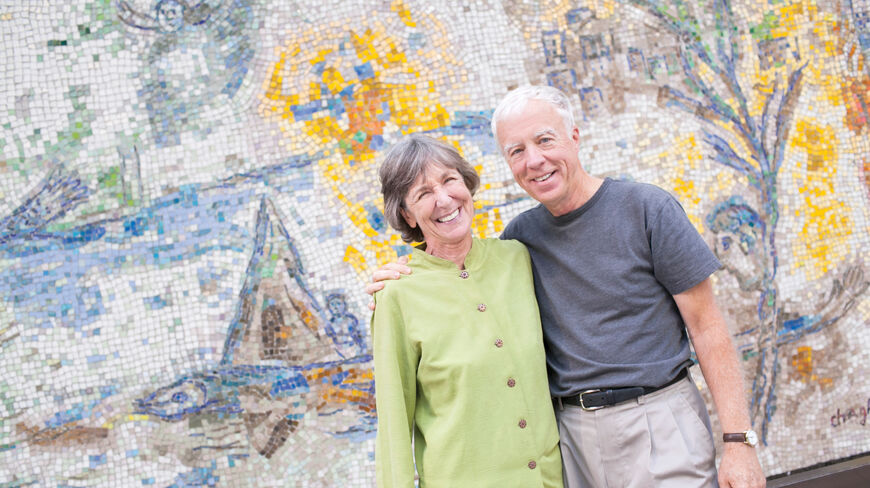
2,399Thrilling and serene. Tough and sophisticated. Chicago is a city of contrasts best understood through its art and architecture. We’ll be on the go with a small group of fellow explorers as we visit a range of neighborhoods with an architecture expert to see how the city’s evolution is told through its buildings. Then we’ll venture outside the city to learn about the life and work of Frank Lloyd Wright, as we visit his Prairie-style home and studio. Your schedule includes some open afternoons, during which you’ll be able to discover on your own the aspects of the city that speak to you most.
Best of all, you'll...
- Go inside the Art Institute of Chicago with an expert on the artworks of its world-class, 300,000-piece permanent collection.
- Study city architecture on a walk with a scholar and from a boat on the Chicago River.
- Learn about the life and work of the iconic architect Frank Lloyd Wright through an expert-led exploration of his Prairie-style home and studio in charming and historic Oak Park, Illinois.
General Notes
Those interested in a less focused and less active program may enjoy programs "Signature City Chicago" (#2818) or "Go Solo: Art and Architecture in Chicago" (#24935) intended exclusively for solo travelers may enjoy.
Featured Expert
All Experts
Joe Cunniff
Joseph Cunniff writes about the theater and music scene in Chicago, and is an instructor in the School of New Learning at De Paul University. He has led classes at the Art Institute of Chicago for more than 10 years. He earned a master’s in fine arts and interdisciplinary learning from Loyola University.
Please Note:
This expert may not be available for every date of the program
Please Note:
These experts may not be available for every date of the program
Andrea Maremont
Andrea Maremont, a native of northwest Indiana, has lived in the Windy City for nearly 50 years. She has been a group leader for Road Scholar for more than 10 years, and has helped to design learning adventures in the city. When not leading educational expeditions throughout Chicago, Andrea is the director of a small senior center.
Joe Cunniff
Joseph Cunniff writes about the theater and music scene in Chicago, and is an instructor in the School of New Learning at De Paul University. He has led classes at the Art Institute of Chicago for more than 10 years. He earned a master’s in fine arts and interdisciplinary learning from Loyola University.
Mandy Piotrowski
Mandy Piotrowski is a Chicago native with a passion for mundane and bizarre history. Having grown up in the city, she now splits her time between Chicago and Milwaukee doing museum and local walking expeditions. She is certified in D.C. and New York City, is a certified International Tour Manager through the International Guide Academy in Denver, and has written various walking programs for Chicago, ranging from art history to women's history to city history.
Activity Level
Keep the Pace
Small Group
(13 to 24)
Love to learn and explore in a small-group setting? These adventures offer small, personal experiences with groups of 13 to 24 participants.
Suggested Books and Resources
View Full List
You can also find many of the books we recommend at the Road Scholar store on bookshop.org, a website that supports local bookstores.
HAVE QUESTIONS?
Prefer to enroll or inquire by phone?
We can help. Give us a call, and we can answer all of your questions!
Call
800-454-5768
Helpful Links
Enroll With Confidence
Peace of Mind
We want your Road Scholar learning adventure to be something to look forward to—not worry about. That’s why we go to the ends of the earth to give you peace of mind, from the moment you enroll until the day you return home.

Assurance Plan
Road Scholar is committed to the well-being of every participant, whether on a program in the United States or abroad. That’s why all participants are covered under our Road Scholar Assurance Plan, which provides 24-hour assistance in the event of an emergency during your program, as well as insurance for emergency medical evacuation.

Want to Protect Your Investment?
Road Scholar is pleased to offer its Trip Protection Plan as a way to protect your program investment. You may purchase this optional trip protection plan when enrolling in your program.

Sustainable Travel
We offset a portion of the emissions created by your travel. Read about our commitment to a more sustainable planet.

- Peace of Mind
We want your Road Scholar learning adventure to be something to look forward to—not worry about. That’s why we go to the ends of the earth to give you peace of mind, from the moment you enroll until the day you return home.
- Assurance Plan
Road Scholar is committed to the well-being of every participant, whether on a program in the United States or abroad. That’s why all participants are covered under our Road Scholar Assurance Plan, which provides 24-hour assistance in the event of an emergency during your program, as well as insurance for emergency medical evacuation.
- Want to Protect Your Investment?
Road Scholar is pleased to offer its Trip Protection Plan as a way to protect your program investment. You may purchase this optional trip protection plan when enrolling in your program.
- Sustainable Travel
We offset a portion of the emissions created by your travel. Read about our commitment to a more sustainable planet.
1 of 4