
Walking up to 2 miles per day at a moderate pace of 2 mph over varied terrain including sidewalks, uneven ground, cobblestones, grass areas, gravel paths, boardwalks and slippery rocks, sand; stairs, some without handrails. Standing up to 1.5 hours per day. Program will require approximately 16 miles of walking over 12 days. Getting on/off a motorcoach, ferry and boat. Some long days, up to 15 hours, including up to 5 hours on a motorcoach. Must be physically capable of participating in all planned program activities. Total of miles covered is 1330 miles (2138 kms).
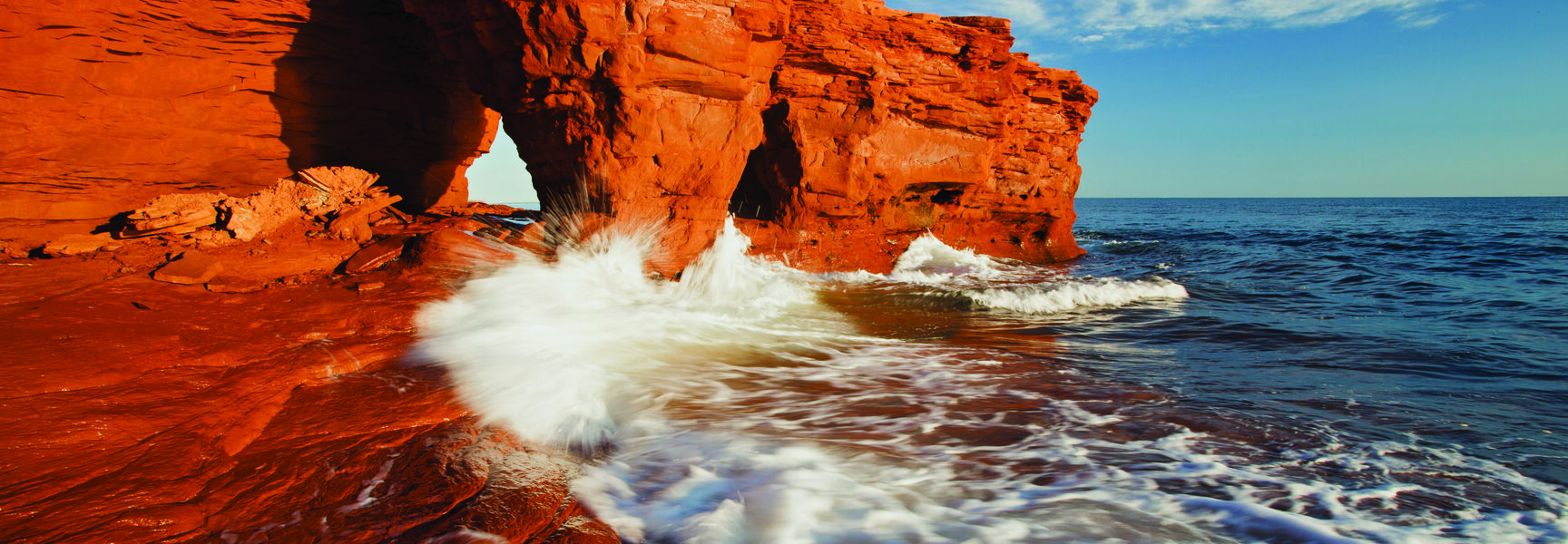
Prince Edward Island/Nova Scotia/New Brunswick
On the Road: The Best of the Canadian Maritimes
Program No. 3788RJ
Watch Video
See More Photos
On the Road: The Best of the Canadian Maritimes
On the Road: The Best of the Canadian Maritimes


1 of 10
Start Enrolling


Program
At a Glance
Duration
12 days
Program Begins
Halifax, Nova Scotia
Program Concludes
Halifax, Nova Scotia
Meals
27 (
11B, 9L, 7D
)
Activity Level
From
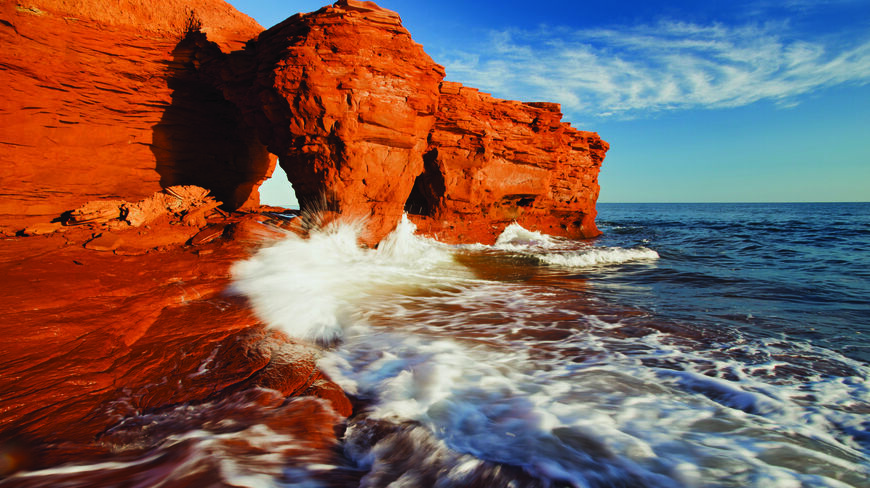
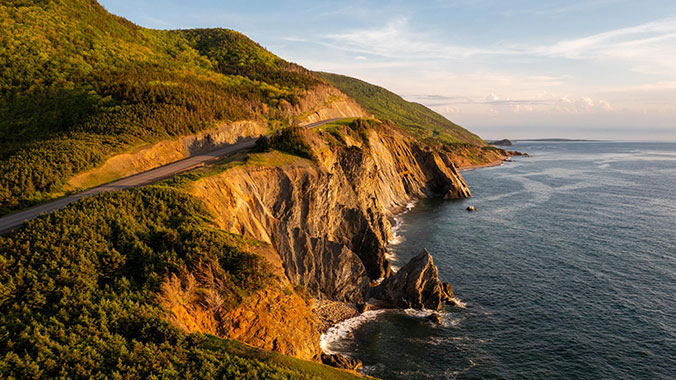
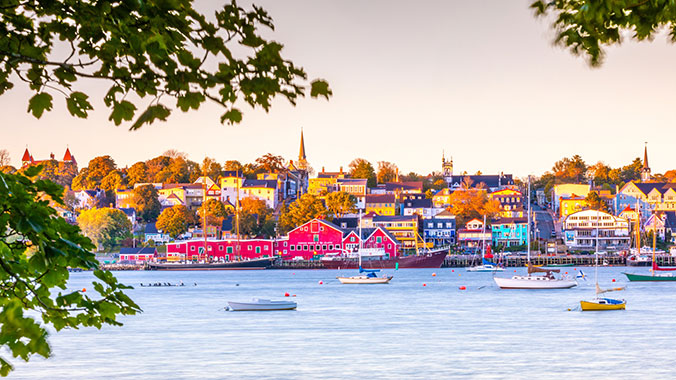
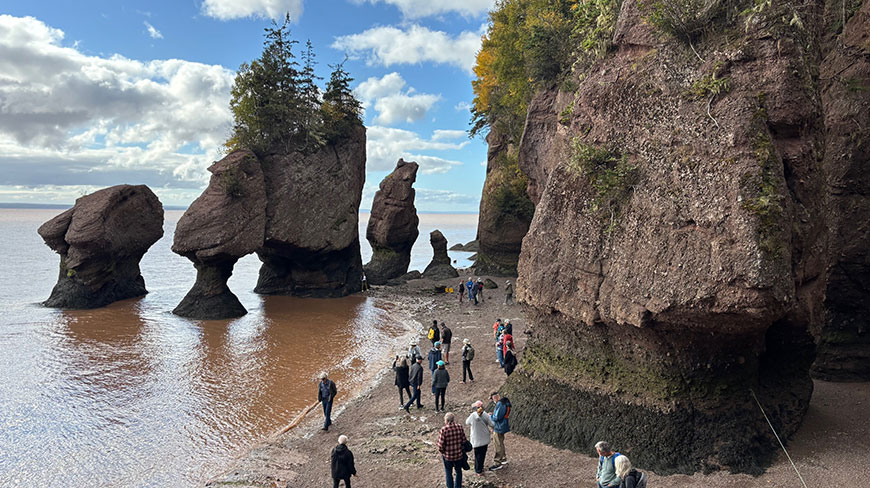
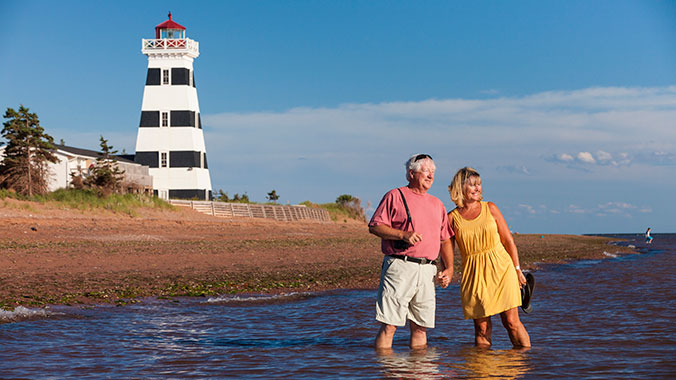
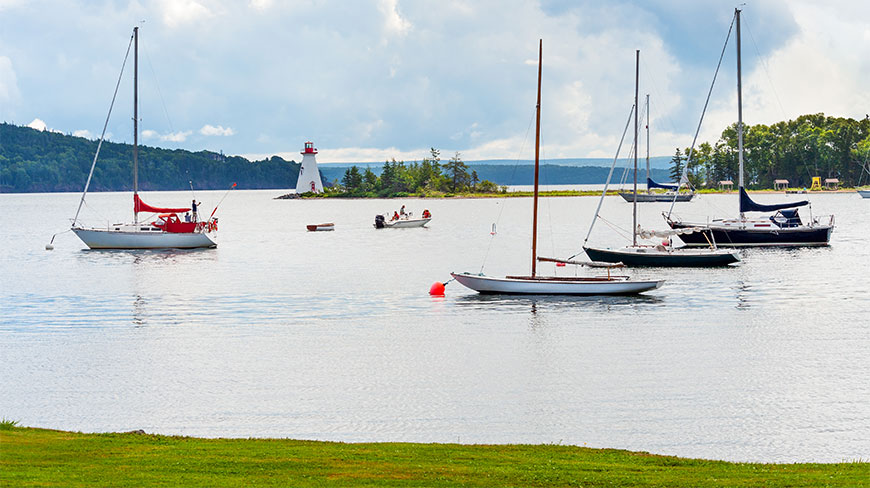
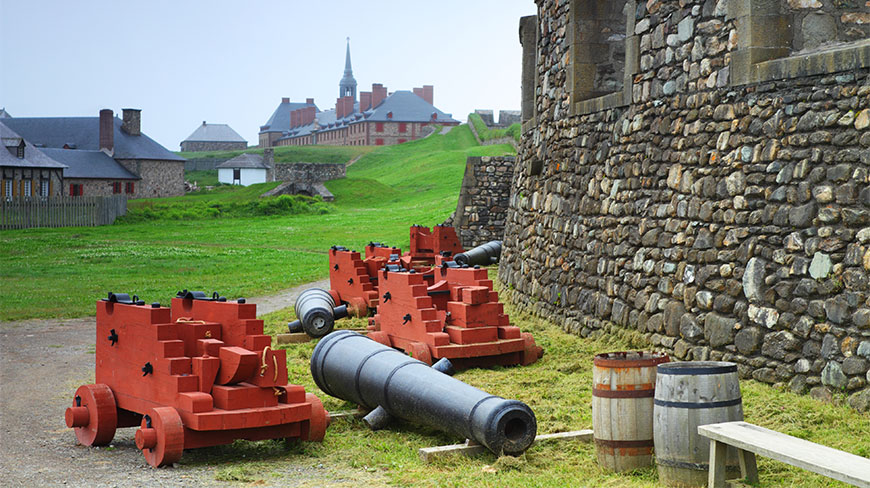
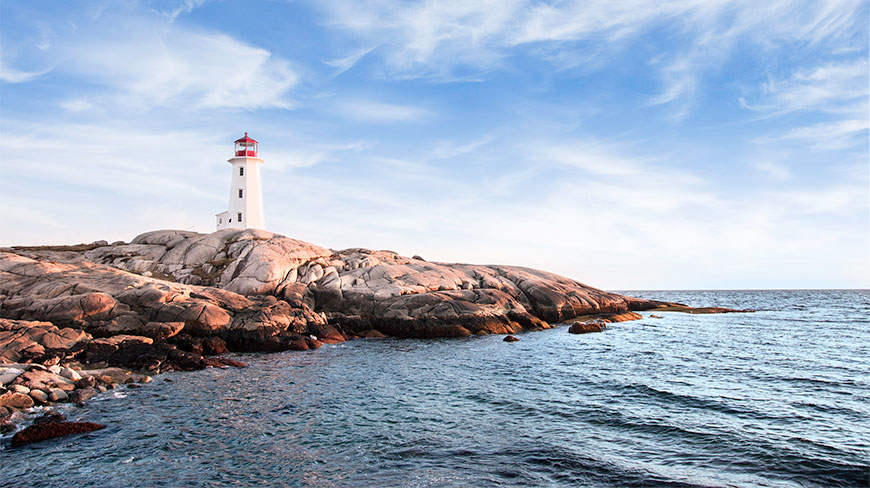
5,399Embrace the colorful history of Canada's Maritime provinces on a journey through Nova Scotia including Cape Breton, Prince Edward Island and New Brunswick. Delve into the history of Halifax, stroll the UNESCO World Heritage Site of Old Town Lunenburg, and step back in time at the Fortress of Louisbourg. Gain insight into the rich Celtic and Acadian cultures through their music, traditions and history. Discover the historic seaport of Charlottetown, marvel at the dramatic tides of the Bay of Fundy and experience the stunning coastal landscapes that define the Maritimes.
Best of all, you'll...
- Explore the highlights of Nova Scotia, Prince Edward Island and New Brunswick on one comprehensive learning adventure.
- Discover the dynamic nature of coastal sand dune ecosystems in Prince Edward Island National Park.
- Savor fresh Maritime seafood, including lobster and mussels, and enjoy the warmth of East Coast hospitality with traditional music and a lively local cèilidh.
General Notes
Select dates are designated for small groups and are limited to 24 participants or less.
Featured Expert
All Experts
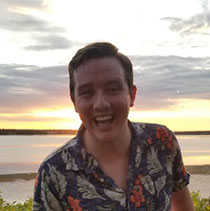
James White
James (Jay) White is an expert in history, having earned his PhD in Canadian History from McMaster University in 1994. After a two-year stint at Western Washington University, Jay migrated home to Nova Scotia where he has lived ever since, teaching a variety of historical subjects. He even instructed members of the Canadian Armed Forces in military history. In his free time, he enjoys hiking and photography, is a Toronto Blue Jays and Montreal Canadiens fan, and is of Loyalist and Acadian descent.
Please Note:
This expert may not be available for every date of the program
Please Note:
These experts may not be available for every date of the program
James White
James (Jay) White is an expert in history, having earned his PhD in Canadian History from McMaster University in 1994. After a two-year stint at Western Washington University, Jay migrated home to Nova Scotia where he has lived ever since, teaching a variety of historical subjects. He even instructed members of the Canadian Armed Forces in military history. In his free time, he enjoys hiking and photography, is a Toronto Blue Jays and Montreal Canadiens fan, and is of Loyalist and Acadian descent.
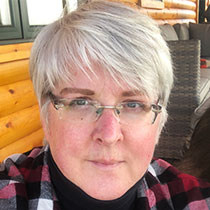
Tammy Pickering
Tammy Pickering has over 15 years' experience in educational travel and is excited to share her experiences with others. She loves nature, lives on Prince Edward Island, and has a passion for art which she indulges in by painting, taking pictures, throwing pottery, and creating leather and stained glass crafts. Tammy also loves riding her motorcycle through the countryside. Tammy also runs her own cottage rental business and volunteers with Girl Guides, Make-A-Wish, and her church.
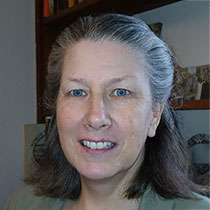
Linda Lavoie
Linda Lavoie was born and raised in Prince Edward Island and graduated from the University of P.E.I. with a degree in modern languages. She worked for the federal government in Halifax and Ottawa and Charlottetown for 33 years. In these years she also taught project management at the University of P.E.I. and has tutored adults and children in English and French. After retiring in 2013, she began working in the travel industry for Parks Canada and other organizations.
Cameron MacDonald
Cameron Bennett MacDonald was born in Charlottetown, as a 9th generation Islander. Being between the theatre and history of the Island his entire childhood, it only made sense that Cameron joined the Confederation players in 2013, a historical reenactment troupe. The troupe combined a knowledge of history and group leading experience, with a theatrical side as well, a job to honor both his parents. As the troupe’s artistic supervisor, he writes historical vignettes and shares his knowledge with those around him.
Routes Adventures Mobile Phone
Please call the toll free line at 1-866-745-1690 during regular business hours or for non-urgent matters (Mon - Fri 8:30 - 4:30 EST). The mobile phone #1-613-331-5777 is for after hours and weekends for emergency use only. The phone is carried by a staff member.
Kate MacQuarrie
Kate MacQuarrie is an award-winning botanist, naturalist, and author who has been eating wild foods, tracking wild animals, and interpreting the natural history of Prince Edward Island for more than 30 years. She holds undergraduate and graduate degrees in biology, has conducted research in PEI’s upland hardwood forests and coastal sand dunes, found plants not previously known to exist on the Island, published papers in national and international peer-reviewed journals, and released a book on the Wild Foods of PEI.
Jocelyn Bethune
Jocelyn Bethune is a storyteller at heart. She is a writer, researcher, and local historian. She has been a reporter, an interpretive guide, and is the best-selling author of 'Historic Baddeck.'
Cheryl Bray
Cheryl Bray's work is deeply rooted in Cape Breton's rich history, weaving ancestral tales of resilience and hope. From the French era at Louisbourg to the journeys of Highland Gaels and Irish immigrants who shaped the island's identity, their stories are a testament to the land's enduring spirit. As a Gaelic learner, singer, and active member of the island’s theatre community, Cheryl serves as a set designer for Cape Breton University’s Boardmore Theatre.
Graham Marshall
Graham Marshall comes from Unamaki’k (Cape Breton Island). A storyteller, singer and knowledge keeper, he has been an ambassador for his tribe, the Mi’kmaq, for several years, He performed and showcased his culture throughout the world for decades, and now the world has been coming to him in Cape Breton. Graham has also been involved with ethnomusicology where he performs throughout the world in different universities as a guest lecturer. Graham has also performed at the Smithsonian Folk Life Festival in Washington, D.C.
Activity Level
Keep the Pace
Suggested Books and Resources
View Full List
You can also find many of the books we recommend at the Road Scholar store on bookshop.org, a website that supports local bookstores.
HAVE QUESTIONS?
Prefer to enroll or inquire by phone?
We can help. Give us a call, and we can answer all of your questions!
Call
800-454-5768
Helpful Links
Enroll with Confidence
Peace of Mind
We want your Road Scholar learning adventure to be something to look forward to—not worry about. That’s why we go to the ends of the earth to give you peace of mind, from the moment you enroll until the day you return home.

Assurance Plan
Road Scholar is committed to the well-being of every participant, whether on a program in the United States or abroad. That’s why all participants are covered under our Road Scholar Assurance Plan, which provides 24-hour assistance in the event of an emergency during your program, as well as insurance for emergency medical evacuation.

Want to Protect Your Investment?
Road Scholar is pleased to offer its Trip Protection Plan as a way to protect your program investment. You may purchase this optional trip protection plan when enrolling in your program.

Sustainable Travel
We offset a portion of the emissions created by your travel. Read about our commitment to a more sustainable planet.

- Peace of Mind
We want your Road Scholar learning adventure to be something to look forward to—not worry about. That’s why we go to the ends of the earth to give you peace of mind, from the moment you enroll until the day you return home.
- Assurance Plan
Road Scholar is committed to the well-being of every participant, whether on a program in the United States or abroad. That’s why all participants are covered under our Road Scholar Assurance Plan, which provides 24-hour assistance in the event of an emergency during your program, as well as insurance for emergency medical evacuation.
- Want to Protect Your Investment?
Road Scholar is pleased to offer its Trip Protection Plan as a way to protect your program investment. You may purchase this optional trip protection plan when enrolling in your program.
- Sustainable Travel
We offset a portion of the emissions created by your travel. Read about our commitment to a more sustainable planet.
1 of 4