
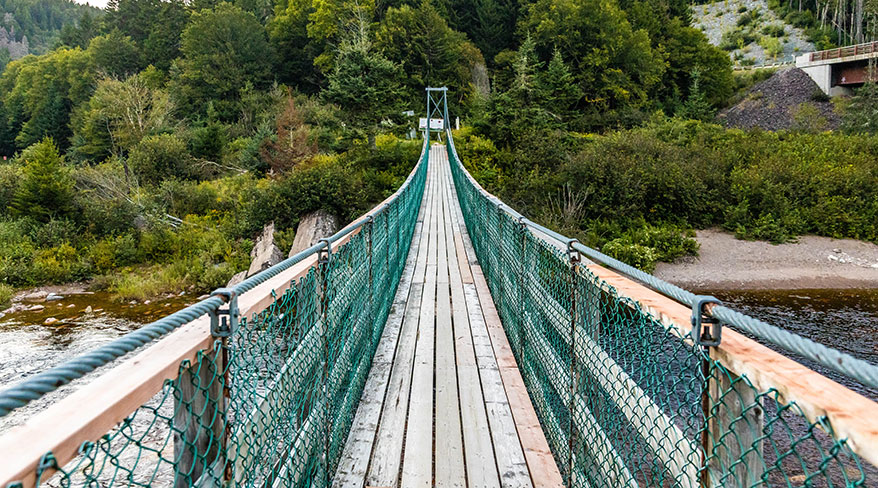
Walking up to 5 miles per day over varied terrain such as paved sidewalks, sand, uneven terrain, gravelled paths, and exposed roots. Standing up to 1 hour per day. Sturdy walking shoes are recommended. White footwear may stain. Due to pacing and activities, this program is not suitable for wheelchairs, scooters, or canes. Must be physically capable of participating in all planned program activities.
New Brunswick
Tides of Fundy: A Learning Journey on Foot
Program No. 25710RJ
See More Photos
Tides of Fundy: A Learning Journey on Foot
Tides of Fundy: A Learning Journey on Foot

1 of 6
Start Enrolling
Program
At a Glance
Duration
7 days
Program Begins
Moncton, NB
Program Concludes
Saint Martins
Meals
15 (
6B, 4L, 5D
)
Activity Level
From
3,099Enroll Early And Save
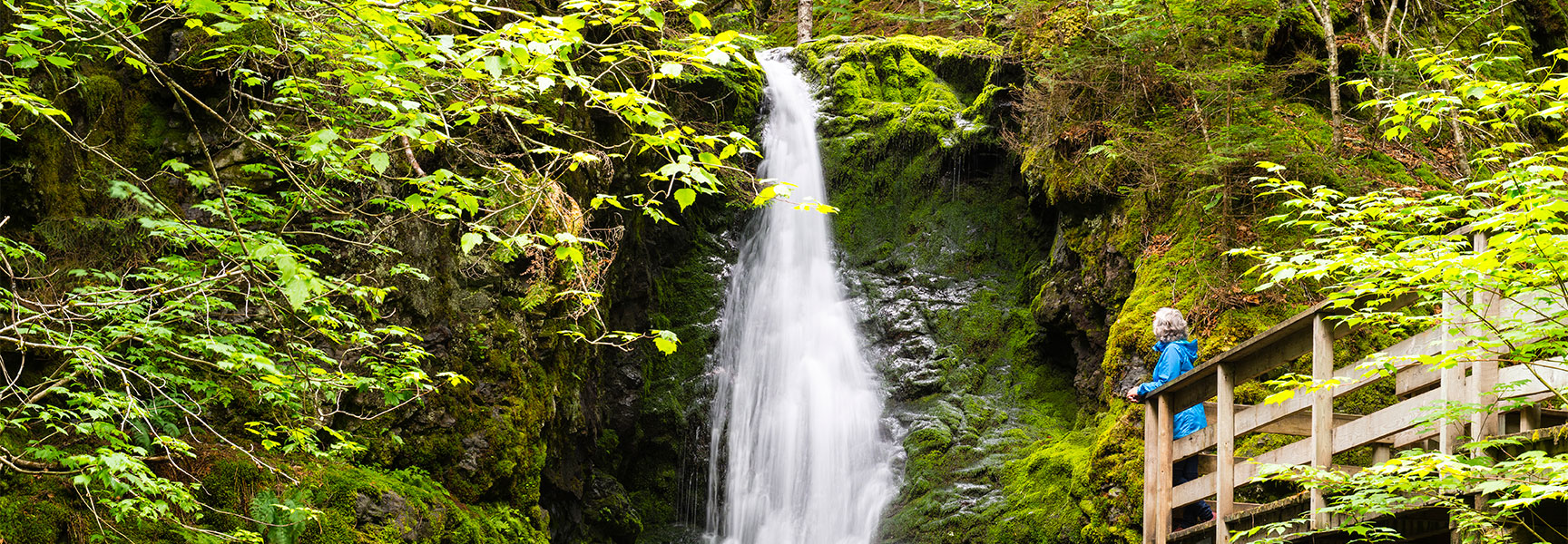
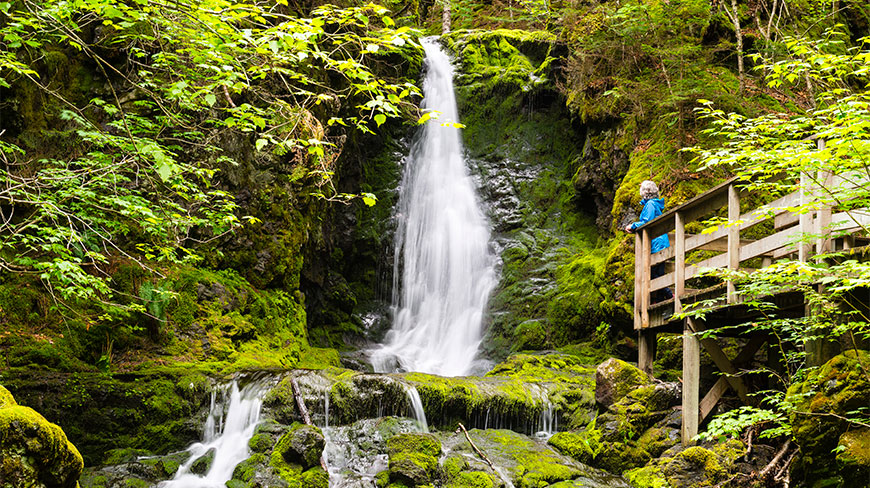
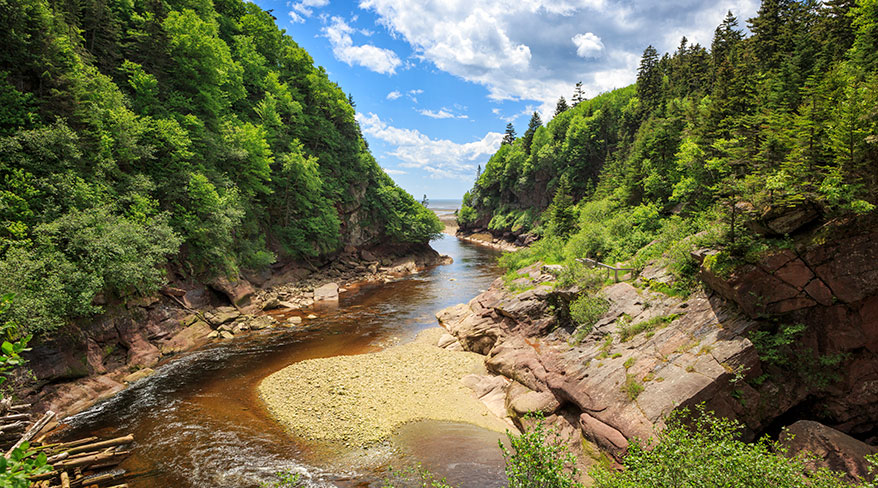
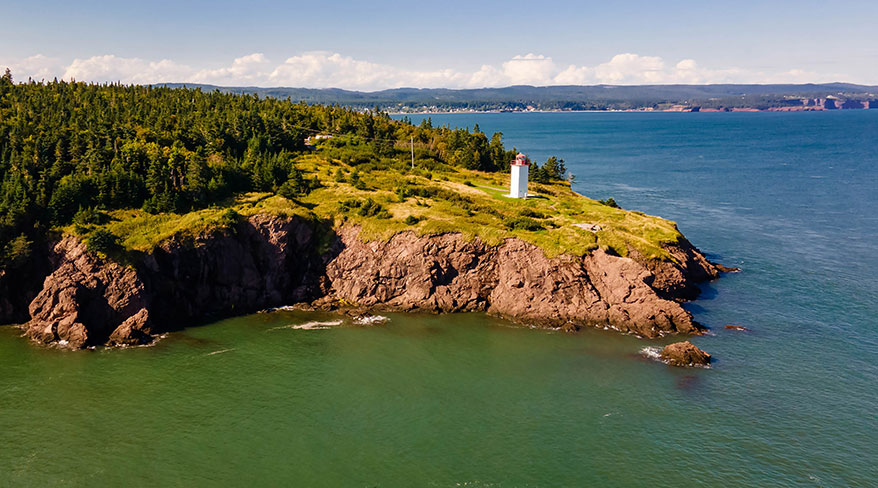
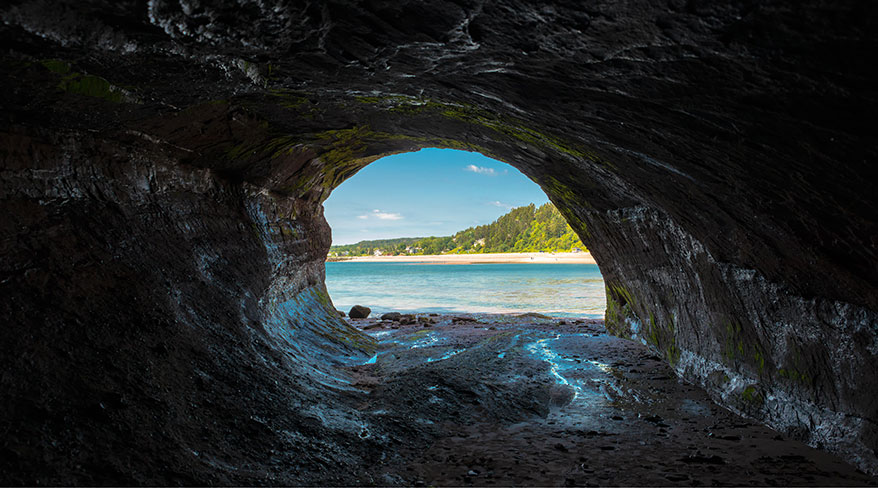
In the Bay of Fundy, you can walk the ocean floor at low tide, and float 50 above it later the same day. Home to the world’s greatest change in tides, it is also surrounded by magnificent parkland and coastal trails with stunning views of the sea. This is your chance to explore it on foot, in Fundy National Park, along the Fundy Footpath and at the Stonehammer UNESCO Geopark. You’ll encounter waterfalls, forests, hills and valleys, cliffs, beaches and one remarkable vista after another — few places reward a vigorous walk like this one does! Plus, you’ll learn from subject-matter experts about the region’s geography, rich human history and Indigenous Mi’kmak culture. You’ll immerse yourself, too, in the seafood-centric food culture that celebrates everything from shellfish to seaweed.
Best of all, you'll...
- Experience four days of exhilarating walks along one of North America’s most scenic coastlines.
- Join Indigenous subject-matter experts for lectures, interpretive field trips and storytelling.
- Enjoy a private seafood boil on the beach at Fundy National Park — lobster included!
Activity Level
Outdoor: Spirited
Suggested Books and Resources
View Full List
You can also find many of the books we recommend at the Road Scholar store on bookshop.org, a website that supports local bookstores.
HAVE QUESTIONS?
Prefer to enroll or inquire by phone?
We can help. Give us a call, and we can answer all of your questions!
Call
800-454-5768
Helpful Links
Enroll with Confidence
Peace of Mind
We want your Road Scholar learning adventure to be something to look forward to—not worry about. That’s why we go to the ends of the earth to give you peace of mind, from the moment you enroll until the day you return home.

Assurance Plan
Road Scholar is committed to the well-being of every participant, whether on a program in the United States or abroad. That’s why all participants are covered under our Road Scholar Assurance Plan, which provides 24-hour assistance in the event of an emergency during your program, as well as insurance for emergency medical evacuation.

Want to Protect Your Investment?
Road Scholar is pleased to offer its Trip Protection Plan as a way to protect your program investment. You may purchase this optional trip protection plan when enrolling in your program.

Sustainable Travel
We offset a portion of the emissions created by your travel. Read about our commitment to a more sustainable planet.

- Peace of Mind
We want your Road Scholar learning adventure to be something to look forward to—not worry about. That’s why we go to the ends of the earth to give you peace of mind, from the moment you enroll until the day you return home.
- Assurance Plan
Road Scholar is committed to the well-being of every participant, whether on a program in the United States or abroad. That’s why all participants are covered under our Road Scholar Assurance Plan, which provides 24-hour assistance in the event of an emergency during your program, as well as insurance for emergency medical evacuation.
- Want to Protect Your Investment?
Road Scholar is pleased to offer its Trip Protection Plan as a way to protect your program investment. You may purchase this optional trip protection plan when enrolling in your program.
- Sustainable Travel
We offset a portion of the emissions created by your travel. Read about our commitment to a more sustainable planet.
1 of 4