
Walking up to 2 miles per day at a moderate pace of 2 mph over city sidewalks and in museums. Standing up to 2 hours per day in museums. National Civil Rights Museum in Memphi is standing up to 4 hours. Program will require approximately 14 miles of walking over 6 days. Must be physically capable of participating in all planned program activities.

Mississippi
The Civil Rights Movement in Jackson, Memphis & Nashville
Program No. 25650RJ
See More Photos
The Civil Rights Movement in Jackson, Memphis & Nashville
The Civil Rights Movement in Jackson, Memphis & Nashville




1 of 11
Start Enrolling

Program
At a Glance
Duration
7 days
Program Begins
Jackson, Mississippi
Program Concludes
Nashville, TN
Group Type
Small Group
Meals
15 (
6B, 5L, 4D
)
Activity Level
From
3,949Enroll Early And Save
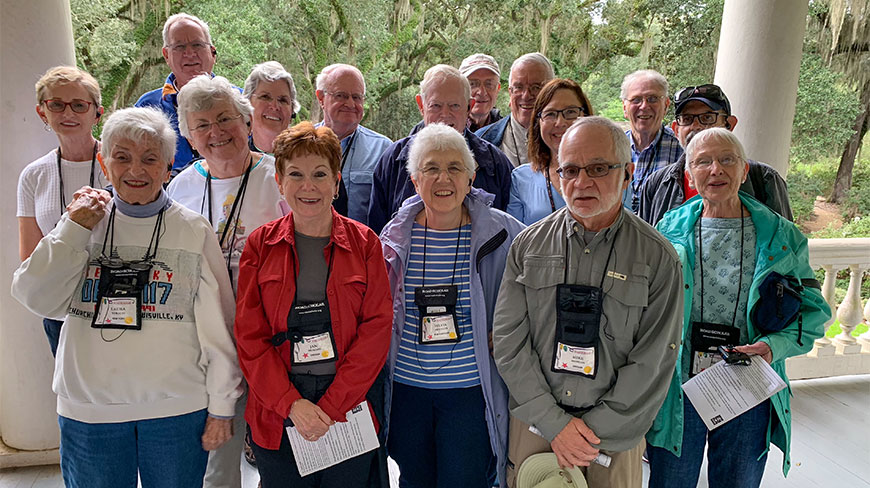
This program provides a focused exploration of the Civil Rights Movement through the study of three cities central to its history. Participants will visit Jackson, Memphis, and Nashville to examine the movement’s defining moments, key figures and lasting legacy. Through site visits and discussions, you will learn about influential leaders such as James Meredith, Medgar Evers and Fannie Lou Hamer, and explore pivotal events including the Memphis Sanitation Workers’ Strike, the trial of Emmett Till and the Freedom Summer campaign. Led by local historians and subject-matter experts, the program places these histories in context and encourages reflection on their enduring impact on American society.
Best of all, you'll...
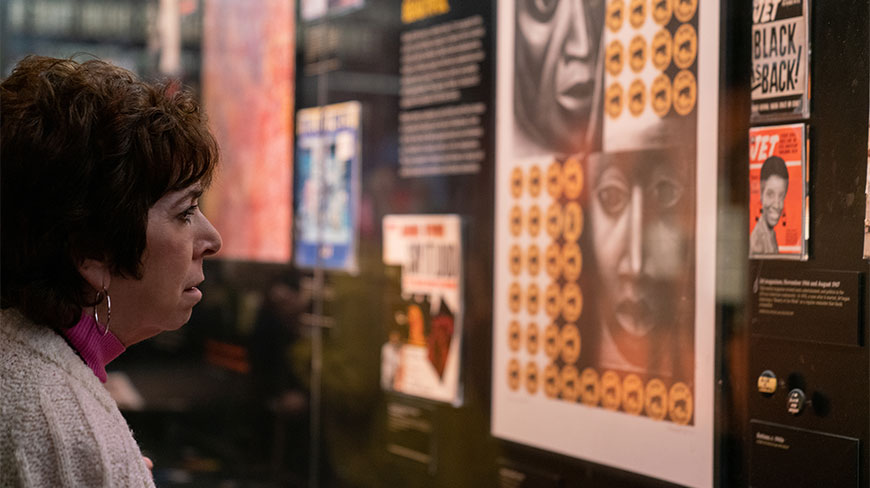
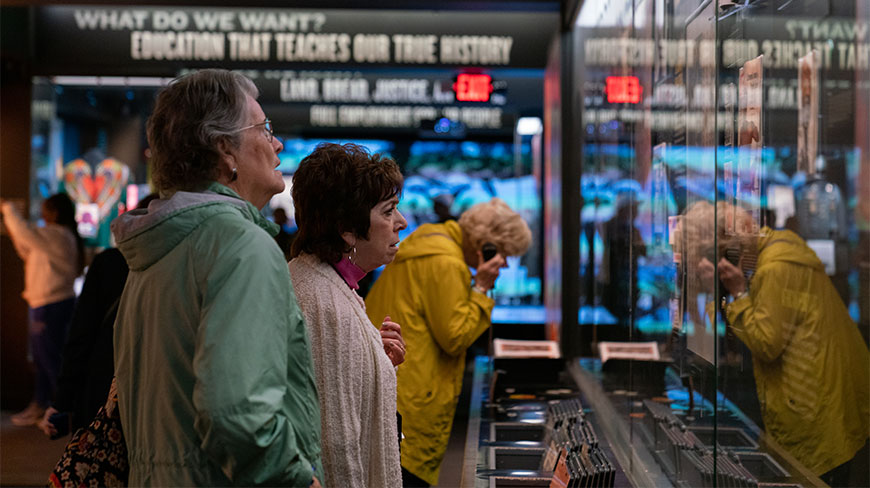
- Explore Memphis’ National Civil Rights Museum at the Lorraine Motel, site of Martin Luther King, Jr.’s assassination.
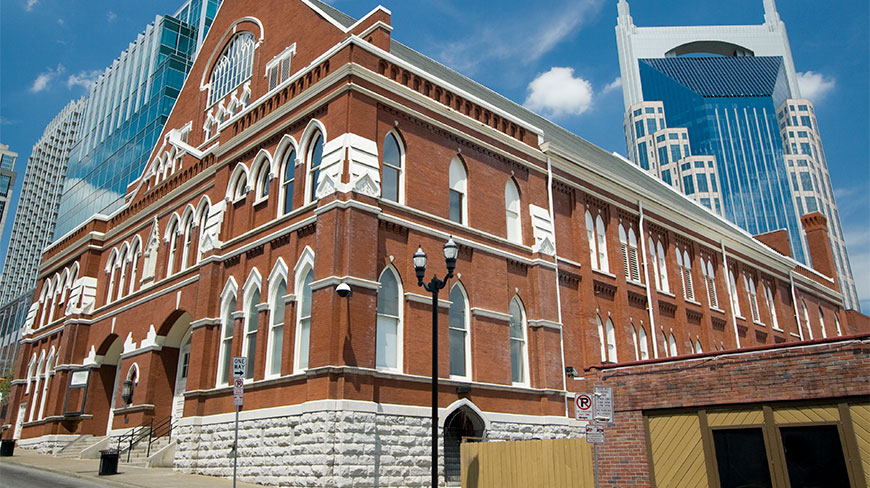
- Learn about the deep connection of the arts to the Civil Rights movement at Nashville’s National Museum of African American Music and Ryman Auditorium.
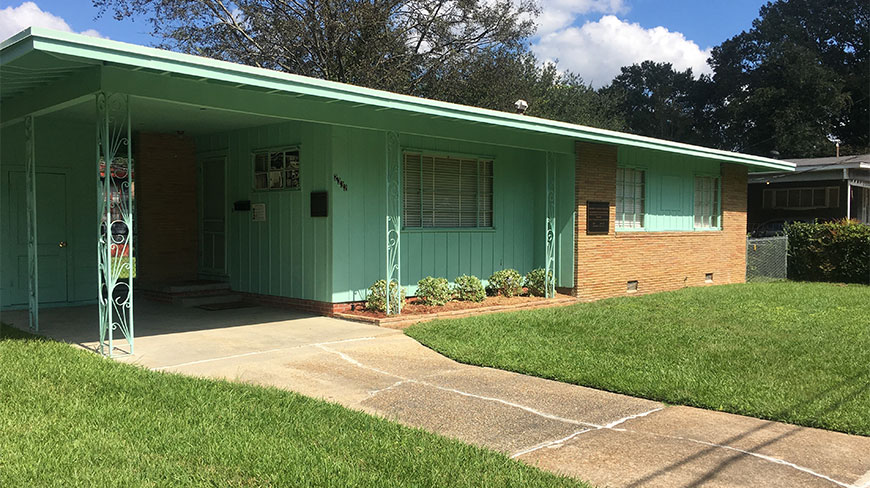
- In Jackson, visit the home of Medgar Evers, where the courageous activist and advocate was assassinated in 1963. Then explore the Emmett Till Interpretive Center in Sumner, as well as the courthouse where the trial for his murder was held.
Featured Expert
All Experts
Terrie Dal Pozzo
Terrie was raised in New Orleans and moved to the U.S. Virgin Islands at the age of 18. She became the youngest woman in the Virgin Islands to obtain a Coast Guard license to operate motor and sailing vessels. Terrie skippered sailing vessels, taking guests on journeys through the Leeward Islands, teaching them to sail and snorkel and educating them on island life. She later lived in Kitzbuhel, Austria and Perth, Australia before returning to the Virgin Islands. She currently lives in eastern Tennessee.
Please Note:
This expert may not be available for every date of the program
Please Note:
These experts may not be available for every date of the program
Terrie Dal Pozzo
Terrie was raised in New Orleans and moved to the U.S. Virgin Islands at the age of 18. She became the youngest woman in the Virgin Islands to obtain a Coast Guard license to operate motor and sailing vessels. Terrie skippered sailing vessels, taking guests on journeys through the Leeward Islands, teaching them to sail and snorkel and educating them on island life. She later lived in Kitzbuhel, Austria and Perth, Australia before returning to the Virgin Islands. She currently lives in eastern Tennessee.
Denise Swain
Denise Swain is a Southerner who loves sharing the culture, climate, and curiosity of the Deep South. Her hometown was the coastal region of Georgia, better known as the Golden Isles. Denise resides today in northern Alabama. Her passion is to keep stories alive while enabling participants to observe sometimes overlooked people and spaces. She is a certified exploration director and spent more than 40 years in the advertising industry. She now enjoys hiking, biking, outdoor concerts, and leading Road Scholar groups on educational adventures.
Activity Level
Keep the Pace
Small Group
(13 to 24)
Love to learn and explore in a small-group setting? These adventures offer small, personal experiences with groups of 13 to 24 participants.
Suggested Books and Resources
View Full List
You can also find many of the books we recommend at the Road Scholar store on bookshop.org, a website that supports local bookstores.
HAVE QUESTIONS?
Prefer to enroll or inquire by phone?
We can help. Give us a call, and we can answer all of your questions!
Call
800-454-5768
Helpful Links
Enroll with Confidence
Peace of Mind
We want your Road Scholar learning adventure to be something to look forward to—not worry about. That’s why we go to the ends of the earth to give you peace of mind, from the moment you enroll until the day you return home.

Assurance Plan
Road Scholar is committed to the well-being of every participant, whether on a program in the United States or abroad. That’s why all participants are covered under our Road Scholar Assurance Plan, which provides 24-hour assistance in the event of an emergency during your program, as well as insurance for emergency medical evacuation.

Want to Protect Your Investment?
Road Scholar is pleased to offer its Trip Protection Plan as a way to protect your program investment. You may purchase this optional trip protection plan when enrolling in your program.

Sustainable Travel
We offset a portion of the emissions created by your travel. Read about our commitment to a more sustainable planet.

- Peace of Mind
We want your Road Scholar learning adventure to be something to look forward to—not worry about. That’s why we go to the ends of the earth to give you peace of mind, from the moment you enroll until the day you return home.
- Assurance Plan
Road Scholar is committed to the well-being of every participant, whether on a program in the United States or abroad. That’s why all participants are covered under our Road Scholar Assurance Plan, which provides 24-hour assistance in the event of an emergency during your program, as well as insurance for emergency medical evacuation.
- Want to Protect Your Investment?
Road Scholar is pleased to offer its Trip Protection Plan as a way to protect your program investment. You may purchase this optional trip protection plan when enrolling in your program.
- Sustainable Travel
We offset a portion of the emissions created by your travel. Read about our commitment to a more sustainable planet.
1 of 4