
Walking up to 6 miles per day at a moderate pace of 2 mph over uneven terrain, marble and terracotta flooring, cobblestones, steep inclines, loose gravel, and dirt paths with elective hiking opportunities. Standing up to 4 hours per day. Program will require approximately 35 miles of walking over 12 days with an additional 5 miles for elective walks/hikes. This mileage does not include free time. Must be able to use stairs without handrails in order to navigate field trip sites. Program-related travel and transfers will be via bus, minivans, and regional and high-speed trains. Due to unavoidable stairs and pacing, wheelchairs and scooters cannot be accommodated on this program. Must be physically capable of participating in all planned program activities.
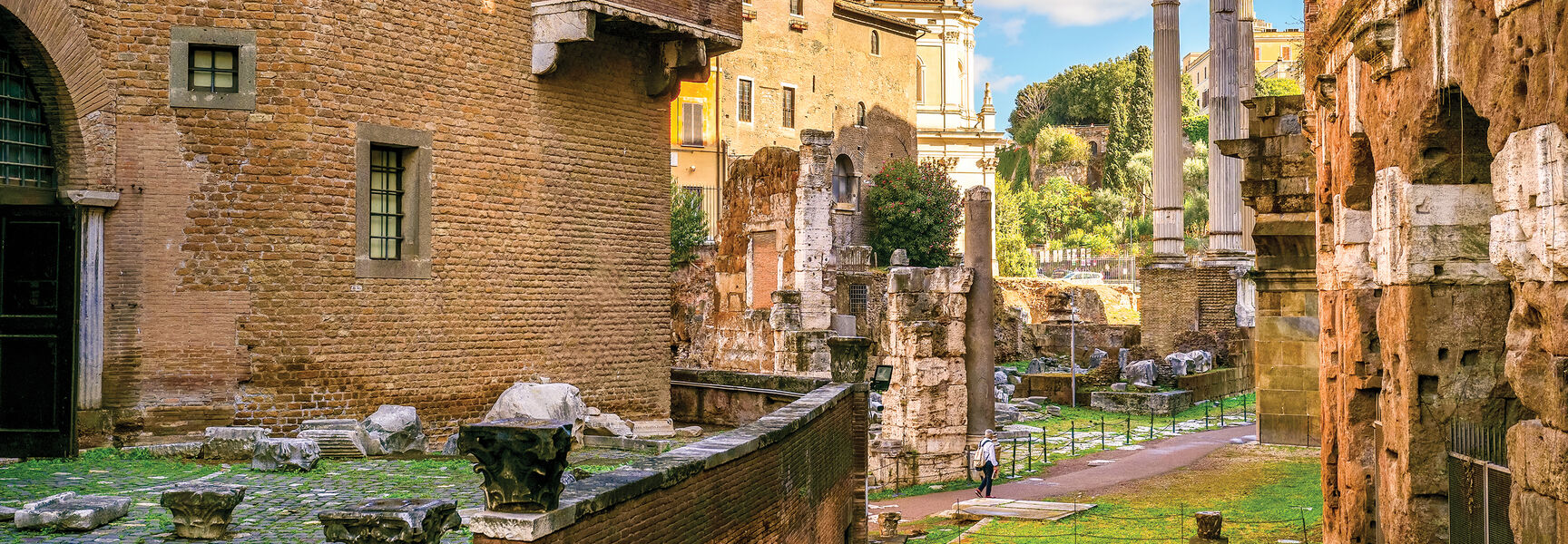
Italy
From Axis Power to Bastion of Resistance: Italy in World War II
Program No. 25163RJ
See More Photos
From Axis Power to Bastion of Resistance: Italy in World War II
From Axis Power to Bastion of Resistance: Italy in World War II

1 of 8
Start Enrolling

Program
At a Glance
Duration
13 days
Program Begins
Castellammare di Stabia
Program Concludes
Lucca
Group Type
Small Group
Meals
24 (
11B, 7L, 6D
)
Activity Level
From
6,249Enroll Early And Save
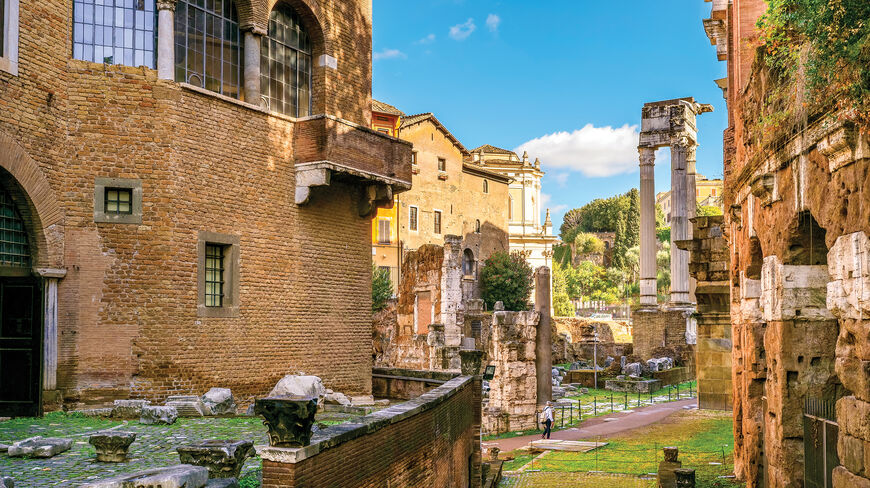
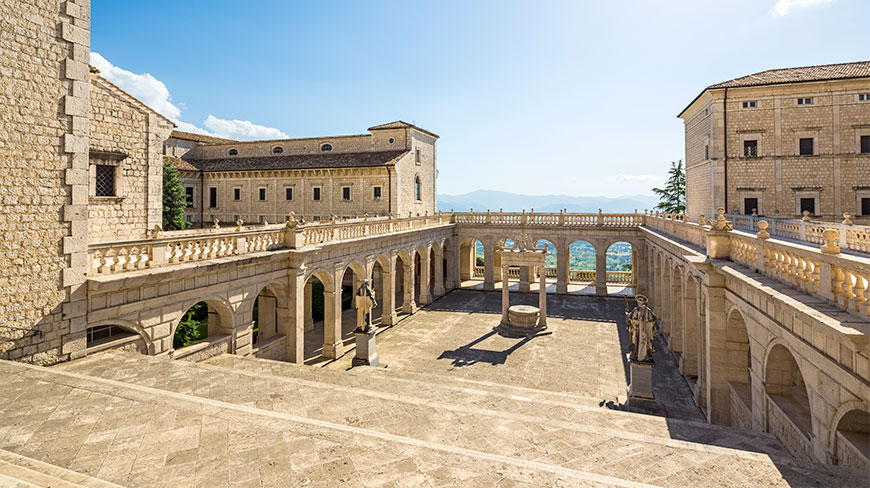
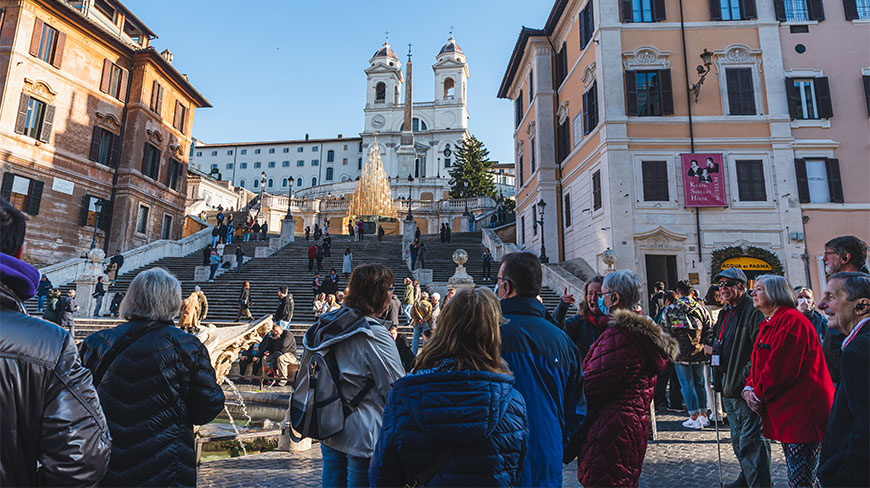
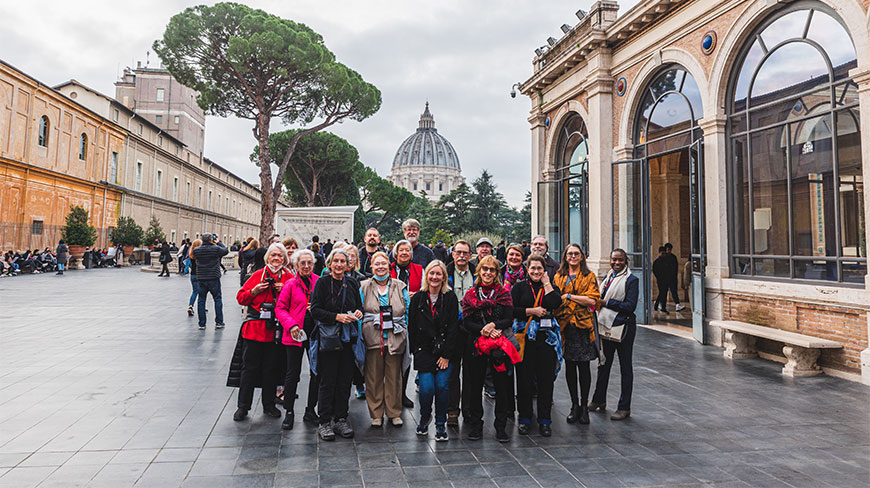
In five fast-moving years, Italy went from Axis aggressor to signing an armistice to joining the Allies against Germany until the war’s end. It was a story of oppression, valor, resistance, tragedy and triumph that’s highlighted on this multi-city exploration of history. Descend into Naples Underground, where bomb shelters share a subterranean world with Roman-era sites. Take field trips to pivotal battlegrounds at Anzio and Salerno, learn about the impact of the war on Rome’s Jewish Ghetto and enjoy lectures on topics like the Monuments Men and the Italian Resistance. Throughout the program, you’ll also experience enduring aspects of Italian culture, from culinary delights to bustling markets to icons of art and architecture.
Best of all, you'll...
- Explore the ancient aqueducts, catacombs and Roman theater that share the tunnels and caverns beneath Naples with war-era bomb shelters.
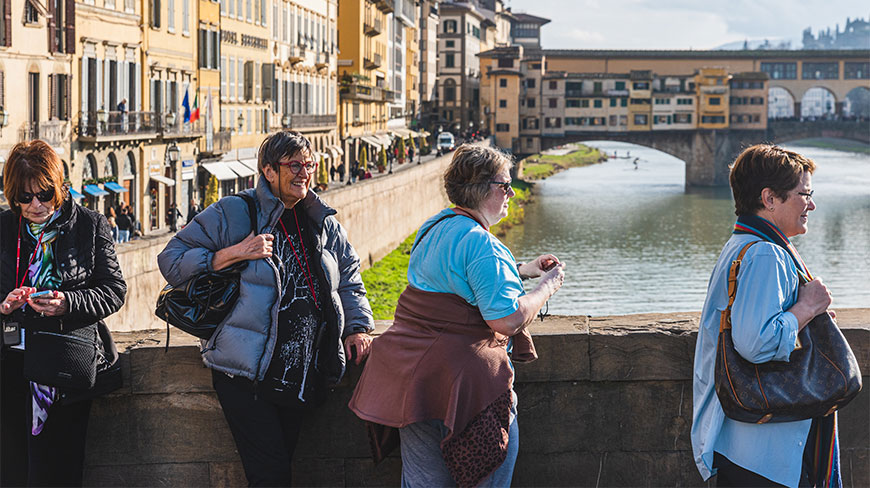
- Study the magnificent architecture of Florence and savor its Tuscan cuisine as you learn about the city’s role in the war.
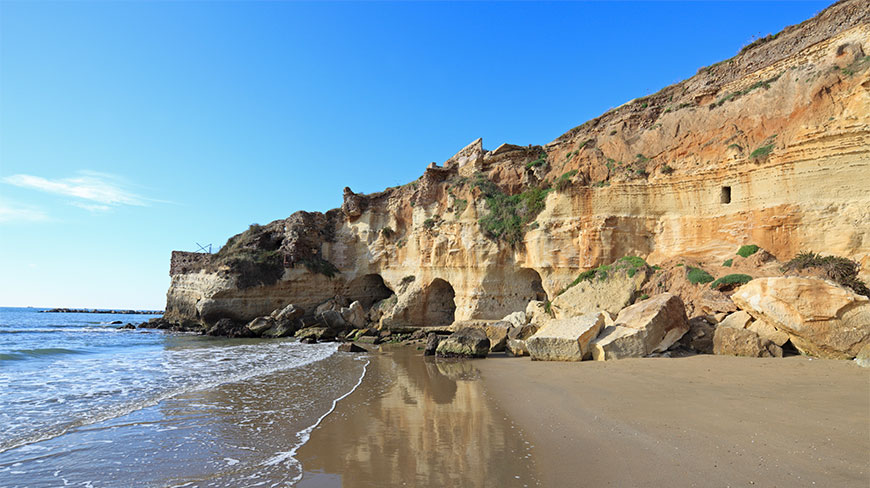
- Venture to Salerno, Anzio and other sites central to Operation Avalanche and Operation Diadem, pivotal campaigns in the war.
General Notes
Due to advance reservation requirements and limited group capacity at some popular museums, occasional itinerary adjustments may be necessary.
Featured Expert
All Experts
Simon Martin
Simon Martin holds a B.A. in History from Queen Mary and Westfield College (London), an M.A. in Slavonic Studies from the School of Slavonic and East European Studies (London), and a Ph.D. from University College (London). His doctoral thesis, later developed into a book — “Football and Fascism” — on football and Fascism in Mussolini’s Italy (2004) won the British Society for Sport’s History’s Lord Aberdare prize for literary history. His book, “Sport Italia: the Italian Love Affair with Sport” won the same prize in 2012.
Please Note:
This expert may not be available for every date of the program
Please Note:
These experts may not be available for every date of the program
Simon Martin
Simon Martin holds a B.A. in History from Queen Mary and Westfield College (London), an M.A. in Slavonic Studies from the School of Slavonic and East European Studies (London), and a Ph.D. from University College (London). His doctoral thesis, later developed into a book — “Football and Fascism” — on football and Fascism in Mussolini’s Italy (2004) won the British Society for Sport’s History’s Lord Aberdare prize for literary history. His book, “Sport Italia: the Italian Love Affair with Sport” won the same prize in 2012.
Enzo Mangini
Enzo Mangini was born and raised in Calabria in southern Italy. He moved to Perugia for college and graduated in political sciences with a major in history of the Mediterranean. He then moved to Rome to attend the LUISS School of Journalism. After 15 years as a professional journalist, Enzo decided to change careers and became an exploration leader. Enzo, his wife Federica, and daughter Frida live in a small town between Rome and Naples.
Activity Level
Let's Go!
Small Group
(13 to 24)
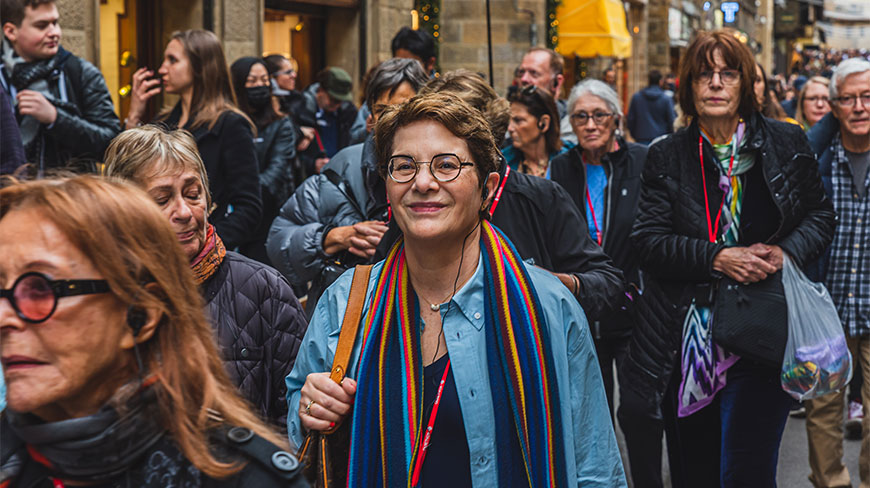
Love to learn and explore in a small-group setting? These adventures offer small, personal experiences with groups of 13 to 24 participants.
Suggested Books and Resources
View Full List
You can also find many of the books we recommend at the Road Scholar store on bookshop.org, a website that supports local bookstores.
HAVE QUESTIONS?
Prefer to enroll or inquire by phone?
We can help. Give us a call, and we can answer all of your questions!
Call
800-454-5768
Helpful Links
Enroll with Confidence
Peace of Mind
We want your Road Scholar learning adventure to be something to look forward to—not worry about. That’s why we go to the ends of the earth to give you peace of mind, from the moment you enroll until the day you return home.

Assurance Plan
Road Scholar is committed to the well-being of every participant, whether on a program in the United States or abroad. That’s why all participants are covered under our Road Scholar Assurance Plan, which provides 24-hour assistance in the event of an emergency during your program, as well as insurance for emergency medical evacuation.

Want to Protect Your Investment?
Road Scholar is pleased to offer its Trip Protection Plan as a way to protect your program investment. You may purchase this optional trip protection plan when enrolling in your program.

Sustainable Travel
We offset a portion of the emissions created by your travel. Read about our commitment to a more sustainable planet.

- Peace of Mind
We want your Road Scholar learning adventure to be something to look forward to—not worry about. That’s why we go to the ends of the earth to give you peace of mind, from the moment you enroll until the day you return home.
- Assurance Plan
Road Scholar is committed to the well-being of every participant, whether on a program in the United States or abroad. That’s why all participants are covered under our Road Scholar Assurance Plan, which provides 24-hour assistance in the event of an emergency during your program, as well as insurance for emergency medical evacuation.
- Want to Protect Your Investment?
Road Scholar is pleased to offer its Trip Protection Plan as a way to protect your program investment. You may purchase this optional trip protection plan when enrolling in your program.
- Sustainable Travel
We offset a portion of the emissions created by your travel. Read about our commitment to a more sustainable planet.
1 of 4