
Active walking up to 3-4 miles daily during course of the day. Standing up to one and a half hours in museums. Extensive walking at horse farm on dirt paths and uneven terrain. Stairs in historical buildings with no elevators.

Kentucky
Signature City Louisville
Program No. 22629RJ
See More Photos
Signature City Louisville
Signature City Louisville





1 of 7
Start Enrolling


Program
At a Glance
Duration
6 days
Program Begins
Louisville, Kentucky
Program Concludes
Louisville, Kentucky
Group Type
Small Group
Meals
12 (
5B, 3L, 4D
)
Activity Level
From
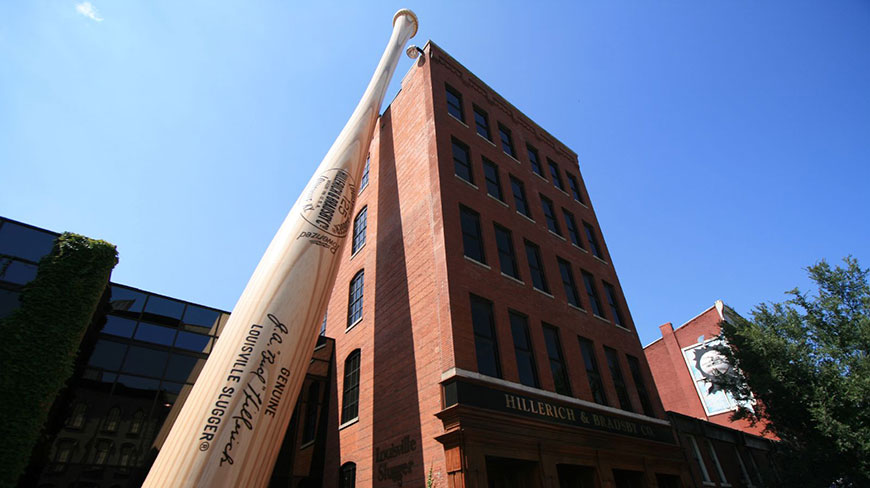
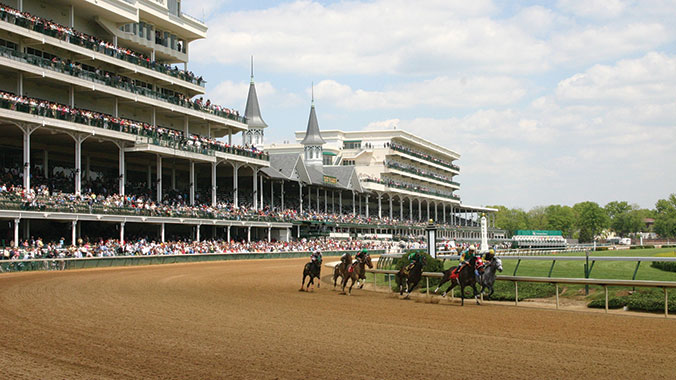
2,999Louisville stands as the proud home of three great traditions — baseball, bourbon and horseracing. From a behind-the-scenes look at the legendary Louisville Slugger factory to a private breakfast at Churchill Downs, get an insider’s view of the city’s rich heritage. Discover the art of distillation with a bourbon tasting at the famed Evan Williams Bourbon Experience, and delve into the life and legacy of Muhammad Ali at his dedicated museum. With architecture ranging from historic Victorians to sleek modern skyscrapers, Louisville offers the perfect blend of old and new.
Best of all, you'll...
- Enjoy breakfast at Churchill Downs’ Track Kitchen while watching racehorses in their morning workouts.
- Dive into the legacy of Muhammad Ali at the Muhammad Ali Center, exploring his life and the impact of his inner strength and character.
- Discover the unique architecture of Louisville with a blend of historic Victorian homes and sleek, modern skyscrapers.
Featured Expert
All Experts
Barry Northern
Barry Northern is a Louisville native who has spent most of his life around the Kentucky Derby. He has worked for the Derby Museum for 16 years and has attended 47 Derby runnings.
Please Note:
This expert may not be available for every date of the program
Please Note:
These experts may not be available for every date of the program
Becky Alexander
Becky Alexander lives in Alabama and leads programs in the United States and Canada. She is also a multi-published magazine writer and book author. She has traveled extensively throughout the U.S., Canada, Mexico, and Europe.
Barry Northern
Barry Northern is a Louisville native who has spent most of his life around the Kentucky Derby. He has worked for the Derby Museum for 16 years and has attended 47 Derby runnings.
Activity Level
On Your Feet
Small Group
(13 to 24)
Love to learn and explore in a small-group setting? These adventures offer small, personal experiences with groups of 13 to 24 participants.
Suggested Books and Resources
View Full List
You can also find many of the books we recommend at the Road Scholar store on bookshop.org, a website that supports local bookstores.
HAVE QUESTIONS?
Prefer to enroll or inquire by phone?
We can help. Give us a call, and we can answer all of your questions!
Call
800-454-5768
Helpful Links
Enroll with Confidence
Peace of Mind
We want your Road Scholar learning adventure to be something to look forward to—not worry about. That’s why we go to the ends of the earth to give you peace of mind, from the moment you enroll until the day you return home.

Assurance Plan
Road Scholar is committed to the well-being of every participant, whether on a program in the United States or abroad. That’s why all participants are covered under our Road Scholar Assurance Plan, which provides 24-hour assistance in the event of an emergency during your program, as well as insurance for emergency medical evacuation.

Want to Protect Your Investment?
Road Scholar is pleased to offer its Trip Protection Plan as a way to protect your program investment. You may purchase this optional trip protection plan when enrolling in your program.

Sustainable Travel
We offset a portion of the emissions created by your travel. Read about our commitment to a more sustainable planet.

- Peace of Mind
We want your Road Scholar learning adventure to be something to look forward to—not worry about. That’s why we go to the ends of the earth to give you peace of mind, from the moment you enroll until the day you return home.
- Assurance Plan
Road Scholar is committed to the well-being of every participant, whether on a program in the United States or abroad. That’s why all participants are covered under our Road Scholar Assurance Plan, which provides 24-hour assistance in the event of an emergency during your program, as well as insurance for emergency medical evacuation.
- Want to Protect Your Investment?
Road Scholar is pleased to offer its Trip Protection Plan as a way to protect your program investment. You may purchase this optional trip protection plan when enrolling in your program.
- Sustainable Travel
We offset a portion of the emissions created by your travel. Read about our commitment to a more sustainable planet.
1 of 4