
What Is Active Aging and Why Is It Important?

-
Active aging includes much more than exercise. It means staying engaged with the activities, people and purposes that matter to you.
-
Engaging in learning, relationships, movement, hobbies and communities can all be part of aging actively.
-
There is no single model for active aging. The best choices reflect your interests, abilities, circumstances and goals.
-
Travel can bring several parts of active aging together through learning, exploration, movement and shared experiences.
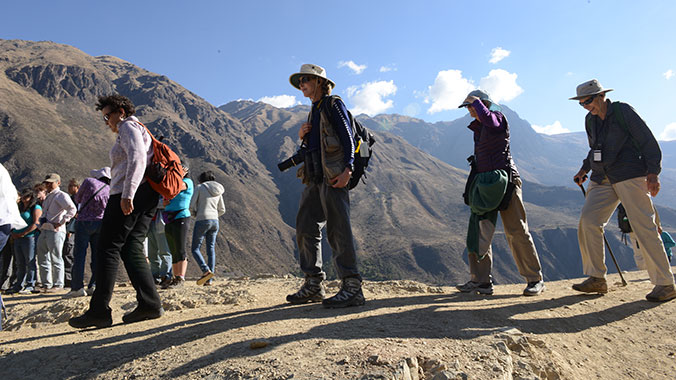
Active aging means staying engaged in the parts of life that matter to you as you grow older. It's more than just physical activity — it may involve lifelong learning, building relationships and pursuing experiences that keep you curious about the world.
Aging actively doesn't require running marathons or meeting a certain health threshold. In fact, the World Health Organization (WHO) emphasizes that active seniors can have very different abilities, needs and circumstances.
That makes active aging personal. For some, it might mean joining a hiking group. For others, it means taking a history class, volunteering or sharing dinner with friends. In this article, we'll explore what active aging looks like, why it matters, and how to find opportunities that fit your interests.
What Does Active Aging Mean?
Active aging means taking a broader view of life. Instead of focusing on physical decline, seniors can stay active by finding ways to engage in the meaningful parts of life.
The International Council on Active Aging (ICAA) identifies seven dimensions that contribute to active aging: emotional, environmental, intellectual, physical, vocational, social and spiritual.
In other words, the secrets to aging well can involve your mind, relationships, environment and sense of purpose — not just your body.
Why Is Active Aging Important?
Active aging matters because life keeps offering ways to grow as we grow older. The WHO framework finds that perfect health matters less than “functional ability” when it comes to aging well. Specifically, learning, making decisions, connecting with others and participating in our communities are keys to finding purpose and staying engaged.
Those habits start with everyday choices. You might learn about a favorite subject, connect with friends, pursue a hobby, start an accessible exercise program or find a way to volunteer in your community.
Whatever your interests and capabilities, staying active to the best of your ability offers a more fulfilling, enriching and rewarding way to make the most of later life.
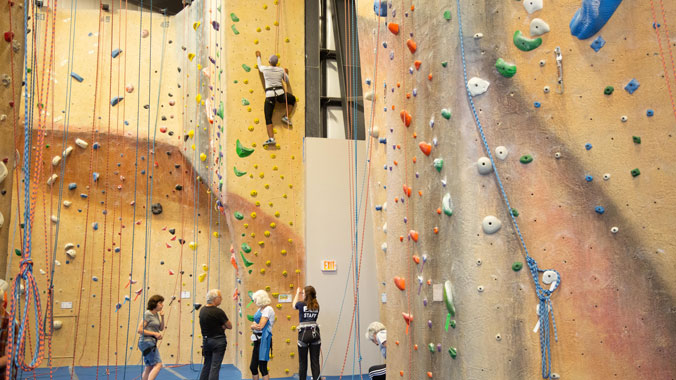
Active Aging Is More Than Staying Physically Active
Being "active" doesn't have to mean being athletic. An active person might learn Italian, attend a lecture on archaeology or take up photography. Someone else might volunteer at a museum, join a book group, spend more time outdoors or travel somewhere they've never been.
Even if you love exercise, staying active after 50 can take many forms. You don't need to run a marathon or join a sports league — in fact, movement educator David Wilson suggests that the secret to movement at any age is curiosity: “What matters more than anything is to just start […] and see where that takes you.”
Ways to Practice Active Aging in Everyday Life
You don't need to reinvent your routine. Small choices can create new chances to participate, learn and connect.
Keep Learning
Read a book on a subject you’ve always wondered about. Take a class or online lecture. Learn a language. Visit a museum or develop a creative skill. Wherever your curiosity leads you, there waits a world of discovery that can help keep your mind and body active.
Stay Connected
Social connection for older adults can take many forms. Whether calling an old friend, joining a group based on a shared interest, volunteering in your community or inviting someone to try an activity with you, active aging is best together.
Find Movement You Enjoy
Everything from walking and hiking tours to pickleball adventures and broader outdoor programs offers opportunities to keep moving. The important thing is to set a comfortable pace and find an activity that matches your interests.
Explore New Interests and Hobbies
Retirement hobbies can be creative, educational or recreational — or all three at once! Some popular options include photography, birding, painting, cooking, music and learning about local history.
Contribute and Stay Involved
Mentoring, community projects and other volunteer opportunities for seniors help retirees provide a positive, purposeful impact. Service learning adventures also offer meaningful ways to stay engaged.

How Travel Can Be Part of Active Aging
Active aging and travel are a natural fit. Educational travel allows participants to pursue several aspects of active aging within a single experience. On a learning adventure, you might engage in:
- Walking and exploration
- Learning from experts
- Encountering different cultures
- Spending time in nature
- Meeting people with shared interests
- Trying unfamiliar activities
- Continuing lifelong learning
Good retirement travel planning starts with finding a program that matches both your curiosity and your preferred pace. For instance, Road Scholar learning adventures focus on unique interests, and there's no prize for choosing the most physically demanding trip. The only question is which active aging program is right for you.
Choosing Activities That Fit Your Version of Active Aging
Searchers sometimes use the phrase “activities for the aged,” but meaningful activities shouldn't be chosen simply by age.
Active aging should look like your life, not somebody else's. Think about what interests you, how much movement feels comfortable, whether you enjoy group settings and what you'd like to learn or contribute.
Whether you prefer a historical excursion or a health and wellness program, your priorities matter most.

Frequently Asked Questions About Active Aging
What Is Active Aging?
Active aging means staying engaged in meaningful parts of life as you grow older. It may include movement, learning, relationships, community participation, creativity and finding purpose.
What Is the Difference Between Active Aging and Healthy Aging?
The concepts overlap, but they come from different frameworks. While past active aging frameworks focused on opportunities for health, participation and security, current frameworks focus on healthy aging and the functional ability to do the things a person values.
Does Active Aging Mean Exercising Every Day?
No. Movement can be part of active aging, but so can learning, volunteering, creative pursuits, relationships and other meaningful activities.
What Are Examples of Active Aging Activities?
Examples of activities that contribute to active aging can include walking, attending lectures, traveling, learning a skill, volunteering, pursuing hobbies, participating in recreational sports and spending time with others.
Can You Practice Active Aging With Limited Mobility?
Yes, since active aging isn't defined by physical ability. Learning, relationships, creativity, purpose and activities that interest you can all provide opportunities to stay engaged.
Why Is Lifelong Learning Important to Active Aging?
Lifelong learning is driven by curiosity. Curiosity offers opportunities to follow your passions, build skills and encounter new people and ideas — all hallmarks of active aging.
How Can Travel Support Active Aging?
Travel creates opportunities to learn, move, interact with others and experience new environments. The mix depends on the traveler and the program, which is why matching an adventure to your interests and activity level matters.
Keep Learning, Exploring and Engaging With Road Scholar
There's no finish line for curiosity.
Do you want to study history where it happened, spend more time in nature, develop a hobby or exchange ideas with fellow lifelong learners? Whatever interests you, active aging starts with finding ways to keep participating. It's not about adding years to your life, but adding life to your years.
Road Scholar's learning adventures offer opportunities to keep asking questions, discovering new places and exploring what comes next. Explore Road Scholar's Age Well With Road Scholar resources to learn more.