
Wandering Off the Beaten Path: Benefits of Less-Traveled Adventures

- Off-the-beaten-path travel doesn’t have to be remote or difficult. It can mean exploring lesser-known places, quieter attractions or popular destinations during less-busy seasons.
- Off-season travel can offer fewer crowds while allowing more time for in-depth learning.
- Responsible travel means respecting local communities and protecting natural and cultural places.
- Secret travel spots are rarely truly secret. Instead, look for lesser-known places and quieter travel periods that can offer unique experiences.
“Nobody goes there anymore. It’s too crowded.”
—Yogi Berra
Venturing off the beaten path doesn’t have to mean roughing it. Finding a unique adventure can be as simple as skipping high-density tourist attractions in favor of quieter ones, focusing on learning rather than sightseeing or traveling during the off-season.
The thrill of off-the-beaten-path travel lies in creating your own memories rather than following in others' footsteps. Who knows … the path you choose might soon be the one others follow!
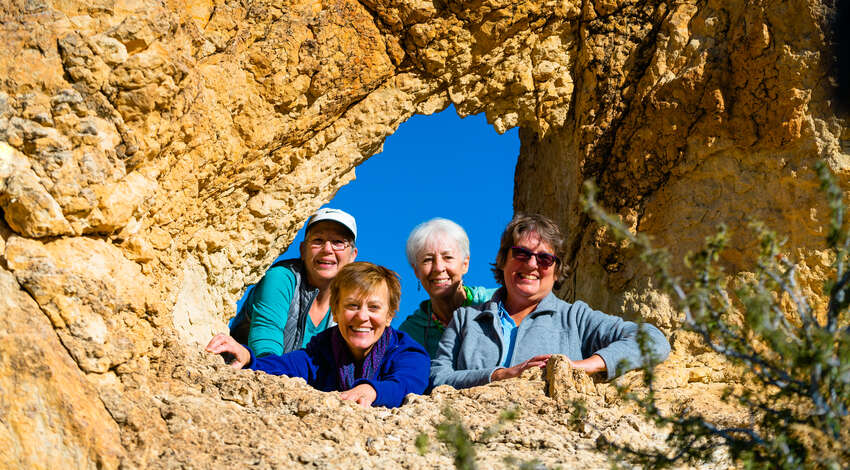
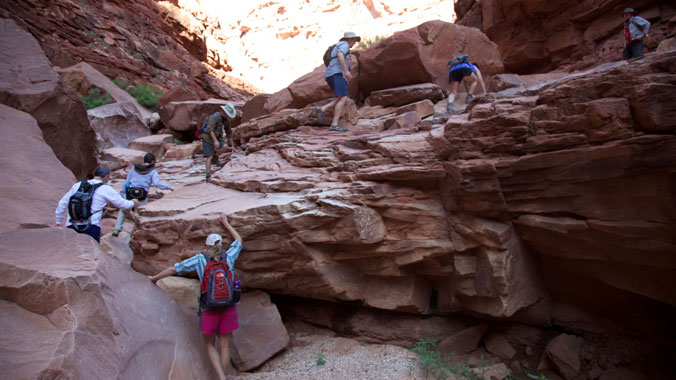
Participants at Big Bend National Park, Texas
Some travelers like boasting rights. My travel friends have posted photos galore of their trips to the Stans (Kazakhstan, Kyrgyzstan, Uzbekistan, Turkmenistan, and Tajikistan), Bhutan, Patagonia, or Easter Island, and feel that the farther and less accessible, the better. (I find myself retelling, perhaps too often, the story of how feral dogs surrounded me on a journey — literally off the beaten path — between the border town of Zhangmu in Tibet and into Nepal.)
But traveling off the beaten path doesn’t have to include being alone with a pack of feral dogs.
Do you want to travel this summer but don’t like competing for space with hordes of people? Have you already checked off the best-known sites and are looking for something new? Whatever your reasons, choosing the road less traveled can be just as comfortable, convenient and rewarding as following the crowd.
Let’s look at a few ways to make traveling off the beaten path work for you.
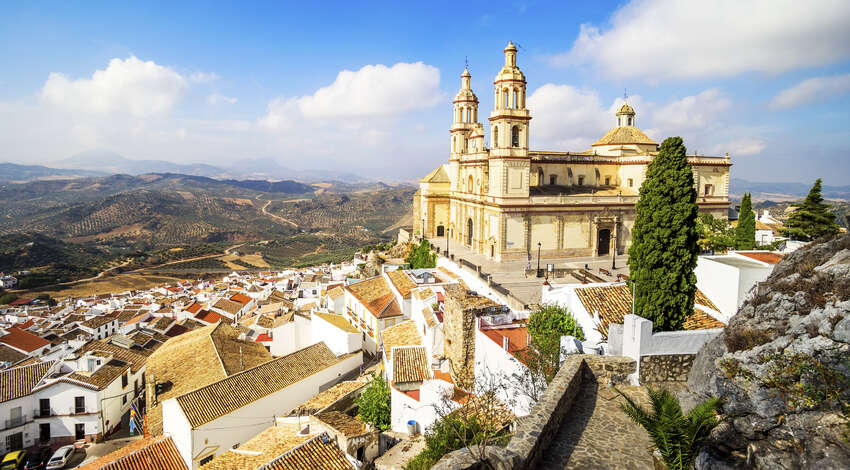
Olvera, Spain
What Does It Mean to Travel Off the Beaten Path?
Traveling off the beaten track doesn’t mean going somewhere remote or difficult. It can be as simple as looking beyond the times and places that draw the biggest crowds.
It might mean wandering a lesser-known city neighborhood, spending time in a small community, exploring a quieter stretch of coastline or visiting a familiar destination in the off-season. Going off the beaten track is less about how far you travel and more about making room for places and perspectives you might otherwise miss.
Why Travel Off the Beaten Path?
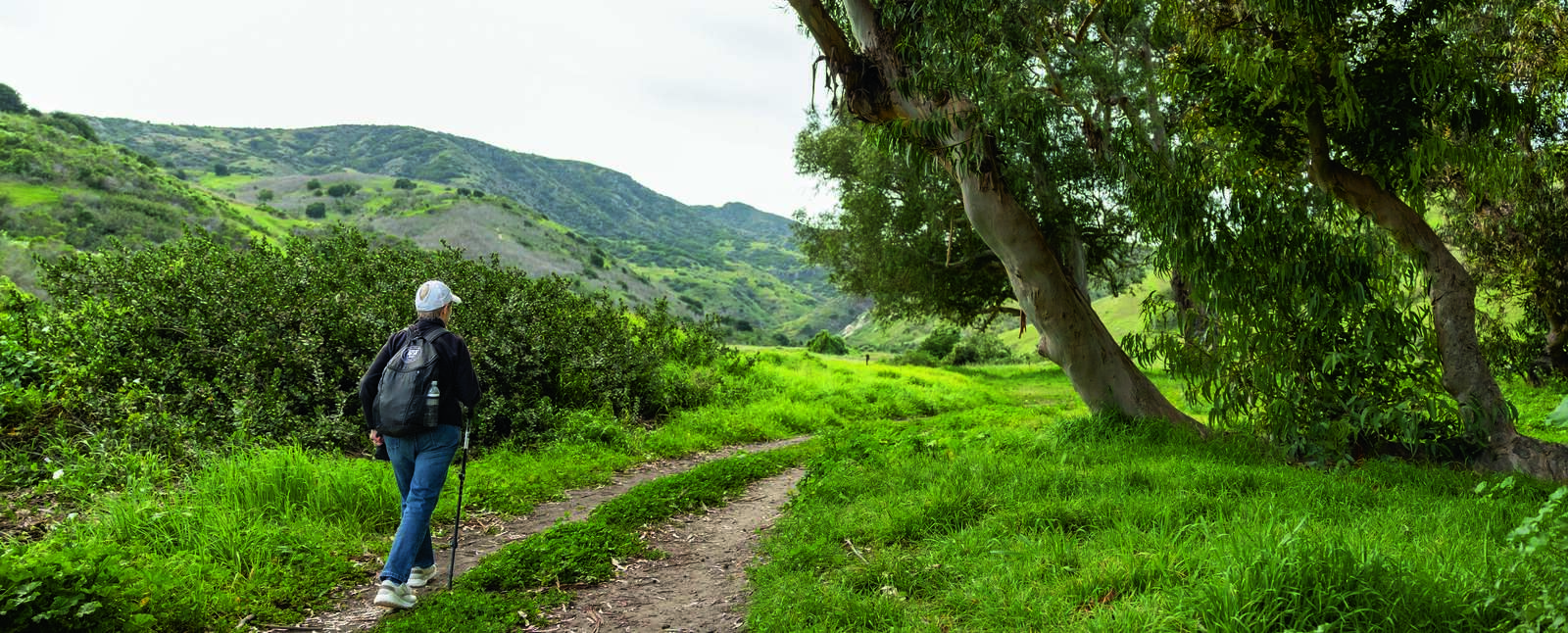
Going off the beaten path offers different rewards for different people. For some, it may mean experiencing nature through hiking, climbing, biking, skiing or dark-sky stargazing. Outdoor learning adventures can offer exhilarating physical challenges that aren’t found in cities. Others find that visiting places without a tourism infrastructure provides closer interaction with the people who live there.
Whatever your preference might be, finding off-the-beaten-path travel destinations can offer:
- More opportunities for discovery
- Fewer crowds
- More time to observe and learn
- Exposure to places you may not have previously considered
- Meaningful interaction with local communities
Road Scholar offers many opportunities to experience the joys of discovery without the crowds — even in popular destinations! Discover options across the world, from less-visited national parks to Greece, Spain, the Azores and beyond.

Catania, Sicily
Go Off the Beaten Path by Traveling in the Off-Season
Rather than skip the most popular destinations, a better way to avoid crowds is to travel during the off-season. When choosing an off-the-beaten-path travel destination, the time can matter just as much as the place.
After all, who enjoys waiting in line? Who of us wants to compete with thousands of others to see famous art, sit in cafés or just find a beach that isn’t lined with bodies?
Many of us are retired or working remotely or part-time. That means we’re able to travel outside of the crowded summer months. Because hotels, restaurants, drivers and others who depend on the tourist trade need business year-round, the cities and venues on your wishlist can be much more available during off-peak months.
For instance, visiting Southern Europe in winter can offer great value and fewer crowds by taking advantage of the off-season. In the winter of 2019, I traveled with Road Scholar to Portugal and happily found sunny, cool weather that was perfect for walking (and even for wandering on the beaches). I also visited the colorful castles in Sintra and the charming steep streets of Lisbon, all in pleasant weather.
Travel Responsibly Beyond the Tourist Trail
In summer travel hot spots, the largest number of visitors is typically concentrated into a few short months. In recent summers, this led to headlines about European cities that don’t want tourists.
From bad tourist behavior to overcrowding, summertime crowds often impact those who live and work in popular cities in ways visitors don’t realize. Even setting aside the detritus left behind by visitors, the summer tourist glut can drain natural resources and strain a city’s infrastructure.
Traveling during the off-season benefits not only the traveler but also the travel environment by spreading arrivals over a longer period. While off-season travel alone can’t mitigate the challenges of overtourism, it can help travelers avoid making the problem worse.
Sustainable Travel International is a program dedicated to helping preserve clean beaches, protected parks and culture. It supports travelers who want to make the world a better place through their choices. Choosing a travel program that lines up with these values can go a long way toward preserving the most popular destinations for future generations.
Popular Places Can Still Be Worth Exploring
Remember, choosing the road less traveled is an option, not a rule. Some of us might not mind crowds, whether on a first-time adventure or on a return visit to a well-loved place. A friend of mine visits Florence almost every year and never gets tired of it. She is fine with busier streets, restaurants and museums because she simply loves what the city has to offer in terms of art, architecture, food and culture.
And, of course, destinations don’t have to be far away or off-season to be memorable. While it can be fun to discover secret vacation spots, the most popular destinations got that way for a reason. The key to enjoying them is often to find a travel program that fits your interests, suits your pace and offers opportunities for meaningful, educational experiences.
No matter where your next adventure takes you, the key is to travel mindfully, showing respect, care and appreciation for the culture and local customs. That’s the way that we form bonds with people and memories for life.
Frequently Asked Questions About Off-the-Beaten-Path Travel
What Does “Off the Beaten Path” Mean in Travel?
Off-the-beaten-path travel means exploring outside high-traffic times, places or experiences. It doesn’t have to involve difficult travel or a less clean or safe experience — it could mean visiting a smaller town, a quieter museum or a popular city during the off-season.
What Are the Benefits of Off-the-Beaten-Path Travel?
Going beyond the busiest places can mean fewer crowds, unexpected discoveries and more opportunities to learn. It can also reveal a different side of a destination, whether by experiencing seasonal traditions or experiencing landscapes and communities that receive less attention.
How Do You Find Off-the-Beaten-Path Travel Destinations?
When booking your travel, look beyond major visitor centers to find unique experiences in nearby towns and nature areas. Research alternatives to famous landmarks and ask what else a region has to offer. Keep in mind that crowd levels can change with the season, due to nearby events or simply when a hidden gem becomes more popular.
Does Off-the-Beaten-Path Travel Have to Be Remote?
No! You can go off the beaten track without venturing far from a major destination. Plan to explore a quieter neighborhood, choose a lesser-visited museum or visit during a less-busy time of year.
Is Off-Season Travel Considered Off the Beaten Path?
It can be. Visiting a popular destination outside of its busy season can let you go at a more comfortable pace while still enjoying the history, culture and experiences that drew you there in the first place.
Are Secret Vacation Spots Really Secret?
Not usually. Truly “secret” vacation spots are increasingly hard to find (and many were never secrets to the locals anyway). Instead of searching for somewhere no one knows about, look for unique experiences, smaller communities and less-visited sites.
How Can Travelers Explore Lesser-Known Places Responsibly?
The best way to travel responsibly is to respect local customs and everyday life. Less-known communities often appreciate when visitors support locally owned businesses and show appreciation for their surroundings. Follow hiking and trail etiquette, respect local wildlife and avoid behavior that can disrupt residents.
Find Your Next Road Scholar Learning Adventure
Discovery can happen anywhere, whether in an unexpected place or with a new perspective on somewhere familiar. Road Scholar’s learning adventures are designed to bring you closer to local history, culture, landscapes and communities alongside experts and fellow lifelong learners.
Go off the beaten path with Road Scholar.
Barbara Winard has earned degrees in English literature, journalism and, later in life, gerontology. For the past 25 years she was a senior editor and writer of online encyclopedia articles for children. Prior to that, after returning from a long trip to Asia, Barbara was hired by the Asia Society in New York City to produce films and print materials about Asian culture. She was also a producer and writer for New York City’s public television station, WNET/13.