
Off-Season Travel Tips for Retirees Looking to Beat the Crowds

- Off-peak season occurs during times of lower tourist demand, such as the late fall and early spring in Europe or the rainy season in Southeast Asia.
- Retirees’ flexible schedules make it easier to travel in these quieter, more affordable seasons.
- Benefits of off-season travel can include cost savings, better availability for lodging and transportation, a more relaxed pace and opportunities for deeper cultural learning.
- Many destinations offer milder temperatures during the shoulder seasons.
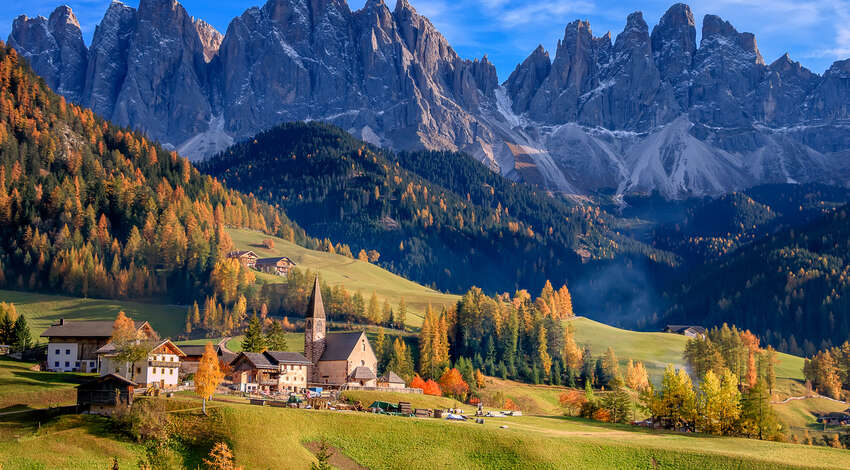
Travel in the off-season simply means visiting a destination when most of the crowds have gone home. It doesn’t mean there’s anything bad about the destination during these times. In most cases, off-season travel lines up with when most adults are busy with work or school.
Since retirees have no work or school obligations, they’re especially well-suited to take advantage of the smaller crowds and (often) better values that come with off-season travel. Fewer tourists usually mean lower prices and smaller crowds at monuments and museums. For seniors who’d love to wander historic streets, chat with locals or savor a meal without rushing, off-peak travel can offer great opportunities.
Ready for off-peak travel season? Dive into this guide to learn all the tips and tricks of beating the crowds during the off-season.
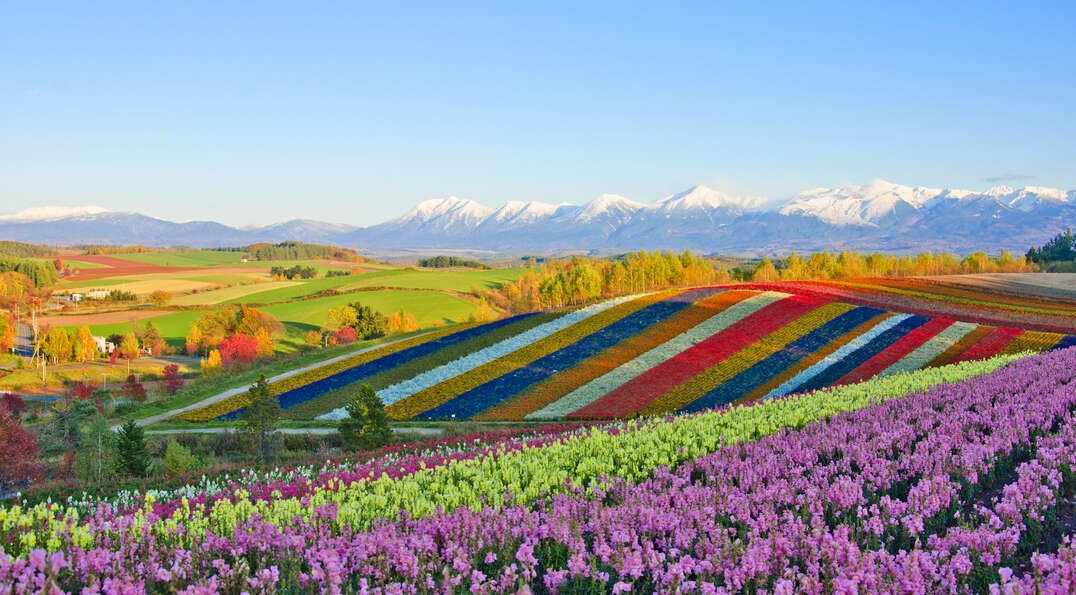
Biei in Hokkaido, Japan
What Is Off-Season or Off-Peak Travel?
The “off-peak” and “non-peak” seasons refer to when a destination has fewer visitors than its busiest times. Off-peak is the slowest season, while non-peak includes shoulder seasons when visits are still ramping up or dropping off.
These periods vary by location. For example, in Europe, winter is typically off-peak, while for tropical areas it’s usually during the summer-fall rainy season. In ski towns, off-peak depends on when the snow begins to melt. During these times, airlines, hotels and attractions often lower prices to attract visitors, and popular sites will be noticeably less crowded.
Whether looking for a warm-weather winter getaway in Latin America or shoulder season learning adventures in Europe, off-peak times may offer the travel opportunity you’ve been waiting for.
Why Off-Season Travel Works Well for Retirees
There are several reasons to consider educational adventure tours during the off-season. While every destination is different, some common benefits can include:
-
Fewer crowds: Landmarks, museums and natural wonders often have shorter lines and less-crowded viewing spots.
-
Deeper experiences: Locals may have more time to spark up a conversation and engage with visitors, offering richer cultural exchanges.
-
Better availability: Popular restaurants, guided tours and specialty accommodations may be more affordable and easier to book.
-
Milder weather (in some regions): Many destinations have more comfortable weather during their shoulder seasons, making sightseeing more pleasant.
-
Seasonal activities: Traveling during the off-season may offer opportunities to experience seasonal food, festivals or local traditions that peak-season visitors never see.
How to Plan an Off-Season Trip
A little research can help you get more from an off-season vacation. Start by identifying your destination’s true peak, shoulder and off-peak seasons, then check typical weather during those times. Remember that museums, ferries, restaurants and other services may operate on reduced schedules or be closed altogether, so make sure you’ll have access to the attractions and experiences you want.
Use a few off-season date ranges to compare airfare and lodging. If you notice a mysterious spike in prices, check for festivals or holidays around that time.
Finally, think about what you most want to do. Will the climate and crowds suit your pace and activity level? Will programs that interest you be offered?
As much as possible, build some flexibility into your arrival and departure dates. This can help you reduce stress and find an adventure that aligns with your goals.
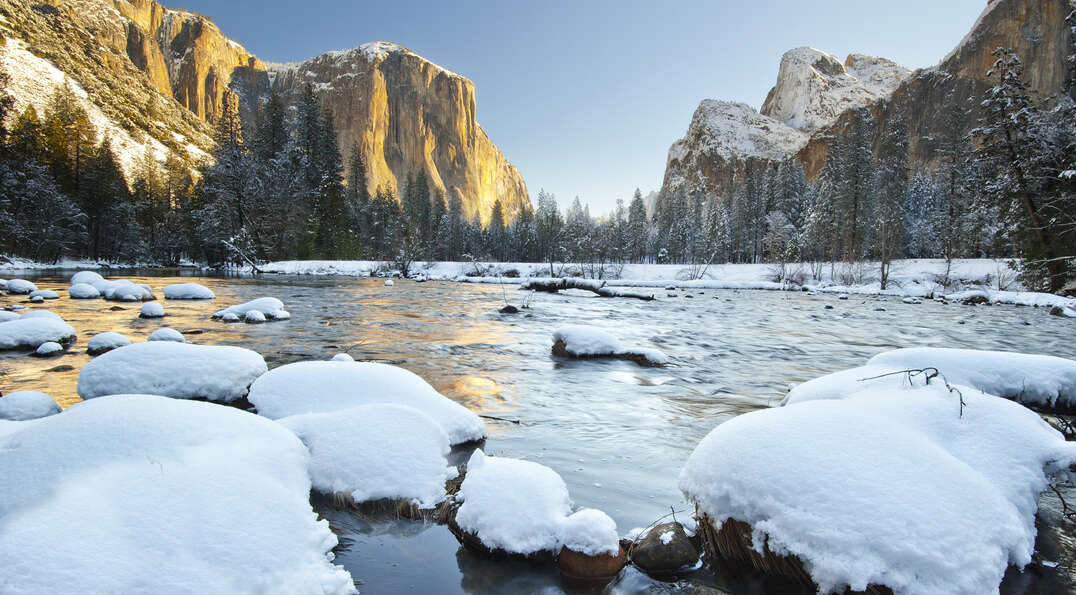
Yosemite National Park, California
How to Choose the Best Time to Travel in the Off Season
The best time to travel in the off-season depends on what matters most to you. A little flexibility can help you find the right balance of weather, value, activities and crowd levels.
Before choosing dates, think about your priorities:
- For fewer crowds: Avoid school holidays, major festivals and special events.
- For milder temperatures: Consider shoulder seasons between the hottest and coldest months.
- For seasonal culture: Look for harvests, local celebrations and regional traditions that interest you.
- For potential savings: Compare prices across several date ranges. Don’t assume the entire non-peak season costs less!
Off-Season Travel Ideas by Season
From winter in southern Europe to educational travel in Southeast Asia, the world is your oyster when it comes to off-season travel. Take a look at some of the top destinations during different times of year:
Winter (December to February)
Mediterranean Europe, the Caribbean islands and national parks throughout the U.S. offer stunning landscapes with weather you can’t experience in summer. The most popular cities, islands and parks typically have fewer crowds, although holidays can still be busy.
Spring (March to May)
In late spring, Japan becomes less crowded after peak cherry blossom season, with smaller crowds and lower hotel costs. Similarly, Italy’s most popular cities, like Florence, Rome and Venice, are typically quieter and cooler before the summer surge. The shoulder season also offers great weather and fewer crowds in Australia.
Summer (June to August)
Monsoon season in countries like Singapore and Thailand offers lower prices and lush landscapes, although travel during the rainy season may not be for everyone. More northern European destinations, like Scotland, can offer pleasant weather and easier bookings in the summer.
Fall (September to November)
Harvest season in towns throughout France’s wine country, like Bordeaux and Champagne, offers cultural events and fewer tourists than in summer. Likewise, off-peak desert temperatures can make Morocco learning adventures more comfortable.
Frequently Asked Questions About Off-Season Travel
What Does Off-Season Travel Mean?
Off-season travel means visiting a destination outside its busiest, highest-demand period. The timing of off-peak season varies by location, climate and travel patterns, so one region’s off-season may be another’s peak season.
What Is the Difference Between Off-Season and Shoulder Season?
Off-season generally refers to a destination’s lowest-demand period, while shoulder season falls between peak and off-seasons. What defines these periods varies from one destination to the next.
Is It Cheaper to Travel in the Off-Season?
It can be. Airfare, lodging and travel package prices may drop along with demand, but that’s never guaranteed. Rather than assuming off-season always means better value, compare several dates and options before booking.
What Are the Benefits of Traveling During Non-Peak Season?
Non-peak travel can mean smaller crowds, more availability for lodging and transportation, seasonal cultural experiences and potential savings. You may also enjoy a more relaxed pace at popular destinations.
How Can Retirees Find the Best Off-Peak Travel Dates?
Research your destination first. When is it busiest? What are the local holidays, weather conditions and seasonal closures around the time you’d like to go? Compare several date ranges to find the best opportunity.
Are Attractions Open During the Off Season?
It depends on the destination. Many attractions, such as museums, restaurants, ferries and other services, may remain open but operate with reduced hours or staff in the off-season. Try to confirm the off-season schedule for each attraction.
What Should Retirees Consider Before Booking an Off-Season Vacation?
The weather, your preferred activity level, seasonal closures, transportation options and personal or medical needs come first. Look for program dates that align with both your interests and your comfort level.
Make the Most of Off-Season Travel With Road Scholar
Off-peak travel is more than just a way for senior travelers to save money. It can also offer retirees an exciting opportunity to experience the heart of a destination without the rush and commotion of peak travel season.
Traveling during the off-season lets retirees take advantage of flexible schedules to see the world without the crowds. From more comfortable weather and pacing to unique educational experiences that might be missed in busier seasons, off-peak season can be the ideal time to find your next adventure.
At Road Scholar, we have an exciting collection of experiential learning programs timed for the off-season at some of the most beloved destinations around the world. You’ll join local experts and a diverse cohort of like-minded learners for a journey of discovery like no other.
Explore our spring, fall and winter learning adventures today.