

Luxembourg/Germany/France
Castles & Vines: A Bike & Barge Journey on the Moselle
Program No. 25707RJ
See More Photos
Castles & Vines: A Bike & Barge Journey on the Moselle
Castles & Vines: A Bike & Barge Journey on the Moselle
1 of 11
Itinerary
While we make every effort to ensure the accuracy of our published materials, programs are typically advertised more than a year prior to their start date.
Read More.
All itineraries and excursions are subject to change. Weather and water conditions may affect the progress of the ship, and we may miss ports if it is not safe to dock. The operators reserve the right to change the content and duration of excursions without prior notice and so the cruise itinerary should always be regarded as provisional. Whenever possible, Road Scholar’s published daily schedule will indicate port arrival and departure times. Prior to departure, if there is a major change, we will make every effort to alert you. For less significant changes, we will update you during orientation. Thank you for your understanding.
Duration
12 days
11 nights
What's Included
Included
19 meals (
9B, 10D
)
6 expert-led lectures
22 expert-led field trips
An experienced Group Leader
Taxes and customary gratuity
Road Scholar Assurance Plan
Cologne
Castles & Vines: A Bike & Barge Journey on the Moselle
Aug 13 - Aug 24, 2027
Program Number
25707
Day
1
In Transit to Program
Location:
In Flight
Day
2
Arrive in Cologne
Location:
Cologne
Meals:
D
Stay:
Hotel Mondial AM Dom Cologne
Activity Note
Getting on/off a motorcoach; approximately 1.5 hours riding time. Walking over 1/2 mile, standing for approximately 1 hour.
Morning:
Join your Group Leaders and fellow Road Scholars at Frankfurt Airport to board a motorcoach for the drive north to Cologne. Upon arrival, the hotel will store your luggage so you can enjoy a leisurely walk around the city.
Lunch:
On your own
Afternoon:
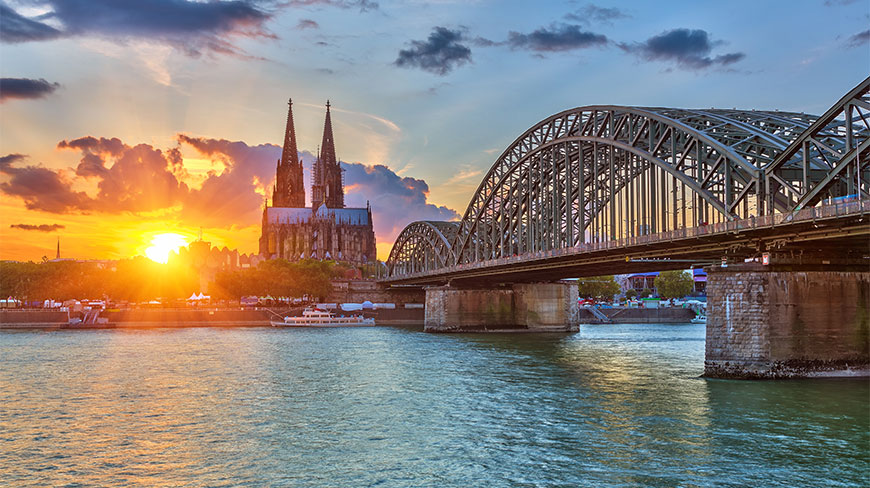
Meet your Group Leaders at the hotel at 2:00 p.m. for an orientation to Cologne. This afternoon, join local guides for a walking exploration of Cologne’s Old Town. Discover the city’s rich history, from its Roman beginnings to its medieval importance and postwar reconstruction. Selected sites highlight Cologne’s political, religious, and commercial development over two millennia, offering insight into the city’s present-day identity. Your Group Leaders will accompany the group and help connect the experience to the broader themes of the program.
Dinner:
At the hotel
Evening:
Return to the hotel for a welcome dinner. This first shared meal provides an opportunity for participant introductions, a review of the program’s themes and expectations, and an overview of the days ahead.
Day
3
Bonn, Beethoven, Post-War Museum
Location:
Cologne
Meals:
B,D
Stay:
Hotel Mondial AM Dom Cologne
Activity Note
Getting on/off a motorcoach; approximately 1.5 hours riding time. Walking over 1 mile, standing for approximately 2 hours.
Breakfast:
At the hotel
Morning:
Depart by motorcoach for a 40-minute drive south along the Rhine to Bonn, one of Germany’s oldest cities. Founded as a Roman settlement in the first century BCE, Bonn later developed as a residence of the Electors of Cologne and served as the capital of the Federal Republic of Germany from 1949 to 1990. Today, it remains an important cultural and academic center.
Upon arrival, begin at Beethoven-Haus, the birthplace of Ludwig van Beethoven in 1770. An expert lecture introduces his early life in Bonn, his musical education and his lasting influence on Western music. Following the lecture, participate in a guided visit of the historic house, connecting these themes to the spaces and artifacts of his formative years. The program concludes with a concert featuring his work.
Following the program, enjoy free time to explore Bonn’s historic center independently and select a location for lunch.
Upon arrival, begin at Beethoven-Haus, the birthplace of Ludwig van Beethoven in 1770. An expert lecture introduces his early life in Bonn, his musical education and his lasting influence on Western music. Following the lecture, participate in a guided visit of the historic house, connecting these themes to the spaces and artifacts of his formative years. The program concludes with a concert featuring his work.
Following the program, enjoy free time to explore Bonn’s historic center independently and select a location for lunch.
Lunch:
On your own
Afternoon:
Take a short motorcoach transfer to the Haus der Geschichte (House of History), a museum dedicated to Germany’s political, social and cultural development since 1945.
Begin with an expert lecture examining post–World War II Germany, including division, reconstruction, the Cold War era and reunification. Following the lecture, explore the museum’s permanent exhibition independently, using its documents, media installations and artifacts to deepen your understanding of Germany’s recent history and its continuing impact on contemporary society.
Return to the hotel via motorcoach.
Begin with an expert lecture examining post–World War II Germany, including division, reconstruction, the Cold War era and reunification. Following the lecture, explore the museum’s permanent exhibition independently, using its documents, media installations and artifacts to deepen your understanding of Germany’s recent history and its continuing impact on contemporary society.
Return to the hotel via motorcoach.
Dinner:
At a local restaurant
Evening:
Meet your Program Leaders in the hotel lobby and take a short walk to a local Brauhaus. Learn about Cologne’s brewing traditions and the cultural significance of Kölsch beer while enjoying regional cuisine in a historic setting. This shared dinner provides further insight into Rhineland social customs and daily life.
Day
4
Cochem, Castle Eltz, Board barge
Location:
Cochem
Meals:
B,D
Stay:
Princesse Royal
Activity Note
Getting on/off a motorcoach; Walking over 1 mile, standing for approximately 1 hour
Breakfast:
In the hotel
Morning:
After checking out of the hotel, depart Cologne by motorcoach and travel through the Rhine and Moselle regions toward Burg Eltz. Along the way, observe river valleys, vineyards, and historic towns that have shaped the region’s cultural and economic development.
Arrive at Burg Eltz, one of Germany’s best-preserved medieval castles. Set in a wooded valley above the Elzbach stream, the castle dates to the 12th century and has remained in the possession of the same noble family for more than 800 years. During a guided field trip, explore its towers, timber-framed houses and fortified rooms while learning about the architecture and daily life of the medieval German nobility.
Afterward, continue by motorcoach to the nearby town of Cochem, where you will have free time to explore and find lunch on your own.
Arrive at Burg Eltz, one of Germany’s best-preserved medieval castles. Set in a wooded valley above the Elzbach stream, the castle dates to the 12th century and has remained in the possession of the same noble family for more than 800 years. During a guided field trip, explore its towers, timber-framed houses and fortified rooms while learning about the architecture and daily life of the medieval German nobility.
Afterward, continue by motorcoach to the nearby town of Cochem, where you will have free time to explore and find lunch on your own.
Lunch:
Lunch is on your own
Afternoon:
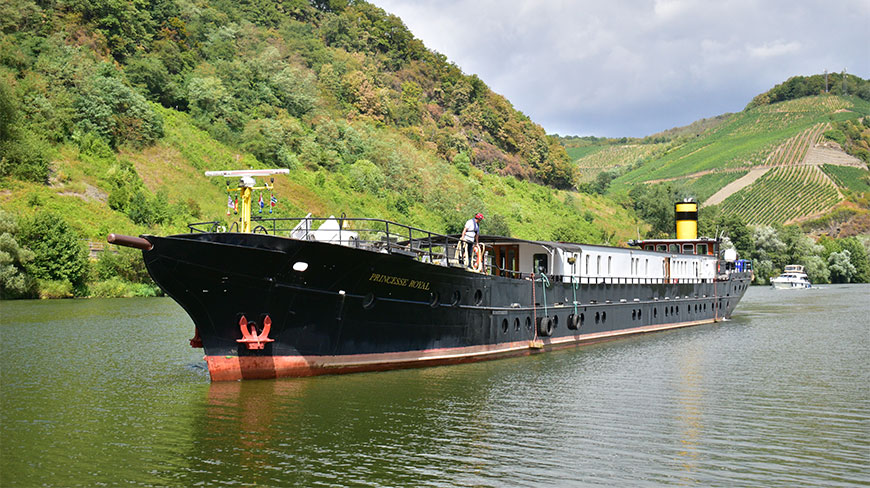
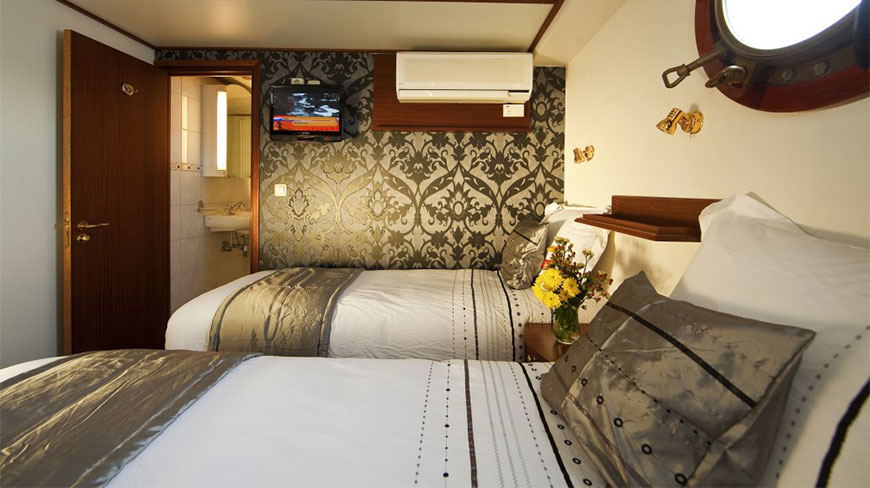
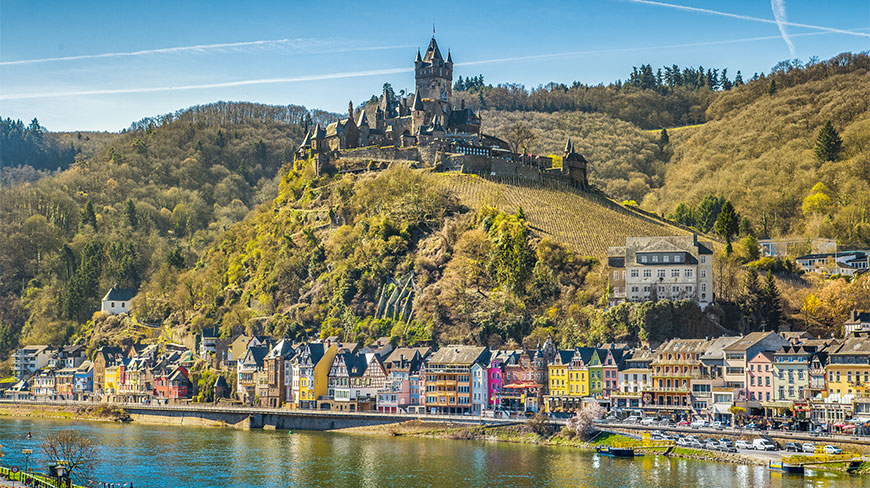
After lunch, enjoy time to stroll through Cochem, a charming town along the Moselle River known for its half-timbered houses, narrow streets, and scenic riverside setting. Once an important medieval trading center, the town remains closely connected to the surrounding Moselle wine region. Later in the afternoon, walk to the dock to board the Princess Royal barge and settle into your cabin, which will serve as your home during the program. The Group Leaders, barge captain, and crew will welcome everyone and lead introductions, followed by a review of the program schedule, roles and responsibilities, logistics, safety guidelines, and emergency procedures. Bicycles will then be fitted for each participant, followed by a short test ride to ensure everyone can safely start, stop, and control their bike.
Dinner:
On the barge.
Evening:
This evening, join your Group Leaders in the salon for an informative session on safety and road rules.
Day
5
Location:
Zell
Meals:
B,D
Stay:
Princesse Royal
Activity Note
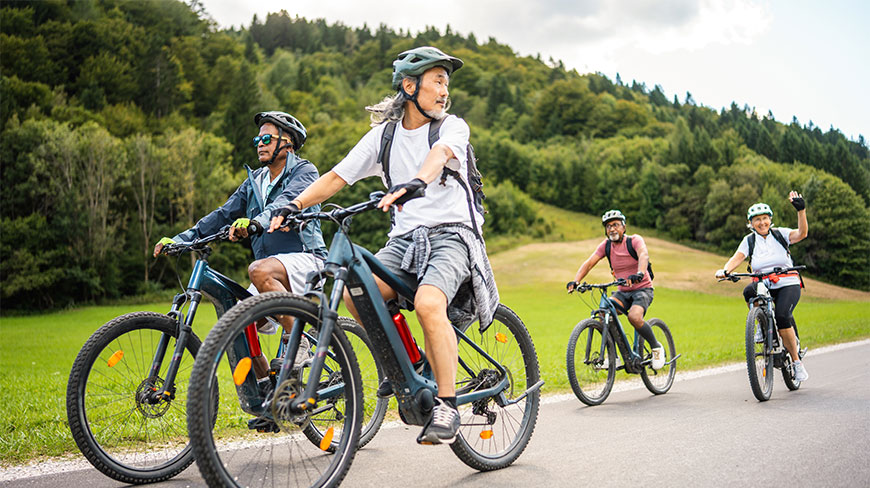
Biking distance is 24 miles on flat-to-rolling terrain, primarily on dedicated paved bicycle paths. Walking or standing for approximately 1 hour
Breakfast:
Onboard the barge
Morning:
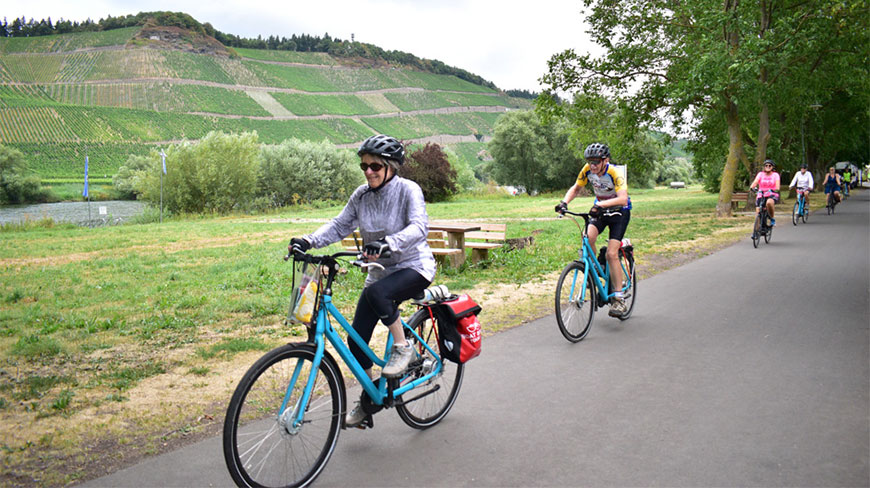
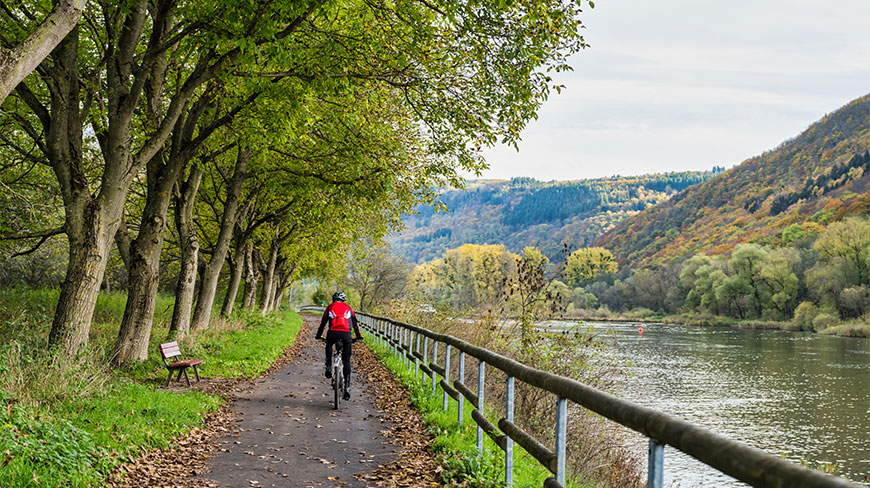
After breakfast, set out by bicycle along the Moselle River. Ride to the village of Beilstein, one of the best-preserved historic settlements along the Moselle, where narrow streets and half-timbered houses reflect its medieval origins. Above the village stand the ruins of Castle Metternich, which you will have time to explore. Lunch today is independent in the village of Ediger-Eller, allowing time to explore the town and choose from one of its local cafés or restaurants.
Continue cycling through the Moselle valley, passing Bremmer Calmont, home to some of Europe’s steepest vineyards, with slopes rising to nearly 60 degrees. These dramatic hillsides illustrate the long tradition of viticulture in the region and the challenges of cultivating grapes on such terrain.
Continue cycling through the Moselle valley, passing Bremmer Calmont, home to some of Europe’s steepest vineyards, with slopes rising to nearly 60 degrees. These dramatic hillsides illustrate the long tradition of viticulture in the region and the challenges of cultivating grapes on such terrain.
Lunch:
On your own.
Afternoon:
The afternoon’s ride concludes in the wine village of Zell, known for its historic connection to the Moselle wine trade and the well-known wine Zeller Schwarze Katz. Here, you may wish to take time to learn more about the wines of the Moselle Valley.
Dinner:
Onboard the barge
Evening:
At leisure.
Day
6
Bernkastel-Kues, Deinhard Winery
Location:
Bernkastel-Kues
Meals:
B,D
Stay:
Princesse Royal
Activity Note
Biking distance is 27 miles on flat-to-rolling terrain, primarily on dedicated paved bicycle paths. Walking or standing for approximately 1 hour
Breakfast:
Onboard the barge
Morning:
Continue along the Moselle through the wine town of Kröv, long associated with the production of regional wines. The ride follows quiet river paths and vineyard landscapes that illustrate the long agricultural traditions of the Moselle Valley.
Lunch:
On your own.
Afternoon:
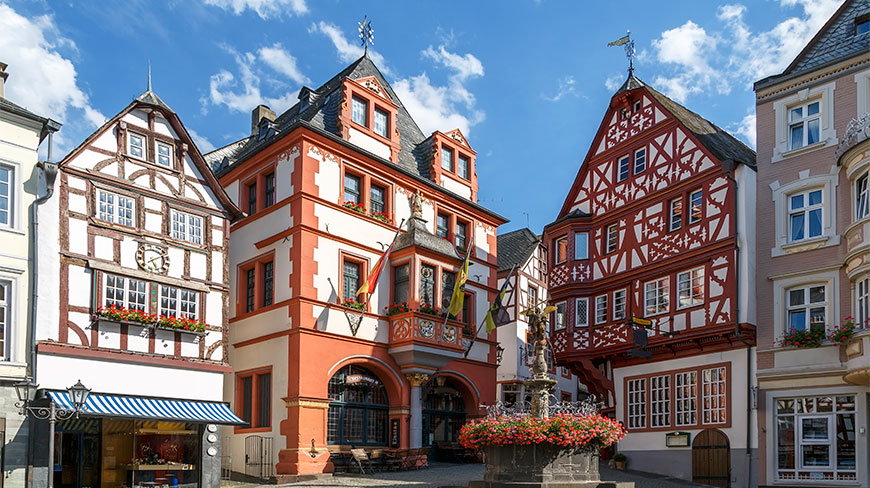
Our destination is Bernkastel-Kues, one of the most picturesque towns along the river. Its historic marketplace is surrounded by elaborately carved half-timbered houses dating from the Middle Ages.
Dinner:
At a local restaurant.
Evening:
In the evening, gather for dinner at the historic Deinhard winery, where you will learn about the Moselle’s long winemaking tradition while enjoying regional cuisine in a setting closely tied to the area’s wine heritage.
Day
7
Neumagen, EU lecture
Location:
Trier
Meals:
B,D
Stay:
Princesse Royal
Activity Note
Biking distance is 28 miles on flat-to-rolling terrain, primarily on dedicated paved bicycle paths. Walking or standing for approximately 1 hour
Breakfast:
Aboard the barge.
Morning:
Departing Bernkastel, the Moselle Valley gradually widens and the vineyards extend across the surrounding hillsides. This stretch of the river passes through several renowned wine villages, including Brauneberg, Piesport and Trittenheim, long associated with some of the Moselle’s most respected vineyards. In Piesport, wines produced on the steep slopes above the river have been celebrated for centuries, while nearby Trittenheim sits within a dramatic bend of the Moselle surrounded by vineyard-covered hills.
Around midday, we arrive in Neumagen, a settlement known since Roman times as an important center of wine production along the Moselle. From here, participants may choose to return to the barge or continue the bicycle field trip to the town of Schweich, where the barge awaits.
Around midday, we arrive in Neumagen, a settlement known since Roman times as an important center of wine production along the Moselle. From here, participants may choose to return to the barge or continue the bicycle field trip to the town of Schweich, where the barge awaits.
Lunch:
On your own.
Afternoon:
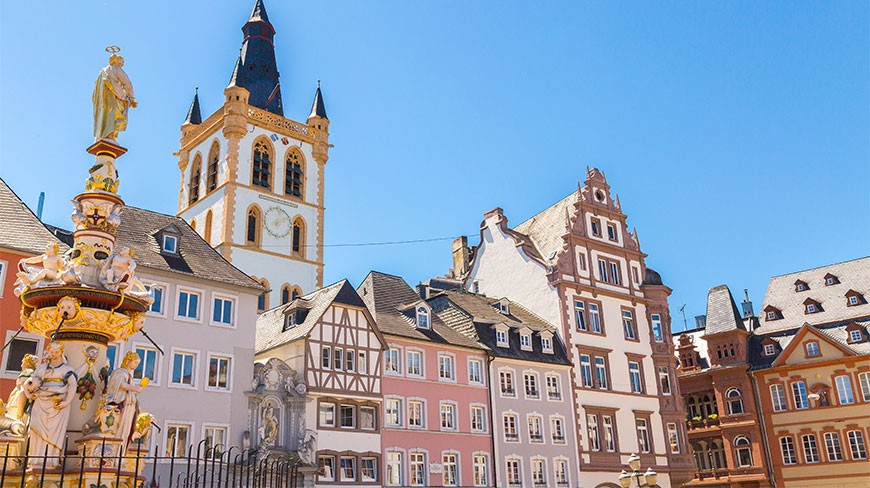
After rejoining the barge, we cruise along the Moselle to Trier, widely regarded as Germany’s oldest city. Founded around 15 BCE by the Roman emperor Augustus under the name Augusta Treverorum, Trier flourished as a major administrative and trading center of the Roman Empire. This period left a remarkable legacy of monuments, including the Porta Nigra, an imposing Roman city gate constructed in the late 2nd century CE and one of the best-preserved Roman structures north of the Alps.
Dinner:
Onboard the barge
Evening:
After dinner we have a lecture about west German history, a local lecturer will put the area we are traveling thought into a bigger perspective.
Day
8
Trier, Luxembourg
Location:
Saarburg
Meals:
B,D
Stay:
Princesse Royal
Activity Note
Getting on/off a motorcoach; Walking over 1 mile, standing for approximately 1 hour
Breakfast:
Onboard the barge
Morning:
This morning we walk into Trier with our Program Leaders for a field trip focused on the city’s Roman heritage. As Germany’s oldest city, Trier preserves an exceptional collection of Roman monuments that reflect its importance as a major administrative center of the Roman Empire. During the walk, we examine key sites and discuss how the city developed from its Roman origins into a significant political and cultural center.
Following the walk, there is time for independent exploration to further experience Trier’s historic center, museums and public squares at one’s own pace.
Following the walk, there is time for independent exploration to further experience Trier’s historic center, museums and public squares at one’s own pace.
Lunch:
On your own.
Afternoon:
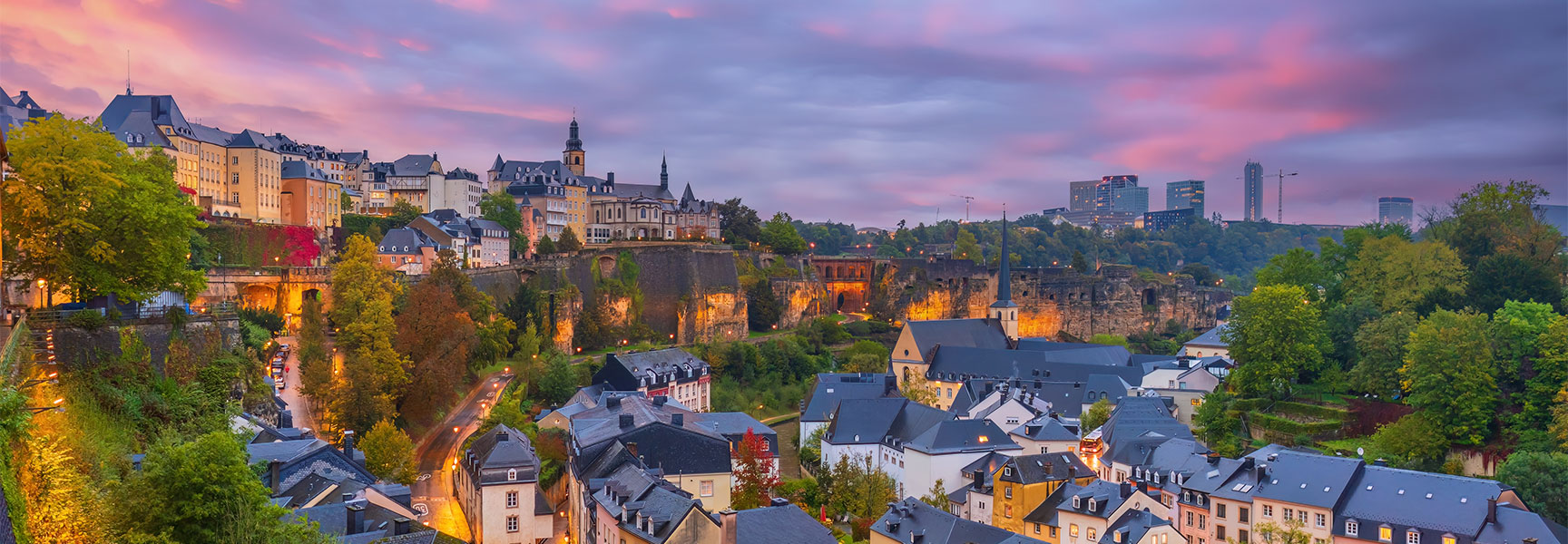
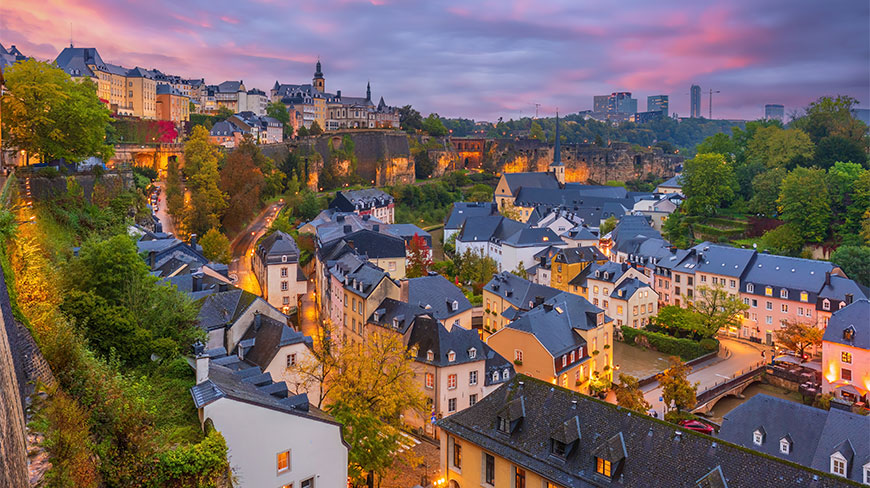
At the end of the morning we depart by motorcoach for Luxembourg City, the capital of the Grand Duchy of Luxembourg and an important political and financial center in Europe. Situated on a dramatic landscape of deep river valleys and cliffs, the city has long held strategic importance. Its extensive fortifications, developed over several centuries by Spanish, French and Austrian rulers, earned it the nickname “Gibraltar of the North.” Today, many of these historic defenses are preserved as a UNESCO World Heritage Site.
The historic centre, after taking part in a guided field trip through the historic center, where medieval streets, grand squares, and historic government buildings reflect Luxembourg’s complex past and modern role within the European Union.
At the end of the day, we rejoin your floating hotel in the village of Saarburg.
The historic centre, after taking part in a guided field trip through the historic center, where medieval streets, grand squares, and historic government buildings reflect Luxembourg’s complex past and modern role within the European Union.
At the end of the day, we rejoin your floating hotel in the village of Saarburg.
Dinner:
Onboard the barge
Evening:
At leisure.
Day
9
Saarburg, chairlift, Roman villa
Location:
Remich
Meals:
B,D
Stay:
Princesse Royal
Activity Note
Biking distance is 27 miles on flat-to-rolling terrain, primarily on dedicated paved bicycle paths. Walking or standing for approximately 1 hour
Breakfast:
Onboard the barge
Morning:
In the morning, we explore Saarburg, a historic town located in one of the most scenic areas of the Saar Valley. The town developed around a castle built in the mid-10th century, whose ruins still overlook the surrounding landscape. In the center of town, a small river drops nearly 20 meters in a waterfall that powers an old mill at its base. Many of Saarburg’s 17th- and 18th-century half-timbered houses remain intact, adding to the town’s distinctive charm. Together with the Group Leader, ride the Saarburg chairlift for magnificent views of the Saar Valley.
Lunch:
Lunch on your own
Afternoon:
On today’s bike ride, you can choose between a more challenging route with some elevation and scenic viewpoints, or a relaxing ride along the Saar and Moselle rivers. Both routes include a stop at a Roman village, where you can visit the impressive mosaic floor of the Roman Villa Nennig. This remarkable mosaic is one of the most important of its kind north of the Alps and one of the few still visible at its original location. Protected by a structure built around 150 years ago, the site of the former palace villa in Nennig is also one of the oldest museum presentations of archaeological discoveries in Germany
Dinner:
Onboard the barge.
Evening:
At leisure.
Day
10
Schengen Museum, lecture, Metz
Location:
Metz
Meals:
B,D
Stay:
Princesse Royal
Activity Note
Biking distance is 18 miles on flat-to-rolling terrain, primarily on dedicated paved bicycle paths. Walking or standing for approximately 1 hour
Breakfast:
Onboard the barge
Morning:
We begin today’s bicycle field trip, and we ride to the village of Schengen, located where the borders of Luxembourg, Germany, and France come together. Here, the Schengen agreement was signed, creating free travel and trade between five European countries. Later this number grew to 29 countries completely stopping all border checks on the inner borders of the European union. We visit the “Europamuseum dedicated to this topic and get educated on this by a local expert.
After the museum we will experience firsthand the open borders that resulted from this agreement by cycling into France. The route follows quiet roads through the French countryside and passes the fortress of Sierck-les-Bains, once associated with the powerful Dukes of Lorraine.
After the museum we will experience firsthand the open borders that resulted from this agreement by cycling into France. The route follows quiet roads through the French countryside and passes the fortress of Sierck-les-Bains, once associated with the powerful Dukes of Lorraine.
Lunch:
On your own.
Afternoon:
Around midday, we arrive in Thionville, a town that grew into a major steel industry center during the 19th and 20th centuries. Despite its industrial past, the historic center still features medieval ramparts, gardens, narrow streets, and the Basilica of Saint-Maximin. Here we rejoin the barge and continue cruising along the Moselle toward Metz. Located on an important Roman trade route, Metz has long held strategic and cultural importance in northeastern France.
Dinner:
Aboard the barge
Evening:
Enjoy an evening walk through the beautiful city of Metz as we experience our first moments in France.
Day
11
Metz Cathedral, Mainz
Location:
Mainz
Meals:
B,D
Stay:
Brunfels Hotel
Activity Note
Getting on/off a motorcoach; Walking over 1 mile, standing for approximately 1 hour
Breakfast:
Aboard the barge
Morning:
After breakfast, we disembark the barge in Metz and set out with a local guide for a field trip through the historic center of this important city in northeastern France. Situated at the confluence of the Moselle and Seille rivers, Metz has long been a strategic and cultural crossroads, shaped by Roman, medieval and modern influences.
During the walk, we examine key landmarks that reflect Metz’s long and layered history, including Saint-Étienne Cathedral. One of the largest Gothic churches in France, the cathedral is renowned for its extraordinary collection of stained-glass windows — among them works by Marc Chagall — which fill the interior with light and have earned it the nickname “the Lantern of God.”
Following the field trip, there will be time to explore Metz independently and find lunch on your own.
During the walk, we examine key landmarks that reflect Metz’s long and layered history, including Saint-Étienne Cathedral. One of the largest Gothic churches in France, the cathedral is renowned for its extraordinary collection of stained-glass windows — among them works by Marc Chagall — which fill the interior with light and have earned it the nickname “the Lantern of God.”
Following the field trip, there will be time to explore Metz independently and find lunch on your own.
Lunch:
On your own.
Afternoon:
In the afternoon, depart Metz by motorcoach and travel to Mainz, bringing the group closer to the airport for the following day’s departures. Situated on the Rhine River, Mainz has long been an important center of trade, learning, and culture. After arriving at the hotel, the Group Leaders will lead an orientation walk through the city’s historic old town. Those interested in the life and work of Johannes Gutenberg—whose invention of movable-type printing in the mid-15th century transformed the spread of knowledge in Europe—may wish to visit the Gutenberg Museum to learn about the history of early printing technologies and view one of the first Bibles printed using Gutenberg’s movable type.
Dinner:
In the hotel
Evening:
At leisure.
Day
12
Departure
Location:
In Flight