A First-Time Visitor’s Guide to Wildlife Viewing in Yellowstone National Park

- Yellowstone National Park is one of the best places for wildlife viewing due to its size, with over 2 million acres of land protected for animals to roam freely.
- Yellowstone is home to open plains, rivers, valleys and dense forests, creating a complete ecosystem for predators and prey to survive.
- The seven species native to Yellowstone include bison, moose, elk, mule, bighorn sheep, pronghorn and white-tailed deer.
- The best time to visit Yellowstone for wildlife viewing is generally during the spring, as most animals are emerging from a cold winter and become more active.
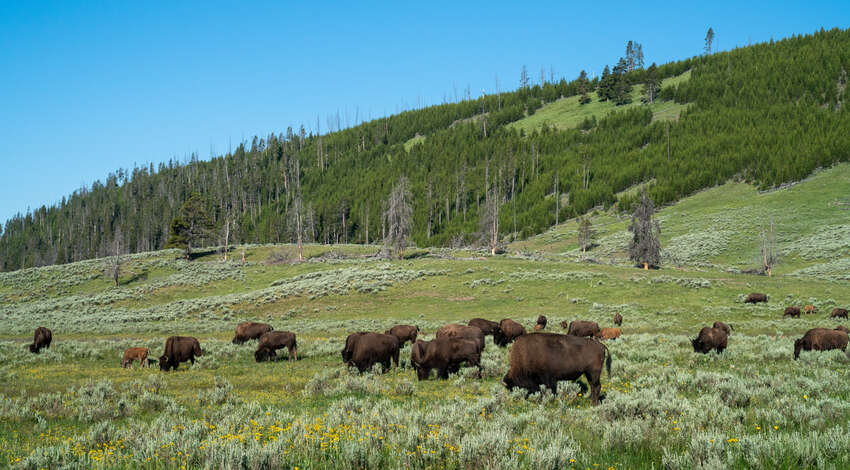
There’s a moment that happens in Yellowstone National Park that stays with you. Maybe it’s the first time you see a bison moving slowly across an open meadow, or the quiet pause when a wolf appears on the edge of the trees. Wildlife viewing here isn’t staged or predictable — it’s real, unscripted and often unexpected. That’s what makes it so memorable, especially if it’s your first visit. In this guide, we explore everything you need to know about viewing wildlife in Yellowstone National Park, from native animals that call it home to key tips and the best time to visit.
Why Yellowstone Is One of the Best Places for Wildlife Viewing
Yellowstone feels different from most national parks because it still functions much like a complete ecosystem. Predators and prey, rivers and valleys, open plains and dense forests all exist together in a way that supports a remarkable range of wildlife.
The park’s size plays a big role. With over 2 million acres, there’s space for animals to roam freely, which means you’re seeing them in their natural patterns, not confined to one area. The Lamar and Hayden valleys, in particular, act almost like natural stages where wildlife activity unfolds in plain view.
There’s also a sense of unpredictability. You might set out hoping to see elk and end up spotting a grizzly in the distance. Or, you might spend an hour watching a herd of bison cross the road, completely unbothered by your presence.
What Are the Native Animals in Yellowstone National Park?
One of the reasons Yellowstone is so special is that the largest concentration of mammals in the lower 48 states calls it home. But what are the native animals in Yellowstone National Park? There are seven native ungulate species, which include bison, moose, elk, mule, bighorn sheep, pronghorn and white-tailed deer. There is also a range of native fish species, amphibians, reptiles and birds. Overall, the park is home to 16 species of fish, 300 bird species, five species of amphibians, six reptile species and 67 species of animals.
Gray wolves were reintroduced in the 1990s and are one of the park’s most talked-about species, particularly in the Lamar Valley, while grizzly bears and black bears also roam the park, though sightings tend to be from a distance.
Best Places for Viewing Wildlife in Yellowstone National Park
Some areas of Yellowstone are especially known for wildlife viewing, and knowing where to go can make a big difference. On Yellowstone tours for seniors, you’ll join experts well-versed in spotting and explaining Yellowstone wildlife. Top spots include:
-
Lamar Valley: Often called the Serengeti of North America, Lamar Valley is one of the best places to spot Yellowstone National Park animals like wolves, especially in the early morning or evening. You’ll also see bison, pronghorn as well as the occasional bear moving through the valley.
-
Hayden Valley: Located closer to the center of the park, this is a prime spot for viewing wildlife in Yellowstone National Park. It’s particularly good for seeing large herds of bison and elk, along with birds of prey circling overhead.
-
Yellowstone Lake: Here, you might spot moose in marshy areas or along the shoreline, especially during quieter times of day.
Best Time to Visit Yellowstone for Wildlife
Wildlife viewing changes with the seasons, and each time of year offers something different. The best time to visit Yellowstone for wildlife is the spring, as it’s one of the most active periods. Animals are emerging from winter, and many species have young. You might see baby bison or elk, along with increased predator activity.
Summer brings longer days and more accessible roads, though wildlife can be harder to spot during the heat of midday. Early mornings and evenings are still your best bet.
Fall is also a favorite for many visitors. Elk are in rut, which means more vocal and visible behavior, while the cooler temperatures also bring animals out more frequently.
Winter offers a completely different experience. Snow-covered landscapes make it easier to spot animals against the terrain, and wolves are often more visible. Access is more limited, but the quieter setting can feel especially rewarding.
Wildlife Viewing Tips for First-Time Visitors
When it comes to viewing wildlife in Yellowstone National Park, there are a few key tips to keep in mind to ensure you get the most out of your experience.
Start early or stay late
Wildlife is most active during the early morning and evening hours. Setting out at sunrise or lingering until dusk can significantly improve your chances of seeing animals.
Bring binoculars or a spotting scope
Animals are often seen at a distance, especially in open valleys. Binoculars help you see details you’d otherwise miss and make the experience far more engaging.
Be patient
Wildlife viewing isn’t about instant results. Sometimes it means waiting, watching and letting the landscape reveal what it will. The slower you go, the more you’ll notice.
Stay flexible
You might have a plan, but wildlife doesn’t follow itineraries. Being open to changing your route or spending more time in one area can lead to better sightings.
Watch for other visitors
In Yellowstone, people often help each other out. If you see cars pulled over or visitors looking through scopes, it’s worth stopping. Chances are, something is happening nearby.
What to Pack for Yellowstone Wildlife Watching
Whether you’re embarking on an easy-paced national park tour or hiking through the backcountry of northwest national parks, there are several basic packing rules to follow. Layers are essential, as mornings can be cold, even in summer, while afternoons warm up quickly. Binoculars, a camera and extra batteries or memory cards ensure you’re ready for unexpected wildlife moments.
Comfortable shoes are also important, especially if you plan to explore beyond roadside pullouts. A small daypack with water, snacks and sunscreen will keep you energized and prepared throughout the day.

Responsible Wildlife Viewing in Yellowstone
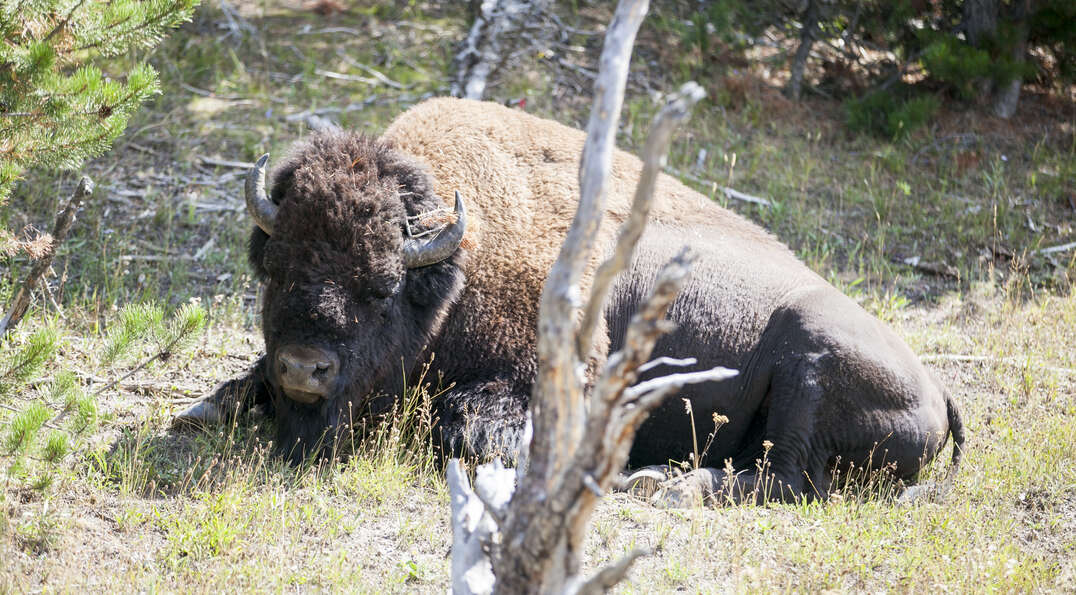
One of the most important parts of visiting Yellowstone is respecting the wildlife that makes it so special. Responsible wildlife tourism starts with always keeping a safe distance, at least 100 yards from bears and wolves, and 25 yards from other animals like bison and elk. It’s easy to underestimate how quickly animals can move, especially bison.
Never approach or feed wildlife. Not only is it dangerous, but it also disrupts natural behaviors and can put animals at risk.
Stay on designated roads and trails, and follow park guidelines at all times. Responsible viewing ensures that both visitors and wildlife remain safe, and that these experiences are available for years to come.