Top Grand Canyon Stargazing Spots for Dark Sky Views

- As an official International Dark Sky Park, the Grand Canyon offers some of the best stargazing in the world.
- Top stargazing locations on the more accessible South Rim include Mather Point and Desert View Watchtower.
- The North Rim has fewer visitors and offers stunning views from Bright Angel Point.
- Planning your trip around a new (dark) moon or a summer astronomy festival will give you the most unforgettable view of the night sky.
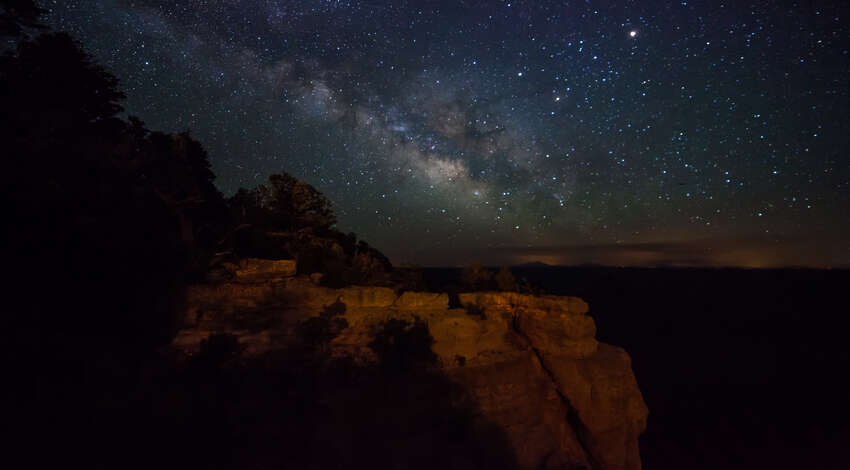
Have you ever wished you could see the full majesty of the night sky without the haze of city lights? Luckily, some places still offer a pristine view of the universe. While everyone knows about the Grand Canyon's stunning views by day, fewer know it also offers some of the best views of the cosmos in North America.
But the Grand Canyon is also huge, and finding a great spot to watch the night sky can be daunting. In this guide, we’ll reveal the best spots for Grand Canyon stargazing, some helpful skywatching tips, and how to plan your adventure.
Why Grand Canyon Stargazing Is So Special
If you’ve never gazed at the stars away from the glow of city life, you haven’t done it at all! But the night sky at the Grand Canyon is on another level. Because the park sits high above sea level and far from big cities, the air is clean and thin. While there are several favorite spots for stargazing, the entire national park offers incredibly clear views of our solar system and the Milky Way that you can’t find anywhere else.
In 2019, Grand Canyon was designated as an International Dark Sky Park, signifying park leadership’s commitment to reducing light pollution. With their renewed efforts to keep the skies dark over the Canyon, there’s never been a better time to see the stars for yourself.
Best Grand Canyon Stargazing Spots
All stargazing in Grand Canyon National Park is superb, but that doesn’t mean there aren’t a few top spots. Here are some of our favorite places to watch the universe.
Desert View Watchtower
Located on the far eastern edge of the South Rim, this iconic, 70-foot stone tower provides a great silhouette to anchor your photos of the sky. It’s a bit of a drive (over 20 miles from Grand Canyon Village), but the extra distance gives you darker skies and fewer crowds. Sit back, look up, and watch for shooting stars!
Lipan & Moran Points
These two overlooks sit along Desert View Drive as you head toward the East Rim. Each offers sweeping vistas of the Canyon by day and the whole Milky Way by night. Since both overlooks are off the beaten path, you'll find plenty of room to stretch out and enjoy some peaceful stargazing. Lipan Point is wheelchair accessible.
Yavapai & Mather Points
Who says you need a long drive for amazing views? Mather Point is a short walk from the visitor center, perfect for after-dinner skywatching. Yavapai Point is less than a mile further west along a paved path, offering both a geology museum and a great view of the North Rim. You’ll have plenty of time for stargazing with easy access to the park’s main amenities.
Bright Angel Point (North Rim)
For a more remote experience, head to the North Rim. At over 8,100 feet, Bright Angel Point puts you closer to the stars (and further above haze and light pollution) than practically any other spot. Since only 10% of park visitors reach the North Rim, it is one of the most serene spots for Grand Canyon stargazing.
Flagstaff
Just a short drive south of the park, Flagstaff offers fantastic stargazing without needing to drive or hike to a remote overlook. As the world's first International Dark Sky City, it’s the perfect jumping-off point for a Grand Canyon star party or other learning adventure.
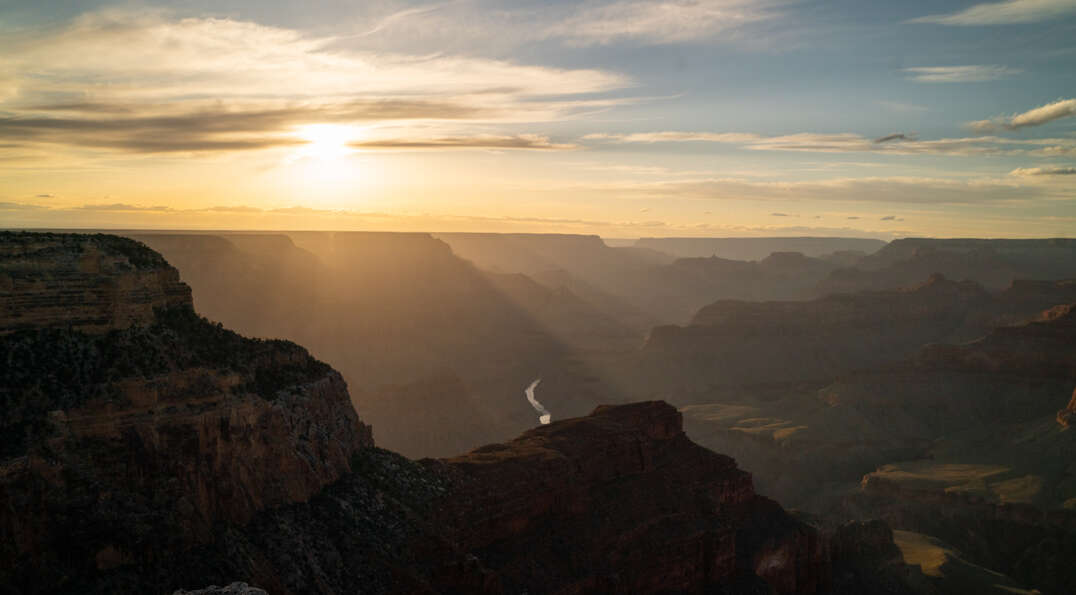
South Rim at sunset, Grand Canyon.
When Is the Best Time for Stargazing at the Grand Canyon?
For the darkest skies and clearest stars, plan your trip around the new moon. The core of the Milky Way is visible during summer, so check your calendar for new moons from May through August. Plus, every June, the park hosts the famous Grand Canyon Star Party, a free, weeklong event with telescope viewings and lessons from local astronomers.
If you prefer cooler weather, winter still offers incredibly clear skies. However, the North Rim is typically closed from November to May, so plan to stick to the South Rim during the colder months.
Grand Canyon Stargazing Tips for a Better Night Sky View
A little preparation will help you get the most out of your experience. Here are some tips to keep in mind:
- Give your eyes time to adjust. If you were just near bright lights, your eyes may take up to 20 minutes to adapt to the night sky at the Grand Canyon.
- Use a red flashlight. White light will ruin your night vision (and everyone else’s), so use red filters to find your perfect viewing spot.
- Pack warm layers! Evenings at the Grand Canyon get very cold even in summer, so prepare to bundle up.
- Safety first. Stay on the paved paths at all times, but especially when walking around the rim in the dark.
- Join an easy-paced national park learning adventure to enjoy natural wonders while leaving the planning to travel experts.
How to Plan a Grand Canyon National Park Stargazing Trip
Planning a Grand Canyon stargazing trip takes a bit of foresight.
- Lodging: Lodging inside the park is limited and fills up fast, so you'll need to make reservations months ahead (at least).
- Transportation: Grand Canyon National Park encompasses over 1,900 sq. miles. If you don’t have a room near the Canyon itself, you’ll need reliable transportation to get there.
- Pick a side: Will you explore the bustling South Rim or the quiet North Rim? Both are spectacular, but you’ll need to plan your travel times accordingly.
- Plan for weather: Check local weather forecasts before heading out to avoid cloudy nights.
If you’d rather skip the planning, a Grand Canyon National Park learning adventure may offer an alternative. Many visitors prefer to follow a structured plan for lodging, transportation, and scheduling while they simply take in the sights.
Experience Grand Canyon Stargazing With Road Scholar
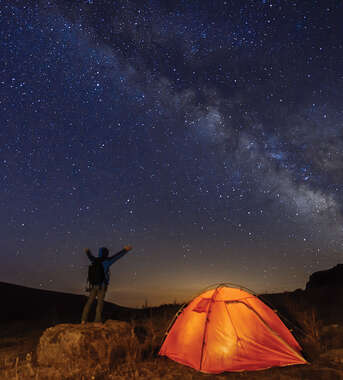
Road Scholar offers astronomy and stargazing travel packages that will let you discover the cosmos like never before. We also offer private group travel options where you’ll experience Grand Canyon stargazing with your own friends, family, or group. However you love to learn, we'd love to have you join us on the adventure of a lifetime.