
Salem, North Carolina: The Site of the First Fourth of July Celebration

- Fourth of July celebrations might bring to mind fireworks, barbeques and pool parties. But on the first Fourth of July in 1783, a very different scene unfolded.
- Road Scholar online instructor Christopher Hendricks shares the story of the pacifist Moravian settlers of Salem, North Carolina, and the backlash they faced during the American Revolution.
- Salem would go on to be the site of the first Fourth of July celebration. In a departure from what we envision for July 4th celebrations today, Salem residents celebrated quietly with a torchlight parade and fellowship time.
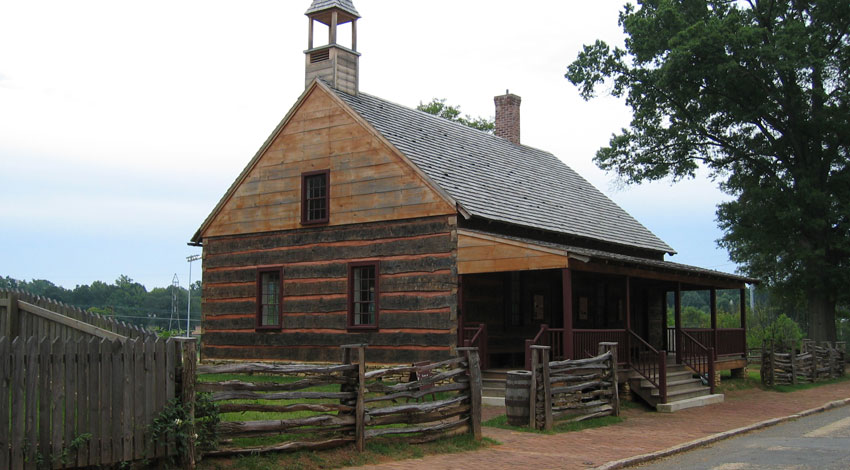
On July 4, 1976, Americans across the country celebrated the nation's bicentennial with picnics, band concerts, parades and spectacular fireworks displays. But in Winston-Salem, North Carolina, a very different celebration unfolded.
As dusk settled over the historic Salem district, candlelight began to flicker in the windows surrounding the town square. Hundreds of people gathered in anticipation. When darkness finally arrived, a man dressed as an eighteenth-century night watchman walked down Church Street sounding a conch shell. Moments later, men and women in period clothing emerged from nearby buildings carrying lanterns and torches. They assembled in front of Home Church, where a minister offered a prayer of thanksgiving for peace. A choir, accompanied by brass musicians, sang an anthem before the group began a solemn procession around the square, singing hymns as they walked. After receiving a final blessing, the participants quietly returned home.
The event was not simply a bicentennial pageant. It was a reenactment of what is believed to have been the first official Independence Day celebration in the United States, held on July 4, 1783.
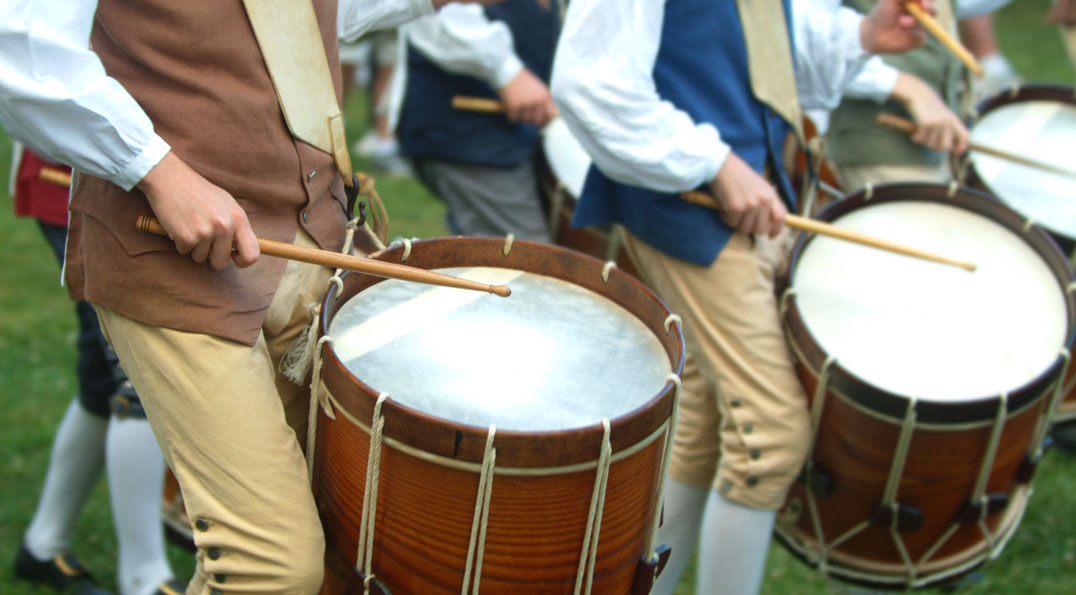
Salem’s History
Surprisingly, that first observance did not take place in Boston, New York or Philadelphia. Instead, it occurred in the tiny frontier town of Salem, then home to just 185 residents. Founded in 1766 by German Moravian settlers who had migrated from Pennsylvania, Salem was a close-knit religious community built on faith, hard work and cooperation. Despite suspicion and jealousy from some neighboring settlements, the Moravians prospered.
The American Revolution placed the community in a difficult position. As committed pacifists, the Moravians sought to remain neutral while staying true to their religious beliefs. Their stance drew distrust from both sides of the conflict. Patriot and Loyalist militias passed through the town, threatening violence, stealing property and sometimes holding residents at gunpoint. In 1781, British forces under the command of Lord Cornwallis marched through Salem, followed by American troops. As soldiers, deserters and refugees moved through the region, they left behind wounded men and spread disease.
Yet the Moravians endured. Their faith sustained them through years of uncertainty and danger. In a report sent to church leaders in Germany at the end of 1781, Salem's diarist expressed gratitude that, despite repeated threats, no homes had been destroyed, and no members of the congregation had lost their lives. Some had been robbed, injured or seized by armed forces, but the community had survived.
Two years later, as peace negotiations were nearing completion in Paris, North Carolina Governor Alexander Martin proclaimed July 4, 1783, a "Day of Solemn Thanksgiving to Almighty God." He called upon citizens to set aside their labor and devote the day to worship and gratitude.
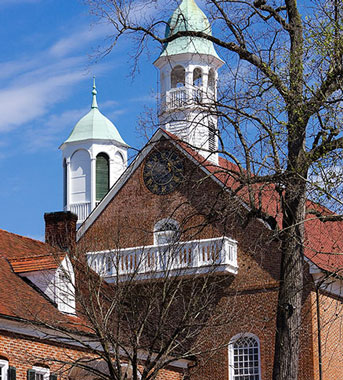
Home Moravian Church in Winston-Salem, North Carolina
The First Fourth of July Celebration
In one of the great ironies of the American Revolution, the only people known to have answered that call were the German pacifists of Salem. Their celebration featured no fireworks, bonfires or rowdy festivities. Instead, residents awoke on the morning of July 4 to the sound of trombones announcing "a day of thanksgiving for the restoration of peace." The day was devoted to prayer, music and fellowship, culminating in a torchlit procession through the town.
Simple yet deeply meaningful, Salem's observance stands as the earliest known official Independence Day celebration in the United States — a reminder that the nation's first Fourth of July was marked not by explosions and spectacle, but by gratitude and the hope for lasting peace.
Interested in delving further into American history? Join us on these learning adventures that offer continued looks into the past.
Christopher E. Hendricks is a professor of history at the Armstrong Campus of Georgia Southern University in Savannah, where he has taught since 1993. He has worked extensively in early American history and material culture with many organizations including the Colonial Williamsburg Foundation and Old Salem, Inc.