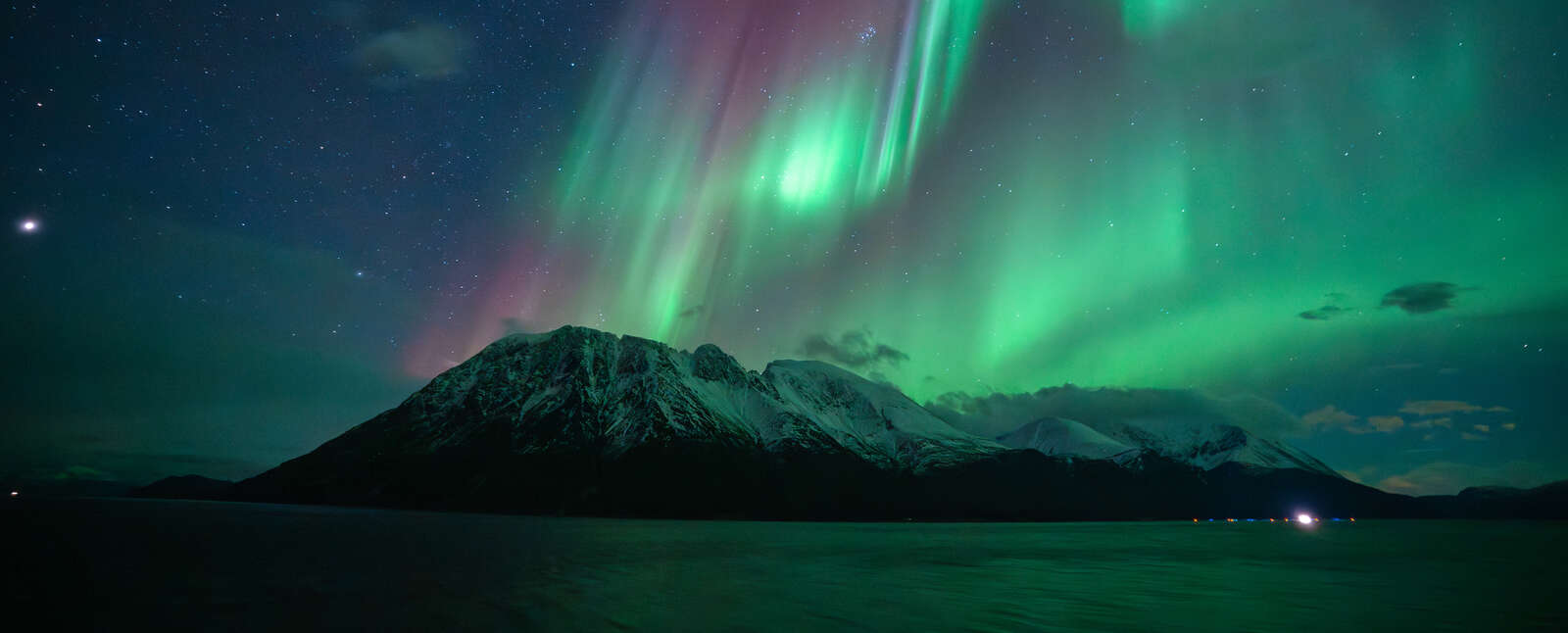
Big Bend National Park Stargazing And Night Sky Adventures

- Big Bend National Park is known for some of the darkest night skies in the lower 48 states, making it a standout place for stargazing.
- The best stargazing conditions usually happen on clear nights when the moon is below the horizon or near a new moon.
- Visitors should plan ahead by checking moon phases, weather, park conditions and nighttime safety needs before heading out.
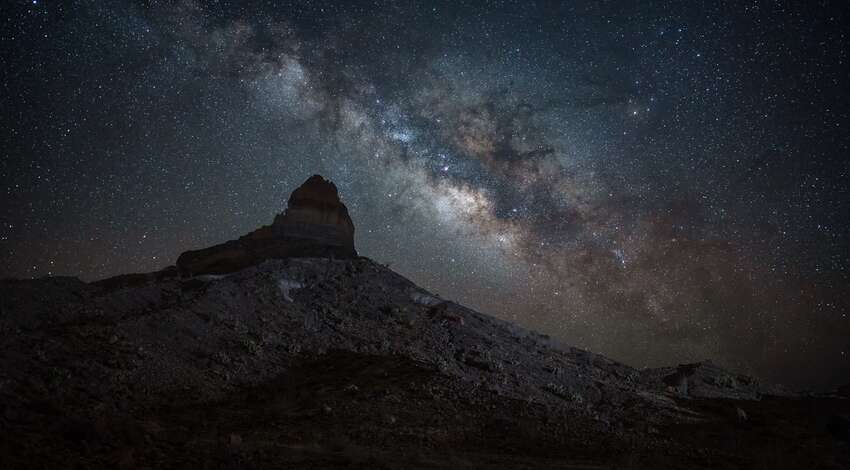
Want to discover one of the most memorable night sky experiences in the United States? Thanks to low light pollution, open desert and the wide Texas sky, Big Bend National Park stargazing offers some of the best views of the cosmos you’ll find. In this guide, we’ll help you identify the best times and stargazing spots in Big Bend, plus provide essential tips for making the most of your experience.
Why Big Bend National Park Is Great For Stargazing
Why is the Big Bend National Park night sky special? Location, location, location. Big Bend sits in West Texas, far from large towns and bright city glow. Plus, as an International Dark Sky Park, park management takes extra steps to reduce any excess lighting.
The results shine for themselves, offering the darkest night skies of any national park in the lower 48 states and some of the best stargazing in North America.
What Can You See In The Big Bend Night Sky?
Darker skies make it easier to see stars and details that are usually hidden by city light pollution. When conditions align, Big Bend night sky viewing can reveal:
- Stars and constellations
- Planets
- The Milky Way
- Shooting stars
- Meteor showers
The National Park Service notes that visitors can see about 2,000 stars on a clear night in Big Bend, compared with only a few hundred in most towns and cities.
Best Time For Stargazing In Big Bend National Park
Planning your journey around sky conditions is the secret to a great experience. Use a moon phase calendar to plan your trip around the new moon or on a night when it’s under the horizon. Check current park conditions to make sure you arrive on a clear night.
While you’ll get great views throughout the year, Big Bend Milky Way viewing is best from March through October. If you’re prepared for West Texas heat, you’ll get the clearest panoramic views of our galaxy from June through August.
Fall and winter are more comfortable, but desert nights get very cold. Summer offers better Milky Way views, but the park can be subject to storms. Always check weather forecasts to make sure you’re ready for comfortable stargazing.
Best Places To Stargaze In Big Bend
The best places for stargazing in Big Bend National Park are areas where you can view the sky safely, legally and with low nearby light. Good options may include:
- Desert pullouts, where permitted
- Campgrounds or lodging areas with low lighting
- The Chisos Basin area
- River and desert areas
Park rangers can also recommend great viewing spots and guide you in stargazing safely.
How To Plan A Big Bend Night Sky Adventure
Here are a few steps to help you plan your stargazing adventure:
- Check the moon phase. Plan a visit when the moon is new or low in the sky.
- Check the forecasted weather and cloud cover.
- Pack a red flashlight or headlamp for visibility without ruining your night vision.
- Dress in layers.
- Bring water, even at night. Big Bend is still a desert after sunset!
- Know your route before dark. Ask park rangers for assistance and print or download maps in advance in case cell service fails.
- Keep phone screens dim and use night mode when you need an app. Avoid white lights whenever possible.
Find a safe place away from developed areas, bring lawn chairs and a thermos, give your eyes time to adjust and prepare to enjoy the Big Bend night sky experience!
Stargazing Tips For First-Time Visitors
Arrive before dark if you can. It’s easier to choose a safe spot and get comfortable while you can still see the ground. Once the stars come out, get settled, turn off the lights and give your eyes 20 to 30 minutes to adjust.
A star map or astronomy app in night mode can help you find constellations and planets. The stars will be all around, so give your neck a break and remember to look in all directions, not just overhead!
Finally, don’t rush. The sky changes throughout the night, so take your time and soak in the experience. Remember to keep noise and lights low as a courtesy to others.
If planning, traveling or hiking presents a challenge, an easy-paced national park adventure offers a great way to experience nature in comfort.
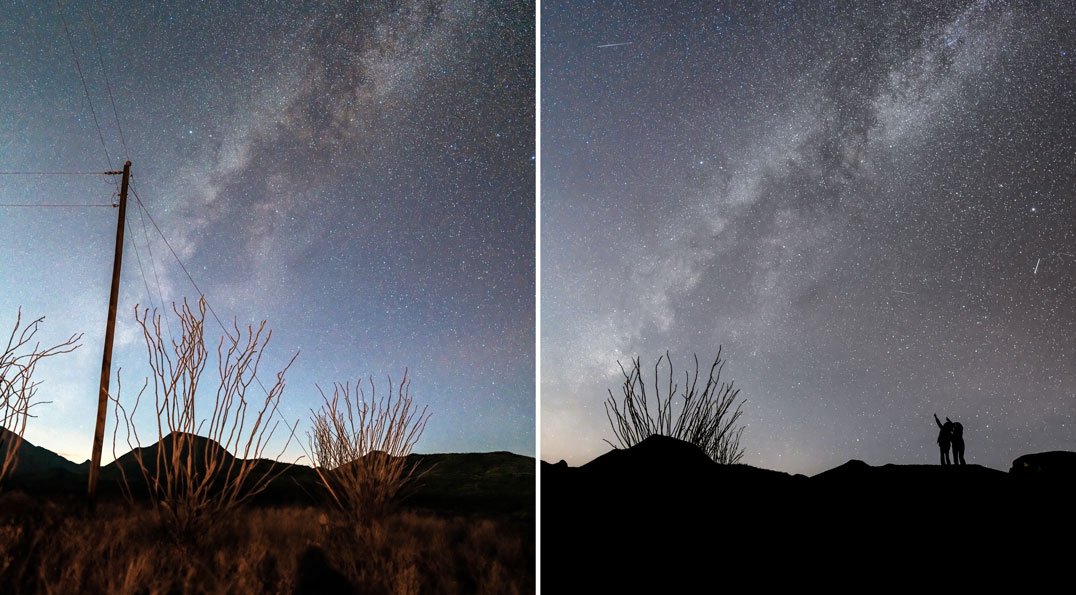
The night sky at Big Bend National Park.
Why Dark Skies Matter
Dark skies are more than pretty. Natural light and dark cycles support the ecosystems of our wilderness, which is why the National Park Service is dedicated to preserving pure starlit skies.
The night sky has united people and cultures throughout history. In Big Bend, the dark sky lets stargazers feel that connection. Experiencing a truly clear night sky can help travelers understand space, the cosmos and their place in the universe in an impactful way.
Big Bend Stargazing and Educational Travel
A Big Bend stargazing adventure becomes richer when you understand the bond between the sky above and the world below. The same night that reveals the Milky Way can also spark questions about desert ecology, geology and wildlife, local history and conservation. That’s where educational travel shines.
Combining a stargazing adventure with expert-led learning lets participants understand what they’re seeing and why it matters. The night sky of Big Bend is not separate from the park. They’re part of the same story — and you are, too.
Frequently Asked Questions About Big Bend National Park Stargazing
Is Big Bend National Park Good for Stargazing?
Yes! Big Bend has the lowest light pollution of any national park in the lower 48 states, making it one of the best places in North America for dark sky stargazing.
When Is the Best Time to See the Milky Way in Big Bend?
The Milky Way is visible in Big Bend National Park from March through April, with peak viewing from June through August. Look for clear weather during a new moon.
Do I Need a Telescope to Stargaze in Big Bend?
No! Big Bend visitors can enjoy some of the world’s best stargazing with the naked eye. Binoculars can add detail, but they’re optional.
Is Stargazing in Big Bend Safe?
Generally yes, but as with any wilderness experience, planning is essential. Check park conditions, know your route, bring plenty of water and warm clothing, and only use approved areas.
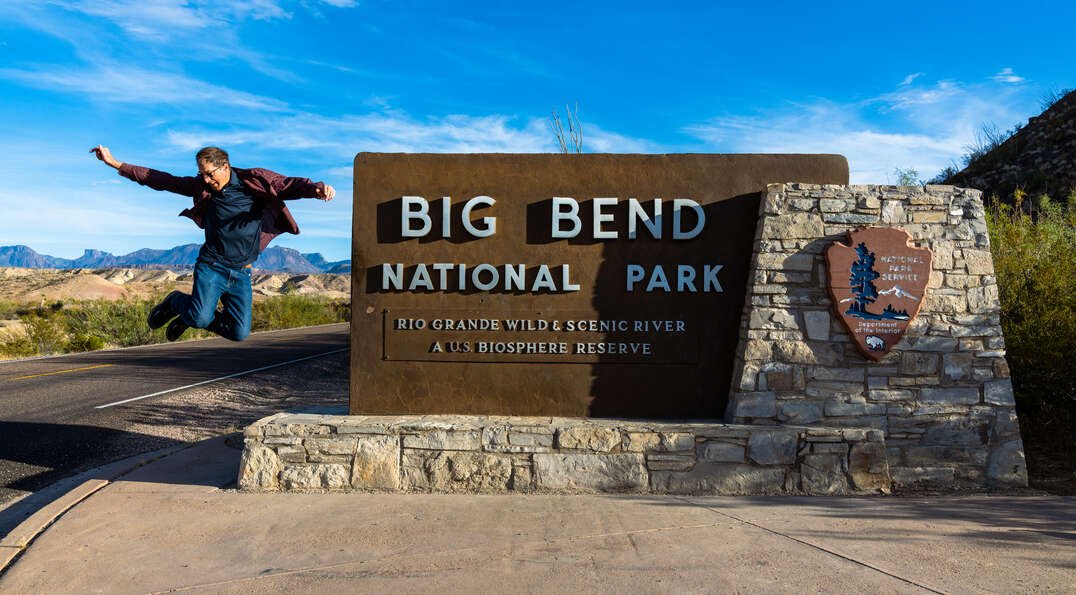
A Road Scholar participant jumping next to the Big Bend sign.
Plan Your Big Bend Night Sky Adventure With Road Scholar
If you live in a town or city, a true dark sky experience is unlike anything you’ve experienced before. A Big Bend learning adventure with Road Scholar makes it simple. With all the planning handled for you, you’ll be free to indulge your curiosity about the cosmos, the park and the world around us.
Road Scholar offers expert-led, not-for-profit learning adventures in Big Bend and other Southwest National Parks. Join a cohort of fellow learners or book a private group travel experience for your friends and loved ones.
Want more dark sky experiences? Road Scholars who enjoy astronomy can explore other astronomy and stargazing travel programs or join the ultimate Grand Canyon Star Party. Read our Ultimate Stargazing Guide and Astrotourism Guide to learn more.