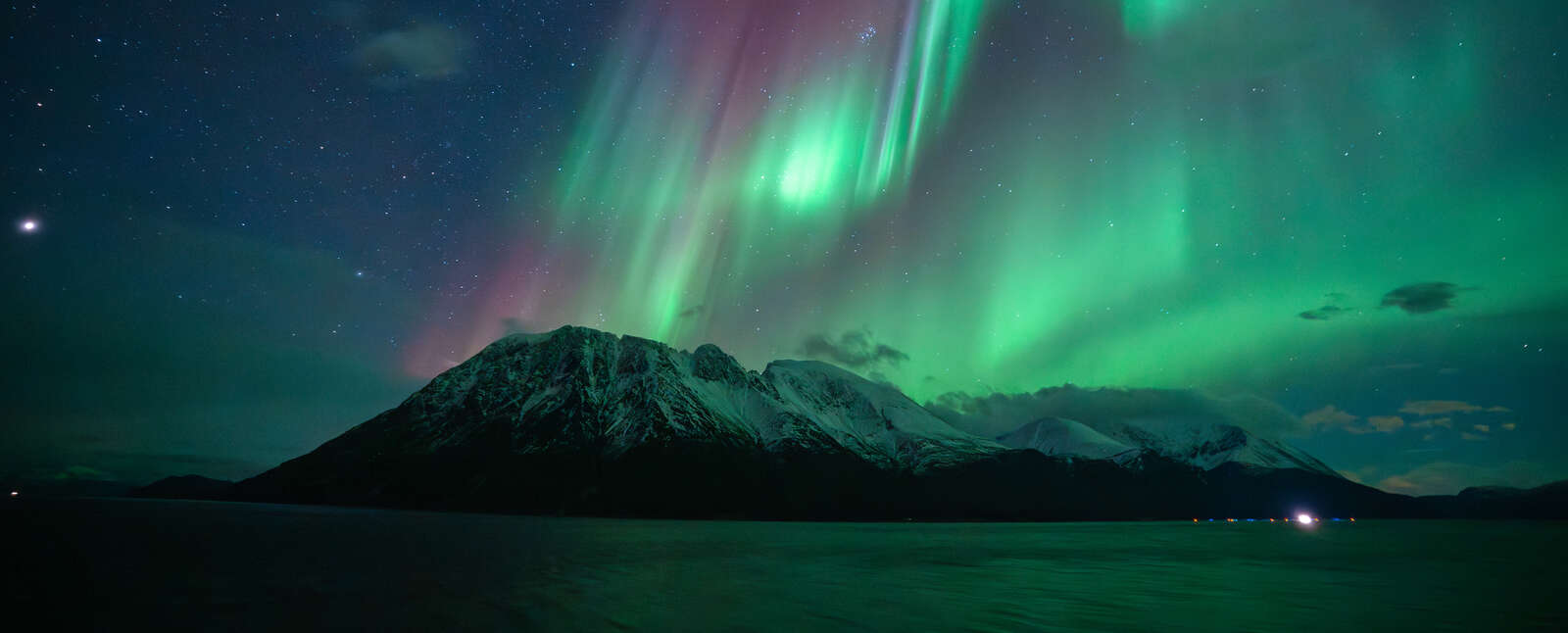
The Ultimate Stargazing Guide: Best Dark Sky Destinations for Cosmic Views

-
Understanding dark sky designations helps you find the most pristine viewing conditions.
-
Minimal equipment (often just your eyes or a pair of binoculars) is all you need to get started.
-
Experiential learning with expert instructors adds depth to your cosmic observations.
-
Timing your astrotourism journey with the lunar cycle and seasonal shifts is vital for success.
There’s a profound sense of wonder that comes from looking up at a truly dark night's sky. It’s a connection to the ancient navigators, poets, and scientists who stared at the same constellations thousands of years ago. Whether you’re a seasoned amateur astronomer or someone who simply loves the quiet beauty of the cosmos, finding the right spot to look up is the first step toward a transformative experience.
At Road Scholar, we believe that learning doesn’t stop in the classroom. Our educational dark sky adventures are designed to take you far beyond the city lights, where the Milky Way isn't just a faint smudge but a brilliant ribbon of light. Join our cohort of lifelong learners as we explore the best places to view the night sky and discover the science and stories written in the stars.
Best Places for Stargazing Around the World
The world is full of Dark Sky Parks and remote regions where light pollution is virtually nonexistent. Here are some of the best places for stargazing that we explore on our learning adventures.
Viewing the Night Sky in the U.S.
The American West offers some of the most accessible and stunning stargazing in the Northern Hemisphere. National parks like the Grand Canyon, Bryce Canyon, and Joshua Tree are famous for their high elevations and dry air, which create crystal-clear atmospheric conditions.
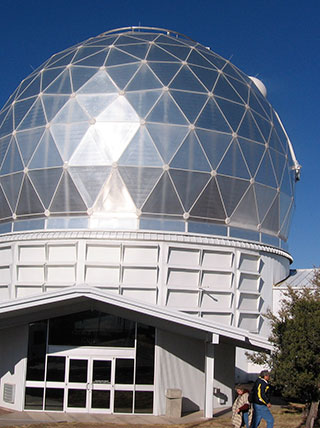
In the Southwest, you can visit world-renowned observatories where faculty members explain the latest discoveries in astrophysics. These locations allow you to see the rings of Saturn or distant star clusters with incredible clarity.
International Dark Sky Destinations
If you’re looking to stamp your passport, the Canary Islands and Atacama Desert in Chile offer a unique opportunity to experience the night sky and observe constellations like the Southern Cross on a Road Scholar voyage.
Remote Locations for Unmatched Star Viewing
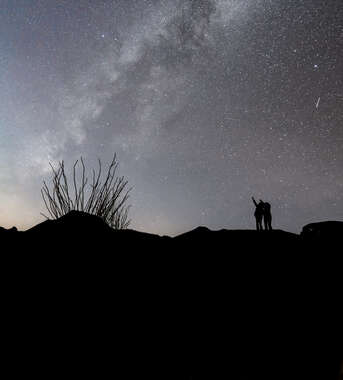
For those who truly want to get away from it all, regions like the Australian Outback or the dark moors of Scotland offer Gold Tier dark skies. These remote locations provide a canvas so dark that the stars actually cast shadows on the ground.
Navigating these areas can be a logistical challenge, but that’s where we come in. We handle all the details, from transportation to lodging, so you don't have to worry about the how and can focus entirely on the wow.
What Is Star Gazing?
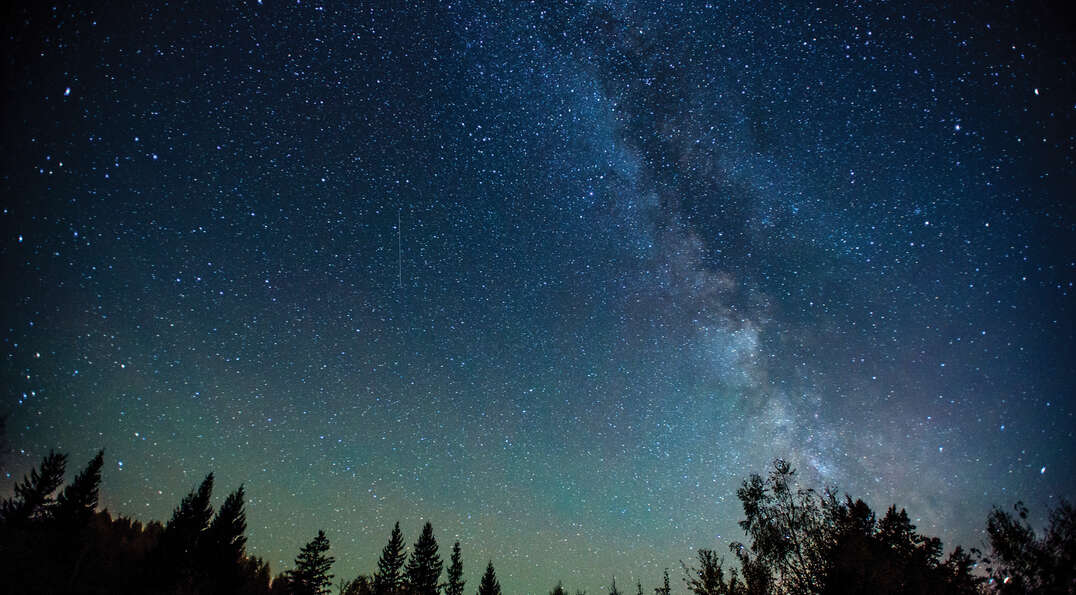
At its heart, stargazing is the practice of observing the night sky and the celestial objects within it. It’s one of humanity’s oldest pastimes, blending science, history, and mythology. While it might sound technical, it’s really about slowing down and reconnecting with the natural world.
When you engage in star viewing, you’re looking at light that has traveled for years, decades, or even millennia to reach your eyes. It’s a form of time travel that reminds us of our place in the universe. On a Road Scholar program, we dive deeper than just identifying the Big Dipper; we explore the cultural significance of constellations and the physics of the stars themselves.
How to Prepare for the Best Star Viewing Experience
Preparation is the difference between a cold night in the dark and a comfortable, enlightening evening under the canopy of the heavens. Here is how to set yourself up for success.
Essential Tips for Star Viewing Beginners
The most important rule for stargazing is to let your eyes adjust. It takes about 20 to 30 minutes for your night vision to fully kick in. Avoid looking at your phone or bright flashlights during this time, as even a second of white light can reset your progress.
Check the weather and the moon phase before you head out. The best stargazing guide tip we can offer is to aim for the days surrounding a new moon. When the moon is bright, its glow washes out the fainter stars and distant nebulae.
Equipment You Need for Stargazing
You don’t need a massive telescope to have a world-class experience. In fact, many Road Scholars find that a high-quality pair of binoculars is the perfect tool for scanning the lunar craters or Jupiter’s moons.
Pack a red-light flashlight, which allows you to see your path or a star map without ruining your night vision. Dress in layers, even in desert climates, as temperatures drop significantly after the sun sets. Most importantly, bring a curious mind and a comfortable chair so you can settle in for the show.
When Is the Best Time to Go Stargazing?
The seasons affect which celestial wonders are visible at night, with summer showcasing the Milky Way and the Perseid meteor shower, while winter highlights bright stars like Orion and the Pleiades cluster. Traveling with Road Scholar offers access to local experts, ensuring balanced evening viewing sessions with restful days and engaging lectures.
Discover the Universe With Road Scholar
Are you ready to see the world (and the universe) in a new light? Road Scholar isn't a tour group; we’re a community of thinkers and explorers who believe that life is an ongoing journey of discovery. Our educational adventures are designed specifically for Boomers and Beyond, ensuring you’re surrounded by peers who share your passion for learning.
From the quiet deserts of the American West to the high-altitude observatories of the Andes, we invite you to join us. Our advisors are ready to help you find the perfect itinerary, ensuring every detail is managed with care. Whether you’re interested in "Astronomy in the Southwest" (#21256), STEM adventures with your grandchildren, or another stellar expedition, your next great adventure is just a star away.
Explore Our Upcoming Learning Adventures and Find Your Place Under The Stars Today!