- What is the best time of the year to visit Greece?
One of our top tips on traveling to Greece is to visit in late spring or early fall. These seasons offer the best balance of pleasant weather, manageable crowds, and full access to cultural sites and islands.
- How many days do you need in Greece?
Plan for at least 8-12 days to explore Athens and one or two islands comfortably. Two weeks allow for a deeper experience with fewer rushed travel days.
- Is Greece a good place for first-time travelers to visit?
Yes! Greece is extremely welcoming and easy to navigate. It is also rich in history, cuisine, and breathtaking scenery, making it an excellent introduction to European travel for first-time travelers.
- Do you need a visa to travel to Greece?
U.S. citizens can visit Greece for up to 90 days within a 180-day period without a visa. To ensure a smooth journey, we always recommend reviewing our Greece travel safety tips and keeping your passport securely stored while exploring.
- What is the best way to travel between Greek islands?
Ferries are generally the most common and scenic option for traveling between Greece’s many vibrant islands, with frequent routes during the peak summer season. However, there are flights available for longer distances or tighter schedules.
- How much walking is required when visiting Greece?
You can expect moderate walking when visiting Greece, especially in historic areas with uneven stone streets and stairs. Make sure to take time to carefully review activity levels in advance to ensure a comfortable adventure.
- Is English widely spoken in Greece?
Yes, English is widely spoken in cities, on popular islands and in tourism-related settings, making communication straightforward for most visitors.

Greece: An Educational Travel Guide
Ancient ruins overlooking cities that have stood the test of time. Mythology intertwined with history on mountain summits and seaside shores. Longstanding traditions still playing a role in contemporary culture. In Greece, the lines are blurred between the past and the present, offering unique opportunities to step into legendary stories and thousands of years of history.
There are many ways to take advantage of these opportunities, from voyages on the sparkling waters of the Aegean Sea to journeys to Greece’s northern cities and mountains. Whether you’re exploring during the busy summer months or escaping to a Greek island in the winter, Greece has learning opportunities year-round and for all interests. Delve into historic architecture, fascinating myths, geologic features and local life — your Greek classroom awaits!
Ready to go? This travel guide offers some top spots in Greece, important travel information and other facts to inspire your Greek learning adventure.

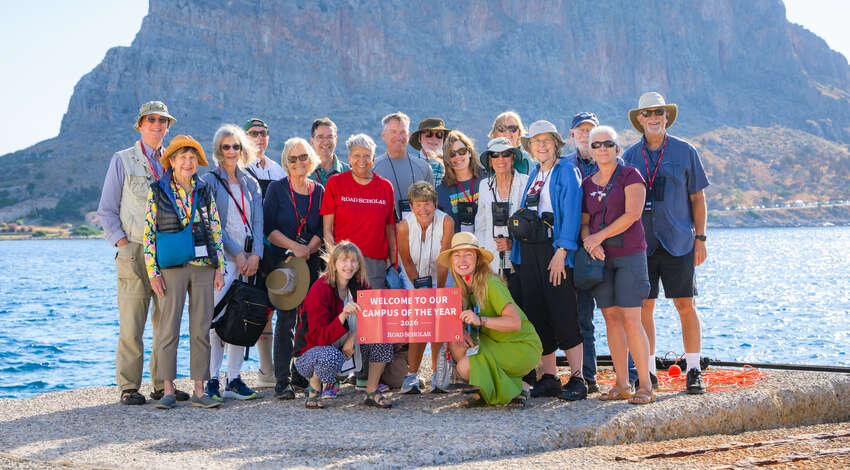
Greece Travel Tips

“The program was awesome. The motorized sailing vessel, the swims in the Aegean Sea and having the most wonderful instructional leader who was so knowledgeable about Greek history and current events made this learning adventure unforgettable. It was everything I was hoping to experience.”
— Virginia, Phoenixville, Penn., Class of '20 —
Greece At-A-Glance
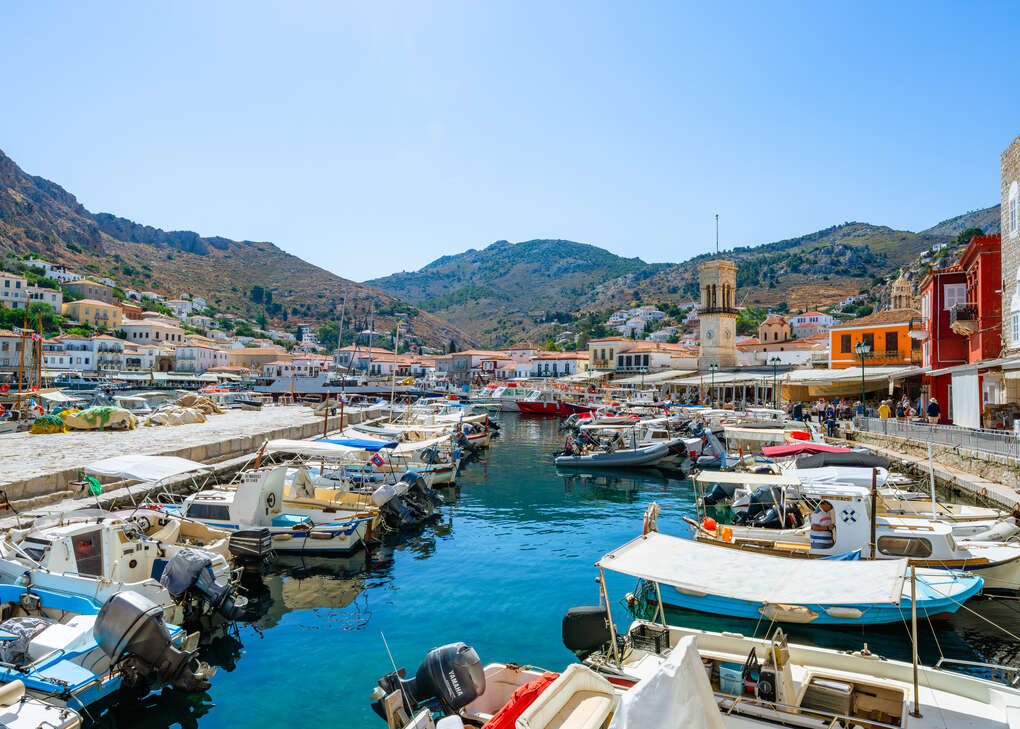
- Population: ~10 million
- Language: Greek
- Capital: Athens
- Currency: Euro
- Time Zone: Eastern European Standard Time
- Total Size: 50,949 mi²
- Major Cities: Athens, Thessaloniki, Patras, Heraklion, Rhodes, Ioannina, Larissa, Volos
Geography
Did you know that the country of Greece has the longest coastline in the Mediterranean? Or that Greece is Europe's southernmost country? Greece encompasses thousands of islands, but only several hundred are inhabited. Its mainland is covered by mountains, forests and lakes and includes the renowned Mount Olympus, Greece’s highest mountain and the legendary home of the ancient Greek gods. About a third of Greece’s population resides in Attikí, the region around Athens on the country’s southern coast.

Getting Around in Greece
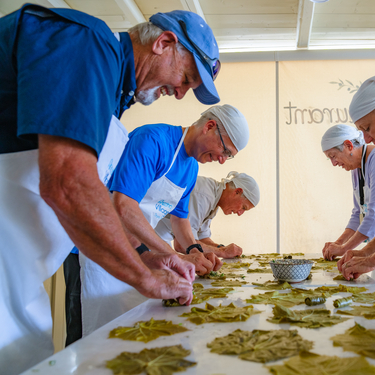
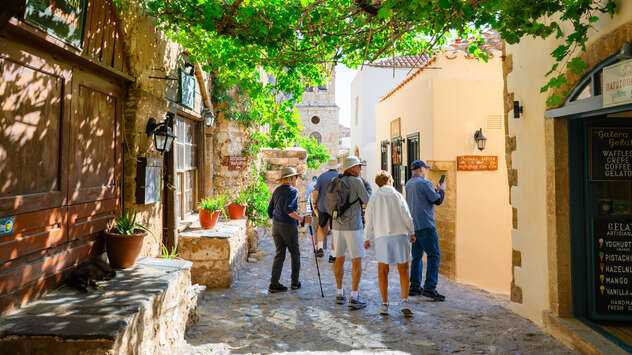
When you’re exploring Greece on a Road Scholar learning adventure, your transportation is included in your program price and planned for you in advance. If you’re traveling independently before or after your program, plan your modes of transportation well in advance, including booking ferry tickets and car rentals. It’s also important to note that parts of Greece can be difficult to navigate for those using wheelchairs or with mobility concerns, due to uneven streets, lack of elevators and steep ramps.
Do You Need a Travel Visa for Greece?
If you are a citizen of the United States, you can travel to Greece without a visa for a total of 90 days within a 180-day period. Make sure your passport is up to date before you depart through — it’s a good idea to ensure that your passport will be valid for at least six months before you head out.
Weather in Greece
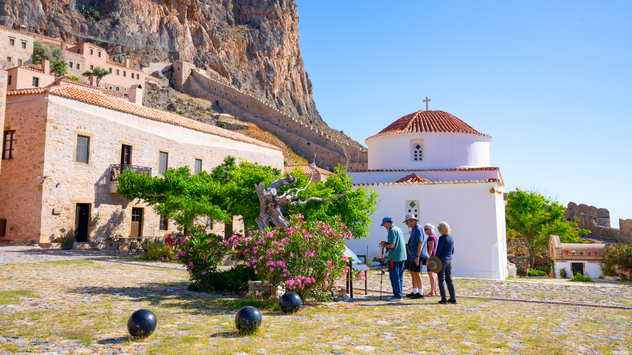
The weather in Greece can vary depending on your specific location and the time of year you visit. Spring and fall are optimal times to explore, as the weather is usually milder. Winter can mean even cooler temperatures if you’re hoping to avoid the heat, while summer can offer the perfect weather for taking a dip in the Mediterranean!
Check the weather for your specific itinerary before you head out, and anticipate temperatures ranging from 50-85 degrees Fahrenheit. Layers will be key — pack short-sleeve shirts and a sweater or jacket that you can easily shrug on or off.
Greece Seasonal Guide

Timing can shape your entire experience in Greece. From wildflower-covered hillsides in spring to sun-drenched island days in summer, each season offers something distinct. Let this Greece travel guide help you explore the country throughout the seasons:
Spring
(April-June)
Spring is one of the most rewarding times to travel to Greece. The country feels fresh, colorful and travel is comfortably paced.
- Mild weather: Daytime temperatures are generally pleasant, making it easier to explore archaeological sites and cities without the intense summer heat. Just keep in mind that your Greece packing list should include light layers for those cooler, breezy evenings.
- Fewer crowds: Major landmarks like the Acropolis and Delphi are busy but manageable, giving you more space to linger and learn.
- Wildflowers: Hillsides and rural landscapes burst into bloom, especially in April and May, adding a vibrant backdrop to countryside excursions.
- Ideal time for walking: Comfortable temperatures make this season perfect for guided walks through historic neighborhoods and ancient ruins.
Summer
(July-August)
Summer is classic Greece. Think bright blue skies, lively harbors and long, sun-filled days.
- Very hot: Temperatures often climb into the 90s and above, especially in Athens and on the mainland. Early starts and midday breaks are essential.
- Peak crowds: This is high season, particularly on popular islands like Santorini and Mykonos. Advanced reservations are a must.
- Best time for visiting islands and swimming: Sea temperatures are warm and inviting, ideal for beach time, boat excursions and coastal relaxation.
- Heat considerations for people 60+: Hydration, sun protection and a flexible schedule matter. Many routine Greece travel tips recommend pacing activities carefully and prioritizing morning and evening outings to keep you comfortable.
Fall
(September-October)
Early fall offers an excellent balance of comfort and access, making it a favorite in many Greece travel guides.
- Excellent balance: Warm days, cooler evenings and a relaxed atmosphere create ideal conditions for sightseeing and cultural exploration.
- Warm seas: The water retains its summer heat, so swimming and boat trips remain enjoyable well into October.
- Lower cruise traffic: Popular ports see fewer large ships, which often means less congestion at key cultural sites.
Winter
(November-March)
Winter reveals a quieter, more reflective side of Greece, especially in mainland cities.
- Cultural sites are less crowded: You can explore museums and archaeological landmarks with far fewer visitors, creating a more intimate learning experience.
- Some islands are quieter or closed: Many island hotels and ferry routes reduce service, so careful planning is essential when reviewing tips on traveling to Greece during this season.
- Best time for visiting mainland cities: Athens, Thessaloniki and other mainland destinations stay active year-round, offering rich history, cuisine and cultural life without peak season intensity.
“Great program in every way! Fascinating part of Greece about which few of us know very much. The program provides detailed insight into complicated history, culture and geography. Very well-planned and orchestrated.”
— Jane, Cambridge, Mass., Class of '24 —
Top Must-See Sites in Greece
Thanks to its thousands of years of history, vibrant culture and fascinating stories, Greece tops many must-visit lists! Here are some of the country’s top places to explore on your adventure:
Athens
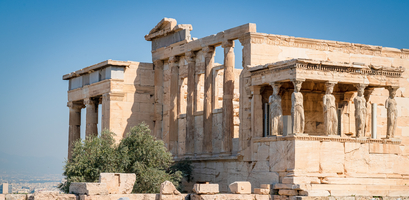
From the iconic view of the Acropolis to the Agora with its Socratic roots, Athens is dotted with historic monuments. Often a starting and ending point to many Greek learning adventures, take advantage of your time in the city by exploring its world-renowned sites. Walk in the footsteps of Olympians at the Panathenaic Stadium, known as Kallimarmaro, where the first modern Olympics were held in 1896. And if you’d like the best view of Athens, find your way to the top of Mount Lycabettus, where you can see how the city stretches all the way to the waters of the Aegean Sea.
Santorini
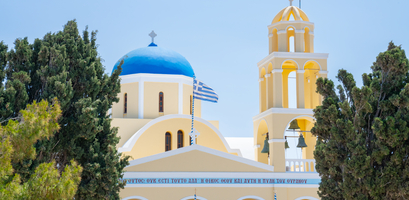
Another famous region of Greece is the island of Santorini. Perched above the Aegean Sea, Santorini is part of a submerged volcanic caldera, which gives the island its crescent shape and black sandy beaches. Whether you’re fascinated by this geological wonder or local culture, Santorini offers something for everyone. Above its rugged coast lies picturesque villages that are home to Santorini’s iconic blue-domed churches and cobblestone streets, as well as ancient ruins and archaeological sites.
Crete
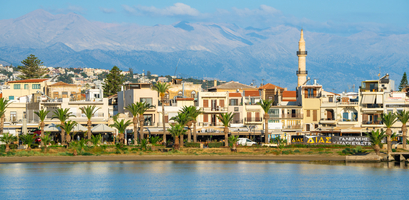
Crete holds several records amongst the Greek islands: It is both the largest and most populous of the Greek isles, as well as the fifth largest island in the Mediterranean. This larger land mass offers diverse terrain to explore, including the White Mountains, the Lasithi Plateau, the Samaria Gorge and more. Diverse are the influences on Crete’s history — the Minoans, Romans and Ottomans have all left their mark on Crete’s culture. Mythology fans will recognize Crete’s city of Knossos, where the story of the Minotaur takes place.
Delphi
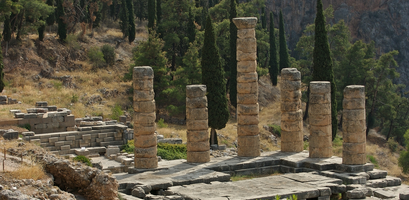
When you hear of Delphi, you might think of the Oracle — and you’d be correct! But there’s a lot more to this archaeological site than its famous prophetic voice. Delphi was also home to the Temple of Apollo, where the Oracle delivered her messages, and the ancient theatre of Delphi, which is carved into the mountainside and offers astounding views. As one of ancient Greece’s most significant religious and cultural centers, Delphi is well-worth a visit.

Rhodes
The Greek island of Rhodes is a hub for history, exemplified by the ancient city-state of Lindos and the Old City of Rhodes. Modern-day visitors to Lindos can admire the Acropolis of Lindos, which features the Doric temple of Athena that dates back to 300 B.C.E. After walking through ancient history, visitors can then explore the medieval world in the Old City of Rhodes, a UNESCO World Heritage Site. Alongside the stories that these historic sites offer, rugged coastlines and sapphire waters create the perfect backdrop for learning on the island of Rhodes.

Zagori
Greece’s northern regions offer immersive learning experiences and deep insight into local culture and customs. Here, traditional stone villages line the mountainsides, with historic architecture that contributes to their status as a UNESCO World Heritage Site. National parks preserve the surrounding natural wonders and offer glimpses into the region’s remote beauty, like the panoramic views from Vikos Gorge. Zagori’s stone bridges and pathways offer a road into the history and heart of northern Greece.
“As a first-time visitor to Greece, I found this program to be outstanding. It provides a great overview of the culture, the islands, the people, the food and especially the history. The artifacts in the museums are simply breathtaking and seeing the Parthenon for the first time is an experience you will not forget. I highly recommend this program.”
— Christopher, South Windsor, CT, Class of '08 —
Recommended Reading for Greece

The Iliad and The Odyssey
Homer
The classic story of ancient Greece, The Iliad and The Odyssey follow a cast of renowned and tragic figures through the battles of the Trojan War and the character of Odysseus’ great journey home.
A History of Crete
Chris Moorey
The largest Greek island also holds a large history — this book traces that history back to the Stone Age and up to the present day.
Stone Blind
Natalie Haynes
A refreshed take on a classic Greek myth, this novel offers a new perspective on the age-old tale of Medusa and her stony gaze.
Aegean Art and Architecture
Donald Preziosi and Louise Hitchcock
Curious about the art and architecture of ancient Greece, including its pottery and textiles? This book delves into the role that the arts played in ancient Greek culture.
The Oedipus Cycle
Sophocles
Take a look into ancient Greek theater with these translations of Sophocles’ plays about Oedipus and his tragic fulfillment of prophecy.
Want to read more? Check out our Greece booklist on Bookshop.org to find all of our recommended reads for your Greek learning adventure!
Greece Travel Safety Tips

Greece is a welcoming and generally safe destination, but smart preparation helps you travel with confidence. Keep these Greece travel safety tips in mind:
-
Hydration and sun exposure: Summer heat can be intense, especially from midday through late afternoon. Carry water, wear sun protection and plan outdoor exploration for the cooler morning or evening hours.
-
Uneven stone streets and slip hazards: Many historic areas feature marble paths and cobblestones that can become slick, so choose sturdy footwear with good grip and take your time on slopes and steps.
-
Ferry boarding tips: Ferry terminals can be busy, and boarding sometimes moves quickly. Keep your ticket and ID accessible, listen for announcements and allow for extra time to navigate ramps and stairs safely.
-
Pickpocket awareness in Athens: As in any major city, petty theft can occur in crowded areas and on public transportation. Wear a crossbody bag or money belt and stay mindful of your surroundings.
-
Travel insurance: As one of our most highly recommended Greece travel tips, comprehensive travel insurance can provide peace of mind in case of travel delays, medical needs or unexpected changes.
-
Medication documentation: Bring medications in their original containers and carry a copy of prescriptions or a doctor’s note.
-
Emergency number: Dial 112 in Greece for emergency assistance, where operators will connect you to police, fire or medical services. All 112 operators speak Greek, English and French.
Greece Packing List for Comfort and Ease

Packing thoughtfully for Greece makes everything easier once you arrive. A well-planned Greece packing list helps you stay cool, move confidently and focus on the experience rather than what you wish you’d brought. Make sure these essentials are packed before embarking on your Greece adventure:
- Lightweight walking shoes with grip
- Sun hat & sunscreen
- Light layers Travel adapter
- Prescription copies
- Compression socks for flights
- Daypack for excursions
- Reusable water bottle
Accessibility & Mobility Considerations in Greece

Any thoughtful Greece travel guide should address mobility. While Greece offers extraordinary history and beauty, it also presents a few physical challenges, from ancient pathways to hillside villages. Understanding these realities in advance allows you to plan confidently and choose a Greek adventure that fits your comfort level:
-
Cobblestones in Athens: Historic neighborhoods and archaeological sites still resemble what they looked like in the past, so be prepared for uneven stone surfaces that can be slippery and irregular, requiring steady footing and a slower pace.
-
Steep island staircases: Many Greek islands are built vertically, with long stairways and inclined walkways connecting harbors to hilltop towns.
-
Limited elevators in historic buildings: Older hotels and preserved structures may not have elevators, or, in some cases, only very small lifts. This means stairs are fairly common in older accommodations and buildings.
-
Ferries with gangways: Boarding ferries sometimes involves walking up or down narrow gangways that can shift slightly with the water, so balance and patience are helpful.
-
Importance of supportive footwear: A sturdy, well-cushioned shoe with good grip is one of the most important items on any Greece packing list.
-
Choosing programs with manageable walking distances: Many tips on traveling to Greece emphasize reviewing activity levels carefully. Selecting programs that match your mobility needs ensures a more comfortable and enjoyable experience.
Local Cuisine to Discover in Greece

One of the great joys of traveling in Greece is pulling up a chair at a seaside taverna or shaded village square and discovering just how vibrant simple food can be. Greek cuisine isn’t heavy or fussy. It’s fresh, colorful and deeply rooted in the land and sea. You’ll taste dishes built around extra-virgin olive oil, fresh vegetables, legumes, whole grains and seafood.
The Mediterranean diet has long been associated with heart health, reduced inflammation and overall longevity. It emphasizes balance over restrictions and flavor over excess. In Greece, that philosophy isn’t a trend; it’s part of daily life. Here are a few local specialties worth seeking out during your trip to Greece:
- Horiatiki Gyros
- Moussaka
- Tzatziki and pita
- Baklava
- Fava
- Dolmadakia
Frequently Asked Questions About Traveling to Greece
Start Planning Your Greece Learning Adventure
Ready to embark on your next Greek adventure? With our Greece travel guide and practical Greece travel tips, you’ll be fully prepared to join one of our learning programs to this iconic Mediterranean destination. Led by expert instructors and local guides, you’ll join a diverse cohort of like-minded travelers ready to experience Greece’s history and culture first-hand.