
Programs Under $1,500
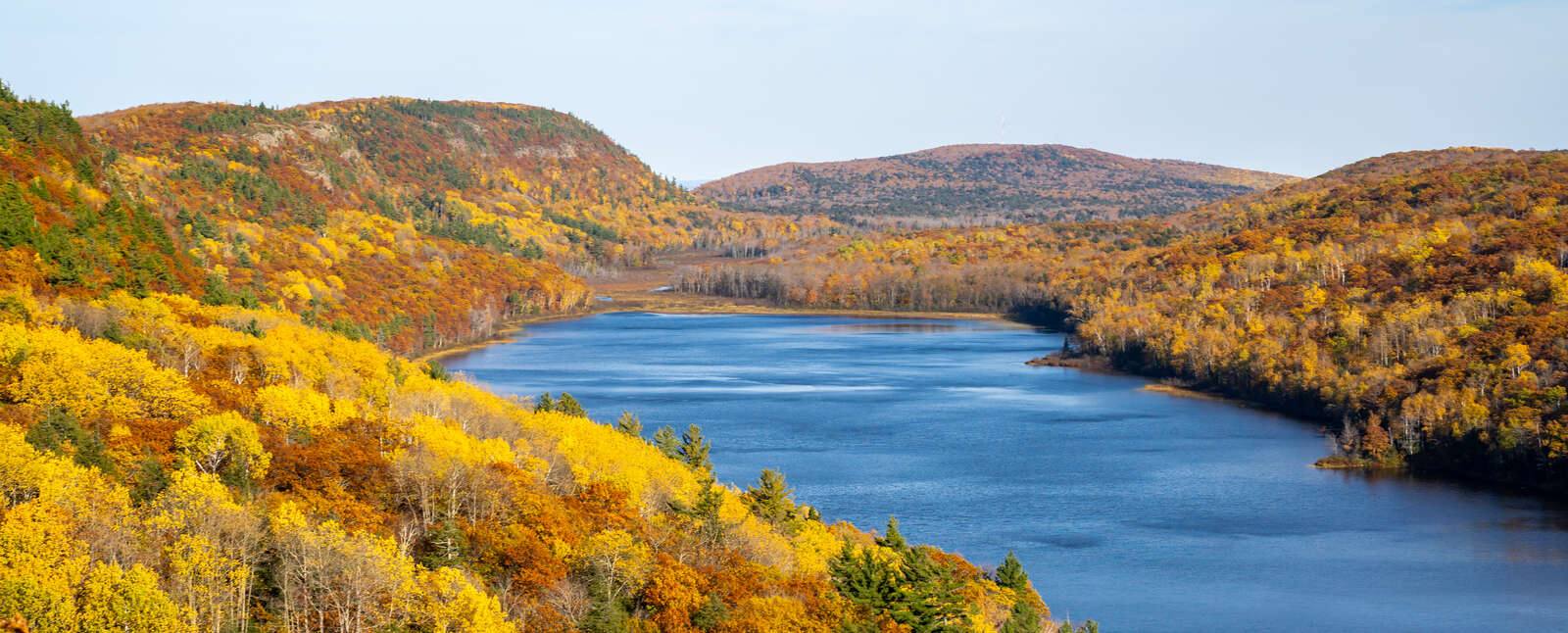
There's more than one way to experience the world with Road Scholar. These budget-friendly programs, all under $1,500, make it easier to enjoy expert-led learning, meaningful connections and unforgettable discoveries.
- Most Popular
- Relevance
- Price
- Start Date
- Title Asc
- Title Desc



Budget Tours & Budget Travel: Your Guide to Exceptional Travel Under $1,500
Why Budget Travel Doesn't Mean Compromising on Quality
Here's something a lot of people get wrong about travel: They assume the more you spend, the more you get. And sure, that might be true when you're comparing economy seats to first class. But when it comes to the actual substance of a trip, like the learning, the people you meet and the moments that stick with you long after you're home, the price tag tells you almost nothing.
Road Scholar was built on exactly that idea. As a not-for-profit organization, our focus has always been on what happens during a program, not how many stars are on the hotel door. Every program in this collection comes in under $1,500, with some starting as low as $899, and each one includes expert instruction, small-group learning, accommodations, most meals and excursions. No hidden costs, no upsells, no surprises.
Budget travel, when done right, isn't about cutting corners. It's about knowing where your money actually goes. When learning is the point, you don't have to spend a fortune to have an experience that changes how you see the world.
Ready to find your next adventure? Keep reading for our best budget travel tips, favorite U.S. destinations, and a look at the kinds of expert-led programs that prove you don't have to choose between meaningful and affordable.
Budget Travel Tips: How to Travel on a Budget and Still Have the Adventure of a Lifetime
Traveling on a budget doesn't mean settling. It means being a little more intentional about where you put your money, and often, you'll find you get more out of the experience for it. Here are six things that actually work.
1. Choose All-Inclusive Programs That Bundle the Essentials
The single best budget travel tip most people overlook: stop pricing out each piece of a trip separately and start looking for programs that roll everything together.
Road Scholar programs include lodging, most meals, expert instruction and excursions in one flat price. That means no scrambling for restaurant reservations, no wondering what the guided walk costs extra, and no mental math every time you want to do something. You know what you're spending before you leave home, and that's that.
When you add up flights, hotels, meals, museum tickets and activity fees for a self-planned trip, the costs climb fast. An all-inclusive program can easily undercut a "budget" DIY trip when the math is done honestly.
2. Travel During Shoulder Season
Peak season is expensive everywhere, not just for flights, but for accommodations, activities, and crowds. Spring and fall programs tend to offer the best combination of mild weather, fewer people, and real savings.
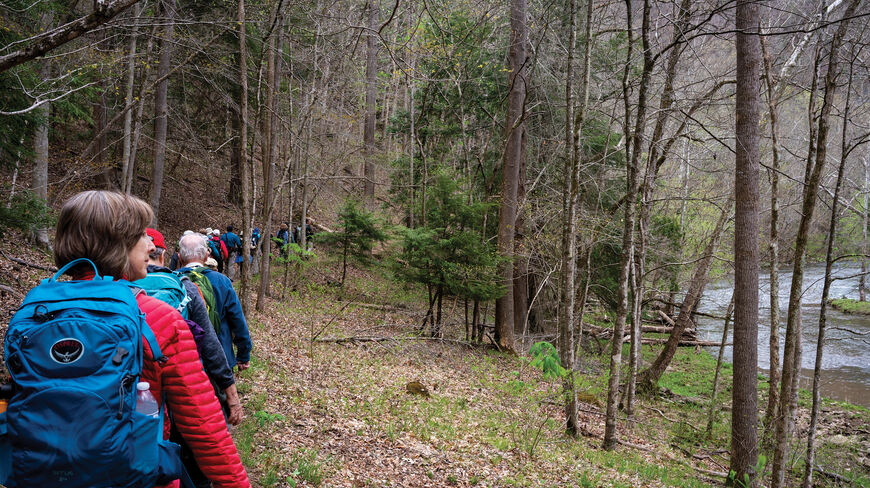
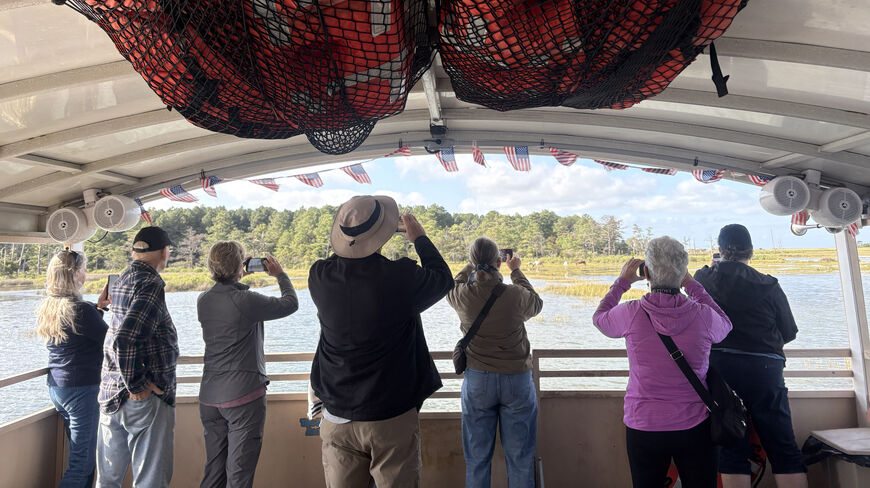
Many Road Scholar programs in this collection run during those shoulder-season sweet spots. A hiking program in Southwest Virginia in October or a birding trip to Chincoteague in spring gives you the destination at its best, without the summer price surge.
3. Look for Small-Group, Expert-Led Experiences
There's a reason budget guided tours are getting more attention: people are realizing that going somewhere with an expert changes the whole experience. A naturalist who can identify 40 bird species by call, a professor who wrote the book on Italian Renaissance painting, or a local historian who grew up two miles from the site you're visiting can bring a place to life.
That kind of access doesn't have to cost a fortune. But it does tend to require going with an organization that prioritizes it. Road Scholar programs are led by credentialed experts, not just friendly generalists, and groups stay small so you can actually ask questions and have real conversations.
4. Consider Domestic Destinations First
International travel carries a lot of costs before you ever get to the program itself, including airfare, currency exchange, travel insurance, and visas. When you're figuring out how to travel on a budget, domestic programs deserve a serious look.
The U.S. has no shortage of extraordinary places: national parks, mountain towns, coastal reserves, arts communities, and rural landscapes that look nothing like where most people live. Some of the most memorable Road Scholar programs in this collection never leave U.S. soil, and they're often the ones participants say they least expected to love.
5. Look Into Financial Aid and Special Offers
This one is specific to Road Scholar and genuinely worth knowing: We offer need-based financial aid. If cost is a barrier, you can apply, and many participants are surprised to find they qualify.
Beyond that, keep an eye on our Special Offers page. Programs with available space sometimes see price reductions, and those deals can make an already-accessible program even more so.
6. Think Carefully About What's Actually Included
Before you decide a program is expensive, read the details. When lodging, meals, expert instruction, and all scheduled excursions are factored in, the real cost per day (and per experience) is often much lower than it looks on the surface.
A self-planned trip with a round-trip flight, hotels, meals, and activity fees can add up to well over $2,000 before you've had a single real conversation with someone who knows anything about where you are. The value isn't just in the price. It's in what you get for it.
Budget Places to Travel: Top Destinations for Affordable Guided Adventures
You don't have to go far to find somewhere genuinely worth going. These are some of the best budget-friendly destinations in Road Scholar's collection — places where the learning is rich, the settings are beautiful and the programs are built around getting to know each area properly.
The Blue Ridge Mountains & Asheville, North Carolina
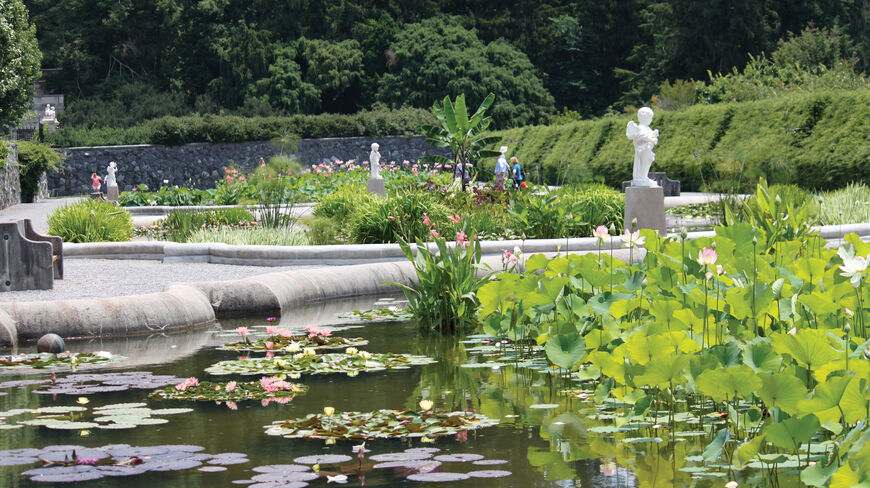
Asheville has a reputation for being creative and lively, but spend a few days in the surrounding mountains and you realize the region runs much deeper. The Blue Ridge is geologically and culturally ancient, and there is a lot to understand about it.
Road Scholar programs here range from art workshops and yoga retreats to Broadway-style musical performances and gardening explorations of Asheville's remarkable private and public landscapes. It's the kind of place that rewards slow travel and expert guidance, and several programs in this collection are built around exactly that.
Virginia's Eastern Shore & Chincoteague Island
The Eastern Shore is easy to miss if you're driving straight down I-95, and that's part of what makes it special. The barrier islands, the wildlife refuges, and the fishing communities still look more or less like they did fifty years ago. It doesn't try to impress anyone.
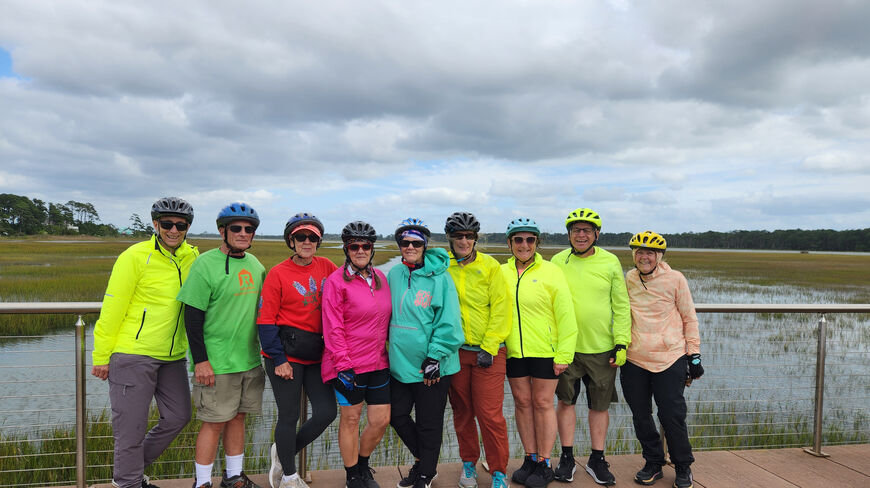
Birders know Chincoteague well. So do families who have brought grandchildren to the ocean science programs on Chincoteague Bay, and cyclists who have done the flat, quiet roads along the shore. Programs here cover a wide range of activities, including birding, island exploration, bicycling and ocean science. They all share a common quality: You leave knowing the place, not just having seen it.
The Northwoods — Michigan, Wisconsin & Minnesota
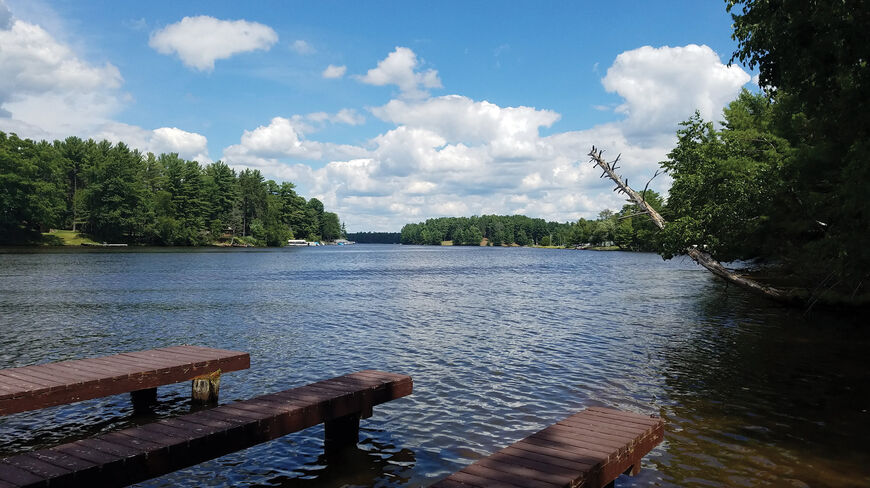
The Northwoods in the Great Lakes region has a way of catching people off guard. It's quieter than you expect, wilder than it looks on a map, and remarkably good for certain kinds of adventure, such as hiking, paddling, and watching the natural world closely.
Grandparent-grandchild programs here are some of the most beloved in the collection, including rafting and raptors in Minnesota, and hiking and canoeing in Michigan and Wisconsin. There are also programs designed for adults who simply want to move through a beautiful landscape with people who know what they're looking at.
The Green Mountains, Vermont
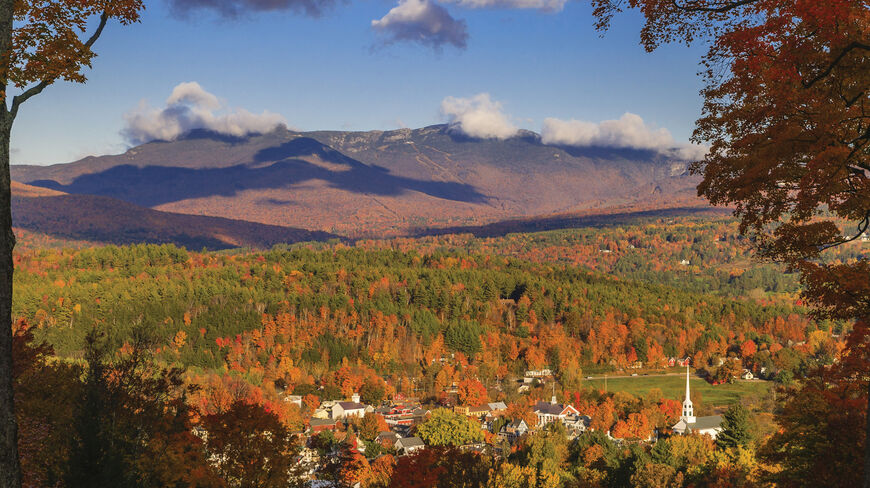
Vermont is one of those states that seems designed to make people slow down. The Green Mountains back that up with real terrain, ridges worth hiking, forests worth walking through and rivers worth following.
Road Scholar programs in this part of New England run from wildlife and hiking to bridge instruction and wellness retreats. The settings tend to be small inns and retreat centers that fit the landscape rather than fight it. If you've been meaning to get to Vermont, a guided program gives you a better reason than most.
Southwest Virginia & the Laurel Highlands
These are the hidden gems, places that don't show up on the usual lists but reward the people who find them. Southwest Virginia has serious hiking, scenery that stops conversations mid-sentence, and a cultural history tied to Appalachian music and craft traditions going back generations.
The Laurel Highlands in western Pennsylvania add watercolor workshops in landscapes that practically paint themselves. Both areas are affordable to reach, easy to fall in love with and represented in this collection by programs that take their settings seriously.
Types of Budget Tours: Expert-Led Adventures for Every Interest
One thing people don't always expect about budget guided tours is the range. These aren't generic, one-size-fits-all programs. Here's a look at what's available in this collection.
Nature & Outdoor Adventures
Hiking, birding, canoeing, and wildlife observation make up a big category, and for good reason. Getting outside with someone who can tell you what you're actually looking at changes the experience completely. Programs in this group range from easy-going walks to more active multi-day outings, and the destinations cover some genuinely spectacular natural terrain across the eastern U.S.
Arts & Culture Programs
Watercolor workshops in the mountains, ceramic hand-building with expert instructors, and studies in literature, film, theater and music populate this category. The arts programs in this collection are built for people who want to make something or understand something more deeply. Since these are active, hands-on experiences, you leave with new skills and a new way of seeing.
Wellness & Retreat Programs
Yoga at a mountain retreat center or a women-only rejuvenation program are excellent options. The wellness programs here are worth a look even if you don't think of yourself as a "wellness person." They tend to be small, intentional and genuinely restful, which is harder to find than it sounds and harder to put a price on.
Grandparent & Family Programs
Ocean science on Chincoteague Bay, animal adventures in the Poconos, and rafting and raptors in the Minnesota Northwoods are key highlights. These intergenerational programs are built for grandparents and grandchildren to learn alongside each other, and they tend to become the trips families talk about for years.
Service Learning Programs
The Navajo Nation Schools volunteering program is unlike anything else in this collection. Participants contribute meaningful work to schools on the Navajo Nation while learning directly from community members about the history, culture and present-day realities of the Nation. This is travel with real purpose.
Why Budget Guided Tours Offer More Value Than DIY Travel
The case for guided travel on a budget isn't complicated, but it's worth spelling out, especially for people who have always assumed going on their own is the more economical option.
You get expertise you can't replicate on your own. Road Scholar instructors are credentialed experts, such as ecologists, historians, artists and naturalists, who bring real knowledge to every program. That's not something a travel app or a podcast can replace.
The price is the price. No hidden fees, no add-ons, and no realizing mid-trip that the thing you most wanted to do costs extra. All-inclusive pricing is, practically speaking, one of the most underrated features of a well-run guided program.
Solo travelers benefit the most. Traveling alone is wonderful, but it can also be expensive and isolating. A small-group program addresses both. You're with people who share your interests, you have built-in companionship and you're not paying a single supplement that quietly doubles your lodging cost.
The logistics are handled. Rental cars, restaurant research, driving directions and parking are all taken care of for you. You just show up ready to learn.
FAQs: About Budget Tours and Budget Travel
What are the best budget travel tips for first-time travelers?
The most useful budget travel tips tend to be the unglamorous ones: Know what's included before you book, think about the total cost of a trip rather than just the headline price, and don't underestimate domestic destinations. For people new to guided travel specifically, all-inclusive programs are worth a serious look because they eliminate most of the financial surprises that derail first-time trips. Road Scholar programs include lodging, most meals, expert instruction and excursions, which makes budgeting genuinely simple from the start.
What are the best budget places to travel in the U.S.?
Some of the best budget places to travel are the ones that don't get as much attention as they deserve. Virginia's Eastern Shore, the Northwoods of Michigan and Wisconsin, the Blue Ridge Mountains in North Carolina, Vermont's Green Mountains and Southwest Virginia all make that list. This is not because they're inexpensive in a diminished sense, but because they offer a tremendous amount for what they cost. Road Scholar programs in these areas are built around learning the places properly, which makes even a familiar region feel completely new.
Are budget guided tours worth it?
They often offer more value than people expect. The key is understanding what you're actually getting: expert instruction, small groups, all-inclusive pricing and logistics that are fully handled. Budget guided tours work especially well for solo travelers, people visiting a destination for the first time, and anyone who wants to go deeper than what a self-planned trip typically allows. Road Scholar programs in this collection start at $899 and include everything you need for a genuinely rich experience.
How can I travel on a budget?
Traveling on a budget is really about making deliberate choices rather than random cuts. Look for programs or trips that bundle costs together so you know what you're spending upfront. Consider traveling in spring or fall when prices are lower and crowds are thinner. Think seriously about domestic destinations, which cut the airfare and logistics costs that can make international travel expensive before you've done anything. And if you're considering Road Scholar, check whether you qualify for need-based financial aid, since more people do than you'd expect.
Can I travel on a budget as a solo traveler?
Solo travel and budget travel can be a tricky combination due to single room supplements, the cost of dining alone, and the general overhead of doing everything for one. Guided programs solve a lot of those problems. Road Scholar doesn't charge single supplements on most programs, which alone can make a real difference in what a trip costs. And beyond the money, traveling on a budget as a solo traveler is more enjoyable when you're with a small group of people who share your interests. It's something solo participants mention constantly when they talk about why they keep coming back.
What's included in a Road Scholar budget tour?
Road Scholar programs in this collection include lodging, most meals, all scheduled excursions and activities, expert instruction and program materials. Participants are generally responsible for getting to the program's starting location and for personal expenses like optional activities or shopping. The all-inclusive structure is intentional; it keeps costs predictable and removes the nickel-and-diming that makes some travel feel more tiring than it should. A complete breakdown of what's included is on each individual program page.