How to Avoid Loneliness and Isolation as a Senior in Retirement
Things to do to help you stay busy, and maybe make some new friends while you’re at it!
So you’re retired … Now what? At Road Scholar, we understand the unique challenges that come with retirement — from an intimidatingly large amount of free time to the sudden decrease of social outlets. It’s easy to feel lonely and isolated in retirement, as though your world has been turned upside down.
The good news is: there are many things to do in retirement to stay busy and make the most of this transformative period. Here are some tips on how to adapt to this new normal — and what to do to in retirement to make these years the best of your life!
12 Ways to Avoid Loneliness in Retirement
Retirement opens up something many people spend years looking forward to: time. The question becomes how you choose to fill it. During this period of life, senior loneliness can become a real issue.
Staying connected doesn’t happen by accident; it comes from trying new things, showing up and saying yes to opportunities that bring people into your life. The ideas below are simple, but they can lead to meaningful routines that help combat senior isolation and help you form new friendships and a renewed sense of purpose.
1. Volunteer
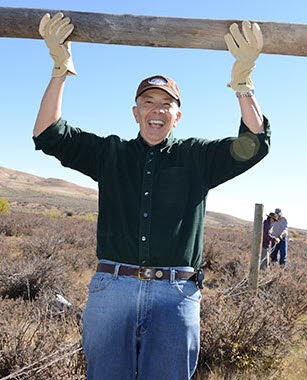
Is there a charitable cause you deeply believe in? Chances are there’s a nonprofit in your area with a mission that can instantly connect you with others. There’s no better thing to do in retirement than volunteering to make a difference with people who are equally as passionate about helping others. Whether you organize a food drive at your local United Way, become a foster grandparent with Senior Corps or build handicap-access ramps with a Men’s Shed, there are plenty of opportunities to volunteer in retirement. Plus, you’re sure to make new friends with similar priorities and values!
2. Enroll in a Class

At Road Scholar, we believe that learning is a lifelong journey. It’s never too late to educate yourself about something new. If you look back fondly on childhood memories of classrooms, papers and professors, why not try going back to school? Taking a class at your local community college will keep your mind occupied and introduce you to new ways of thinking about the world. Plus, the enriching discourse found in classrooms can be a gift for the lonely. Enroll in a class or two that interest you, or – if you’re really bit by the academic bug – consider going back full-time. According to Forbes, many people over age 50 are back on campus seeking their degree, so you’re in good company.
3. Enjoy Virtual Learning

In the Digital Age, it’s no surprise that learning from the comfort of your own home is easier than ever. And as a pioneer of educational adventures for seniors, Road Scholar believes that learning should be accessible to everyone, no matter where they are or how they choose to learn. Join some of our best instructors from around the world for free virtual lectures every week on topics from Winston Churchill to Native American cuisine. Sharpen your mind with our most-loved experts as you enjoy a taste of Road Scholar’s incredible educational adventures.
Looking for more than just a lecture? Take your learning a step further with one of our “Adventures Online” programs that’ll bring you through the world-renowned museums of Paris, to famous opera houses for virtual performances and so much more over one enriching week. Just like a standard program, you’ll be joined by other enthusiastic participants, an expert Group Leader and knowledgeable instructors as you “travel” all over the world to learn about unique cultures and delve into the topics that interest you most.
4. Join a Club
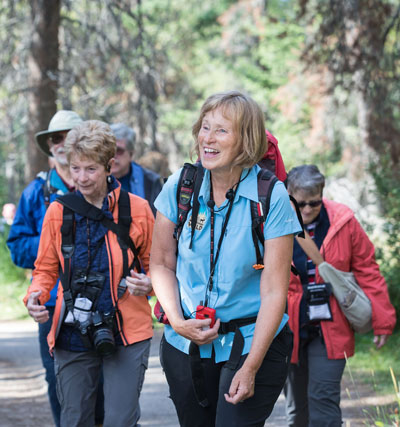
Making new friends in retirement can feel like a challenge, but it is very doable if you’re looking in the right places! The secret is to let your passions lead the way, and the right people will follow. Banish boredom and stay engaged with others by joining a club that suits your interests. From book clubs to hiking groups, getting involved with a club is a great way to stay socially active. Don’t know where to start? Check out the AARP’s website for a list of group meet-ups in your area. Toastmasters and the Red Hat Society are also popular clubs among seniors.
5. Try a New Hobby

Retirement is a chance to reinvent yourself and try new hobbies you might not have considered before. Now that you have more free time, it’s time to listen to that inner voice that says, “What if?” Have you always wanted to sing … outside of the shower? Take a choir class! Want to learn how to snap that perfect shot of your grandkids? Join a photography group. From pottery making to watercolor painting, there are always things to do in retirement – whatever your interests may be.
6. Get Active!
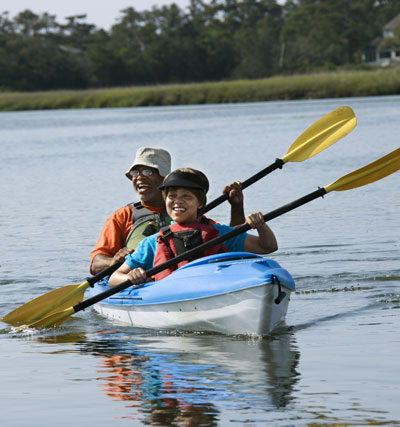
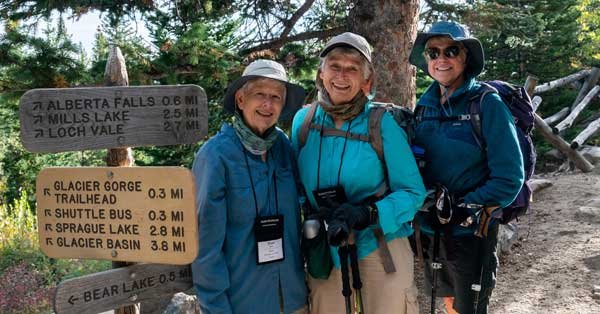
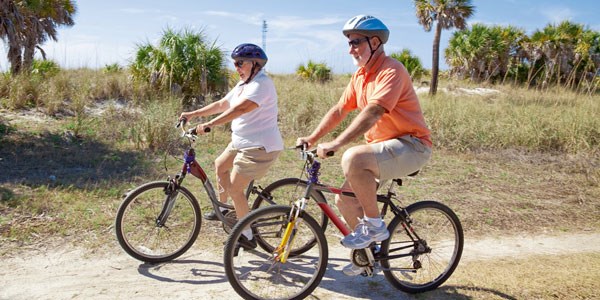
Not only is exercise extremely beneficial to the body, it’s also important for the mind and soul. Studies have shown that an active lifestyle can decrease feelings of loneliness and depression in retired seniors and help to manage stress and anxiety. So, what are you waiting for? Exploring the outdoors is a great way to exercise because you can take part in a wide variety of activities that never get boring. Walking or hiking, kayaking, biking, birding — whatever your heart desires! As an added bonus, you’ll get some fresh air and meet fellow outdoor enthusiasts who will encourage you to stay active.
If an outdoor adventure isn’t an option for you, you can still get active indoors! There are lots of simple exercises for seniors that you can add to your daily routine to keep your blood flowing.
“Thank you for allowing me the chance to socialize with others my age, get healthy exercise and have my mind stimulated with fascinating information. I was so eager to get up and get going each day!”
— Pamela, Road Scholar Class of 2019, from Redlands, Calif. —
7. Become a Mentor

Becoming a mentor in retirement can have a powerful effect on both you and the young person you’re matched with. What better way to share the many life lessons, experiences and knowledge you’ve accumulated over the years? Many mentors report that taking a student under their wing during retirement has done wonders to improve their self-esteem, increase productivity and even help them learn something new about themselves! Feelings of loneliness and boredom diminish when you have a strong sense of purpose – and guiding a young person as they apply for schools or enter the workforce is an admirable one.
8. Find a Part-Time Job

Just because you’ve retired from your previous career, doesn’t mean you can never work again! If you find yourself feeling isolated in retirement and missing the social interaction and little challenges that come with going into the office every day, you might want to consider looking for a part-time job in retirement. For many people, retiring is an opportunity to begin a new career, one that may be more personally fulfilling than the last. Flexible jobs, like freelance or consulting work, or ones that are seasonal, such as substitute teaching or tax preparation, will allow you to create your own schedule and find a balance between work and play.
“What I value most is my newfound ability to trust myself to do things alone, try out what I do not know and bring this sense of self-confidence to my work with others. Thank you so much for making this possible.”
— Judith, Road Scholar Class of 2019, from Lafayette, Ind. —
9. Join a Lifelong Learning Institute (Or Start One!)
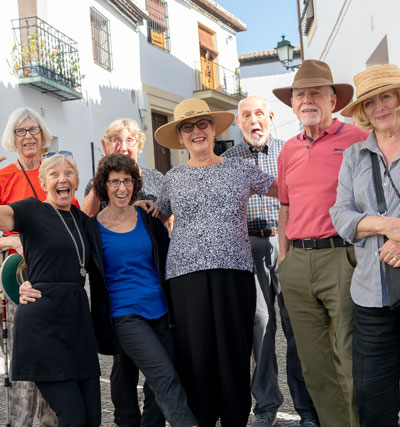
Lifelong Learning Institutes offer non-credit, college-level educational experiences, at a fraction of the cost. Classes are taught by members, mostly active and retired educators, with guest lectures from outside experts. At Road Scholar, we’ve built the largest network of LLIs across the U.S. Our goal is to help retired seniors fulfill their love of learning close to home, when they’re not traveling with us. Still wondering what to do in retirement? By joining an LLI, you’ll meet new people who also love learning, gain access to a wide range of enriching classes and benefit from taking part in lively educational discourse. Find an LLI near you or learn how you can start your own with our comprehensive guide.
10. Connect With Your Grandkids

One of the greatest joys of retirement is the ability to spend more time with family. If you have grandkids, take your newfound flexibility as an opportunity to bond with them and make lasting memories you’re sure to cherish in the years to come. Get to know your grandkids better by exploring a new city together, learning about science or searching for animals in a national park. If you step outside your comfort zone and try something new together, you may be amazed at how much you have in common!
11. Join Your Local Senior Center
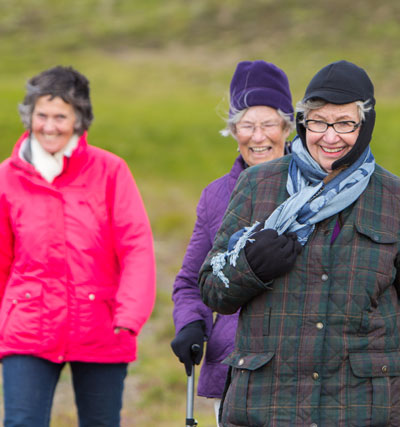
There are nearly 10,000 senior centers scattered throughout the U.S. Together, they serve more than 1 million people every day. These organizations offer older adults in retirement the resources and social activities needed to stay healthy and independent. In addition to providing transportation services, employment assistance and volunteer opportunities, senior centers also organize fun group events like bridge nights, crafts programs and group nature walks. Joining your local senior center is a great way combat loneliness in retirement and meet people in your neighborhood, especially if you’re a single or widowed female – approximately 70% of attendees are women. Find the center that’s closest to you.
12. Explore the World
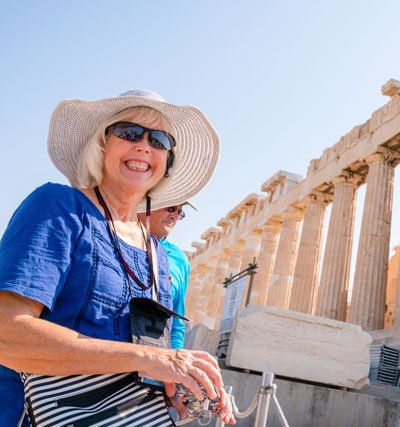
The world is a fascinating place just waiting to be explored. Do you love to travel while learning about the history and culture of the places you visit? Educational group travel is a great way to spread your wings and make the most of your retirement years. At Road Scholar, we help you step outside of your comfort zone with thousands of learning adventures to captivating locations around the world. Many of our participants say that group travel with Road Scholar has impacted them greatly – they are less lonely, isolated and never bored! In turn, Road Scholars leave a lasting impact on the communities they visit. Check out our Senior Travel Tips for more information on how to begin your journey with us, or start your search right here.
Most Popular Travel Destinations
See All
Why Loneliness in Retirement Happens
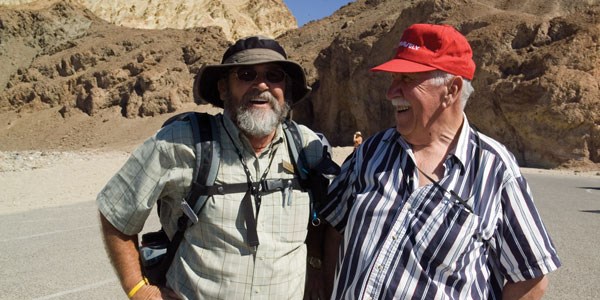
Social isolation in older people tends to sneak up quietly. The structure that once shaped your days, work, colleagues and daily routines suddenly disappears. Without the built-in rhythm of interaction, it’s easy for days to feel a bit more isolated, especially if friends have moved away or family lives at a distance.
There’s also a shift in identity. After years of being defined by a career or role, retirement can leave a gap that isn’t immediately filled. Even positive changes, like more free time, can feel disorienting at first.
Life transitions add another layer. Health changes, the loss of a partner, or simply adjusting to a slow pace can make it harder to stay socially engaged, leading to elderly loneliness. None of this happens overnight, but over time, small moments of disconnection can add up.
The good news is that the connection can be rebuilt just as gradually, often starting with one small step!

Why Social Connection Matters for Older Adults
Connection isn’t just about having something to do; it’s about feeling part of something. Conversations, shared experiences and even casual interactions all contribute to a sense of belonging that’s deeply tied to well-being.
For older adults who may be experiencing senior loneliness, it’s important to know that studies find that staying socially engaged has been linked to better mental clarity, improved mood and even physical health. It keeps the mind active, encourages movement and adds a sense of structure to everyday life.
But beyond the research, it’s the human side that matters most. Sharing a meal, learning something new with others or simply exchanging stories can bring a kind of energy that’s hard to replicate alone.

Signs of Senior Isolation to Watch For
Elderly loneliness doesn’t always look obvious. It often shows up in small, gradual ways that are easy to overlook at first.
You might notice a shrinking social circle, fewer phone calls or less interest in activities that once felt enjoyable. Days can start to blend, with less motivation to get out or engage with others.
There can also be subtle emotional shifts. Feelings of restlessness, low energy, or a sense of disconnection from the world around you can all be signs that something is missing.
Recognizing these signs early matters. They’re not permanent, they’re signals that it might be time to try something different, to reach out, explore and reconnect in new ways.
How Road Scholar Helps Seniors Stay Connected
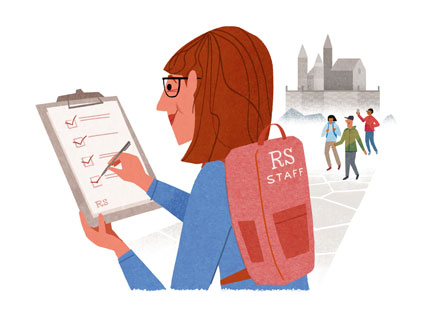
Travel has always been a way of bringing people together, especially when it’s rooted in shared curiosity. At Road Scholar, our experiential learning programs are designed with that in mind, creating spaces where connection happens naturally.
You’re not just visiting a place, you’re learning alongside others who are just as interested and engaged. Whether it’s a discussion after a lecture, a shared meal or a walk through a historic site, conversations tend to flow easily when everyone is there for the same reason.
There’s also a built-in rhythm to each program. Days are structured with thoughtfully constructed itineraries that provide direction, but are relaxed enough to allow for genuine interaction.
And then there’s the setting. Exploring new places, whether it’s a coastal town, national park or a cultural capital, adds a sense of discovery that brings people closer together.
Featured Blog
The Power of Community: Increasing Connection Among Older Adults
We’re social creatures by nature, and being connected to others is important to our well-being at any age. But as we get older, our interpersonal networks may shrink.
Fortunately, as awareness of the problem has increased, so have solutions for staying engaged as we grow older.