How Therapeutic Travel Supports Brain Health in Later Life

- Therapeutic travel supports brain health by offering novelty, sensory variety and gentle challenges that keep the mind active.
- Nature, movement, stress reduction and social connections all contribute to the mental health benefits of traveling.
- Social connection on the road helps to reduce isolation while boosting mood and supporting emotional resilience.
- Older adults can enhance well-being by choosing destinations, activities and travel styles that match their interests, energy levels and comfort.

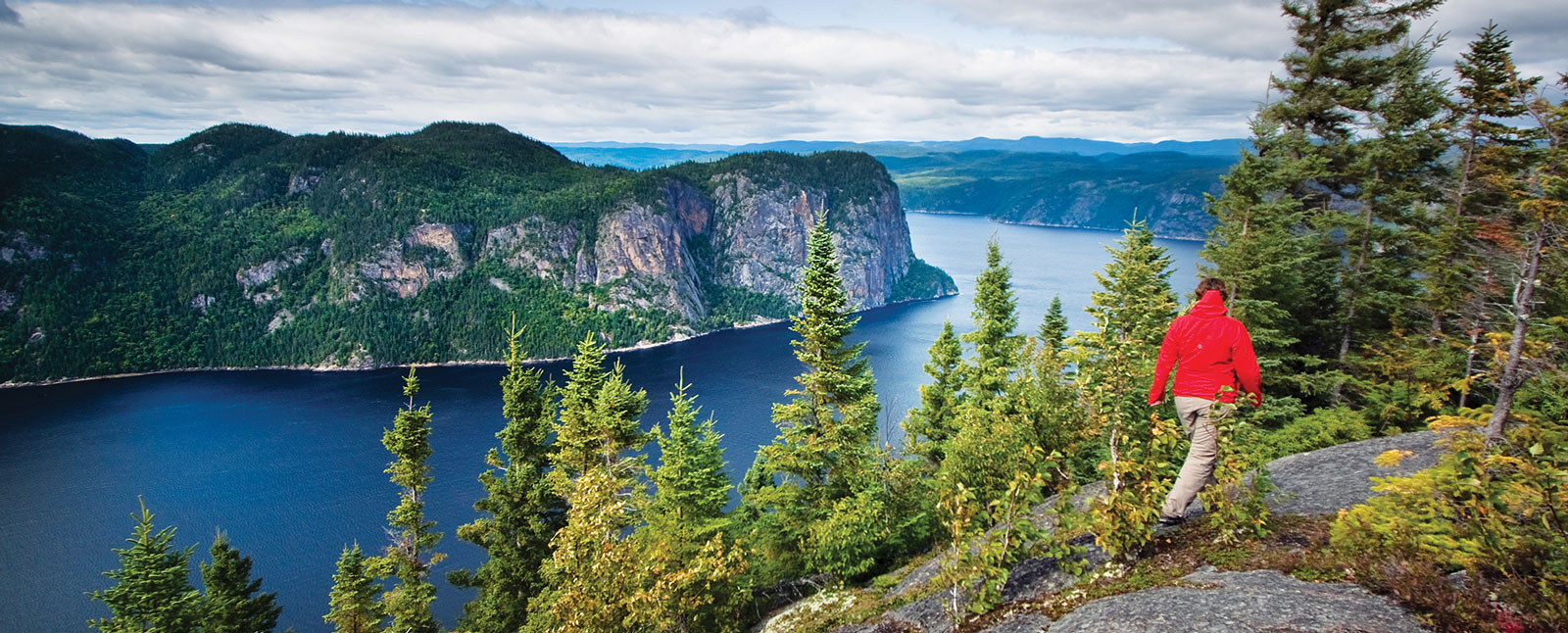
Travel offers valuable mental health benefits by stimulating the brain in ways that daily routines cannot. While traditional therapeutic therapies like art and music have shown promising results for supporting brain health, new studies are emerging that highlight the mental health benefits of traveling and how travel affords your brain a form of stimulation it doesn’t get at home. New places, different cultures and unfamiliar environments encourage your mind to stay curious, flexible and alert. Whether exploring a quiet nature retreat or navigating the maze of a bustling city, using travel as therapy can help lower stress, improve your mood and even support cognitive health. In this blog, we explore the connection between travel and mental health, and the benefits of travel that go far beyond a simple getaway.
Understanding How Travel Stimulates the Aging Brain
So, why is traveling good for your mental health? Recent research published in Tourism Management looked at tourism as a dementia treatment, discussing the link between traveling and reducing cognitive deficits of dementia, like memory loss, aphasia and the inability to engage in complex behavior, while another study found that those who traveled had a lower risk of cognitive impairment.
There are several psychological benefits of travel and wellness tourism. Some of the ways travel stimulates the aging brain include:
- Waking up neural pathways: Seeing new places, hearing unfamiliar languages and navigating different routines provide fresh input to the brain, which helps support new neural connections that enhance memory and problem-solving.
- Building spatial awareness: When traveling, figuring out directions in a new environment activates regions of the brain tied to spatial memory and orientation.
- Strengthening communication: In new environments brought on by travel, talking with new people, asking questions and even learning local phrases helps build cognitive resilience as we age.
- Engaging the brain: From new sounds to vibrant colors and unique flavors, traveling activates multiple senses at once to keep attention and processing skills active.
Why Travel Serves as a Powerful Form of Therapy
Travel can feel therapeutic for more reasons than one, as it removes you from your usual patterns and gives your mind room to reset. For many, the monotony of our daily routines can be mentally draining. Stepping into new environments interrupts those patterns to help you see things with a fresh perspective.
“Travel as therapy” can be a powerful way to reduce stress by providing distance from work, responsibilities and familiar stressors. This break offers your nervous system a chance to unwind and creates much-needed mental space for relaxation and rejuvenation. Plus, traveling is an excellent way to practice mindfulness, whether watching a sunset, savoring a new dish or wandering a lively local market.
The Psychological Benefits of Learning While Exploring
Learning as you explore gives your mind a mix of challenge and curiosity that’s hard to recreate at home. The connection between mental health and travel creates a psychological boost on several levels, allowing you to build confidence as you learn something new on the road, such as a bit of local history or how to navigate a new transit system.
Whether embarking on easy-going adventures or more challenging outdoor excursions, picking up new information on your adventure activates memory and reasoning. Even small things, like learning a regional custom or trying a new skill learned at a workshop, help keep your cognitive processes engaged. Exploring a new place naturally fuels curiosity, sparking questions. This curiosity, in turn, adds excitement and creates a positive feedback loop that supports mental well-being.
At Road Scholar, you can browse our educational senior tours collection to find experiential learning programs that allow you to uncover new information when exploring a different region of the world.
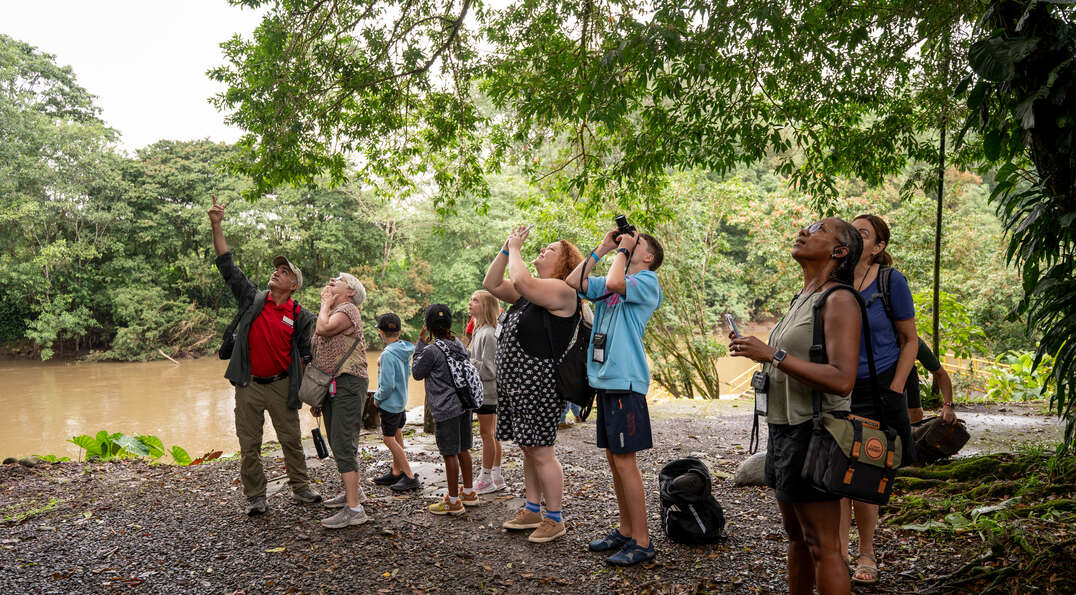
Participants on the Costa Rica program.
Social connection is one of the strongest contributors to mental well-being, and travel creates natural opportunities for it. Meeting new people, whether your guide, another traveler or a local, helps you feel part of something bigger. Even brief conversations can add a sense of belonging.
Another one of the mental health benefits of traveling is sharing memories with others, such as laughing with someone on a tour or sharing a meal. Discovering a new place with others creates positive emotions that can ease stress and lift your spirits. Taking a break from your usual environment also makes it easier to strike up conversations with strangers, as you’re more likely to ask questions, exchange stories and engage without the social pressure you might feel at home.
One of the top travel tips for older adults is to put yourself out there and connect with others by learning about their background or daily life in order to view the world through a broader lens. That kind of perspective-taking can improve emotional balance and reduce anxiety. The social side of travel as therapy adds warmth and connection, which play a big part in overall mental health.
Practical Ways Older Adults Can Choose Adventures That Support Well-Being
Adventures like retreats and health and wellness tours can be a great way for older adults to take control of their well-being. Seniors can shape their travel plans in a way that feels comfortable and supportive. Some ways to choose adventures that support well-being include:
- Picking destinations that match your energy level to keep the experience enjoyable rather than tiring.
- Choosing trips with built-in downtime that balance adventure with relaxation to replenish your energy.
- Leaning into interests you already enjoy, such as history tours, birdwatching, cooking classes or photography, to make the experience more meaningful while offering the opportunity to learn something new.

Begin Your Journey of Discovery with Road Scholar
The rules for traveling in retirement require embracing new experiences and lifelong learning, both of which contribute to your overall health and well-being. There are many mental health benefits of traveling, from improving memory to fostering social connections and enhancing mood. Road Scholar offers a range of senior-friendly outdoor adventures, city tours, history excursions and more, so you can find a program that matches your interests and allows you to support your brain health. Browse our collection today.