What to Bring: Road Scholar’s Packing List for Europe

-
Pack light with versatile layers that work across multiple settings and weather conditions
-
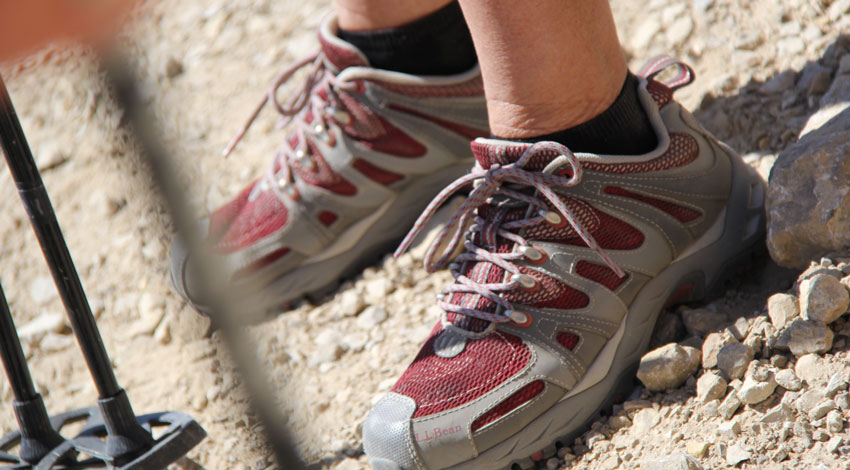
Comfortable walking shoes are essential — you'll average 10,000+ steps daily on most European adventures
-
Power adapters, secure bags for valuables and packing cubes streamline your travel experience
-
Seasonal considerations matter, so what you pack for Europe in summer differs significantly from winter needs.
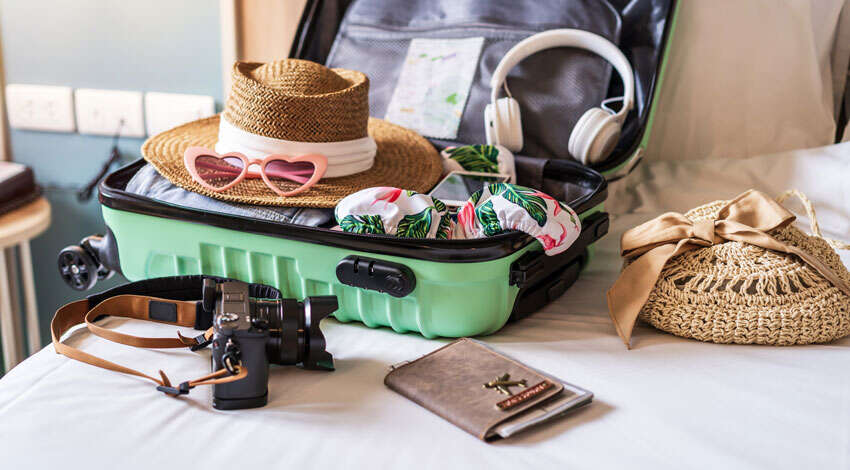
A learning adventure in Europe could mean many things. Maybe your journey will take you to Spain to explore exciting cities like Barcelona and Madrid. Or perhaps you’ll head for Greece, a land full of myths, history and magnificent natural landscapes. You might even experience several countries on a riverboat or ocean voyage, like on an adventure sailing around the Baltic Sea.
Your setting and experiences might vary, but there are some things that remain the same no matter where you’re headed in Europe. Whether exploring Europe tours for the first time or you're a seasoned traveler, having the right European packing list makes all the difference. Here are some of our Europe travel essentials to make your learning adventure as easy and enjoyable as possible.
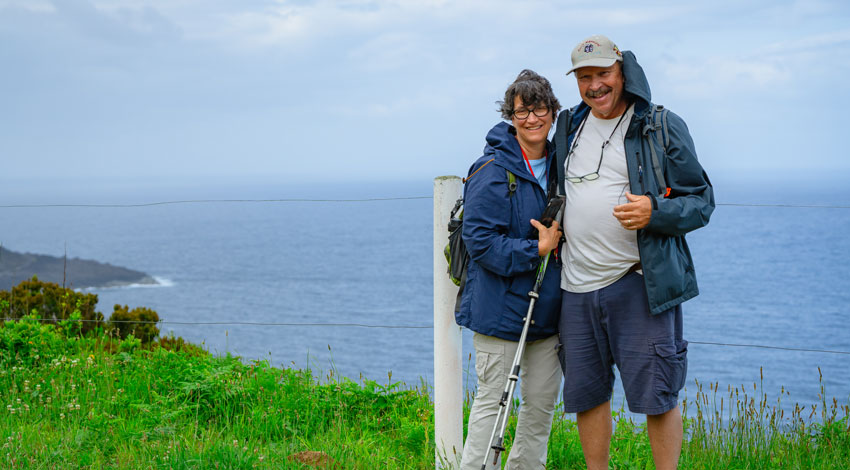
Participants have on windbreakers for a hike in Portugal
What to Pack for Europe by Season
Your packing list for Europe should adapt to when you're traveling. Here's what to prioritize each season:
Spring & Fall (March-May, September-November)
These shoulder seasons offer ideal conditions for walking and hiking throughout Europe, but weather can be unpredictable. Pack versatile layers, including:
- Lightweight waterproof jacket with hood
- Medium-weight fleece or sweater
- Long pants and convertible pants that zip into shorts
- Closed-toe walking shoes with good traction
- Light scarf for warmth and wind protection
Temperatures range from 50-70°F, with occasional rain. Layering lets you adjust throughout the day as you move between outdoor explorations and indoor museums or presentations.
Summer (June-August)
Peak season brings warm temperatures and long daylight hours — perfect for places for a week in Europe or extended adventures. Focus on:
- Breathable, moisture-wicking fabrics in light colors
- Wide-brimmed hat and quality sunglasses
- SPF 30+ sunscreen and lip balm
- Light cardigan or long-sleeve shirt for air-conditioned spaces
- Comfortable sandals with arch support for evening strolls
Many European cities experience heat waves, with temperatures exceeding 85°F. Churches and museums often require covered shoulders, so pack at least one lightweight long-sleeve option.
Winter (December-February)
Cold-weather European adventures require more strategic packing:
- Insulated, wind-resistant coat
- Thermal base layers (top and bottom)
- Warm hat, gloves and scarf
- Waterproof boots with good tread
- Wool or synthetic socks (avoid cotton)
Winter also means fewer daylight hours, so pack a small flashlight or headlamp for early morning or evening excursions. European river cruises during winter holiday months offer festive experiences, but bring warm layers for time on deck.
What Not to Pack for Europe
When creating your European travel packing list, knowing what to leave behind is just as important as what to bring:
-
Too many shoes: Limit yourself to two, maximum three pairs: walking shoes, dressier casual shoes, and perhaps sandals or waterproof boots, depending on the season. Each extra pair adds significant weight and takes valuable luggage space.
-
Full-size toiletries: Hotels provide basics, and most European cities have pharmacies where you can purchase anything you forgot. Bring travel-size essentials only, or plan to buy items like shampoo locally.
-
Expensive jewelry: Leave valuable or irreplaceable items at home. The stress of keeping track of them isn't worth it, and you'll feel more relaxed knowing they're secure.
-
Your entire wardrobe: You don't need a different outfit for every day. Plan to wear items multiple times and do laundry if needed. Most Road Scholar accommodations offer laundry services or facilities.
-
Heavy books: If you want reading material, use an e-reader or download books to your phone or tablet. Guidebooks are similarly bulky — most information is available digitally.
-
Hair dryers and styling tools (usually): Most European hotels provide hair dryers. If you must bring styling tools, verify they're dual-voltage (110-240V) before packing.
Final European Travel Packing List Tips
Creating your Europe packing list doesn't have to be stressful. Review your program information for recommendations and check the weather two weeks before departure to adjust your checklist. Remember, great shopping exists if you forget anything, making it an opportunity to engage with local culture. Most importantly, focus on the experiences, people and places rather than perfect outfits.
In addition to these must-haves for a European trip, it's also a good idea to check and make sure you have all your required documentation. You will receive information about these requirements and specific packing suggestions with your program information, but you can also learn more on the program page under "Travel Information" and by consulting with your doctor.
Ready to put your Europe travel checklist packing to use? Check out our learning adventures across Europe on our website.