Northern Lights Travel Tips and Packing Essentials Guide

- It’s best to view the Northern Lights between September and March, particularly from 10 p.m. to 2 a.m., when the aurora is more active.
- For optimum viewing, it’s best to catch the Northern Lights in a clear dark sky far from city lights, as clouds, bright lights and pollution can block the aurora.
- Essential gear for your Northern Lights travel should include layered clothing (a warm base and insulated outer layers), cold-weather footwear and hand warmers to keep comfortable during outdoor viewing periods. A sturdy tripod on a windy Arctic night is also recommended for photography.
- Always let someone know of your plans, remain aware of your surroundings and use well-marked paths to ensure your safety in the Arctic.
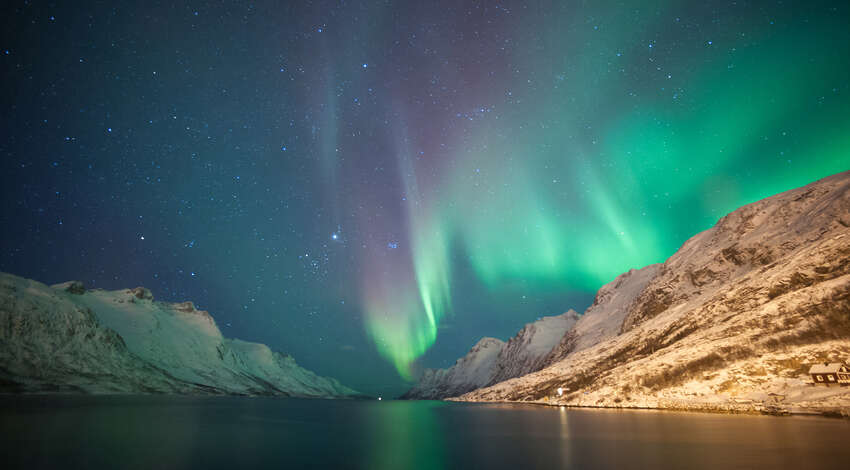
Top Tips for Seeing Northern Lights
If you’re planning a Northern Lights trip, it helps to know what you’re looking for and what makes a good night to see them. The Aurora Borealis appears when energy from the sun hits Earth’s atmosphere, creating those moving streaks of green, purple and pink that ripple across the sky.
Timing is everything. While you can see the lights year-round, be sure to plan your trip between September and March. Your best bet is to be outside from 10 p.m. to 2 a.m. That’s when the aurora usually puts on its best show across the Arctic sky.
Clear, dark skies provide the best conditions for viewing Northern Lights. Light pollution from nearby cities blocks even the brightest of displays, so you'll need to leave urban areas to get the best views. Cloud cover is your main obstacle. Even active auroras can't be visible through clouds.
Essential Northern Lights Packing List
Your Northern Lights packing list needs to reflect the reality of the experience. You’ll be outside, in the cold, and sometimes for longer than you expect. If you’re uncomfortably cold, the magic of the light show can lose its glow pretty quickly.
Layering makes a big difference. A few thinner layers hold heat better than one bulky jacket, allowing you to adjust easily when you duck inside to warm up between viewings.
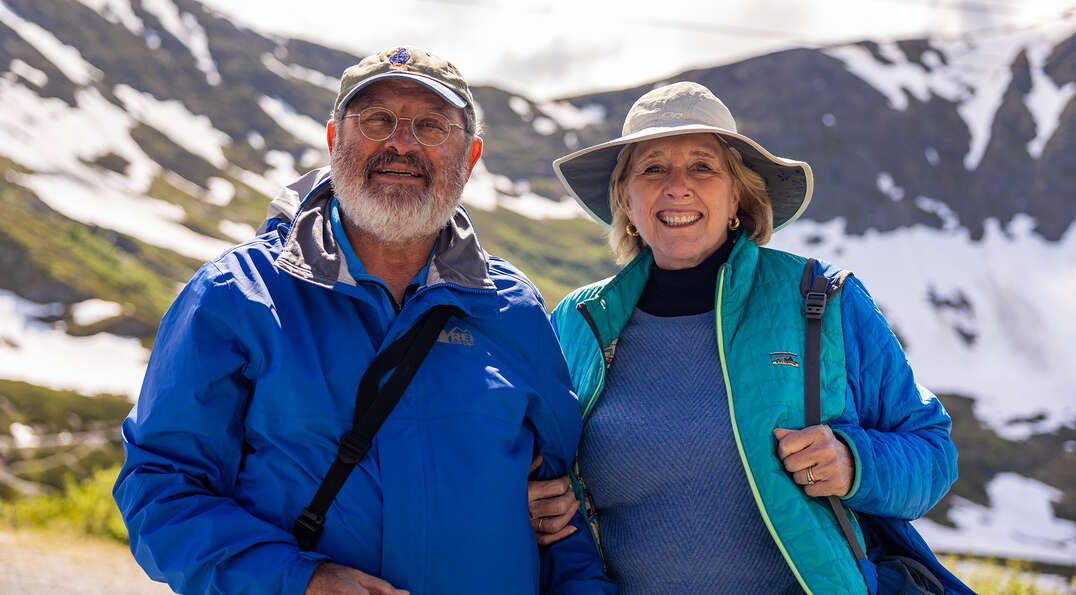
Warm Clothing and Layering
Start with a solid base layer. This is what sits against your skin, so it should be a fabric that pulls moisture away and keeps you dry. Merino wool or a good synthetic thermal works best and stays comfortable even after extended periods outside.
Next comes insulation. Fleece or wool is your best friend here. A thick fleece jacket or warm sweater helps retain body heat, so it’s important not to skimp on this key layer. When you’re standing still in sub-zero temperatures, every extra bit of warmth matters.
Finish with a dependable outer layer that shields against wind, snow, and moisture. A high-quality winter parka is well worth the investment for staying comfortable and warm during your Northern Lights travel experience. Opting for a longer length and a hood with fur or synthetic trim can make a huge difference when facing icy winds.
Footwear and Accessories
Your feet need special attention, so insulated, waterproof boots rated for at least -20°F should be an essential item on your Northern Lights packing list. Regular winter boots won't cut it when you're standing in snow for extended periods. Make sure they're roomy enough to accommodate thick socks without cutting off circulation.
And don’t overlook the type of sock. Pack a few pairs of thick merino wool ones. They keep your feet warm even if they get a little damp and can remain odor-free even after a couple of long days in the cold.
Hand and toe warmers might seem like an afterthought packing item, but they can make a huge difference in colder temperatures. Slip them into your gloves or boots, and you’ll get hours of steady warmth. It’s smart to pack plenty, as they can often be pricey or hard to find once you arrive.
Photography Gear Essentials
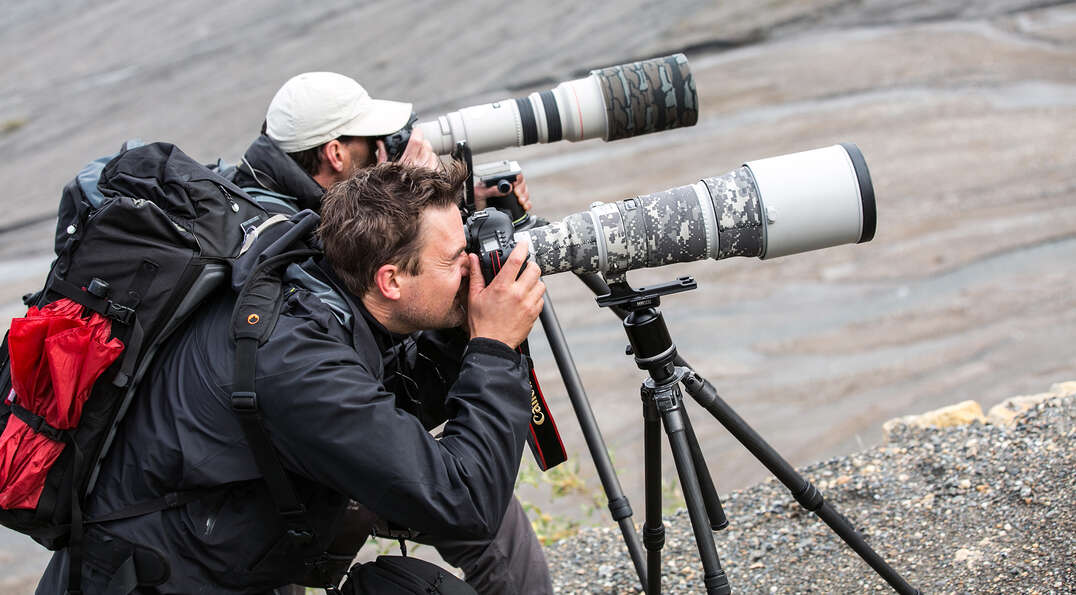
If you’re hoping to photograph the Northern Lights, a smartphone usually isn’t enough, even though some newer phones can do better in low-light situations. A DSLR or mirrorless camera provides the control you need for long exposures, which are key to capturing the aurora. Most shots use slow shutter speeds, sometimes stretching from a few seconds up to 20 or more, so even small movements can blur the image.
That’s where a tripod really comes in handy. It doesn’t have to be anything fancy, but it does need to be sturdy and easy to handle with gloves on. It’s also worth practicing with it at home so you’re not fumbling around in the cold when the lights finally appear.
Other Practical Gear
Round out your Northern Lights packing with these often-overlooked items. A thermos for hot drinks makes those long viewing sessions much more pleasant. Lip balm and moisturizer combat the dry air that comes with extreme cold. Sunglasses and sunscreen might seem odd for nighttime viewing, but you'll need them during the day in snow-covered landscapes where sunlight reflects intensely.
Power banks keep your devices charged, though remember they'll drain faster in cold weather too. Keep them insulated when not in use.
Safety Tips for Northern Lights Travel
Safety considerations and tips for seeing Northern Lights extend beyond staying warm. If you're venturing out on your own, always tell someone your plans and expected return time. Weather can change rapidly in Arctic regions, and what starts as a clear evening can become a whiteout.
Stay aware of your surroundings, especially near water or cliffs. In the dark, it's easy to misjudge distances and terrain. If you're not familiar with the area, stick to marked paths or join a guided group.
Take the Next Step Toward Your Northern Lights Adventure
Ready to witness one of nature's most breathtaking spectacles? Road Scholar offers educational adventures designed specifically for experiencing the Aurora Borealis in some of the world's most stunning locations.
Our Norway tours take you to destinations above the Arctic Circle where the Northern Lights dance regularly throughout winter. You might explore Iceland tours that combine aurora viewing with geothermal wonders and dramatic landscapes. For the more adventurous, our Arctic and Antarctica tours offer once-in-a-lifetime experiences in Earth's most remote regions.
We also feature Greenland tours and Canada tours where Indigenous Peoples cultures share their aurora legends and traditions. And you don't have to travel overseas since our Alaska national park tours bring you to pristine wilderness areas with excellent Northern Lights viewing and comfortable accommodations.
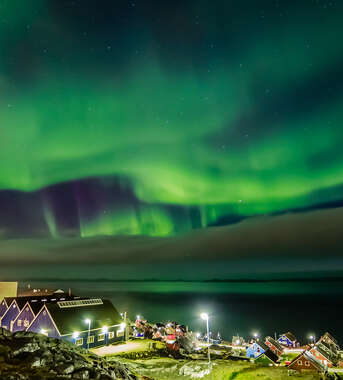
The Northern Lights in Nuuk, Greenland.
So what sets Road Scholar apart? We take care of the logistics so you can actually enjoy the experience. Our programs are led by local experts who make the science behind the aurora easy to understand, paired with comfortable places to stay and itineraries designed for winter travel. Everything is paced thoughtfully to give you the best chance of seeing the lights without pushing you too hard in the cold.
The Aurora Borealis has captivated people from far and wide for thousands of years. Now, it’s perhaps your turn to experience the awe of standing under that glowing sky and seeing it for yourself.