
Nature Makes the World Beautiful — People Make It Interesting

- Road Scholar educational travel fosters authentic, respectful engagement with Indigenous Peoples and their rich cultural traditions in destinations spanning six continents.
- From the Navajo Nation to Mongolia, participants witness firsthand how Indigenous communities are adapting and preserving their heritage amid the pressures of the modern world.
- Cultural immersion is not just a highlight — it’s woven into virtually every Road Scholar learning adventure, enriching participants while meaningfully supporting the communities they visit.
Celebrating Indigenous Cultures
“When in Rome, do as the Romans do.”
That well-known saying is attributed to St. Ambrose in a 4th-century letter to St. Augustine, citing the difference in customs between Milan and Rome. It’s generally taken today as encouragement for travelers to respect, understand and engage with the cultures they’re experiencing.
Unfortunately, throughout history, respect for local cultures has often been in short supply. In fact, mistreatment of Indigenous Peoples has left scars the world over that are slow to heal.
One of the most important objectives of Road Scholar educational travel programs is to engage authentically and with respectful curiosity when we interact with local cultures. Listening and learning with open hearts and minds is a good prescription for better understanding and appreciation for our shared humanity. We strive, too, to support Indigenous families, institutions and businesses, often by integrating them into our educational experiences.
Here are seven places around the world where our programs bring us together with Indigenous Peoples in impactful ways.
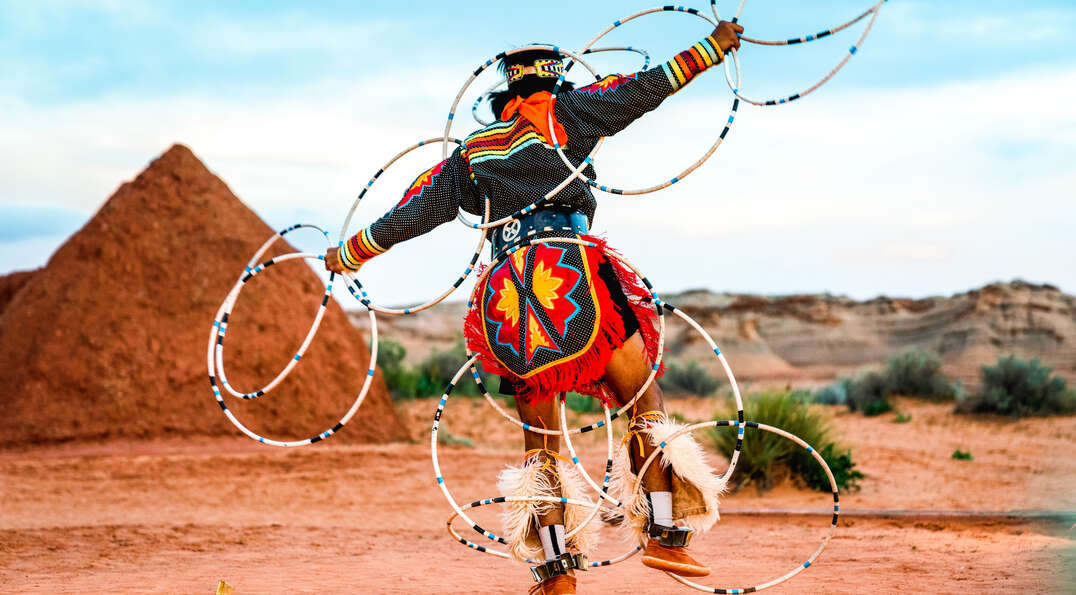
Navajo hoop dance.
Cambodia & Vietnam
The spectacular temples of Angkor Wat are just one highlight of Road Scholar participants’ learning experiences on The People of the Mekong: Vietnam, Cambodia and Angkor Wat. They also have the opportunity to immerse themselves in local cultures and traditions by exploring Vietnam’s Museum of Ethnology, attending a mua roi nuoc (water puppet theatre) performance depicting rural life and venturing to villages and floating markets on the Mekong.
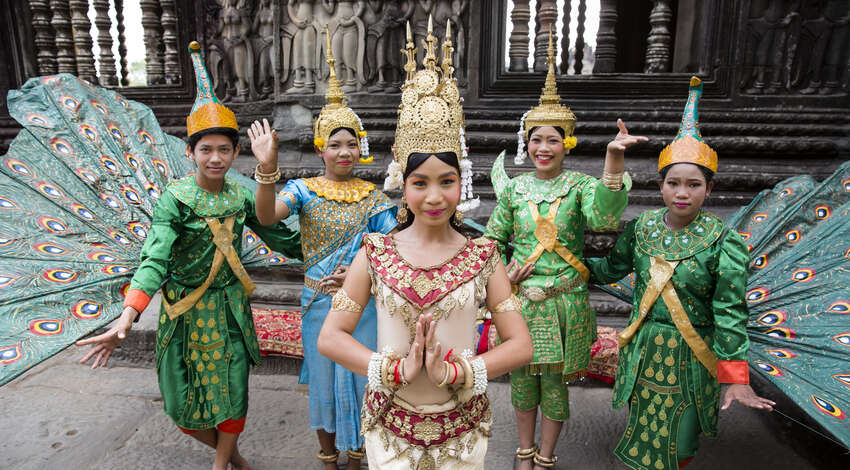
In Cambodia, they learn about production methods and weaving techniques at a traditional silk farm, observe local artisans and attend a performance of Apsara Dance, tracing its roots to the ancient Khmer empire.
Arizona
On Volunteering: Navajo Nation Schools, Road Scholars devote their days helping in the nation’s Tuba City School District. In the evenings, they hear from local experts on various aspects of Navajo culture, arts, crafts and history. They also learn about the social issues Navajo people confront in an area where many families continue to burn wood for warmth, haul water and use generators for electricity. One volunteer said of the process: “We learned a lot by being there. We know how to show our respect and understanding for their lives and culture and how to honor it.”
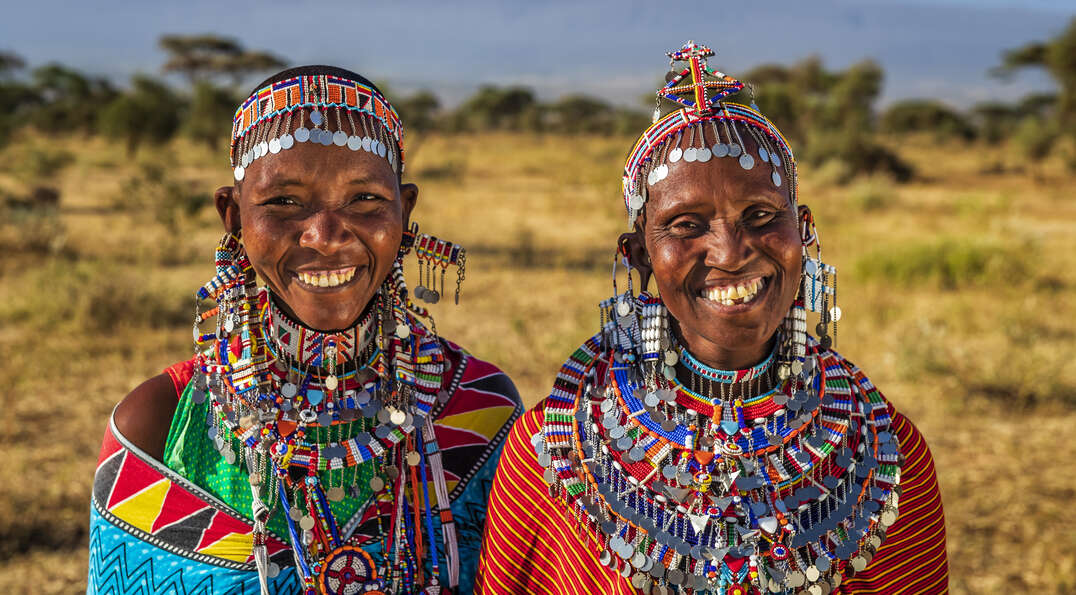
Samburu tribe in Kenya wearing traditional colorful beaded necklaces and headbands.
Hawaii
Few people who appreciate Hawaiian culture know how close we came to losing it. The ravages of leprosy and other diseases decimated the Kingdom of Hawai’i’s population in the 19th century, after which a governmental overthrow and decades of suppression forced traditional practices, the Hawaiian language and even the hula underground. Nearly forgotten, those cultural hallmarks were reclaimed during the 1970s during what is known as the Hawaiian Renaissance. Today, Road Scholars on the program Best of Hawaii: Oahu, Big Island & Maui learn about Hawai’i’s traditions and its sometimes-painful history from the Ladies Auxiliary of the Royal Order of Kamehameha I, an organization dedicated to promoting understanding of Hawaiian culture and uplifting their community. The ladies use honorariums from their Road Scholar presentations to fund scholarships for Indigenous youth.
Kenya
On Kenya in Depth: How Wildlife, People & Landscapes Intersect, Road Scholars delve into life in local communities as they meet members of the semi-nomadic Maasai and Samburu peoples. The tribes’ traditional ways of life, heavily reliant on herding livestock, have come under threat recently with persistent droughts and loss of land. Road Scholars learn about those challenges, and how the tribes’ habits, languages and customs are adapting to the modern world.
Ecuador
On A Taste of Ecuador: A Journey Through Nature, Culture & Tradition, Road Scholars learn about efforts to preserve the artistic traditions and techniques of the Quito School, a blend of Indigenous and European influences dating back to the colonial era. They are guests in a home in Otavalo where they help in the preparation of a traditional meal and learn about medicinal herbs. They study regional weaving methods, embark on field trips to cacao and coffee farms and are introduced to Chagra, Ecuador’s cowboy culture.
Canada
On Coastal British Columbia: Indigenous Culture & Majestic Wildlife, Road Scholars learn about traditional lifeways and land stewardship in the coastal shishálh Nation. At Alert Bay, they take expert-led field trips to cultural and sacred sites of the Kwakwaka’wakw people, examine repatriated objects and learn about suppressed ceremonial practices.
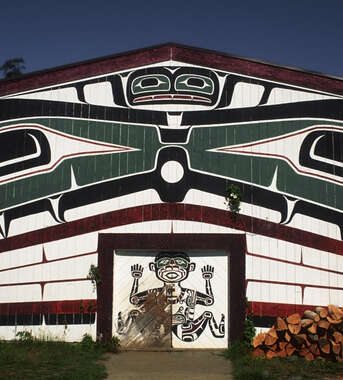
Native Kwakwaka'wakw Community Center in Alert Bay, Canada.
Mongolia
At one time, 90 percent of native Mongolians were nomadic herders, while today, over half of them live in the capital city of Ulaanbaatar, and many aspects of traditional culture are under strain. On Mongolia: The Land of Genghis Khan, Road Scholars set up and stay in nomadic gers (or yurts), observe how mares are milked and learn how Mongolian dairy products are produced. They witness traditional calligraphy, study horse culture, talk with camel breeders and master archers and listen to performances of the unique Mongolian art of throat singing (Khoomei).
If you’re looking to increase your own awareness of the incredible cultural diversity on our planet, a great resource is UNESCO’s Intangible Cultural Heritage list. It identifies more than 800 distinctive practices in societies around the world — Mongolian calligraphy and Khoomei singing are two examples — and further identifies those that are in urgent need of safeguarding. You can also read a blog about some of our favorite items on the list.
And — you can join us for a Road Scholar program! Everywhere we travel, we strive to go a little deeper, to truly understand the people and places, customs and traditions around us. (And yes, we go to Rome!)
John Watters is an aficionado of the eclectic — quirks of history, unusual places and
whimsical pursuits. When he’s not crafting more mainstream pieces for Road Scholar, he sometimes reports on things off the beaten path — or just offbeat. His professional
expertise is derived from a long career as an advertising writer and creative director, while his personal expertise with vacuum cleaners and lint rollers is derived from a long association with Bernese Mountain Dogs.