
The Living Canvas of Chicago: Artist & Instructor Brian Murray Brings Perspective to Chicago’s Street Art

- Street art has a history that goes back to ancient times. Artists like Road Scholar instructor Brian Murray are still studying and developing this genre today.
- Brian takes participants on Road Scholar programs in Chicago into the streets where murals and other forms of street art lie and explores the rich history behind this art with them.
- Through discussion and walking lectures, Brian hopes to share the intersections of history, local culture and expression that street art connects.
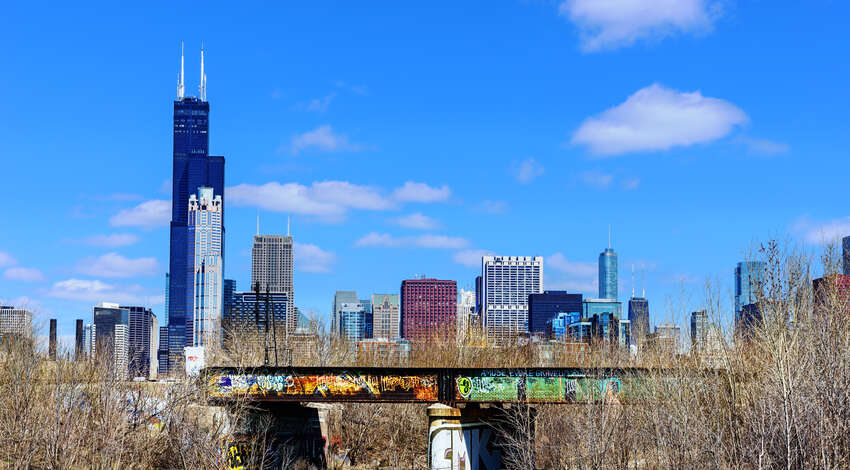
Chicago instructor Brian Murray approaches the concept of street art by considering a history that traces back through World War II, the Great Depression and even all the way to ancient times. (The word “graffiti” has Greek roots.) Brian’s focus, however, is a little more contemporary.
“I approach this as a historian, even somewhat anthropological,” Brian said. “And I explain how the Great Migration and the New Deal led to the creation of a new form of community-based art in the United States called ‘public art.’ And we mostly think of that as murals or maybe sculptures and mosaics. But that’s quite different from some of the other elements that get grouped into the term ‘street art.’ On these walks, we’re zooming in and distinguishing these different cultures so that you understand how to read the interactions between them and know what’s happening in those cities.”
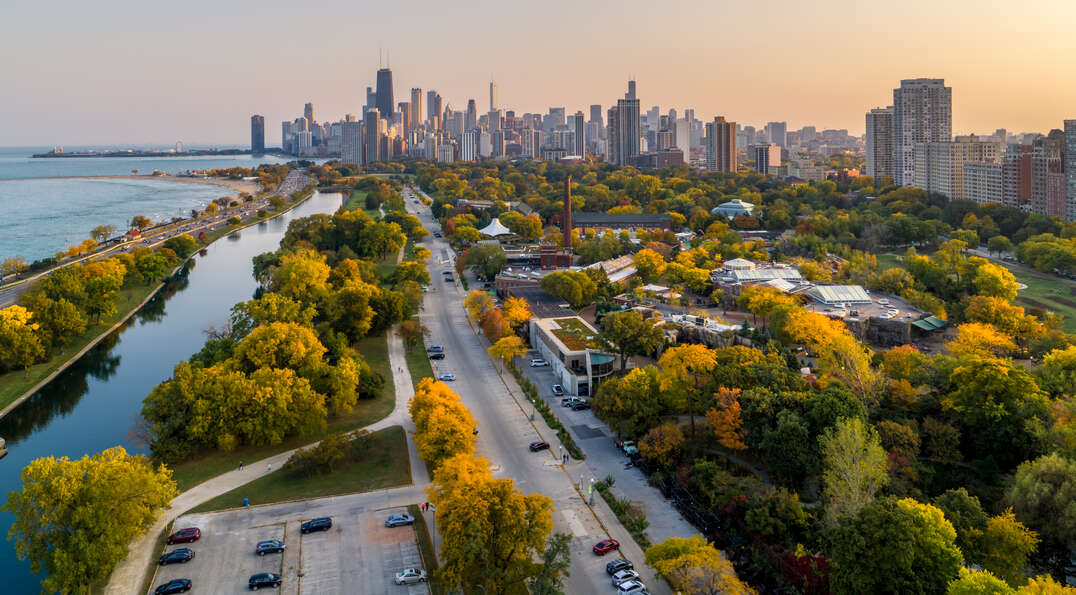
Chicago's Living Canvas
Chicago is a particularly vibrant example, sitting at a bustling intersection of history, cultures and communities. As Brian explains, street art also stands at a crossroads, representing views on politics, everyday life, self-expression and, of course, art.
“There are multiple layers of history and even reality that are happening simultaneously at any intersection in Chicago,” Brian said. “Street art is sometimes considered a renegade form of art or vandalism, but it’s trying to say something to you. Maybe it’s trying to change your mind, maybe it’s trying to inform you of something you didn’t know about.”
Street Art Yesterday — and Today
Brian provides a window into a world of art that many people may not have considered before. On walking explorations of Chicago, he points out examples of murals, graffiti and tagging, showcasing artwork that lies outside of the walls of museums. In addition, he discusses the history and cultural influences behind these art forms, like the Mexican revolution, social media and hip hop.
“Between 1970 and 1980, the four elements of hip hop grew and spread. There was DJing, rapping and breakdancing, which gained the attention of popular, mainstream culture. But the fourth element — graffiti — was never accepted because it defaces property,” says Brian.
Today, street art straddles a fine line of socially accepted art and vandalism, self-expression and defacement. But for Brian, the definition is clear.
“I define public art as human creativity and the process of creating art alongside your community as a collective means of expression, celebration and even defense sometimes. Public art is done by the present, for the past and for the future.”
Today, street art straddles a fine line of socially accepted art and vandalism, self-expression and defacement. But for Brian, the definition is clear.
“I define public art as human creativity and the process of creating art alongside your community as a collective means of expression, celebration and even defense sometimes. Public art is done by the present, for the past and for the future.”
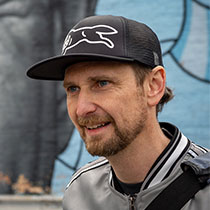
Brian Murray“You can learn to read the walls of a city.”
Lauren Briggs first discovered Road Scholar at the age of ten, when she embarked on a Grandparent Adventure with her grandfather. In 2022, she reconnected with the
organization and began writing for Road Scholar full-time. Lauren is especially passionate about sharing participant stories, including her own Road Scholar experiences in South Dakota and Grand Teton National Park. She lives in Massachusetts and enjoys spending summers exploring New England in her campervan.