
Online Program
Adventures Online: Battlefield Archaeology — Exploring Epic Battles of History
Program No. 31131RJ
See More Photos
Adventures Online: Battlefield Archaeology — Exploring Epic Battles of History
Adventures Online: Battlefield Archaeology — Exploring Epic Battles of History

1 of 4
Itinerary
While we make every effort to ensure the accuracy of our published materials, programs are typically advertised more than a year prior to their start date.
Day
1
Introduction to Battlefield Archaeology & Culloden
Location:
From the comfort of your own home.
Orientation
Orientation and Introductions
As we meet our staff, we will have a brief overview on how to use Zoom, the program’s topic, guidelines, and the daily schedule.
Session 1
Introduction to Battlefield Archaeology: Concepts, Techniques and Examples
(Lecture)
Explore the principles and methods of battlefield archaeology, from survey and excavation to interpreting material evidence. This session includes case studies such as Towton (1461) and Little Bighorn (1876), illustrating how archaeology brings historic battles to life.
Break
Break
Take some time to stretch, relax, and prepare for our next lesson.
Session 2
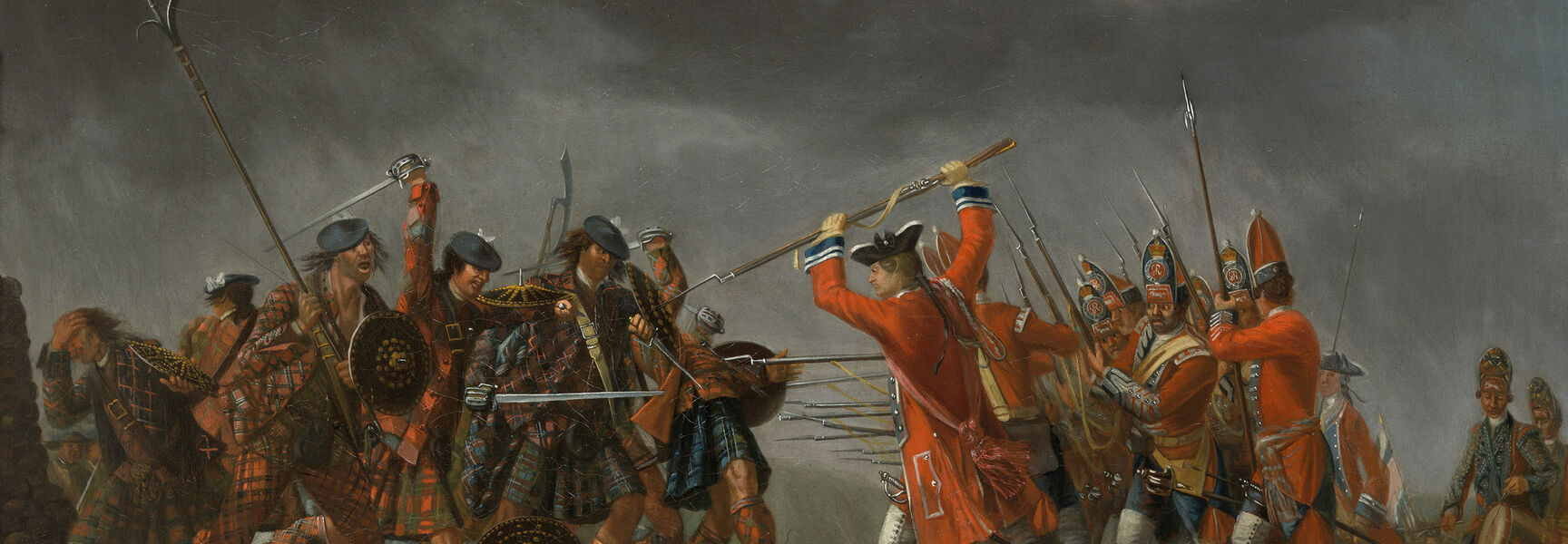
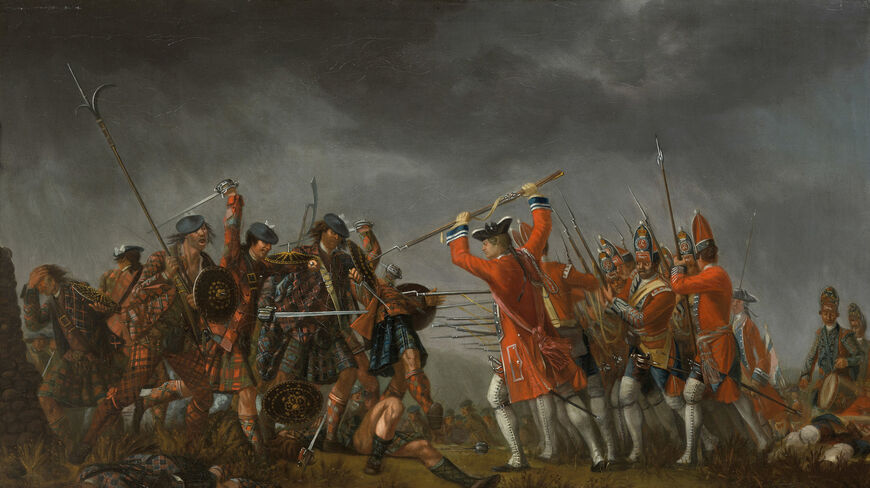
Case Study 1: Culloden 1746
(Lecture)
This pivotal battle marked the final defeat of the Jacobite cause in Scotland after decades of intermittent conflict and is closely associated with Bonnie Prince Charlie. Archaeological investigations of the battlefield have revealed valuable insights into the course of the battle and the nature of the fighting.
Break
Break
Take some time to stretch, relax, and prepare for our next lesson.
Session 3
Case Study 1: Culloden 1746 Conclusion
(Lecture)
We conclude the study of Culloden by bringing together the archaeological evidence explored, showing how it shapes our understanding and interpretation of the battle
Q&A
We will have time for questions with program staff.
Wrap-up
End of Day
Today's session will end.
Day
2
The Battles of Waterloo & iSandlwana
Location:
From the comfort of your own home.
Session 1
Welcome
Greet everyone and review the day's schedule.
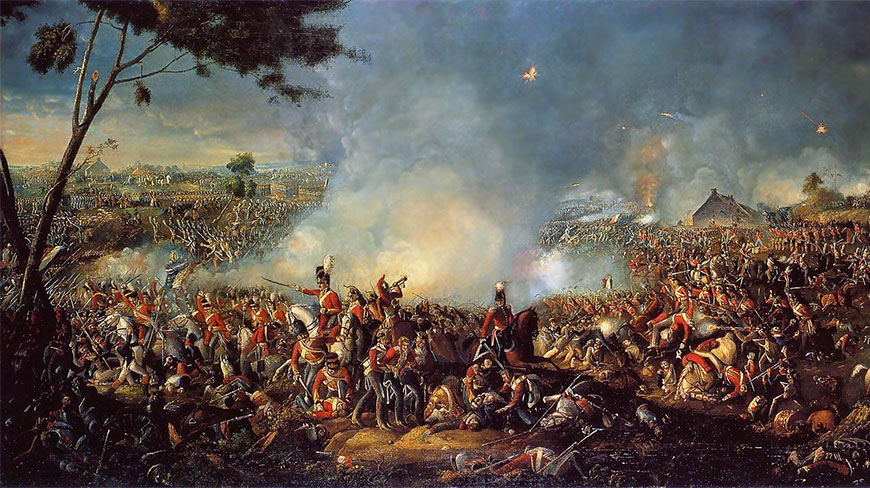
Case Study 2: The Battle of Waterloo - 1815
(Lecture)
Fought in Belgium, this decisive battle saw Napoleon’s French army defeated by Allied forces under the Duke of Wellington. Since 2015, the veteran’s charity Waterloo Uncovered, of which Professor Pollard is a field director, has carried out metal detector surveys and excavations which have shed dramatic new light on the battle. Among the most striking discoveries is a burial pit located outside the farm of Mont St Jean, which served as Wellington’s field hospital during the battle.
Break
Break
Take some time to stretch, relax, and prepare for our next lesson.
Session 2
Case Study 2: The Battle of Waterloo - Conclusion
(Lecture)
We conclude the study of the Battle of Waterloo by bringing together the archaeological evidence explored, showing how it shapes our understanding and interpretation of the battle.
Q&A
We will have time for questions with program staff.
Break
Break
Take some time to stretch, relax, and prepare for our next lesson.
Session 3
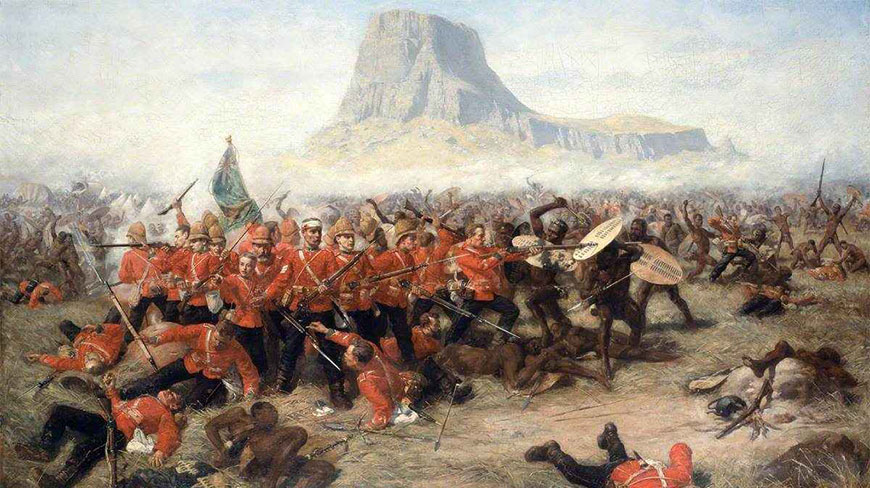
Case Study 3: The Battle of iSandlwana 1879
(Lecture)
Fought shortly after the British invasion of Zululand in South Africa, this battle ended in a devastating defeat for British forces against 20,000 Zulu warriors. Archaeological surveys of the site have uncovered valuable insights, including how both sides used the terrain during the conflict.
Q&A
We will have time for questions with program staff.
Wrap-up
End of Day
Today's session will end.
Day
3
Conclusion of iSandlwana & the Battle of Fromelles
Location:
From the comfort of your own home.
Session 1
Welcome
Greet everyone and review the day's schedule.
Case Study 3: The Battle of iSandlwana - Conclusion
(Lecture)
We conclude the study of the battle of iSandlwana by bringing together the archaeological evidence explored, showing how it shapes our understanding and interpretation of the battle.
Q&A
We will have time for questions with program staff.
Break
Break
Take some time to stretch, relax, and prepare for our next lesson.
Session 2
Case Study 4: The Battle of Fromelles 1916
(Lecture)
Discover the poignant story of the search for mass graves of Australian soldiers buried by German forces after the Battle of Fromelles in northern France, fought to divert attention from the Somme. Archaeological investigations in 2007–2008, led by Professor Pollard, uncovered the graves and offered the first detailed insights into their contents.
Break
Break
Take some time to stretch, relax, and prepare for our next lesson.
Session 3
Case Study 4: The Battle of Fromelles - Conclusion
(Lecture)
We conclude the study of the Battle of Fromelles by bringing together the archaeological evidence explored, showing how it shapes our understanding and interpretation of the battle.
Q&A
We will have time for questions with program staff.
Wrap-up
Program Wrap-up
We will recap what we’ve learned over the past few days and say farewell. This concludes our program. We hope you enjoy Road Scholar learning adventures and look forward to having you on rewarding programs in the future. Don’t forget to like our Facebook page and follow us on Instagram. Best wishes for all your journeys!
Program Conclusion
This concludes our program.