

Mississippi
The Civil Rights Movement in Jackson, Memphis & Nashville
Program No. 25650RJ
See More Photos
The Civil Rights Movement in Jackson, Memphis & Nashville
The Civil Rights Movement in Jackson, Memphis & Nashville


1 of 11
Itinerary
While we make every effort to ensure the accuracy of our published materials, programs are typically advertised more than a year prior to their start date.
Read More.
While we make every effort to ensure the accuracy of our published materials, programs are typically advertised more than a year prior to their start date. As a result, some program activities, schedules, accommodations, personnel, and other logistics occasionally change due to local conditions or circumstances. Should a major change occur, we will make every effort to alert you. For less significant changes, we will update you during orientation. Thank you for your understanding.
Duration
7 days
6 nights
What's Included
15 meals (
6B, 5L, 4D
)
1 expert-led lecture
10 expert-led field trips
An experienced Group Leader
6 nights of accommodations
Taxes and customary gratuity
Road Scholar Assurance Plan
Day
1
Check-in, Registration, Orientation, Welcome Dinner
Location:
Jackson, Mississippi
Meals:
D
Stay:
The Westin Jackson
Activity Note
Hotel check-in from 3:00 p.m. Remember to bring your nametag (sent previously).
Afternoon:
Program Registration: At 5:00 p.m. after you have your room assignment, come over to the Road Scholar table in the conference room to register with the program staff and get your welcome packet containing an up-to-date schedule that reflects any last-minute changes, and to learn when and where the Orientation session will take place. If your arrival is delayed, please ask for your packet when you check in. Orientation. The Group Leader will greet everyone and lead introductions. We will review the up-to-date program schedule, discuss roles and responsibilities, logistics, safety guidelines, emergency procedures, and answer questions. Periods in the schedule designated as “Free time” and “At leisure” offer opportunities to do what you like and make your experience even more meaningful and memorable according to your personal preferences. The Group Leader will be happy to offer suggestions. Program activities, schedules, personnel, and indicated distances or times may change due to local circumstances/conditions. In the event of changes, we will alert you as quickly as possible. Thank you for your understanding.
Dinner:
At the hotel.
Evening:
Continue getting to know your fellow Road Scholars, settle in, and get a good night’s rest for the day ahead.
Day
2
Presentation, Evers Home, Civil Rights Ed Ctr, Museum
Location:
Jackson, Mississippi
Meals:
B,L,D
Stay:
The Westin Jackson
Activity Note
Walking up to 2 miles throughout the day. Getting on/off a motorcoach; driving about 15 miles, approximately 1.5 hours riding time.
Breakfast:
At a local restaurant.
Morning:
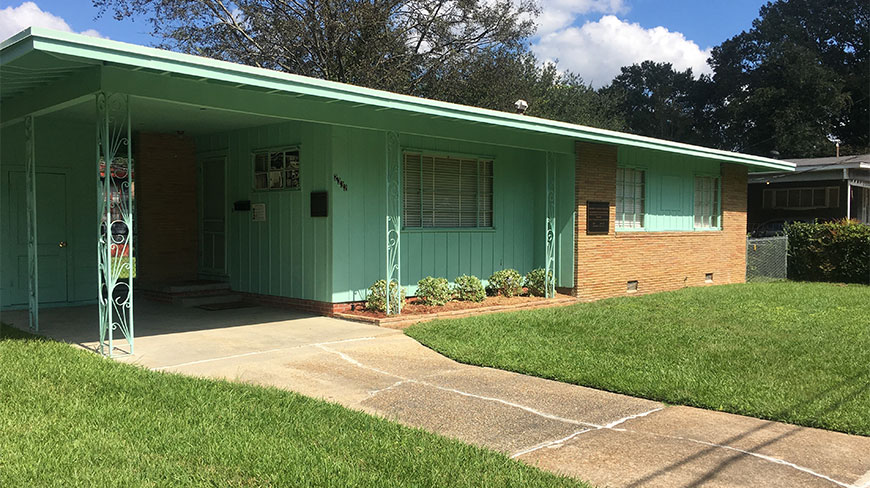
Begin your morning in the conference room with an expert who will set the stage for your journey into the history of civil rights and freedom across Mississippi and Tennessee. The Civil Rights Movement, which unfolded primarily during the 1950s and 1960s, was a powerful struggle by Black Americans to secure equal rights under the law. Although the Civil War had ended slavery, it did not eliminate the deep-rooted discrimination that persisted—especially throughout the South. By the mid-20th century, Black Americans, joined by many white allies, launched a determined, decades-long fight for justice and equality. Throughout this week, your travels will serve as your classroom, bringing to life the people, places, and pivotal moments that shaped this transformative movement. We'll travel by motor coach to the Medgar Evers Home Museum with our expert guide. Step inside the preserved home of civil rights leaders Medgar and Myrlie Evers, a powerful site that tells the story of courage, sacrifice, and the fight for equality. Built in 1956 in Jackson’s Elraine Subdivision, this modest ranch-style house was the center of Medgar Evers’ work as the NAACP’s Mississippi field secretary. From here, he led voter registration drives, investigated racial violence, and challenged segregation across the state. Tragically, it was at this very home—on June 12, 1963—that Medgar Evers was assassinated, an event that shocked the nation and became a turning point in the Civil Rights Movement. Today, the house stands much as it did then, with original furnishings and family belongings that offer an intimate glimpse into the Evers family’s life and legacy. Designated a National Historic Landmark and managed by the National Park Service, the museum allows us to reflect on the bravery and enduring impact of two individuals who helped shape America’s path toward justice and equality.
Lunch:
At a local restaurant.
Afternoon:
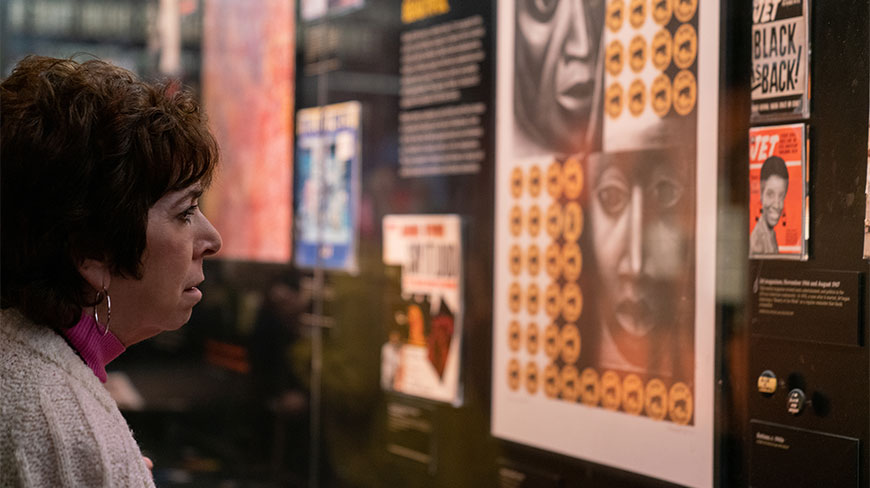
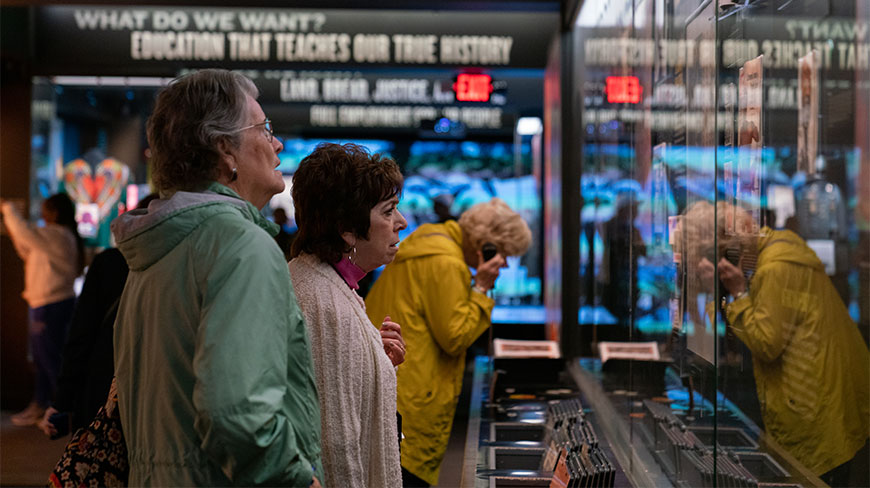
After lunch, we’ll visit the COFO Civil Rights Education Center at Jackson State University. Reopened in 2011, this historic site once served as the headquarters for the Council of Federated Organizations (COFO)—the central hub of Mississippi’s Civil Rights Movement. From its office at 1017 John R. Lynch Street, COFO united major groups like SNCC, CORE, SCLC, and the NAACP, coordinating voter registration drives and major efforts such as the Freedom Vote, the Mississippi Freedom Democratic Party, and Freedom Summer of 1964. Today, the COFO Center preserves this legacy while inspiring new generations of leaders and community activists. Our expert guide will lead us through the museum and share its powerful history. Next, we'll visit The Mississippi Civil Rights Museum, which features eight galleries that trace the state’s role in the national struggle for equality. The first two galleries explore the history of Africans in Mississippi, slavery, and the rise of Jim Crow, with memorials honoring victims of lynching. At the museum’s center, a glowing light sculpture set to “This Little Light of Mine” celebrates those who gave their lives for freedom. Galleries covering 1945–1975 highlight key events and figures, including the Freedom Riders and activists Fannie Lou Hamer, Vernon Dahmer, and Medgar Evers. The final gallery, “Where Do We Go From Here?”, invites visitors to reflect on how Mississippi’s Civil Rights Movement continues to inspire justice movements around the world. We'll return to the hotel after this field trip.
Dinner:
At a local restaurant.
Evening:
At leisure.
Day
3
Sumner, MS, Emmitt Till Interpretive Center, Beale St. Walk
Location:
Memphis, TN
Meals:
B,L,D
Stay:
Hyatt Centric Beale Street Memphis
Activity Note
Drive from Jackson, MS to Sumner, MS is 2 hrs, 25 min. Drive from Sumner, MS to Memphis, TN is 1 hr, 45 min. Sidewalks and uneven terrain may be encountered. Beale Street walk is approximately 1.5 - 2 hours; less than one mile of walking. Standing along the walk to hear interpretation on sites being seen. Standing in museums up to an hour and a half. On and off motor coach. Total time on coach is approximately 4.5 hours.
Breakfast:
At the hotel.
Morning:
We'll have our luggage outside our door at 7:00 am and be ready to depart on our motor coach at 8:00 am for Sumner, MS. Along the way, we will see a subject related educational film. On arrival in Sumner, we'll visit The Emmett Till Interpretive Center, which shares the story of Emmett Till’s tragedy while promoting understanding, reflection, and racial healing. Through art, storytelling, historic preservation, and public education. The center helps people confront the pain of the past and envision a more just and unified future. We will proceed to the Courthouse as a group. The Emmett Till Interpretive Center stands directly across from the Second District Tallahatchie County Courthouse in Sumner, Mississippi—the site of the 1955 trial of J.W. Milam and Roy Bryant for the murder of Emmett Till. Journalist David Halberstam later called the trial “the first great media event of the civil rights movement.” From September 19–23, 1955, the small town of Sumner—home to just 550 residents—was overwhelmed by thousands of visitors. Inside the second-floor courtroom, temperatures soared to nearly ninety degrees as spectators crowded every seat. White attendees filled the benches and windowsills, while strict segregation confined African Americans to the last two rows. A small card table was set aside for the Black press, dignitaries, and members of the Till family, underscoring the racial divide that defined the trial.
Lunch:
At the Interpretive Center.
Afternoon:
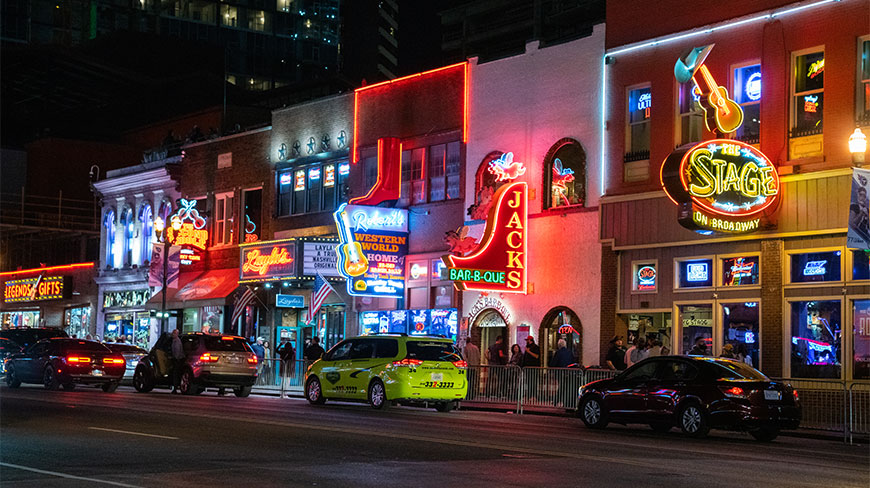
After lunch, we will travel from Sumner to Memphis, Tennessee (approximately 1 hour and 45 minutes, with a stop en route). Upon arrival, participants will meet a local expert for a stroll along Beale Street, highlighting historic sites connected to the Civil Rights Movement in Memphis, such as the Beale Street Baptist Church, the former location of Ida B. Wells’s Memphis Free Speech newspaper, and the Robert R. Church Sr. Park area. Along the way, guests will learn how Beale Street’s churches, businesses, clubs, and meeting spaces supported African American leadership, activism, and community life—helping shape Memphis’s role in the fight for civil rights. We'll check into our hotel located on Beale Street and on the Mississippi River.
Dinner:
At the Itta Bena Restaurant, named for the town where legendary BB King was born. Itta Bena means "home in the woods" or "forest camp" and comes from the Choctaw language. The name was given to a plantation in Mississippi in the 1800s and later became the name of the city where the plantation was located.
Evening:
At leisure.
Day
4
National Civil Rights Museum, Field Trip, Stax Museum
Location:
Memphis, TN
Meals:
B,L
Stay:
Hyatt Centric Beale Street Memphis
Activity Note
Getting on/off a motorcoach; Walking and standing in museums. National Civil Rights Museum can be up 2 - 3 hours, depending on the time you choose to spend. Memphis field trip is driving with a stop at the Stax Museum. Standing in Stax is up to an hour minimal.
Breakfast:
At the hotel.
Morning:
We'll begin our day at the National Civil Rights Museum at the Lorraine Motel. Our motor coach will drop us off by 9:00 am in order that we might be able to spend the entire morning at the museum. There is so much to see and hear on our self exploration of the museum. Founded in 1991, the National Civil Rights Museum occupies the historic Lorraine Motel, where Dr. Martin Luther King Jr. was assassinated on April 4, 1968. Through powerful exhibits, historic artifacts, interactive media, and special events, the museum invites visitors to experience the history and impact of the Civil Rights Movement and the ongoing struggle for equality. In 2013–2014, the museum underwent a $27.5 million renovation, expanding its galleries with more than 40 new films, oral histories, and interactive displays. The result is an immersive and thought-provoking experience that has been featured by the History Channel, CNN, and USA Today, and highlighted in the Academy Award–nominated documentary The Witness: From the Balcony of Room 306. We will meet at a restaurant for lunch at the top of the street when finished.
Lunch:
At a local restaurant
Afternoon:
After lunch, we'll continue with our studies with a narrated motor coach drive exploring Memphis’s central role in the Civil Rights Movement. We'll ride past the Clayborn Temple, Mason Temple and other neighborhoods and landmarks connected to organizing, speeches and African American leadership. We will end up at the Stax Museum of American Soul Music. Many of the artists and musicians who recorded at Stax came from nearby neighborhoods, churches, and schools. During an era marked by racial tension, the studio became a rare space where collaboration mattered more than color. At a time of deep racial division, the studio stood apart—bringing people together around a shared commitment to creating a distinctive sound that would ultimately reach audiences around the world.
Dinner:
On your own to enjoy what you like. Our group leader will be happy to help you with selecting a restaurant. You may choose to have dinner at the hotel.
Evening:
At leisure.
Day
5
Travel to Nashville, Hermitage, In Their Footsteps
Location:
Nashville, TN
Meals:
B,L
Stay:
Hyatt Place Nashville Downtown
Activity Note
Travel from Memphis to Nashville is a 4 hour drive by motor coach. Walking and standing on the grounds of the Hermitage Plantation approximately 2 hours. Benches for sitting may be found.
Breakfast:
At the hotel.
Morning:
Please have your luggage ready outside your door by 7:00 a.m. We’ll depart Memphis for Nashville at 8:00 a.m., with the drive taking approximately four hours. A rest stop will be made along the way, and upon arrival in Nashville, we’ll pause to enjoy lunch before continuing our day’s activities.
Lunch:
At a local restaurant.
Afternoon:
After lunch, we'll visit The Hermitage. The Hermitage is a National Historic Landmark and museum located about 10 miles east of downtown Nashville. This 1,000-acre estate was home to Andrew Jackson, the seventh president of the United States, from 1804 until his death in 1845, and it remains his final resting place. Jackson lived at the property intermittently throughout his career and made it his permanent residence after retiring from public life in 1837. The Hermitage was also a working cotton plantation, sustained by the labor of enslaved men, women, and children—from nine individuals when Jackson first acquired the property to more than 110 people by the time of his death. Their lives and contributions are an essential part of the site’s history, now interpreted to give a fuller understanding of life at the Hermitage and the legacy of slavery in America. Discover the powerful stories of the enslaved men, women, and children who lived and labored at The Hermitage during Andrew Jackson’s lifetime and after his death. Hear about individuals such as Alfred, the wagoner, and Betty, the cook, whose lives were essential to the daily operation of the plantation. This expert led walk offers an unflinching look at the realities of slavery, the resilience of those who endured it, and their journey toward freedom. Led by an experienced interpreter, you’ll explore the very grounds where these individuals were born, lived, worked, and died—experiencing history through their footsteps.
Dinner:
On your own to enjoy what you like or sample the local fare. Dine individually or join your fellow Road Scholars in one of Nashville's many restaurants. You are in the heart of downtown Nashville.
Evening:
At leisure. Free to walk around or relax and get ready for the next day.
Day
6
Library Civ Rts Room, African American Music Museum, Ryman
Location:
Nashville, TN
Meals:
B,L,D
Stay:
Hyatt Place Nashville Downtown
Activity Note
Walking and standing at the Public Library and the African American Music Museum. Each place is approximately one hour. Ryman Auditorium visit is standing and walking through the Auditorium up to an hour.
Breakfast:
At the hotel.
Morning:
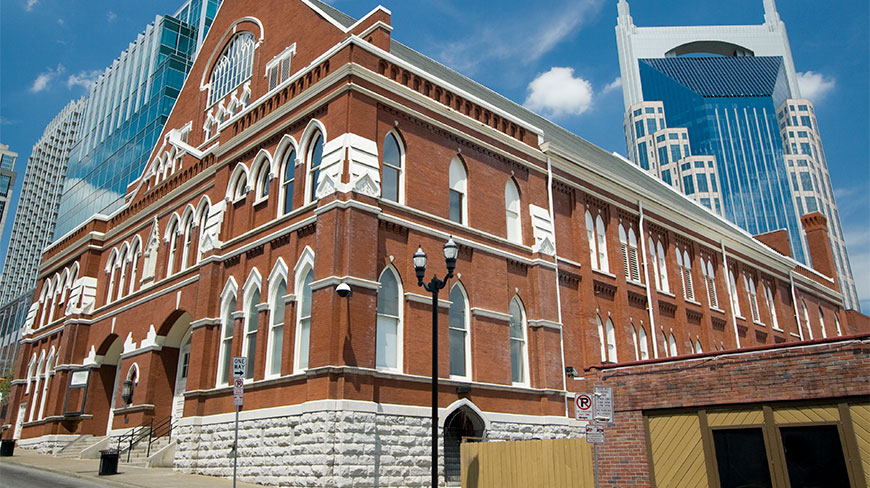
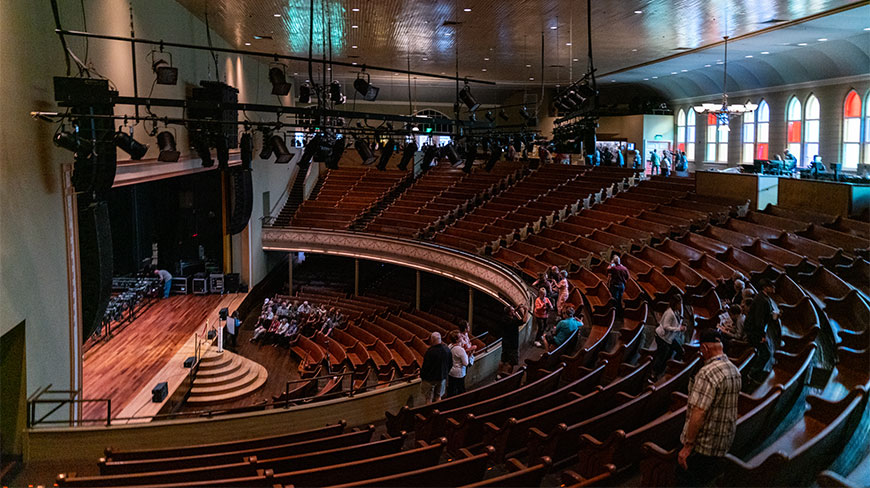
We’ll walk to Ryman Auditorium, known as the “Mother Church of Country Music,” celebrated for hosting the Grand Ole Opry and recognized as the birthplace of bluegrass. Step inside Ryman Auditorium, a landmark at the heart of civil rights and social change. From hosting suffragists and leaders like Dr. Martin Luther King Jr. to showcasing groundbreaking performances by Black artists, the Ryman has been a stage for history. It also played a key role in the fight for women’s voting rights—Tennessee’s ratification of the 19th Amendment at the time made it the final state needed to secure the vote. Explore the space where music and activism intersected, and feel the legacy of these pivotal moments.
Lunch:
Lunch at a local restaurant.
Afternoon:
We'll travel a short distance to explore the Civil Rights Room at the Nashville Public Library. Step back in time and immerse yourself in the history of the Civil Rights Movement. Sit at the symbolic lunch counter, follow a timeline of pivotal civil rights events both locally and nationally, and learn about the Nashville sit-in movement through the same powerful photographs that once captured the nation’s attention. The Civil Rights Room, along with its video presentation space and classroom, offers an interactive and educational environment where visitors can explore history firsthand. Featuring oral histories, authentic photographs, and compelling stories, the room not only preserves the past but also fosters conversation and discovery today.
Dinner:
At a local restaurant.
Evening:
At leisure.
Day
7
Departures
Location:
Nashville, TN
Meals:
B
Activity Note
Departure flights out of Nashville International. Program ends after breakfast.
Breakfast:
At the hotel.
Morning:
Our program concludes following breakfast.
Please select a day to update the map
Map details are not available for this location.