
Italy
From Axis Power to Bastion of Resistance: Italy in World War II
Program No. 25163RJ
See More Photos
From Axis Power to Bastion of Resistance: Italy in World War II
From Axis Power to Bastion of Resistance: Italy in World War II
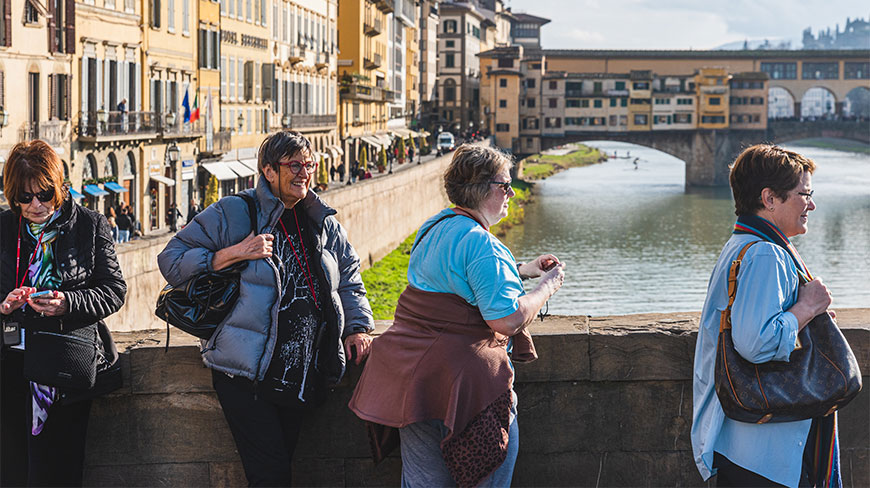
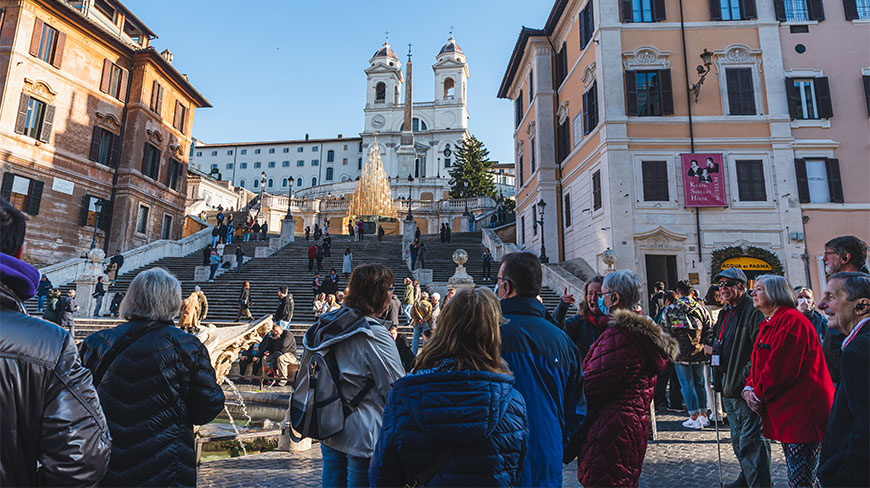
1 of 9
Itinerary
While we make every effort to ensure the accuracy of our published materials, programs are typically advertised more than a year prior to their start date.
Read More.
While we make every effort to ensure the accuracy of our published materials, programs are typically advertised more than a year prior to their start date. As a result, some program activities, schedules, accommodations, personnel, and other logistics occasionally change due to local conditions or circumstances. Should a major change occur, we will make every effort to alert you. For less significant changes, we will update you during orientation. Thank you for your understanding.
Duration
13 days
12 nights
What's Included
24 meals (
11B, 7L, 6D
)
5 expert-led lectures
21 expert-led field trips
An experienced Group Leader
11 nights of accommodations
Taxes and customary gratuity
Road Scholar Assurance Plan
Day
1
In Transit to Program
Location:
In Flight
Day
2
Arrive Naples, Check-in, Orientation
Location:
Castellammare di Stabia
Meals:
D
Stay:
Towers Hotel
Activity Note
Hotel check in from 2:00 p.m.
Afternoon:
In the late afternoon, we will gather in the meeting room for an Orientation session. The Group Leader will greet everyone and lead introductions. We will review the up-to-date program schedule, discuss roles and responsibilities, logistics, safety guidelines, emergency procedures, and answer questions. Periods in the schedule designated as "Free time" and "At leisure" offer opportunities to do what you like and make your experience even more meaningful and memorable according to your personal preferences. The Group Leader will be happy to offer suggestions. Program activities, schedules, personnel, and indicated distances or times might change due to local circumstances/conditions. We will alert you as quickly as possible in the event of changes. Thank you for being so understanding. We will gather before dinner for a Welcome Reception, at which you will meet our Group Leader and fellow Road Scholars.
Dinner:
At the hotel restaurant.
Evening:
At leisure. Evenings at leisure offer opportunities to make the program more meaningful and memorable through personal independent exploration, attending performances or other events, or simply relaxing and making new friends among fellow participants. The Group Leader will always be happy to offer suggestions.
Day
3
Operation Avalanche, Eboli, Mozzarella Maker, Paestum
Location:
Castellammare di Stabia
Meals:
B,L
Stay:
Towers Hotel
Activity Note
Getting on/off a bus; driving about 140 miles through the day, approximately 3.5 hours total riding time. Walking up to 4 miles; uneven dirt paths; few places to rest at the archaeological site.
Breakfast:
At the hotel. We serve buffet breakfasts. For other included meals, we serve a plated set menu unless noted. We include water, plus a caffè (espresso) or caffè americano with lunches and dinners. With dinner, we include one glass of wine. You may purchase other beverages.
Morning:
We begin our day with a lecture on Salerno's significant role during World War II. This presentation will delve into the city's strategic importance, particularly during the Allied invasion of Italy in 1943, known as Operation Avalanche. Salerno became the landing site for Allied forces, marking a pivotal moment in the Italian Campaign. Our Study Leader will explore the historical context of the invasion, the challenges faced by the Allied troops and local civilians, and the lasting impact of these events on Salerno's development and cultural memory. After our lecture, we will board the bus to Eboli for an expert-led visit to the Museum of Operation Avalanche (MOA). At the museum, we will review the Salerno landings of September 1943 through period photographs, maps, documents, uniforms, and equipment. Our local expert will explain the objectives of Operation Avalanche, the units involved, the civilian impact in the Sele plain, and how the landings shaped the Italian campaign. We then board our bus toward Paestum, where we will stop for lunch.
Lunch:
After we visit the ruins, we will head to a nearby mozzarella maker near Battipaglia for a delightful lunch, where we will learn about and taste the fresh buffalo mozzarella produced on-site, paired with local specialties.
Afternoon:
Our afternoon begins with an expert-led visit of Paestum, initially founded by the Greeks in the 6th century BCE and is known for its stunning Doric temples, including the Temple of Hera and Neptune. These ancient structures are among the best-preserved of their kind, offering a glimpse into the grandeur of Greek colonization in southern Italy. During World War II, Paestum served as a military base for both the Allies and the Germans. It was heavily affected by the fighting. Accompanied by our Study Leader, we will visit the historic landing beaches of Paestum, where Allied forces made crucial landings during World War II as part of the Salerno Campaign in 1943. Our Study Leader will provide detailed insights into the events surrounding the landings, the challenges faced by the Allied troops, and the impact on the local population. Afterward, we will board the bus and begin our journey back to our hotel in Naples.
Dinner:
This meal has been excluded from the program cost and is on your own to enjoy what you like. The Group Leader will be happy to offer suggestions. You can also consult your list of suggested restaurants in your program materials.
Evening:
At leisure.
Day
4
Four Days of Naples, Underground Naples, Free Time
Location:
Castellammare di Stabia
Meals:
B,D
Stay:
Towers Hotel
Activity Note
Getting on/off a bus; driving about 5 miles each way, approximately 30 minutes total riding time. Walking about 4 miles throughout the day; cobblestones, stone steps, inclined path, steps with and without handrails. The Underground Naples tunnels are spacious, but you can wait for the group outside if you experience claustrophobia and prefer not to walk through them. We recommend wearing flat shoes and bringing a sweatshirt for added comfort.
Breakfast:
At the hotel.
Morning:
Before departing in the morning, we will gather in the hotel for a lecture on the Four Days of Naples, a key episode in Italy's World War II history. The lecture will recount how, between September 27-30, 1943, the citizens of Naples rose against German occupation forces, forcing them to retreat before the arrival of Allied troops. This spontaneous uprising, led by civilians, students, and former soldiers, demonstrated extraordinary courage and unity amid hardship and uncertainty. The event marked one of the first successful acts of resistance in occupied Europe and remains a powerful symbol of Naples' resilience and determination. After our lecture, we will board our bus for a journey into the heart of Naples, where we will explore the city's rich history underground. Our first stop with our local expert is Underground Naples, which will take us deep below the city to uncover a hidden world of ancient tunnels, chambers, and catacombs. This subterranean network offers a glimpse into Naples' past, showcasing Roman ruins, medieval structures, and the layers of history beneath the modern city. During World War II, these tunnels served as air-raid shelters for 40,000 Neapolitans, providing refuge during bombings. We will learn how these underground spaces became a crucial part of daily life during the war, protecting civilians from the devastation above. As part of the Underground Naples experience, we will visit the War Museum of Naples with a docent, which offers a look at the impact of World War II on the region. The museum houses a collection of military artifacts, including uniforms, weapons, photographs, and personal stories from those who lived through the war. The exhibits focus on Naples's strategic importance during the war, the local population's struggles, and the city's role in Operation Avalanche.
Lunch:
On your own to enjoy the local fare.
Afternoon:
Free time. Take this opportunity for independent personal exploration to see and do what interests you most. You can also consult your suggested Free Time activities list in your program materials. The Group Leader will be happy to offer suggestions. In the late afternoon, we will board our bus and head back to Naples.
Dinner:
At a local restaurant.
Evening:
At leisure. Be prepared for check-out and transfer.
Day
5
Abbey of Montecassino, Polish War Cemeteries
Location:
Latina
Meals:
B,L,D
Stay:
Hotel Europa
Activity Note
Getting on/off a bus; driving about 135 miles throughout the day, approximately 3.5 hours total riding time. Walking about 4 miles throughout the day; stone steps, inclined path, steps with and without handrails.
Breakfast:
At the hotel.
Morning:
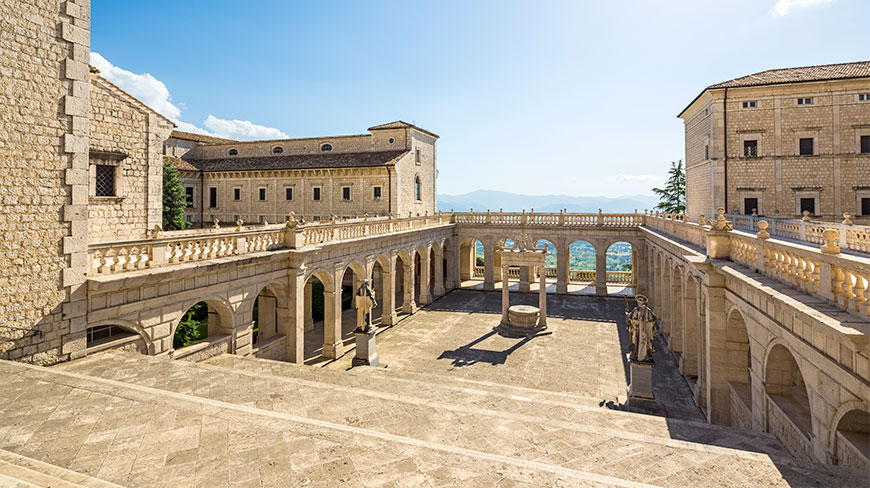
We begin our day by loading our luggage onto the bus and checking out of the hotel. As we set out on our journey, we will stop for a bathroom and coffee break along the way, giving everyone a chance to refresh before continuing our travels. Our first stop is the renowned Abbey of Montecassino, which holds great historical significance. Originally founded in 529 CE by St. Benedict, the abbey is one of Europe's oldest and most important monasteries. Montecassino became a focal point in the Allied advance through Italy during World War II. The abbey, situated atop a hill, was heavily bombed in 1944 in an attempt to dislodge German forces who had taken control of the site. The bombing caused extensive damage, and the abbey was almost completely destroyed. The rebuilding process took years, with the abbey restored to its former glory in the post-war years, using original materials and historical records.
Lunch:
At a local restaurant.
Afternoon:
Our visit to Montecassino continues as we will also visit the Polish War Cemetery, which is situated nearby. This cemetery honors the Polish soldiers who fought in the Battle of Montecassino, particularly those from the 2nd Polish Corps under General Wladyslaw Anders. Over 1,070 Polish soldiers are buried here, and the cemetery features a memorial to the fallen, including a large monument with a statue of a Polish soldier. The site offers a touching reminder of the Polish forces' significant role in the Allied victory at Montecassino and their contribution to the liberation of Italy. After visiting Montecassino and the cemeteries, we will continue our journey by bus to Latina, where we will check into our next hotel.
Dinner:
At a local restaurant.
Evening:
At leisure.
Day
6
Anzio & Nettuno Beaches, American Cemetery, Piana delle Orme
Location:
Latina
Meals:
B
Stay:
Hotel Europa
Activity Note
Getting on/off a bus; driving about 20 miles each way, approximately 1.5 hours total riding time. Walking about 3 miles throughout the day; stone steps, inclined path, steps with and without handrails.
Breakfast:
At the hotel.
Morning:
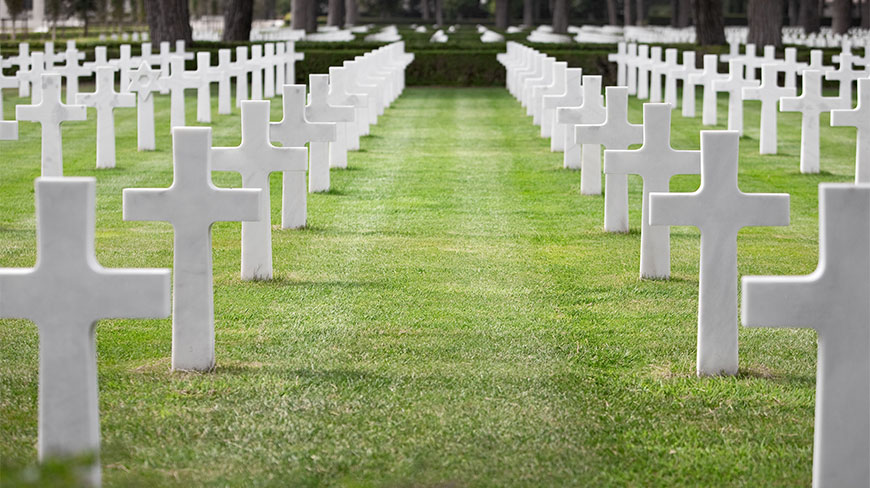
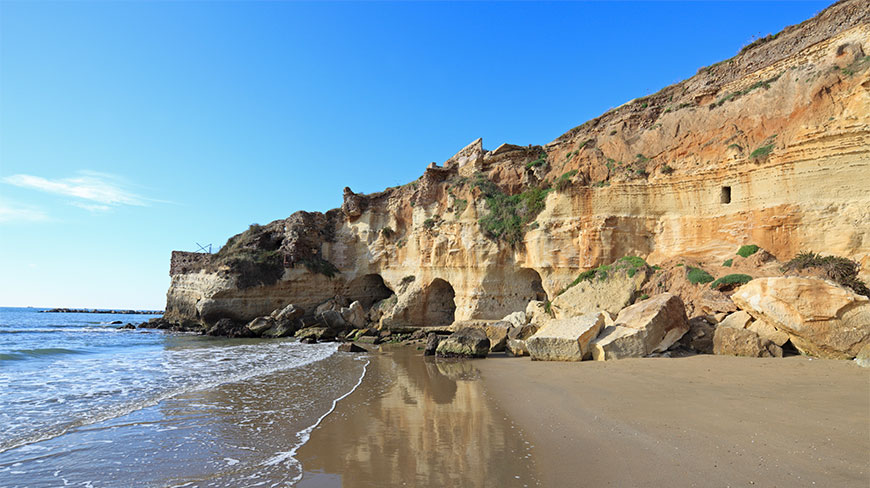
We begin our day by boarding a bus and heading to the nearby beaches of Anzio and Nettuno. These beaches were the location of the Allied amphibious landings in January 1944, marking a pivotal moment in the Italian Campaign. We will learn from our local expert about the intense fighting that took place here and the critical role the beaches played in the Allied liberation of Italy. Following our visit to the beaches, we’ll board the bus again for a short drive to the Sicily-Rome American Cemetery. This serene and solemn site honors the memory of 7,860 American military personnel who gave their lives in the defense of freedom during the Italian Campaign. The cemetery, which is beautifully landscaped with rows of white marble headstones, stands as a reminder of the sacrifices made by these soldiers. It serves as both a memorial and a testament to the courage and resilience displayed during one of the most challenging periods of the war.
Lunch:
At a local restaurant.
Afternoon:
After lunch, we will board our bus and return to Latina, stopping at the Piana delle Orme Museum. Situated in a sprawling space, the museum houses a remarkable collection of military vehicles, equipment, and artifacts from the war era. Visitors can explore displays covering various aspects of the war, including the Italian front, the war's impact on civilians, and the region's history. The museum also features a section dedicated to the history of the Italian Fascist regime and its influence on the country. After our visit, we will return to our hotel by bus.
Dinner:
On your own to enjoy what you like.
Evening:
At leisure.
Day
7
Resistance Museum, Fosse Ardeatine
Location:
Latina
Meals:
B,L
Stay:
Hotel Europa
Activity Note
Getting on/off a bus; driving about 50 miles each way, approximately 3 hours total riding time. Walking about 4 miles throughout the day; stone steps, inclined path, steps with and without handrails.
Breakfast:
At the hotel.
Morning:
We will travel to Rome by bus, entering the city through Porta San Paolo, a significant site where, after the Armistice of Cassibile, or Italian capitulation, on September 8, 1943, Italians made efforts to prevent the German occupation of Rome. Our first stop will be the Museum of the Resistance on Via Tasso, once the headquarters of the Schutzstaffel (SS) during the Nazi occupation of Rome. With our Study Leader, we will examine artifacts, photographs, and documents that recount the Italian resistance and the atrocities committed in this very building, where many partisans were imprisoned and tortured. The visit invites reflection on the courage of those who resisted and on our collective responsibility to preserve their memory and the lessons of this period.
Lunch:
At a local restaurant.
Afternoon:
On our way back to Latina by bus, we will stop just outside of Rome to visit the Memorial of Fosse Ardeatine, a profoundly significant and somber site of remembrance. Here, on March 24, 1944, Nazi troops executed 335 Italian civilians, including men, women, and children, as a brutal act of retaliation for a bomb attack carried out by Italian partisans in the heart of Rome. This mass execution, one of the most horrific war crimes in Italy during the war, was part of a broader campaign by the Nazis to suppress resistance activities in occupied territories. The memorial today serves as a poignant tribute to those innocent lives lost, with a series of markers and plaques that commemorate their sacrifice. We will learn about the historical context of the massacre and reflect on the atrocities committed here as we pay our respects to the victims and honor the resilience of the Italian people during the war.
Dinner:
On your own to enjoy what you like.
Evening:
At leisure. Be prepared for check-out and transfer.
Day
8
Train to Florence, American Cemetery, Castellina, Lecture
Location:
Florence
Meals:
B,L,D
Stay:
Hotel Berchielli
Activity Note
Getting on/off a bus; driving about 230 miles, approximately 1 hour total riding time. Getting on/off a regional and high-speed train; riding 215 miles, approximately 2.45 hours. Walking up to 2 miles; uneven dirt paths, gravel, and slopes at the Cemetery and in Castellina.
Breakfast:
At the hotel.
Morning:
In the early morning, we will arrange for our bags to be collected from outside our rooms, ensuring their convenient delivery to our hotel in Florence. We'll check out of our hotel in Latina and begin our journey to Florence. After boarding a bus to the Latina train station, we'll take a regional train to Roma Termini, where we'll transfer to a high-speed train bound for Florence. Drinks and snacks will be served on board the train for your comfort. Upon arriving in Florence, we will board a bus and head to the Florence American Cemetery just south of the city. There, we will meet with the custodian, who will guide us through the cemetery and share insights into the campaigns that led to the liberation of this region of Italy. This beautifully maintained site honors the 4,400 American soldiers, sailors, and airmen who lost their lives in Italy during World War II, many of whom fought in the pivotal campaigns that secured Italy's liberation. The peaceful rows of white marble crosses and Stars of David offer a touching tribute to their sacrifices. Continuing our route, we journey to nearby Castellina in Chianti, nestled amidst the picturesque Chianti vineyards in Tuscany, where we will stop for lunch.
Lunch:
At a local restaurant.
Afternoon:
After lunch, we will board the bus, which will take us as close as possible to our hotel in Florence's historic center. Once we arrive, we'll check in and have time to relax and freshen up in our rooms. Later, we'll gather for a lecture on the Gothic Line, a significant defensive line used by the German army during World War II. Stretching from the Ligurian coast to the Adriatic Sea, the Gothic Line was a key stronghold for the Nazis as they sought to delay the Allied forces' advance through northern Italy. The line became the site of fierce fighting during the winter of 1944–45 as the Allies pushed northward. Our lecture will explore the Gothic Line's strategic importance, the challenges soldiers face on both sides, and its role in the broader context of the Italian Campaign.
Dinner:
At a local restaurant.
Evening:
At leisure.
Day
9
Futa Pass German Cemetery, Museo Gotica Toscana, Free Time
Location:
Florence
Meals:
B,L
Stay:
Hotel Berchielli
Activity Note
Getting on/off a bus; driving about 90 miles, approximately 3 hours total riding time. Walking up to 3 miles; uneven dirt paths, gravel, and slopes at the Cemetery.
Breakfast:
At the hotel.
Morning:
We begin the day by boarding a bus heading north of Florence to the Futa Pass, a key location during World War II. The Futa Pass, located in the Apennine Mountains, was strategically important for controlling the main route between Florence and Bologna. During the German retreat in the winter of 1944, it became a critical point of resistance, where intense battles between German forces and Allied troops took place. Here, we will visit the German War Cemetery, which commemorates the soldiers who lost their lives during the fierce battles of the winter of 1944-45. The cemetery is solemn and beautifully maintained, with rows of graves marking the final resting places of over 30,000 German soldiers. Memorials are scattered throughout the site, and plaques offer context on the battles and the soldiers who fought there. We will also visit the Italian Military Cemetery, dedicated to Italian soldiers who perished during the same period. Our next stop will be the Museo Gotica Toscana (MuGot), a museum dedicated to preserving the memory of the area's role in the Italian Resistance during World War II. The museum features many exhibits, including personal artifacts, photographs, weapons, and documents that offer a poignant look into the lives of those who fought for freedom. The museum's collection also highlights the importance of the Futa Pass and the surrounding region in the broader context of Italy's wartime history. The displays provide a moving tribute to the bravery and sacrifices of local resistance fighters and Allied forces in this pivotal part of the Italian Campaign.
Lunch:
At a local restaurant.
Afternoon:
After lunch, we will board our bus and head back to Florence, where you will have the remainder of the afternoon free to explore the city at your own pace. Free time. Take this opportunity for independent personal exploration to see and do what interests you most. You can also consult your suggested Free Time activities list in your program materials. The Group Leader will be happy to offer suggestions.
Dinner:
On your own to sample the local fare.
Evening:
At leisure.
Day
10
Accademia, Operation Winter Storm & Buffalo Soldiers
Location:
Lucca
Meals:
B,D
Stay:
Albergo Celide
Activity Note
Getting on/off a regional train; riding about 50 miles, approximately 1.5 hours total riding time.
Breakfast:
At the hotel.
Morning:
We will begin our day by loading our luggage onto vans for secure transportation to our hotel in Lucca. After checking out of our hotel, we will head to the Galleria dell'Accademia for a special visit focused on preserving Michelangelo's iconic statues of David and the Prisoners during World War II. Our local expert will lead us through the museum, explaining how the statue was protected in January 1943 by being encased in a "beehive"- shaped sand-and-brick shelter, a precaution taken to shield it from potential damage from Allied bombings of Florence. The statue was moved indoors to the Accademia in 1873 to protect it from the elements, and a replica was placed in Piazza della Signoria. The efforts to preserve Italy's cultural treasures during the war were a joint effort between Italian art historians and Allied military personnel, including the Monuments Men. This group of experts, who included historians, curators, and art specialists, was tasked with safeguarding Europe's invaluable cultural heritage during and after the war. Their tireless efforts ensured that masterpieces like David survived the destruction of war, preserving them for future generations.
Lunch:
On your own to enjoy what you like.
Afternoon:
After lunch, we will meet at the appointed time and place set by our Group Leader and walk together to Santa Maria Novella Station, where we will board a regional train bound for Lucca. Upon our arrival in Lucca, we will head to the hotel, where our bags will be waiting for us at check-in. We will gather in the hotel conference room for a lecture by a local historian who will provide an in-depth analysis of the Battle of Garfagnana, also known as "Operation Winter Storm," a pivotal event during World War II. The historian will also discuss the role of the Buffalo Soldiers, the African American army troops of the 92nd Infantry Division, who played a crucial part in liberating Lucca.
Dinner:
At a local restaurant.
Evening:
At leisure.
Day
11
Borgo a Mozzano, Sant'Anna di Stazzema
Location:
Lucca
Meals:
B,L
Stay:
Albergo Celide
Activity Note
Getting on/off a bus; driving about 75 miles, approximately 2.5 hours total riding time. Walking up to 2 miles; uneven dirt paths, gravel, and inclines.
Breakfast:
At the hotel.
Morning:
In the morning, we will take a short walk to the nearest city gate to board our bus and head into the hills north of Lucca. Our first stop will be Borgo a Mozzano, a strategically located town that witnessed heavy military activity during the war. The iconic Ponte della Maddalena, or Devil's Bridge, which has stood since the 11th century, was an important crossing over the Serchio River. Remarkably, despite the heavy bombings and the destruction that affected much of Italy, the bridge survived intact throughout the war. Its resilience stands as a symbol of the town's endurance through the conflict. We will begin our exploration with a visit to a restored bunker made accessible thanks to the dedication of local volunteers. The bunker spans multiple levels and offers a glimpse into soldiers' daily lives. Inside, we will find an array of objects used by the soldiers, including everyday items and documents such as maps and wartime proclamations, which paint a vivid picture of the past. From the bunker, we will move to the remains of the anti-tank wall that once stretched across the Serchio. The Germans built this defensive structure to hinder the movement of Allied forces and mark the front lines during the intense battles in the area. Next, we will head to the southeastern side of the river, exploring the fortifications and positions carved directly into the rock. These strategic points were part of a defensive line that extended to the Brenner Pass, a major route for moving troops and supplies. This well-preserved area offers an essential insight into the defensive measures the German forces took in northern Tuscany during the war.
Lunch:
At a local restaurant.
Afternoon:
Next, we will board our bus again and continue our journey to Sant'Anna di Stazzema. This small village became the site of a tragic massacre in 1944, where German troops killed over 500 civilians, including women and children. The Sant'Anna di Stazzema Memorial, dedicated to the victims, stands as a solemn tribute to the atrocities of war. We will explore the memorial and gain insight into the history of the massacre, honoring those who lost their lives while reflecting on the broader impact of the war on the region.
Dinner:
On your own to sample the local fare.
Evening:
At leisure.
Day
12
Montemarcello, Punta Bianca, Agriturismo, Program Reflection
Location:
Lucca
Meals:
B,L,D
Stay:
Albergo Celide
Activity Note
Getting on/off a bus; driving about 90 miles, approximately 2.5 hours total riding time. Walking up to 2 miles; uneven dirt paths, gravel, and inclines. An elective, challenging hike of about 1.5 miles, approximately 1 hour, involves uneven dirt and stone paths with steep inclines, no handrails, and unavoidable steps. Steep step with no handrail to climb up onto the bunker. Hiking shoes are required for the walk; walking poles/sticks are strongly encouraged.
Breakfast:
At the hotel.
Morning:
We will board the bus and journey into Liguria to the picturesque village of Montemarcello. Montemarcello is recognized as one of the "Borghi Più Belli d'Italia," meaning it is one of the most beautiful villages in Italy —an honor bestowed on select towns with remarkable historical and cultural heritage. As we stroll through this charming village, we will reflect on its tragic history. On December 13, 1944, American aircraft mistakenly bombed the center of Montemarcello, killing 35 civilians. The rebuilt piazza, now a peaceful and vibrant gathering place, stands on the site of the destroyed homes and serves as a memorial to those who perished. For those seeking an adventurous challenge, and if your gear and physical preparation are adequate, we offer an optional hike to Punta Bianca, led by a local expert. We'll board the bus and travel to the trailhead, where we will begin our journey. Our first stop will be near the entrance to a cave, where a marker commemorates the tragic execution of 15 Italian-American soldiers. These soldiers, part of Operation Ginny, were captured on March 24, 1944, while attempting to destroy a German supply tunnel. In a clear violation of the Geneva Convention, they were executed in uniform two days later and buried in a mass grave in a nearby town. We'll follow a former German military road used during the war, eventually leading to a scenic hiking trail. Toward the end of the trail, we'll reach a concrete German bunker that offers stunning panoramic views of the Gulf of La Spezia and the mouth of the Magra River. From this vantage point, we'll also see an adjacent German lookout bunker, a poignant reminder of the area's strategic role during the war. After our hike, we'll meet up with the rest of the group and board the bus to continue our journey to a local agriturismo.
Lunch:
At a local agriturismo.
Afternoon:
We will gather over coffee at the agriturismo to reflect on our journey through Italy’s wartime history. This will be a time to share personal impressions and discuss the powerful stories we have encountered. Our Group Leader will facilitate a discussion, inviting everyone to express their thoughts on the sites we visited, the history we learned, and how these experiences have shaped our understanding of the past. After our time in Liguria, we will board the bus and head back to our hotel in Lucca.
Dinner:
At a local restaurant. Recap your adventures and share your favorite memories.
Evening:
At leisure. Prepare for check-out and departure in the morning.
Day
13
Program Concludes, In Transit From Program
Location:
In Flight
Meals:
B
Activity Note
Hotel check out 11:00 a.m. See your program’s “Travel Information” regarding transfers.
Breakfast:
At the hotel depending on departure time. This concludes the program.
Morning:
If you are returning home, safe travels. If you are staying on independently, have a wonderful time. If you are transferring to another Road Scholar program, detailed instructions are included in your Information Packet for that program. We hope you enjoy Road Scholar learning adventures and look forward to having you on rewarding programs in the future. Don’t forget to join our Facebook page and follow us on Instagram. Best wishes for all your journeys!
Please select a day to update the map
Map details are not available for this location.