
From Lecturer to Learner: How Educator David Sokol Evolved With Road Scholar
In the 1980s and ’90s, when David Sokol became an instructor for Elderhostel (now Road Scholar), the settings for early learning adventures looked dramatically different than they do today. During their off-season, college campuses and summer camps transformed into vibrant learning communities where participants could follow their curiosity and immerse themselves in their studies.
In those early days, Road Scholar programs were structured like intensive academic experiences. Participants would stay in dormitories, share family-style meals and engage in multiple interconnected classes. An instructor like David, teaching from George Williams College in the Chicago area, might teach one or more of three daily sessions. Topics ranged from American art and literature to architecture and Constitutional history, and participants could explore courses that piqued their curiosity.
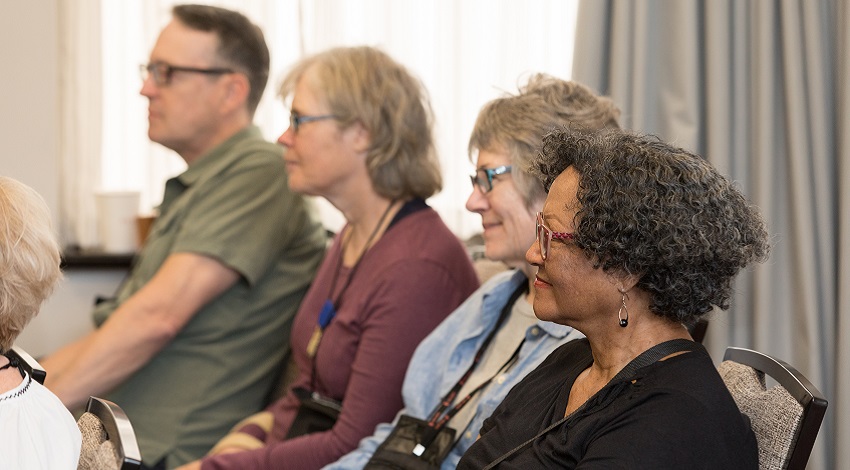
"They could sign up for classes in whatever interested them," David recalls, and each class was a self-contained journey led by passionate educators who encouraged interaction and deep learning. Road Scholar’s philosophy was revolutionary at the time — retirement wasn't about slowing down, but about expanding horizons. Participants weren't passive tourists but active learners, gathering around communal dining tables to share insights and experiences.
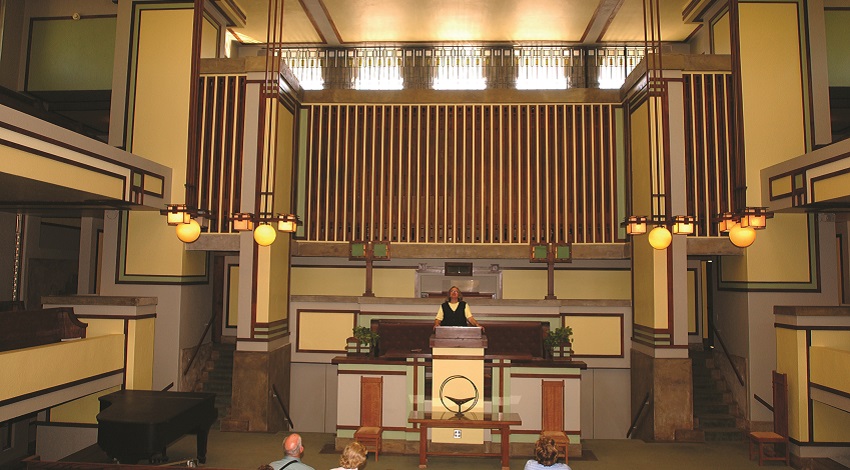
David recalls the unique atmosphere of these early programs. "We'd have lectures in the morning, then lunch, followed by another class in the afternoon. Evenings were filled with films or local history talks," he says. As the author of The Noble Room: The Inspired Conception and Tumultuous Creation of Frank Lloyd Wright's Unity Temple, one memorable moment was having the opportunity to show a Frank Lloyd Wright film from the Oak Park library. “It was fun, an extra opportunity to get together and learn,” says David, recalling that these bonus gatherings often encouraged lively discussions among participants.
The sense of community was palpable. "Dining was around one or two big tables, and you got to know each other. It was relaxed and pleasant, but very informative," David notes. This communal aspect extended beyond the classroom, fostering friendships and a shared passion for learning.
Over decades, the program evolved from a content-focused educational model to today's content and destination-driven learning adventures. Yet the core mission remains unchanged: providing transformative learning experiences that challenge preconceptions about aging. Today's Road Scholar programs may have gone global — arguably with more comfortable accommodations — but the spirit of inquiry remains unchanged.
David and his wife have continued their journey with Road Scholar, celebrating milestones like their 61st anniversary with a program in Portugal. "We're big supporters — we love Road Scholar. We talk it up all the time," he says. Their travels have taken them to the Maritime Provinces, New Orleans and beyond, and future programs might include Asheville, North Carolina, and St. Augustine, Florida.
Reflecting on the evolution of educational travel, David notes the shift from content to destination. "In the early days, it was about the classes and the learning. Now, of course, the learning is still there, but you can also get excited about the destination," he explains. This shift has brought changes in structure, but the essence of lifelong learning remains at the heart of Road Scholar.
Once an instructor and now a Road Scholar himself, David's story is a testament to the enduring value of educational travel. Road Scholar has not only enriched the lives of participants, but also fostered a sense of community and lifelong curiosity. As Road Scholar marks its 50th anniversary, it continues to prove that learning knows no age limit.