
5 Things to Know Before Traveling to India

- Road Scholar staff member Kaya M. recently returned from India, and she shares five tips for those planning their own journey.
- These tips include experiencing India’s diversity, preventing digestive upset and being flexible along the way.
- By applying Kaya’s tips and doing your research before you go, you’ll be prepared to explore the new experiences and cultures that India has to offer!
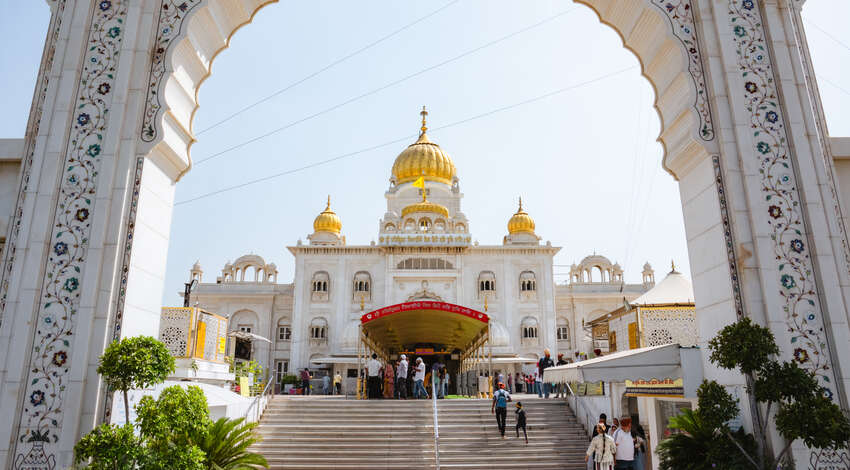
Is India on your must-see list? Road Scholar staff member Kaya M. recently returned from her own journey to India — here are her top tips for this fascinating country.
1. India is a sensory buffet.
The moment you step off your flight, you will be inundated with sensory input: racks of colorful textiles and the cacophony of car horns honking, the mouthwatering scent of samosa chaat wafting off a street stall, sun and smog and sweat plastered across your forehead, temple bells clanging against the faint din of bumping Bollywood beats.
It’s positively beautiful, but it can be overstimulating at first. Be prepared with ear plugs, portable cooling devices, filtered face masks and maybe even a Vicks Vapor-stick if you’re sensitive to smells.
2. Help your digestive system adjust.
India's cuisine is one of its many highlights, and giving your digestive system time to adjust helps you enjoy it to the fullest. A few simple precautions, such as drinking bottled or filtered water and choosing freshly prepared foods, go a long way.
Pay attention to your water sources. Drink bottled or filtered water, and make sure bottled water is sealed before opening it.
When it comes to food, choose freshly prepared dishes and use the same common-sense precautions you would in any destination. If you're unsure about a particular food or restaurant, your Group Leader or a knowledgeable local expert can offer guidance. Some travelers also like to pack familiar over-the-counter remedies, just in case.
If your stomach does need a little extra care, you might try eating raita (yogurt) with spicy meals or sipping ginger tea afterward. Ayurveda, the ancient Indian medicine system, suggests only eating until you are 75% full — though it certainly is difficult to stop mid-masala!
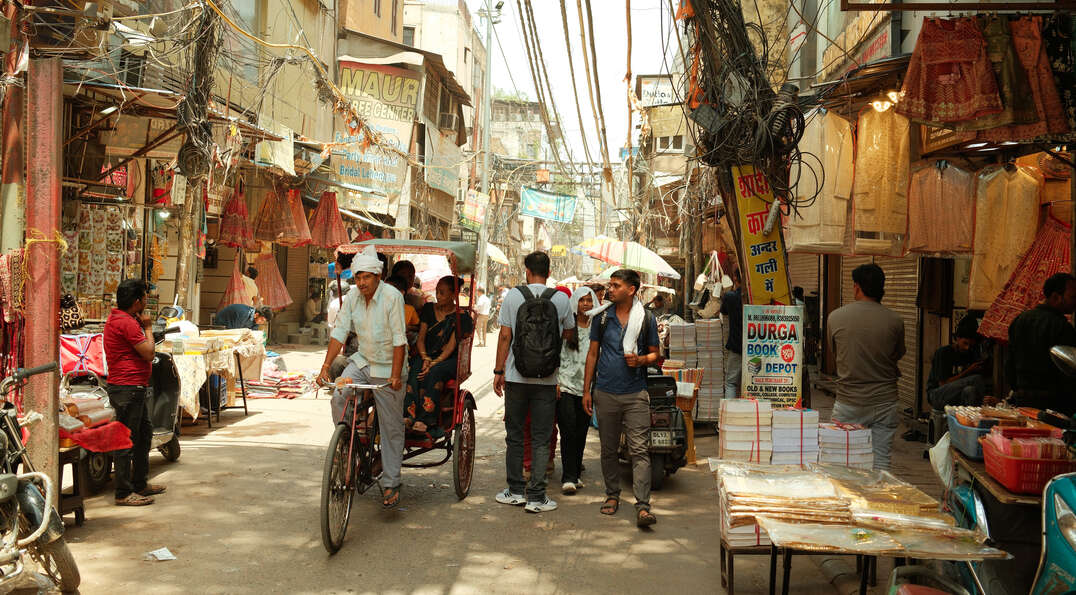
Chandni Chowk market in Old Delhi, India.
3. India is incredibly diverse.
Home to some of our planet’s oldest civilizations, India has had thousands of years to develop into the vibrant, multicultural nation that it is today. Each Indian region boasts unique dialects, cuisines, natural landscapes and artistic traditions. Within each of those regions, you’ll encounter a stunning multitude of local practices and beliefs. You can spend your whole life exploring India and still never experience all its wonders!
An ideal trip to India, however long, is one that offers a sampler of different Indian cultures. If possible, try to plan destinations in both North and South India. Visit Hindu temples, Muslim mosques and Sikh gurdwaras. If you stay in a big city, make a point to drive through a rural area. And of course, try lots of different foods!
4. Foreigners get a lot of attention.
Indians take pride in offering generous hospitality; visitors are treated exceptionally well! If you’re invited to someone’s home for chai (tea) or a meal, or to a special event like a wedding, it is considered respectful to accept. Traditionally, visitors bring sweets as gifts for the host.
A benefit of exploring India with Road Scholar is experiencing this hospitality alongside knowledgeable Group Leaders and local experts, who help bring the country's traditions, history and culture to life.
5. Go with the flow.
One of the joys of traveling in India is embracing a different pace of life. Plans may shift, schedules are often more flexible than in the United States, and unexpected moments frequently become some of the most memorable.
There’s a Hindi phrase that aptly captures this mindset: चलता है (chalta he), which can be translated as “life goes on” or “go with the flow.” It can be a challenge to release control, especially when you’re in a new place. But as soon as you do, you will fully experience all the beauty that India has to offer.
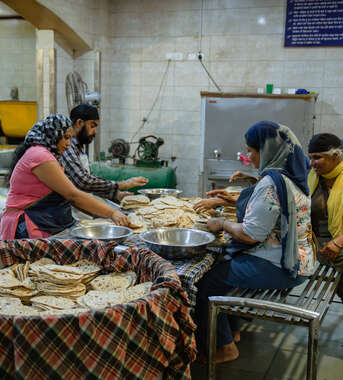
Locals making rotis.
Amy Holt is Communications Manager at Road Scholar, where she writes and edits stories about travel, learning and the people who bring both to life. She holds a master’s degree in English from the University of Maine, previously taught college composition and is the author of “The Herbal Goddess Guide”.