
The Grand Ole Opry at 100: Still Going Strong!
- Road Scholar Nancy Monson details some of the history of the Grand Ole Opry music venue and other sites that Road Scholars might discover in Nashville.
- Amongst that history are stories about the Ryman Auditorium, original home of the Grand Ole Opry live radio show, and the many museums of music that Nashville holds.
- Each show includes multiple acts, something that sets the Opry apart, and previous performers have included Dolly Parton, Elvis Presley and Johnny Cash.
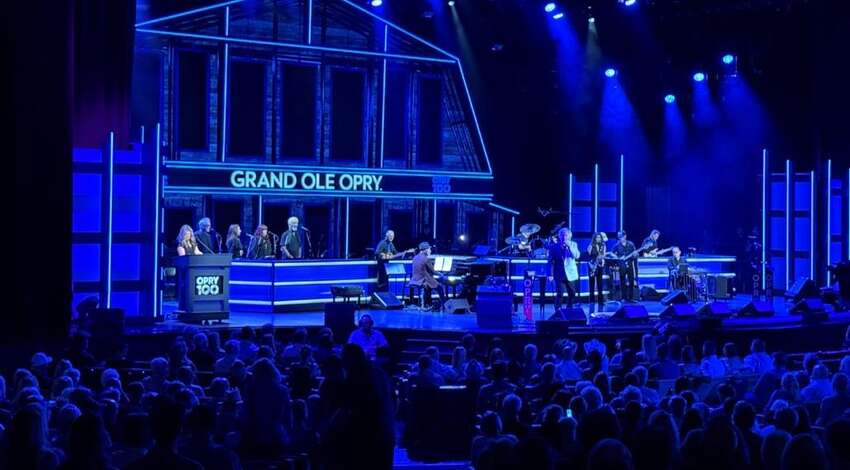
As I walk into the Grand Ole Opry just outside of Nashville, Tennessee, I feel a wave of nostalgia and country music history wash over me. Nashville boasts over 250 live music venues, but none are more iconic than the Grand Ole Opry. That’s a major reason why the Opry is a highlight of popular Road Scholar programs, such as Signature City Nashville and Music Cities USA: Nashville to Memphis.
Country singer Brad Paisley explains the appeal of the Grand Ole Opry this way: “Pilgrims travel to Jerusalem to see the Holy Land, and the foundations of their faith. People go to Washington, D.C. to see the workings of government, and the foundation of our country. And fans flock to Nashville to see the foundation of country music, the Grand Ole Opry.”
Now 100 years strong, the Opry has been showcasing country music performers since way back in 1925. And while it may feel like you’re entering a modern concert venue from the exterior of the building, the interior reads like a traditional country music auditorium. Somehow, the Opry folks have managed to meld the old and the new into one venue.
The Ryman Auditorium
The current home of the Grand Ole Opry live radio show is not where the esteemed show began, however. Up until 1974, the show was performed at the Ryman Auditorium in downtown Nashville. Just around the block from the famed Honky Tonk Row (Lower Broadway), lined with bars offering live music both day and night, the Ryman has amazing acoustics and is now used for many other types of music events. Country music greats like Taylor Swift, Garth Brooks, Dolly Parton, Patsy Cline, Elvis Presley and Johnny Cash have all performed there, but so have Charlie Chaplin, Harry Houdini and many other renown artists. Occasionally, the Opry show comes back to visit, too.
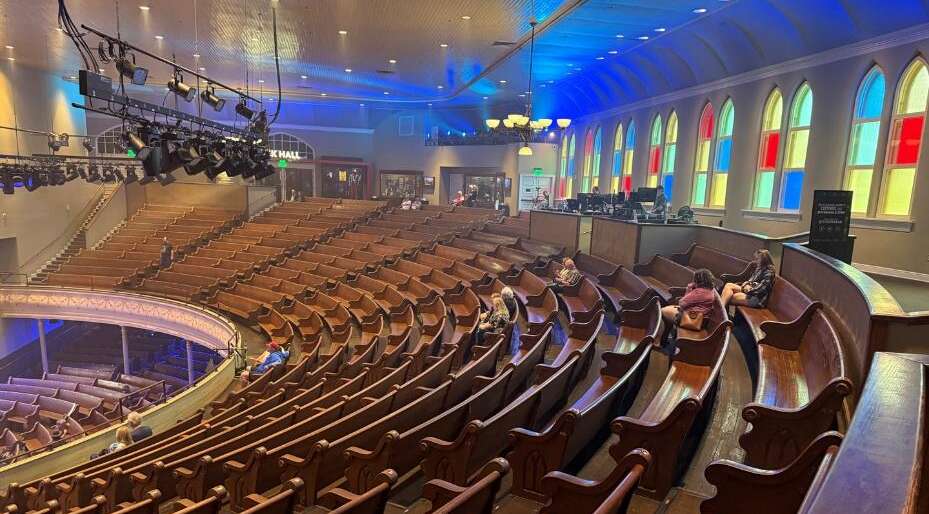
The church pews in the interior of the Ryman Auditorium.
The Ryman is often called the “Mother Church of Country Music.” Seats are actual wooden church pews that are set in a large semi-circle around the stage.
So why did the Opry move to the suburbs of Nashville? One reason: To gain more seats. (4,400 if you’re counting!) The seats still look like church pews but are padded and more comfortable. Another reason: to add air conditioning. A key feature of the new stage is a large wooden circle cut from the Ryman’s stage to bring along the storied history of the Opry into the newer building.
The Ryman was entered onto the National Register of Historic Places in 1971. A highlight of a visit to the Ryman is a film detailing its history, featuring performers like Sheryl Crow and Vince Gill.
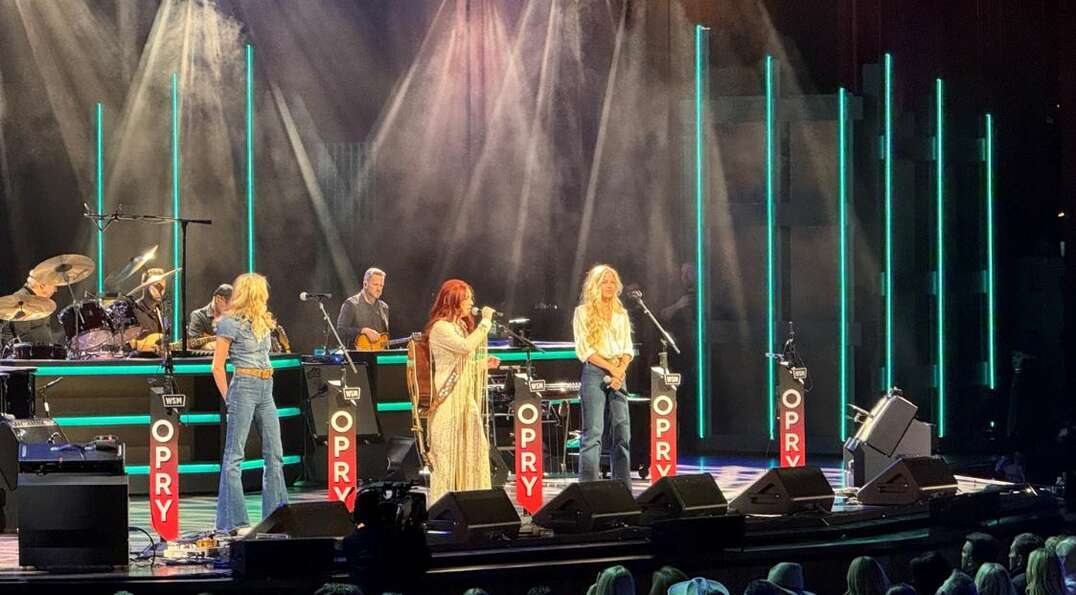
The I'm with Her trio performing at the Grand Ole Opry.
The Opry Radio Show
The Opry runs several times a week and is broadcast as a live radio show on WSM-AM as well as an in-person show. In fact, it’s been broadcasting for over 5,000 consecutive Saturday nights, plus Friday nights and on some Tuesdays and Wednesdays, too. Today, you can also tune in on the Opry’s Facebook and YouTube channels and Sirius XM radio.
The show has an unusual format for a music venue: There are always multiple acts (eight on the night I visited!), each performing three to four songs — and that includes heavy hitters like Carrie Underwood — plus an announcer. TV monitors are placed all around the auditorium so you can see the performers up close even if you’re far away.
The show clocks in at two hours plus a 20-minute intermission, and there are even live commercial announcements.
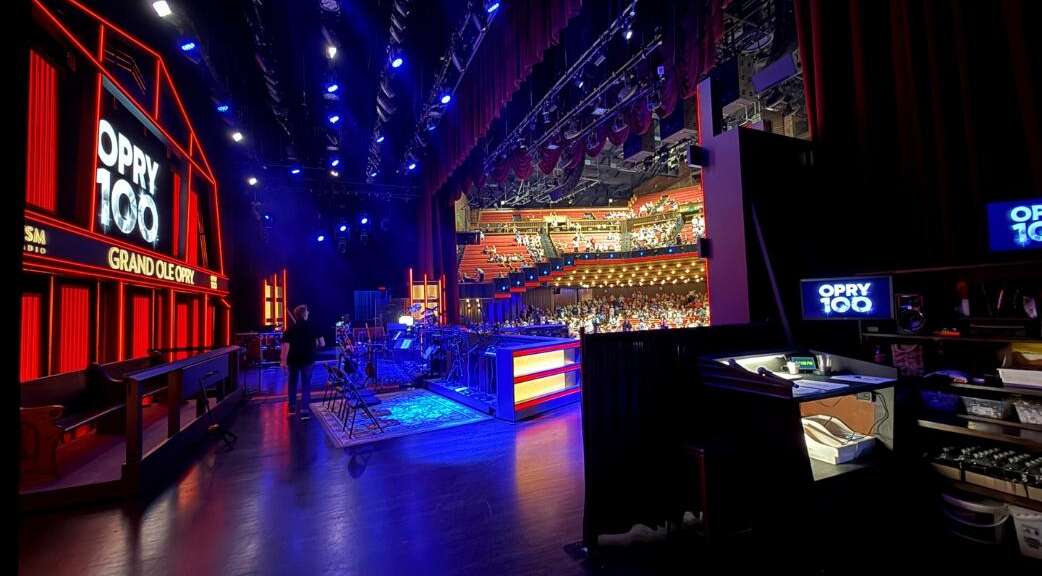
The view from backstage at the Grand Ole Opry.
Backstage at the Opry
Another highlight of Road Scholar programs in Nashville is the chance to go backstage at both the Ryman Auditorium and the Grand Ole Opry.
At the Opry house, you get a glimpse of where the performers hang out before and after they’re on stage and see the stage from the performers’ vantage point.
There are currently 239 members of the Opry, ranging from traditional country performers like Loretta Lynn, George Jones and Tammy Wynette to more recent inductees like Blake Shelton, the band Lady A and Lainey Wilson. Membership means a country music performer has reached the pinnacle of their profession and can perform at the Opry whenever they wish. Other performers appear after being invited by the Opry management team.
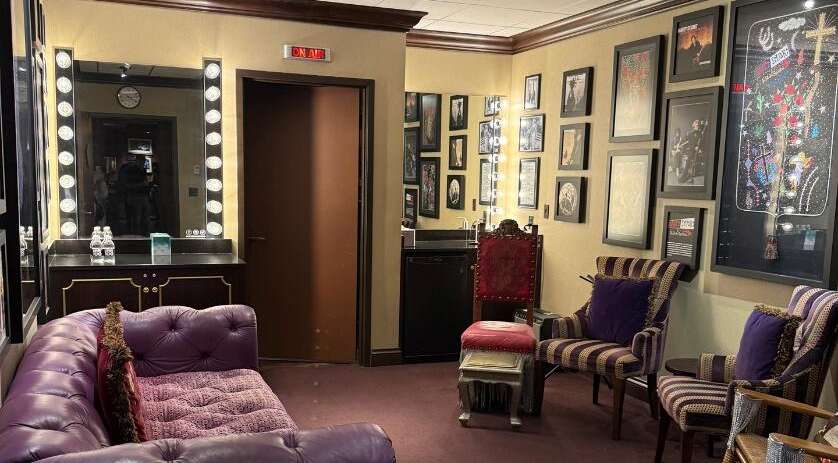
A dressing room at the Grand Ole Opry.
Explore Music History at Museums
Nashville has more music museums than any other destination in the world, so in addition to hearing live music, you will want to experience at least one of the many excellent museums. There’s the Country Music Hall of Fame, of course, which celebrates the origins of the genre. Recent special exhibits have focused on Dolly Parton, Taylor Swift and Lainey Wilson.
One of the newest and most innovative museums is the National Museum of African American Music, where you can both listen to tracks and download them to create a personal playlist that is then emailed to you. You can also visit RCA Studio B, where Elvis recorded many of his hit songs and get a photo at the piano he used to play there.
Wherever you turn in Nashville, music will be at the forefront. The town must live up to its name “Music City USA” after all!

Nancy Monson is a travel writer, artist and health and creativity coach who frequently writes about travel, wellness and creativity. She is the author of “Craft to Heal: Soothing Your Soul with Sewing, Painting, and Other Pastimes.”