
Road Scholar Lecturers Tell All

On an education-intensive trip like Road Scholar’s Floating Campus, the onboard lecturers are key to making it a success. After all, a Floating Campus offers a study abroad-type experience — on an ocean voyage to some of the world’s most storied waterways. Think college campus at sea, but for lifelong learners with wanderlust. Expert lecturers do so much to bring the destinations to life.
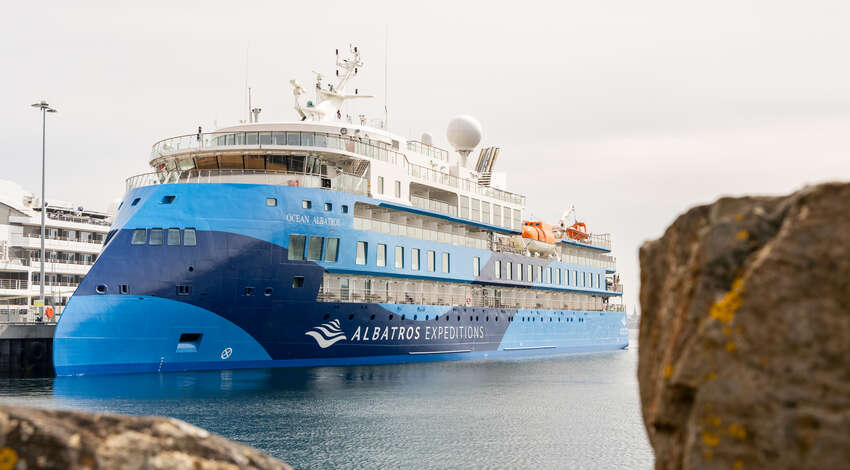
The Ocean Albatros
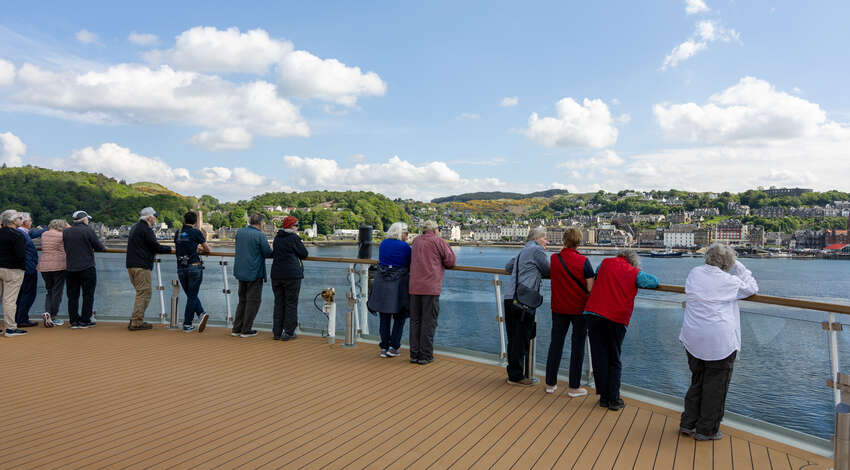
On a recent 12-day Floating Campus journey to the “Hidden Coasts of Scotland,” the two onboard instructors shared their insights and knowledge about the country on topics from Scottish history and language to archaeology and literature.
Here they share their observations about this sailing adventure with Road Scholar.
Donna Heddle
The Director of the Institute for Northern Studies at University of the Highlands and Islands in Orkney, Scotland, Donna Heddle is also head of university research and culture. An avid linguist, she speaks English, Gaelic, French, German, Italian, Icelandic, Danish, Swedish and Norwegian. Although she’s lectured on other ships, this was her first time on a Road Scholar learning adventure.
What is your goal with each lecture?
Telling people about Scotland, the true facts, something that touches them. I think it’s good to give people an overview. It’s like having a Christmas tree, somewhere to hang things.
What makes a successful teacher?
Someone who is enthusiastic about the subject. You have to make sure it fits the audience, so you’re not boring and so your talk is well structured. Find something that people can respond to, for example, having them say a few words in the language. If you’re not enthusiastic, you won’t inspire others. I just love talking about Scotland.
How do you bring the topic to life?
Through connection. Make people see we’re all part of a chain. It’s a taut chain. This is lived experience and it’s part of them. It’s not just dry old stuff.
I like languages. You have to understand the purpose of language. If you speak a number of them, you take on different personalities. In Gaelic, for example, there are no words for “yes” or “no.” (You have to refer back to the question to answer.) I’m more passive in Gaelic, I’m more aggressive in French. Swedes and Finns do not do small talk at all. English speakers feel they have to fill the gap of silence, but not so in Scandinavia.
What do you enjoy most about being a lecturer?
I enjoy helping people understand a place. It’s important to get a sense of the landscape. We’ve always welcomed immigration in Scotland. It’s a different mindset, more attuned to the Nordic idea of democracy and community.
How do Road Scholars compare to other groups in their interest in the lectures?
Road Scholar participants are ready and eager to learn. It’s a very good program Road Scholar has put together. With other groups, they have more interest in being entertained. They’re there for a good time. But Road Scholar participants come with an express desire to learn something.
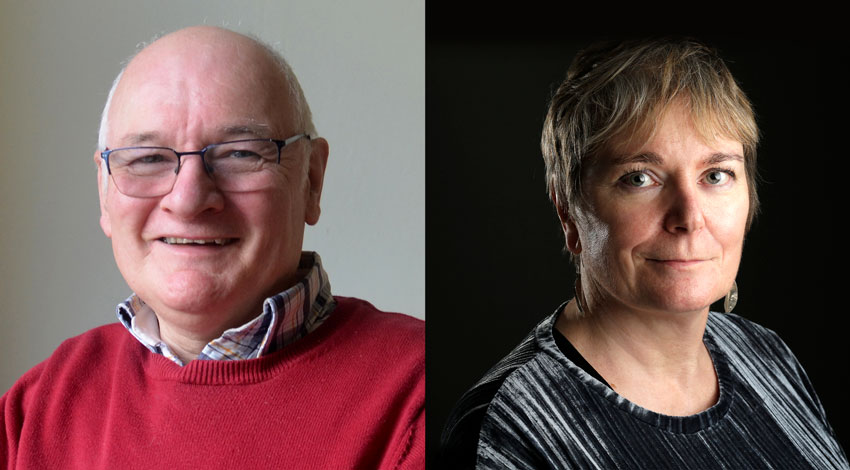
Steve Ragnall and Donna Heddle
Steve Ragnall
A British banking official for 25 years, Steve Ragnall took early retirement at age 45 so he could pursue his passion for maritime history. He wrote a biography of Captain James Cook and began lecturing on cruise ships, which he’s done for about 20 years. He’s also interested in archaeology, particularly Neolithic history as the start of modern life, and he lectures on both maritime and Neolithic history.
What is your goal with each lecture?
I want my lectures to be entertaining as well as informative. Like any historian, I want to be as accurate as possible. I do a lot of research. You can’t just read one history book and write a talk. You’ve got to look at several sources.
What makes a successful lecturer?
There has to be a deep love of the subject and enthusiasm to put it in a way that will grab people. The way I try to put a talk together, I want it to come across like a TV documentary. I think of my talks as stories.
What do you do to bring the topic to life?
On the maritime side, I always try to see original documentation, because other sources are edited. I go to the National Maritime Museum in Greenwich, the British Museum in London and the Admiralty Library in Portsmouth (all in England) and even the National Maritime Museum in Amsterdam. Holding and reading original documents is a real thrill.
What do you enjoy most about being a lecturer?
It’s telling these amazing stories. So little of this is taught in school these days. The past is all around us and there are all these amazing stories.
How do Road Scholars compare to other groups in their interest in the lectures?
It’s a real pleasure and privilege to speak to Road Scholars because they already know something about the subject, so I don’t have to dumb it down. They want to listen and learn, which goes a long way. Yesterday was the most questions I’ve had on any ship. It became a real discussion.
Meet experts like Donna and Steve on Road Scholar’s Floating Campus adventures!
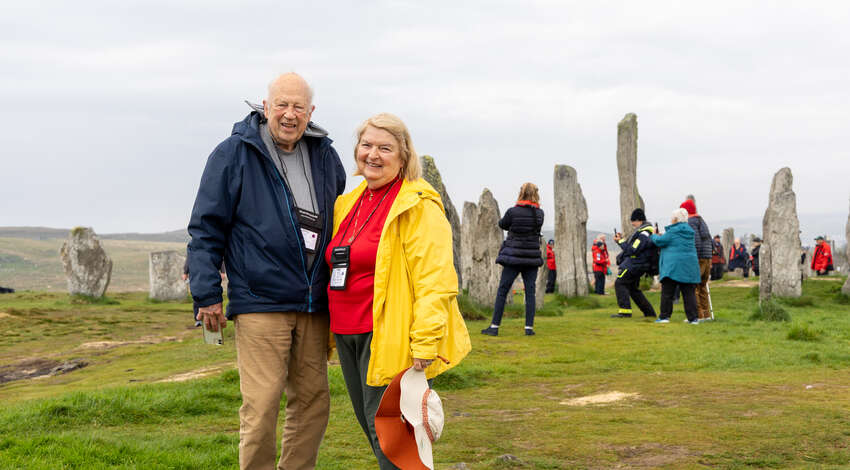
Participants at the Callanish Standing Stones
Veronica Stoddart is an award-winning editor, writer and content strategist who offers content marketing solutions to the travel industry. The former travel editor of USA TODAY, she’s a high-profile expert in travel and tourism. She's visited more than 110 countries on all seven continents, reporting from many of them, and has lived in Colombia and Niger.