
Honoring Caregivers: How a Caregiver Grant Made a Difference for Carol G.

- Read about the profound personal and professional sacrifices caregivers often make, leading to feelings of isolation, financial strain and a loss of identity, as seen in Carol's 11-year journey.
- The power of recognition is an important part of a Road Scholar Caregiver Grant. The grant is more than just financial aid; it's a vital form of recognition that helps caregivers feel seen, valued and appreciated after years of being invisible.
- This story shows that immersive educational experiences and a welcoming community can be powerful tools for healing, allowing a former caregiver to reconnect with themselves, engage their mind, and form new, meaningful friendships.
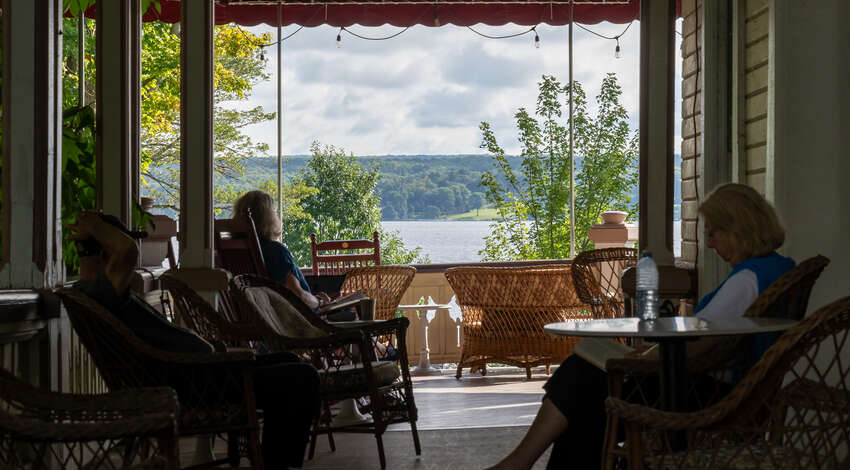
Today, National Caregivers Day, we take a moment to honor the millions of people whose days are shaped by devotion, patience and quiet strength — caregivers whose love and labor so often unfold beyond the spotlight. Carol G., a Road Scholar Caregiver Grant recipient from upstate New York, is one of them. Her story reminds us that learning and exploration offer more than knowledge or travel; they can restore a sense of connection, dignity and the simple, powerful feeling of being seen.
Eleven Years of Love: A Caregiver’s Quiet Resilience
For 11 years, Carol was the sole caregiver for her husband, Raul, as he lived with early-onset dementia and significant cognitive impairment. She cared for him entirely at home, providing constant supervision and round-the-clock physical and cognitive support. The work was relentless and emotionally taxing, marked by the quiet heartbreak of watching the person she loved slowly change. Through it all, Carol met each day with devotion, resilience and deep, enduring love.
When Roles Shift: From Professional to Caregiver
As Raul’s disease progressed, Carol was forced to make profound changes to her life. She retired early from a 20-year career as a licensed clinical social worker specializing in psychosocial oncology. Errands, appointments, social events and even visitors became impossible. Carol and Raul didn’t qualify for In-home assistance, and paying privately for help strained their finances. Eventually, Carol had to sell their home when it became too difficult — and unsafe — to maintain.
“There’s very little help available and very little acknowledgment that you’re working as hard as you possibly can,” says Carol. “Over time, I got used to the fact that we didn’t count, we were invisible.”
Before becoming a full-time caregiver, Carol ran support groups for the Muscular Dystrophy Association and maintained a private practice. Ironically, the very skills she once offered others became impossible to use as caregiving consumed every hour of her life.
When Raul passed away in January 2024, Carol was left not only with grief, but with trauma, financial uncertainty and a deep sense of disconnection from the person she once was. “There was nothing to look forward to,” she recalls. “I needed something — anything — that felt like a step forward.”
Discovering Road Scholar’s Caregiver Grant
Carol first learned about Road Scholar’s Caregiver Grant in January 2025 through an Alzheimer’s support group. Another member mentioned he had received a grant himself — and encouraged her to apply. Without that conversation, Carol says, she would have missed an extraordinary opportunity.
When she was awarded a scholarship to attend Foreign Policy in Chautauqua With the American Foreign Service at the Chautauqua Institution in June 2025, the feeling was immediate and profound. “The Caregiver Grant was an affirmation and a recognition of the role of caregivers, which is so often overlooked,” she says. “I felt visible and appreciated.” And the grant gave her something to look forward to and the sense of moving on, a little bit, that she needed.

Athenaeum Hotel, Chautauqua Institution
Chautauqua: A Place to Reconnect
In June 2025, Carol arrived at the idyllic Chautauqua Institution in New York — a lakeside community steeped in culture, learning and history. This particular week was exclusively for Road Scholars, creating an intimate, welcoming environment with about 80 participants, presenters and staff sharing meals, lectures and conversation.
“There was no hierarchy,” Carol recalls. “Ambassadors, delegates, presenters — we all sat together. We shared meals, opinions and informal conversations. That kind of acceptance and inclusivity is very special, especially when you’re shy and introverted.”
Days were filled with expert-led lectures on foreign affairs, enriched by thoughtful discussion that continued over breakfast, on the porch overlooking the lake, and well into the evenings. Nights brought performances, music and even a dance company rehearsing on site.
“The learning didn’t stop when the lectures ended,” Carol says. “I learned just as much sitting at the table as I did in the auditorium.”
Carol appreciated how open and outgoing everyone was. “Everyone went out of their way to be kind and respectful and engage in conversation. If there was a discussion, you were immediately welcomed into it. They wanted more people, it was very inclusive,” she says.
Friendship, Kindness and a Sense of Belonging
One of the most meaningful parts of the week was the connection Carol formed with fellow participant Ellen from Pittsburgh. What began as a simple conversation on the porch quickly became a deep friendship — one that made the entire experience feel less intimidating and far more joyful.
“We were inseparable,” Carol says. “Saving seats for each other, laughing, learning together. That connection meant more than I can put into words.” Carol is making plans to visit Ellen this year.
More Than Just a Week Away
For Carol, the Caregiver Grant offered more than a beautiful setting or stimulating lectures. It offered healing. She appreciated having a single room — space to recharge after long, stimulating days. “You’re surrounded by brilliant, compassionate people,” she explains. “But after years of caregiving, having quiet time to yourself is essential.”
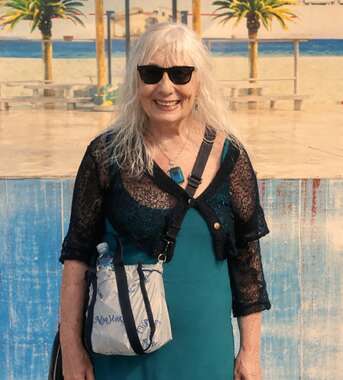
Carol G.
“The ability to reconnect with myself — and be reassured I was still there — was extraordinary,” reflects Carol. “The way I felt about myself in the company of decent, caring people, and the joy my family felt knowing I was included. That was a gift.”
Living on Social Security after years without income, Carol says the generosity of Road Scholar donors gave her something she could never have afforded on her own: beauty, culture, community and hope. “The week at Chautauqua will always remain a beautiful and outstanding memory,” she says. “It was beyond anything I could have imagined.”
Looking Ahead with Gratitude
Today, Carol remains deeply grateful — and eager to give back. “If someone hadn’t told me about this grant, I would have missed a wonderful opportunity,” she says. “That’s why it’s important to share these stories.”
She hopes one day to contribute so another caregiver can feel what she felt: seen, valued and welcomed back into the world. “The scholarship and the generosity and compassion of the donors meant more than you can know,” says Carol.
Today, National Caregivers Day, Carol’s story reminds us that supporting caregivers isn’t just about respite — it’s about recognition, dignity and the power of learning to help someone rediscover themselves.