Rhodes: An Island Where Mythology Comes to Life

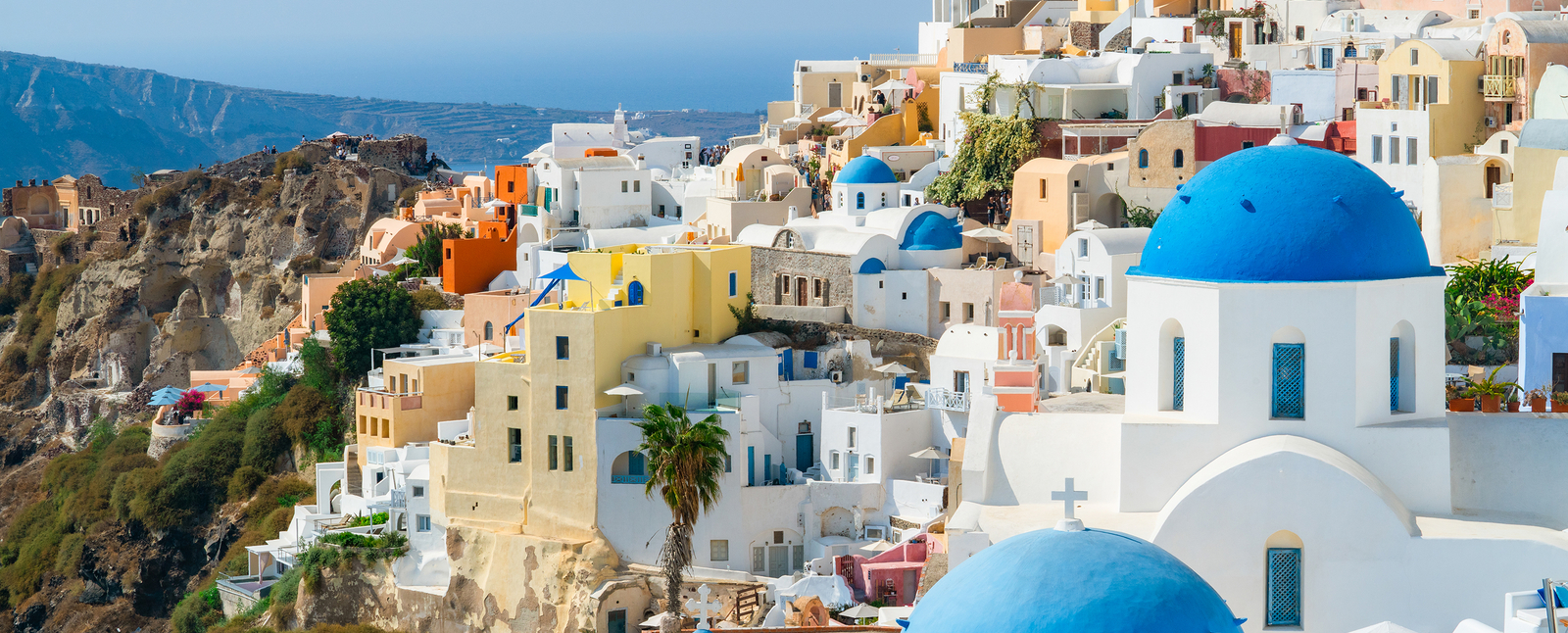
- Greece, our 2026 Campus of the Year, is a country rich in history and legends. The island of Rhodes is a great example.
- According to mythology, Rhodes was the island of the sun god Helios and named for his wife, Rhodos. Other cities on the island were named for their grandsons.
- These mythical places are still fascinating settings for learning today — join us on a learning adventure in Rhodes and discover where mythology and history intersect!
If you visit Greece, our 2026 Campus of the Year, you may notice that many of its cities and islands are tied to famous Greek myths. Rhodes is one of them, with stories of gods and legendary figures woven into the island’s very name and many of the places you can still explore today.
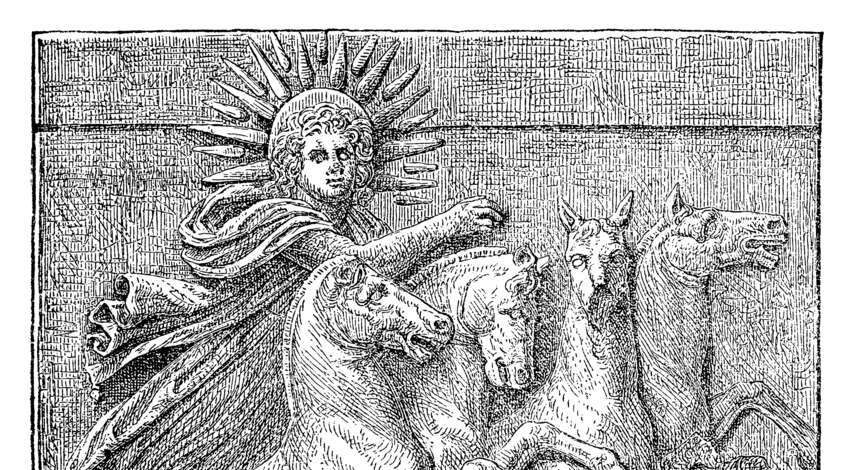
According to Greek mythology, once the Olympians had defeated the Titans, the world was divided up among the gods by Zeus. However, one god was missing — Helios, the sun god, who was busy driving his chariot across the sky. Upon his return, Helios was granted a new island that was just rising from the sea. Helios also fell in love with the nymph Rhodos, and their children would mark the divine beginnings of the inhabitants of the island.
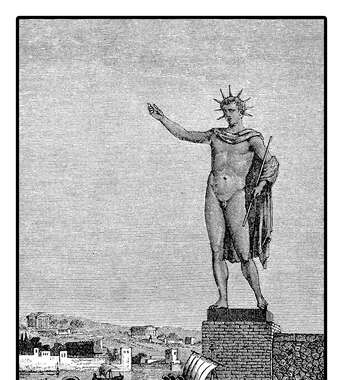
These mythological figures still leave their mark on Rhodes today, especially in the names of places across the island. The most obvious example is Rhodos, where the name of Rhodes originated. According to the myths, the couple’s grandchildren, Lindos, Ialysos and Kamiros, were the founders and namesakes of three of Rhodes’ ancient city-states. Another famous figure from the island’s mythology and history is the Colossus of Rhodes. One of the Seven Wonders of the Ancient World, this statue of Helios was said to have stood surveying the harbor — and this ancient Greek god still lends his influence to Rhodes’ nickname, “The Island of the Sun.”
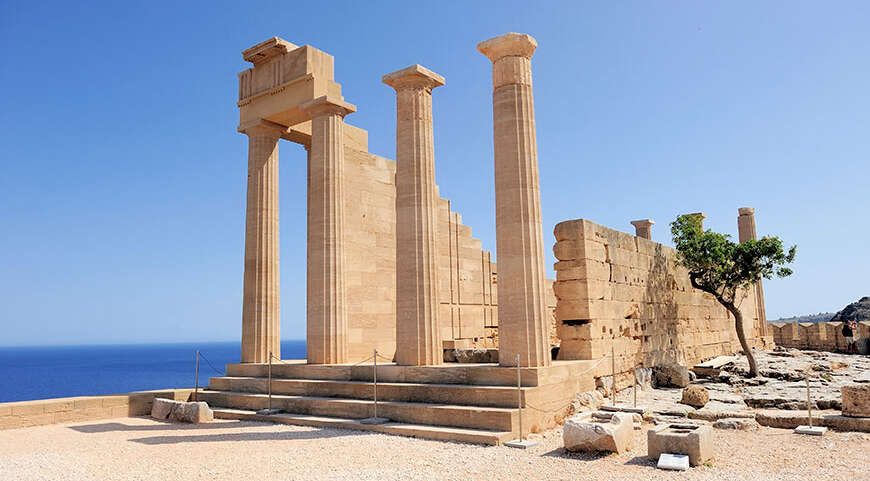
While the Colossus no longer stands, Rhodes is just as alive and vibrant today as it was in ancient times, and many of these mythological names still ring out across the island. For example, you can walk the streets of Lindos and visit its acropolis. Here, the Doric temple of Athena looks out over the blue waters of the Mediterranean, offering another connection to the island’s mythology. Or explore the archaeological site of Kamiros, uncovered in 1859 and spanning grand buildings, temples and private residences. Of course, no modern-day visit would be complete without experiencing the Old City of Rhodes, a UNESCO World Heritage Site, where antiquity gives way to fascinating medieval architecture.
If exploring places where myth and history still meet sounds like your kind of adventure, Rhodes awaits as part of our 2026 Campus of the Year.