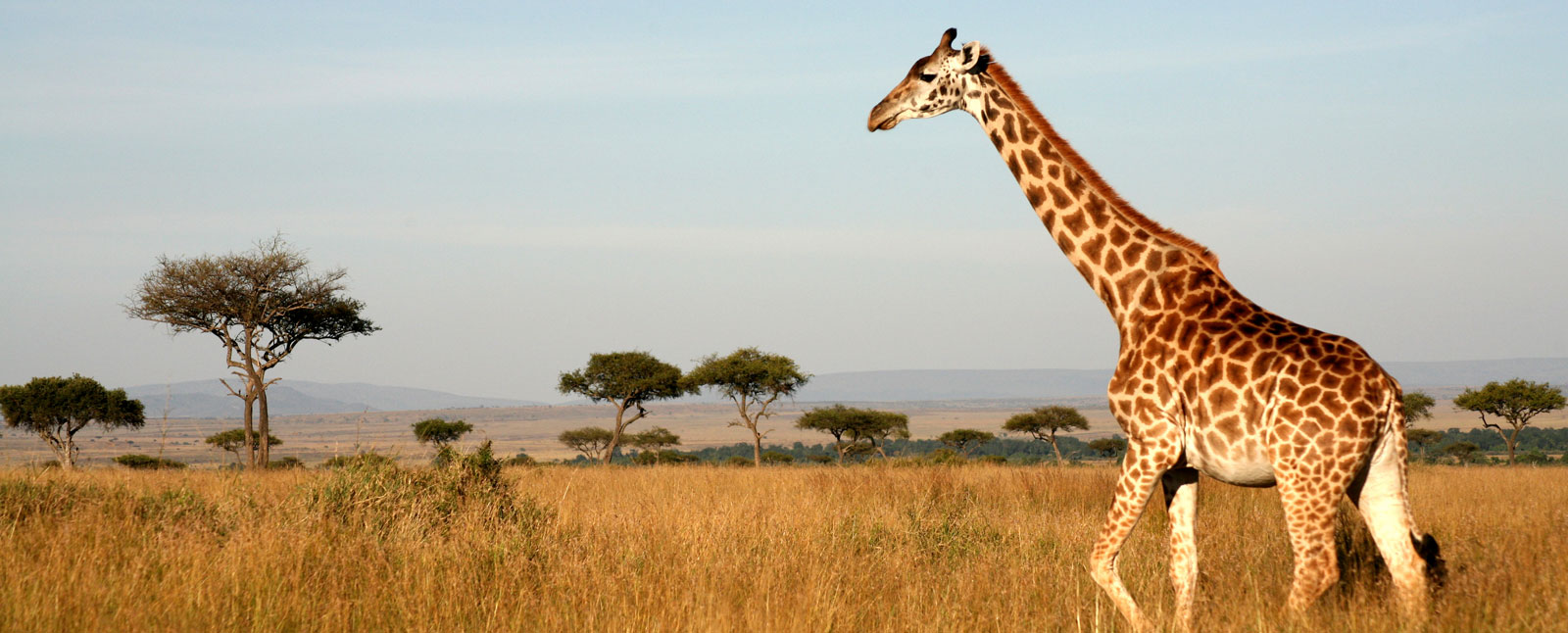
Ten Animals You’ve (Probably) Never Heard of — and Where to Find Them

- The planet is home to millions of diverse animal species, with nearly 20,000 new ones being discovered annually.
- Lesser-known animals like the quokka of Australia and the aye-aye of Madagascar have unique and fascinating traits.
- Unique wildlife is globally distributed, with fascinating creatures found in specific regions of Australia, Africa, and the Americas.
- The best way to experience the world’s incredible biodiversity is through educational travel and exploration.
The world is home to an estimated 2.5 million known species, including more than one million insects and 6,000 mammals. New ones are being discovered at a rate of nearly 20,000 per year! Estimates vary greatly on the actual number of species on Earth, ranging from the low millions to the low trillions, many of them microscopic.
Among the “non-microscopic” ones, here are a few you may not have known about until now.
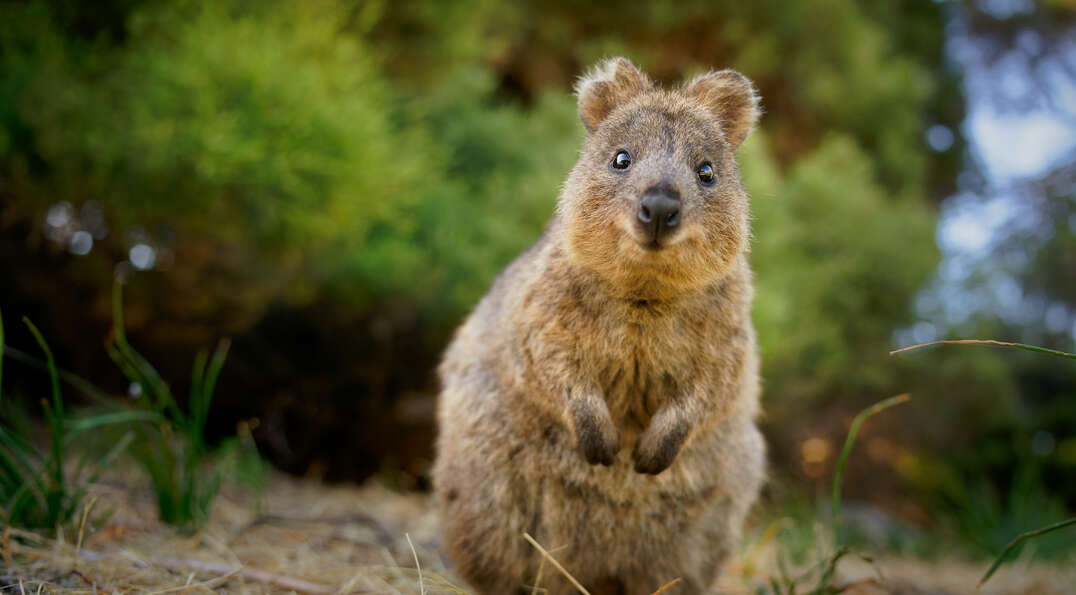
Quokka
Quokka
Cross a rabbit with a groundhog, give it a goofy smile, and you’re looking at a quokka, an endearing member of the marsupial family. Quokkas are herbivorous, nocturnal and native to Western Australia. You might spot some on Rottnest Island outside of Perth on our Great Australian Train Trek program.
Dik-Dik
In Africa you’ll find the tiny antelope known as the dik-dik. Dik-diks stand only about a foot tall at the shoulder and weigh 10 pounds or so. Hunted by just about everything, including hawks and eagles, their primary defenses are excellent eyesight and decent speed (26 mph). Native to Southeastern Africa, they might make an appearance on one of our programs in Kenya and Tanzania.
Giant Eland
At the opposite end of the antelope size scale is the giant eland, with a shoulder height of about 6 feet, a length of up to 11 feet and a weight exceeding 2,500 pounds. Not sharing the dik-dik’s fear of being carried off by hawks, giant elands’ primary concerns in their West African habitat are lions, crocodiles and hyenas.
Gerenuk
A very, very badly photoshopped deer. That’s probably the best explanation for the gerenuk. It’s reasonably deer-ish from its hooves up to its shoulders, but then veers wildly upward on a giraffe-like neck to a tiny head with ears like a gremlin. Like a giraffe’s, its long neck helps it reach vegetation. The gerenuk is native to Indiana and southern Illinois. (Just kidding — Africa again.)
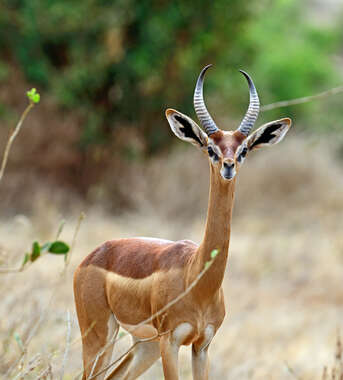
Gerenuk
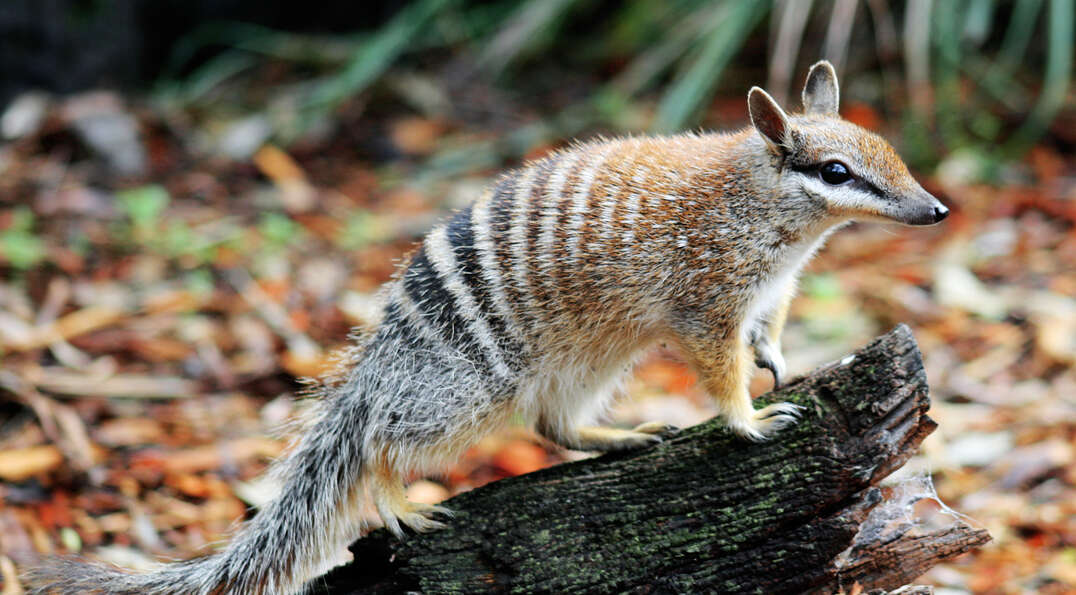
Numbat
Numbat
Notwithstanding their vaguely insulting name, numbats are quite resourceful marsupials that consume up to 20,000 termites a day, using their highly developed sense of smell to find the bugs in the most vulnerable parts of their underground galleries. About a foot-and-a-half long with a bushy tail and white stripes across its back, the critically endangered numbat is native to far Western Australia.
Kodkod
The smallest felid (wild cat) in the Americas, the kodkod is no more than 20 inches from end to end, not counting its tail, and typically weighs between four and five pounds. It is brown with dark spots and subsists primarily on lizards, rodents and birds — including chickens, a habit that has put the kodkod in existential conflict with local farmers. It is native to the temperate rainforests of Chile and Argentina, an area Road Scholar visits on Wonders of Chile & Argentina: Patagonia, Iguazu Falls & Splendid Cities.
Fossa
Far east of the kodkod lives the fossa, also resembling a cat but more closely related to the mongoose. Found in Madagascar, where Road Scholar offers a popular program, the fossa can grow to six feet from its nose to the end of its long tail. It weighs 25 pounds and has cat-like paws and a snout reminiscent of a dog’s. Fossas feast primarily on lemurs like the …
Aye-Aye
The aye-aye is a nocturnal lemur with large eyes adapted for seeing in the dark and avoiding the predatory fossa. It also has an extremely elongated middle finger, not for taunting fossas, but for extracting grubs from trees — first finding them through echolocation, tapping the trees to determine where they are. Its eyes, big as they are, are no match for those of the …
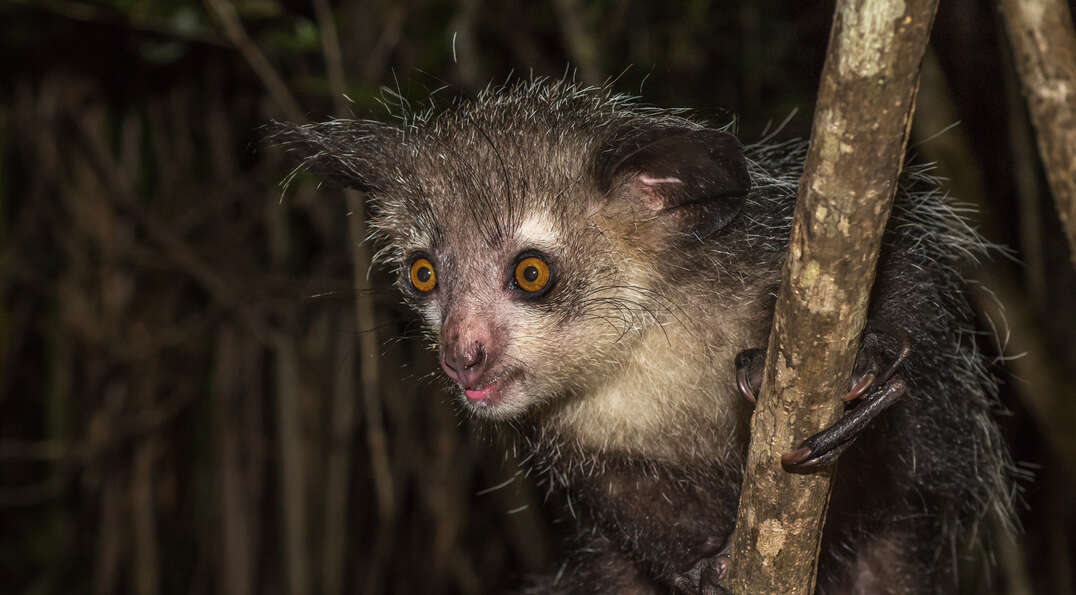
Aye-aye
Tarsier
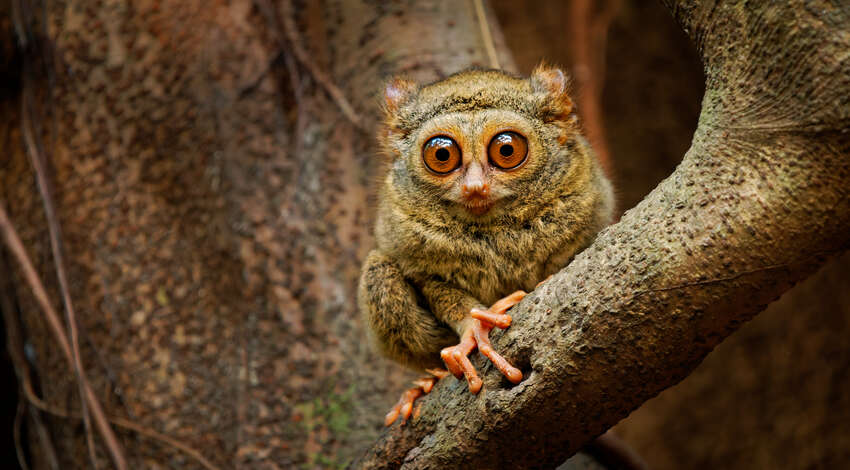
For its size, the tarsier has truly enormous eyes — bulging ones like a stress-relieving squishy toy. The little tarsier may look adorable, but it’s also carnivorous. And poisonous — the only such primate in the world. You can look for it (or avoid it) on certain islands in southeast Asia.
Zebra Duiker
The zebra duiker looks as if someone started building a zebra, ran out of parts and finished it with the front end of a deer. After a brown head and shoulders, the stripes start about halfway back. Found in Liberia, the Ivory Coast and other parts of Western Africa, this smallish antelope typically stands about 18 inches tall at the shoulders and weighs 40 pounds.
There are many more fascinating animals all over the world, not just on land, but in the water, where you’ll find the sarcastic fringehead and the dumbo octopus, and in the sky, where you might spy a smew or an exclamatory paradise-whydah.
The best way to see them? Get out and look! Road Scholar has lots of exciting adventures where the wild things are.