
Do it for Dolly: Why Caregivers Need to Take Care of Their Own Health First
- Dolly Parton was a caregiver for her husband Carl Dean and neglected her own health while caring for him.
- Caregiving burnout frequently leads to personal health neglect, with CDC data showing 1 in 5 caregivers report fair or poor health.
- Routine checkups, mental health support, and timely medical care are essential safeguards rather than selfish distractions.
- Dedicated respite opportunities, such as Road Scholar Caregiver Grants, provide vital rest and renewal for dedicated family caregivers
When the news announced that Dolly Parton had died, it felt like a little bit of sparkle had also left the world. Dolly was fun — her charm could win anyone over and her stage presence was something for young performers to watch and stand in awe. She was kind. She seemed to care about people. She was as American as apple pie. She was our Dolly.
Dolly Parton Was a Caregiver
While we knew her as a singer, a theme-park owner, a proud American and philanthropist, we heard very little of her caregiving duties. Her husband, Carl Dean, died in March 2025 from an undisclosed illness, having been sick for some time. In October 2025, Dolly released a statement about her own health that many caregivers can certainly relate to.
“Back when my husband Carl was sick — that was a long time — and then he passed … I didn’t take care of myself. So I let a lot of things go that I should have been taking care of.”
Dolly Parton was a woman of means. She could have had any checkups or procedures she needed at any time, if it was merely a matter of money or health insurance. (She was famous for joking about the number of plastic surgeries she’d had, so she certainly wasn’t afraid to go to a doctor!) If anything, Dolly’s experience proves that the real toll on caregivers is an emotional one — a hyperfocus on our loved one who is in need of care and feeling that our own needs aren’t important. It’s depression and exhaustion, and a feeling that we can get to our own issues later.
Caregiving Burnout Leads to Personal Neglect
I’ve seen this before — so many times — with people in my life, as I’m sure you have, too. Friends and family who are completely burned out from caregiving duties but dutifully took care of their loved one, only to neglect their own needs. As caregivers we understand that when you are in the thick of it, caregiving takes it all. Dolly famously sang about “Workin’ 9 to 5,” and the sentiment is very similar — only in this case, it’s “Caregivin’, 24/7.”
According to a report by the Centers for Disease Control called “Caregiving for Family and Friends — A Public Health Issue,” one in five caregivers lists their own health as “fair or poor,” while two out of five caregivers have their own chronic medical conditions. Almost 40% of caregivers report getting insufficient sleep. Nearly 15% of caregivers reported more than 14 days in the past month where they struggled with their mental health.
And yet, the report also states that “Over half (53%) of caregivers indicated that a decline in their health compromises their ability to provide care.”
How Am I Supposed to Do It All?
This is when the caregiver in us starts to rebel though, isn’t it? When am I supposed to make the time for another doctor’s appointment for me when my loved one has so many? How am I supposed to find someone to take care of them while I’m having a test done? Telling my loved one that I need a medical procedure is going to stress them out — can I really put that on them?
But friends, we can’t put it off. If you’re having frequent headaches, don’t just assume they’re just stress. The same with gastric distress, or chronic pain. Our bodies send out flares when something is going on — and it’s not something we can always write off as wear and tear from daily life and caregiving.
I recently had my annual physical and was surprised to see a poster on the door of the exam room that asked, “Are you a caregiver?” When my physician entered the room, I inquired about it and told her that I am a caregiver. Her response? “It’s an exhausting job and people forget to take care of themselves. That’s why we need to know.”
Even Dolly struggled with this. Even with her means and staff and many people who undoubtedly helped her, she forgot herself. And that’s where we need to make sure our journey takes a different path.
Put On Your Oxygen Mask First
One of the first things you’re instructed to do when you board a plane is to put your own oxygen mask first in case of an emergency — then help another person. Caregiving is no different. It’s a journey that can be long and difficult, and you will absolutely need to make sure you have your own air to breathe before you can even think of your loved one.
Go to the doctor and get that checkup that you have been putting off. Get outside for a bit and take a deep breath. Listen to music (for the sake of this conversation, I recommend some of Dolly Parton’s Greatest Hits). Take advantage of help when you can or find opportunities for respite like the Road Scholar Caregiver Grants. Talk to others who are going through the same thing, like folks on the Road Scholar Caregiver Group on Facebook.
Do it for your loved one who needs you at your best. Or maybe do it for Dolly, who inspired so many with her music and her coat of many colors. But ultimately, do it for yourself — because you need your oxygen first — and that is by no means a selfish thing to ask for.
Resources:
https://apnews.com/article/dolly-parton-death-country-icon-87156f3e6a1547b88bf414529b644ad3
https://www.cdc.gov/healthy-aging-data/media/pdfs/caregiver-brief-508.pdf
https://time.com/article/2026/09/03/what-dolly-parton-said-in-her-last-interview-should-terrify-us/
https://www.pbs.org/newshour/arts/dolly-partons-greatest-songs-and-the-stories-behind-them
“One of the first things you’re instructed to do when you board a plane is to put your own oxygen mask first in case of an emergency — then help another person. Caregiving is no different.”

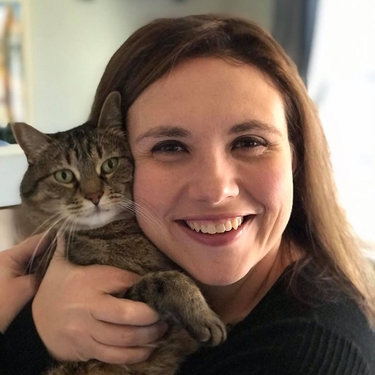
Erika Bouchard has been a writer and creative thinker at Road Scholar for more than 17 years. She lives in Massachusetts with her husband, mother and an incredibly spoiled tabby cat. When she’s not writing, you can find her somewhere in her gardens.