
10 Tips for Hiking Safely in National Parks

- The key to a successful hike? Preparation — in this blog, we break down some of our top tips for what to plan for, bring and expect on a hike in a national park.
- These tips include sharing your itinerary with a loved one, bringing a backpack with enough water and layers and leaving no trace on the trail.
- Your Road Scholar Group Leader will likely have additional tips and advice once you arrive for your national park learning adventure — get further insight from them and ask any questions before you head out.
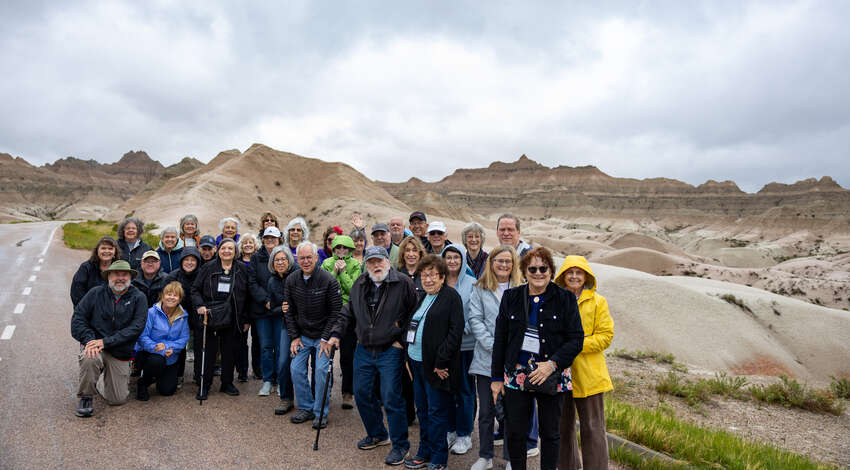
Stunning landscapes. Unique wildlife. Rich histories. All these factors make America’s national parks some of the country’s most popular settings. From Yosemite’s cascading waterfalls to the red rock walls of the Grand Canyon, some of the most memorable experiences begin on the trail.
Why Hiking Safely in National Parks Matters
Hiking in national parks offers opportunities to experience alpine trails, dense forests, desert canyons and coastal cliffs up close. But conditions can change quickly, from shifting weather and rugged terrain to unexpected wildlife encounters.
A little preparation goes a long way toward making your time on the trail a positive experience. Here are 10 tips to keep in mind before you reach the trailhead:
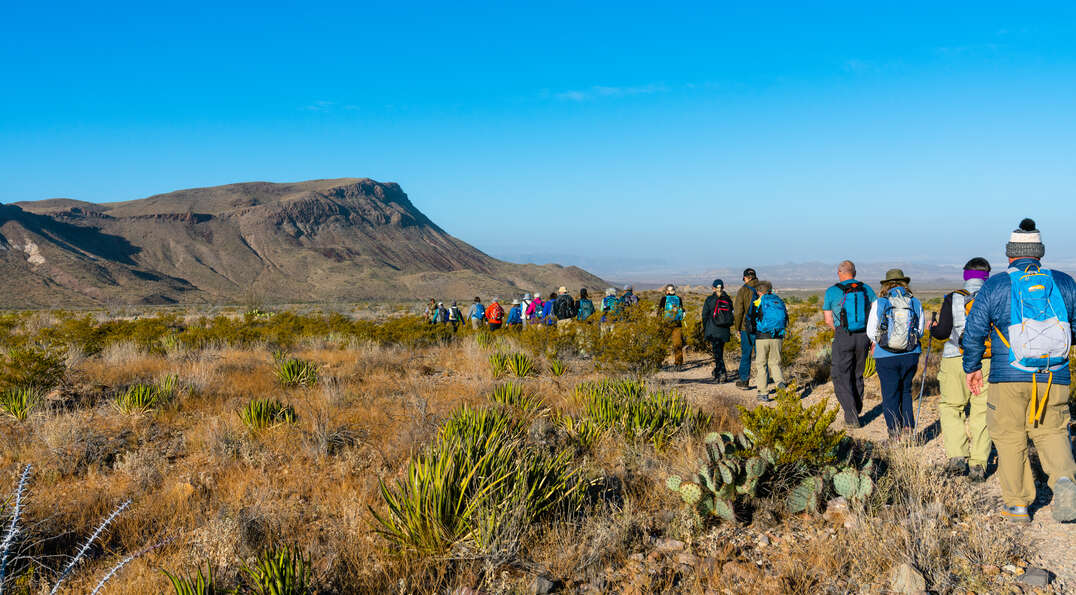
Big Bend National Park, Texas.
1. Plan Ahead
Research trails within the park and typical weather conditions for the time of year you plan to visit. Each national park issues alerts and trail warnings, so review your chosen park’s website before you travel. (If you’re hiking as part of a Road Scholar group, we do most of this planning for you.)
2. Share Your Itinerary
It’s a good idea to share your itinerary with a friend or family member. It should include your lodging plans, hiking routes with estimated return times and any other pertinent information. Road Scholars can print the itinerary that comes with your program materials to share with friends or family.
3. Stay on Marked Trails
Always follow marked paths to avoid getting lost and to prevent disturbing the environment. Your Group Leader will help you spot trail markers and other signs that will keep you on track during your hike.
4. Carry Navigation Equipment
Don’t rely solely on your phone to traverse the park, as the signal can be unreliable and the battery life may be limited. Instead, carry a physical map of the park or a GPS device with downloadable maps.
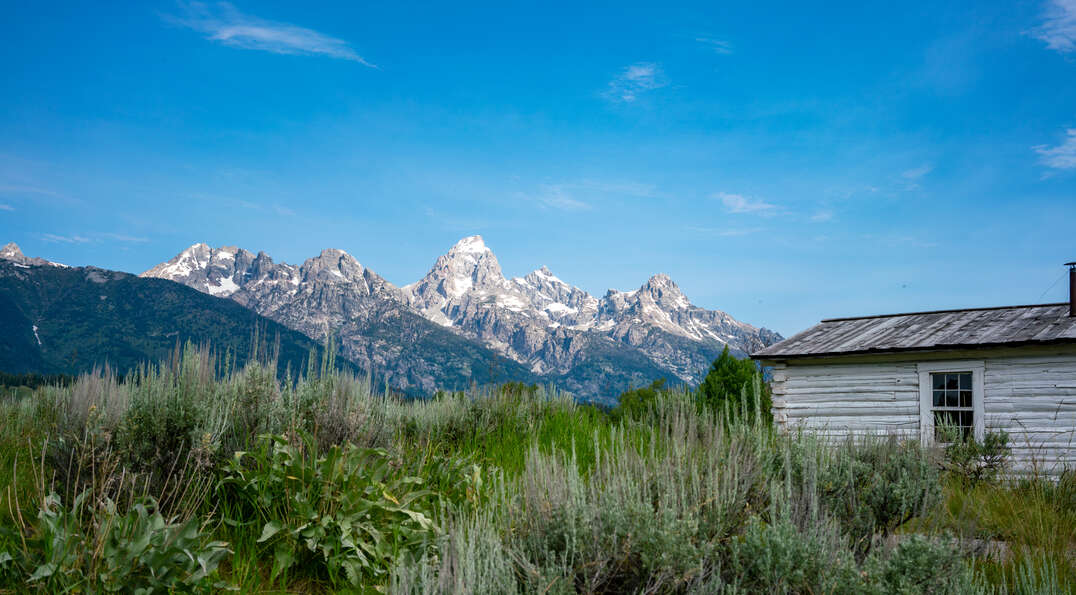
Grand Teton National Park, Wyoming.
5. Carry Enough Food and Water
Whenever hiking, it’s recommended to carry enough food and water to last an extra day. This is especially true when hiking national parks that are in hot or dry environments. A hydration pack with a water reservoir makes it easy to carry large volumes of water comfortably. Also, make sure to pack light, high-carb and protein snacks like trail mix and energy bars.
6. Pack Essential Supplies
An important hiking safety tip is to pack essential supplies such as a first aid kit, flashlight, multi-tool, emergency blanket and extra clothing. This way, you’ll be prepared for unexpected emergencies and changing weather conditions. Check with your Group Leader as well — often, they’ll have location-specific essentials, like bear spray or a more extensive first aid kit, that might be good to be aware of.
7. Dress Appropriately
When hiking in national parks, wear moisture-wicking layers and sturdy hiking boots that can handle the terrain and weather. Accessories like a hat, sunglasses and a neck gaiter can also help protect you from the elements. Your program materials might have some additional suggestions for what to pack for your specific location, like a light layer for high elevations.
8. Know Your Limits
As you prepare for a hiking program, it’s always important to be realistic with your current physical ability. Participants should review the program's Activity Level and physical requirements and choose an adventure appropriate for them. If you have questions about your individual circumstances, be sure to discuss them with a health professional.
9. Leave No Trace
Do your part to protect national parks and preserve them for others by packing out all trash and staying on designated paths. Before you head out, your Group Leader might have trail-specific recommendations for leaving no trace in the environment you’re exploring.
10. Do Not Approach or Touch Wildlife
Never get near wildlife, as even small birds and mammals can bite and carry disease. Be sure to follow the wildlife-distance guidance for the specific park you’re exploring and use the zoom feature on your camera if you’d like to get an up-close photo of any wildlife you see.
Ready to Hit the Trail?
Now, it’s time to find an adventure! At Road Scholar, we offer a wide range of national park programs, including walking and hiking adventures in parks like Acadia, Yellowstone, Zion and beyond. Our expert-led programs pair you with knowledgeable Group Leaders and instructors who help you learn about the landscapes you explore.
Lauren Briggs first discovered Road Scholar at the age of ten, when she embarked on a Grandparent Adventure with her grandfather. In 2022, she reconnected with the
organization and began writing for Road Scholar full-time. Lauren is especially passionate about sharing participant stories, including her own Road Scholar experiences in South Dakota and Grand Teton National Park. She lives in Massachusetts and enjoys spending summers exploring New England in her campervan.