
Why Retirement Is the Perfect Time to Strengthen Your Social Circle

- Retirement often represents the first time in decades you get to build your circle on purpose instead of by convenience.
- Dr. Riley Moynes' Four Phases of Retirement (Celebration, Loss, Trial-and-Error, Reinvent) can help you recognize where you are and why new relationships matter most once you hit the trial-and-error stage.
- Structured group settings, like a Road Scholar learning adventure, remove the awkwardness of meeting new people. About 30% of participants travel solo, so you don't need a companion lined up to join.
- A free platform like gethank.com fills the gap between bigger travels, with a curated calendar of local and virtual activities to help you build friendships close to home, every week.
You've likely spent decades filling your calendar with other people's priorities: school, then a career, then, for many of us, raising children and/or building a marriage. Retirement finally hands the calendar back to you, and the surprising part isn't how much free time that creates. It's the chance to build an entirely new circle of people around the life you want now.
Why Our Circles Shrink as We Get Older
It rarely happens all at once. A colleague you saw every day retires two years before you. A close friend moves closer to their grandchildren. A neighbor you used to walk with just isn't up for it anymore. One by one, the people who filled your calendar start to disappear from it, and most of us don't notice how much smaller our circle has become until retirement gives us the time to look around.
That's not just a lonely feeling. Older adults are more susceptible to social isolation than younger people, and the research is clear that staying connected matters for both mental and physical health. Strong social ties are linked to better memory, lower stress and even a longer life. Building relationships later in life isn't a nice-to-have. It's one of the most important things you can do for your well-being.
A Framework for Understanding Where You Are
Author Dr. Riley Moynes, a former educator and financial services executive-turned-best-selling author, spent years studying retirement and identified four phases that most people move through. Recognizing where you fall can make the whole transition easier, and it can help you find others who are working through the same phase alongside you.
Phase 1: Celebration.
This is the honeymoon period, usually lasting about a year. Freedom is intoxicating. There's no alarm clock, no meetings, no deadlines.
Phase 2: Loss.
As the celebration fades, many retirees quietly start to feel unmoored. Gone is the built-in identity of a career, the daily structure, the sense of purpose and the workplace relationships that came with it.
Phase 3: Trial-and-Error.
Eventually the question becomes, “How do I make life meaningful again?” This phase is about experimenting — trying new hobbies, new routines, new ways of spending time. The key is persistence. Give up too soon, and it's easy to slide back into Phase 2.
Phase 4: Reinvent.
This is where retirees find a new mission. New activities create a genuine sense of accomplishment and life takes on a renewed sense of direction.
Here's the encouraging part: Phase 3, the trial-and-error stage, is exactly where new social connections do their heaviest lifting. Trying something new is far easier, and far more likely to stick, when you're doing it alongside other people.
Why Retirement Really Is the Perfect Time
It's tempting to think of retirement as an ending. In reality, it's one of the few times in life when you get to choose your circle on purpose instead of by circumstance. In your working years, most of your relationships formed around proximity: coworkers, school parents, neighbors, whoever happened to be nearby. Retirement flips that. You now have the time to seek out people who share your interests and curiosities, not just your zip code or your old job title.
You also have something else most working adults don't: unhurried time together. A shared learning adventure, a multi-day excursion or a hands-on field trip creates hours of natural conversation. Sitting with the same group through a lecture, comparing notes over dinner or laughing through a group project builds the kind of familiarity that usually takes months to develop.
Why Road Scholar Is Built for This Exact Moment
An organization like Road Scholar is built around exactly this kind of connection. Since 1975, its not-for-profit learning adventures have brought participants together around discovering a shared topic. About 30% of participants travel solo, so you don't need a companion lined up to join. Not ready to travel yet? Road Scholar At Home brings the same format into your living room through multi-day online programs and one-hour presentations.
Between Adventures: Building Your Everyday Circle
A learning adventure gives you an incredible jolt of connection, but the biggest predictor of whether that connection sticks is what happens in the weeks after you get home. This is where an everyday outlet matters just as much as the big program.
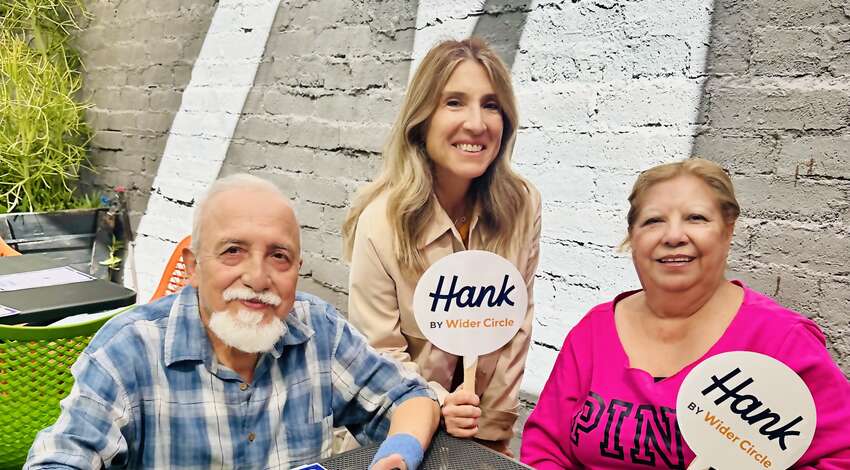
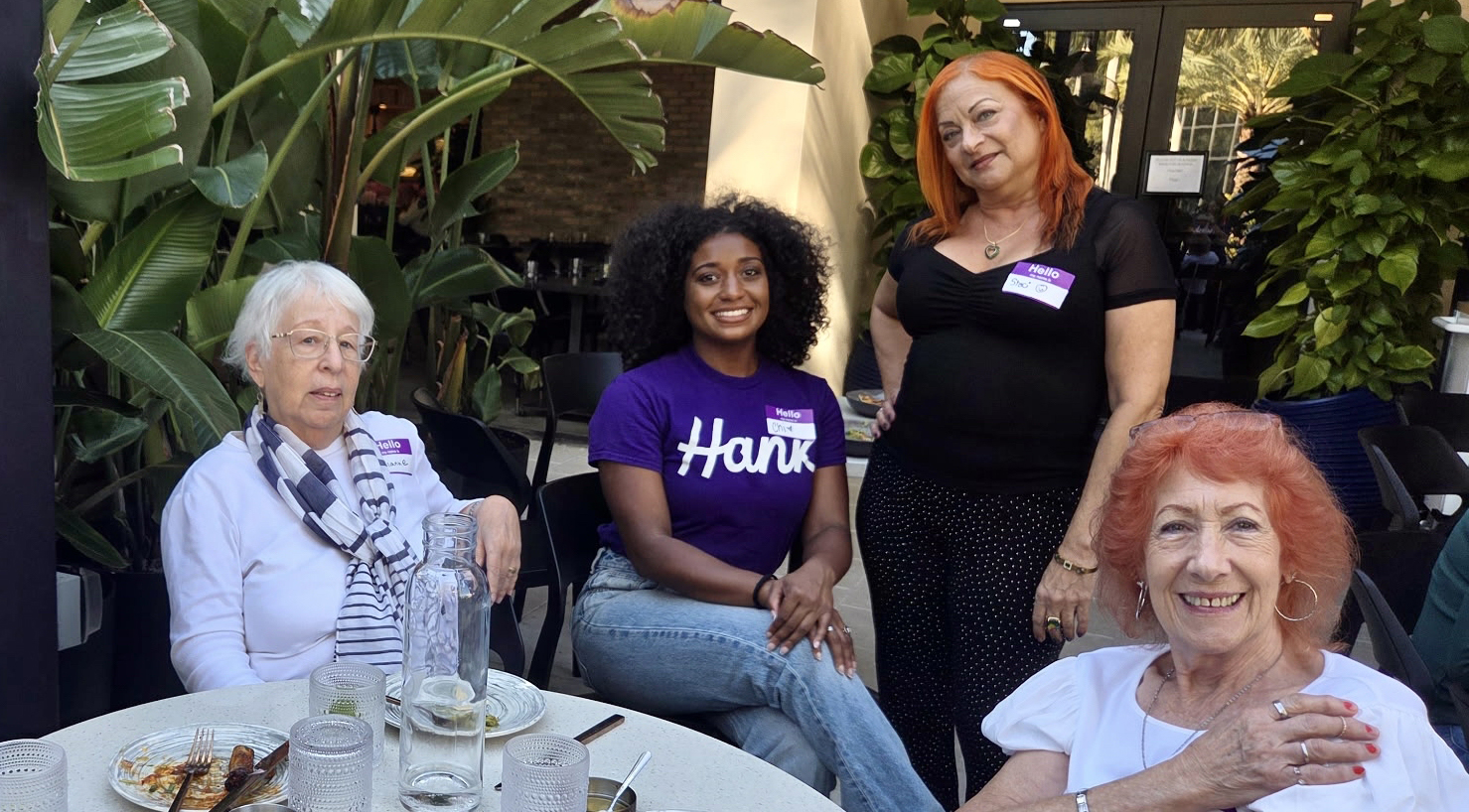
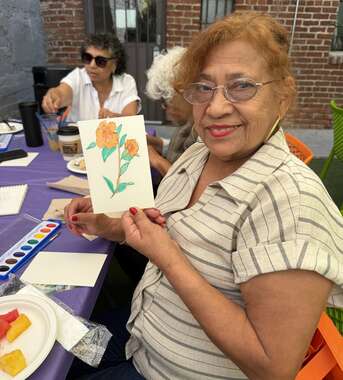
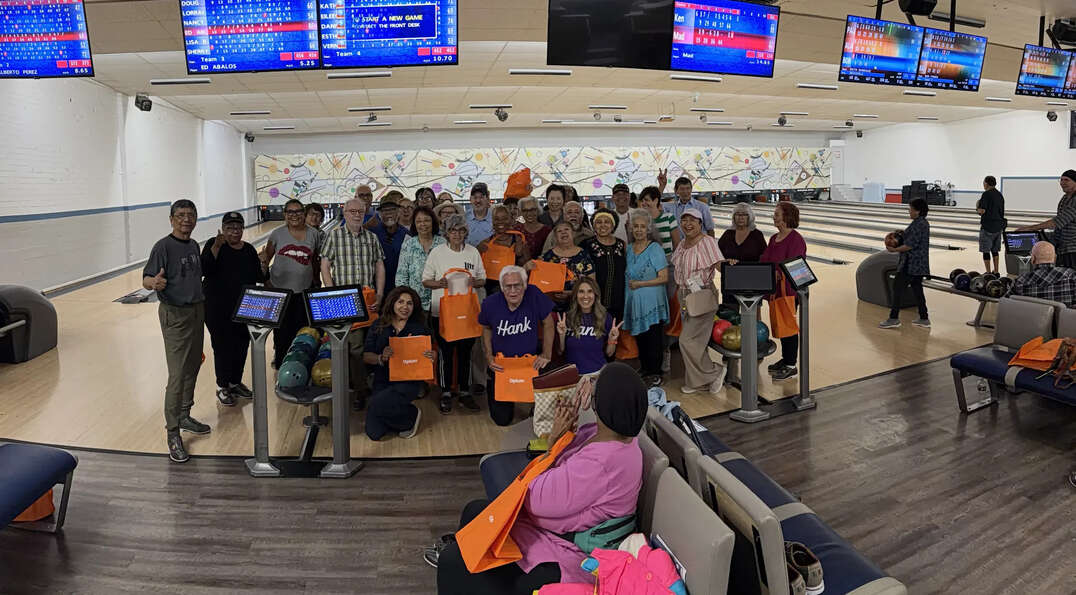
Hank by Wider Circle is a free social platform built specifically for adults 55 and older who want to meet new people close to home. Hank offers a curated calendar of local and online activities, everything from coffee meetups and pickleball to art workshops and reading groups, so there's always something on the calendar even between bigger journeys. You can join activities hosted by other members, attend virtual webinars and classes from your living room or simply create your own gathering around an interest you already have. It's available on the web and as an app, and there's no cost to join.
Where Road Scholar gives you a concentrated, immersive dose of connection, Hank keeps that circle active every single day in between. Used together, they cover both ends of Phase 3's trial-and-error spirit: the big leap of trying something new far from home, and the small, repeatable habit of staying socially engaged right where you live.
Small Steps That Make a Big Difference
Building a new circle doesn't require reinventing your entire life. A few starting points:
- Follow your curiosity, not just your calendar. Sign up for a class, join a discussion group or enroll in a program on a topic you've always wanted to learn more about. Shared interest is one of the fastest paths to real friendship.
- Say yes before you feel ready. Phase 3 is about experimenting. You won't love every new activity, and that's fine. What matters is that you keep trying.
- Look for structured social settings. A Road Scholar learning adventure with a local expert or instructor gives you built-in conversation starters and a shared experience to bond over, which takes a lot of the awkwardness out of meeting new people.
- Reconnect intentionally. Reach out to that old colleague or friend you've lost touch with. Rekindling an existing relationship counts just as much as building a new one.
- Give it time. Meaningful friendships rarely form in a single afternoon. Show up more than once.
Squeeze the Juice Out of This Stage
Every phase of retirement asks something different of us, but they all point toward the same truth: this stage of life rewards people who stay socially engaged. Whether you're a year into your celebration phase, working through the trial-and-error stage or fully reinvented with a new sense of mission, the people you surround yourself with will shape how fully you experience it.
Retirement isn't the end of building relationships. For many of us, it's the real beginning, whether that starts with a learning adventure alongside fellow Road Scholars, a local meetup through gethank.com or both.