
The History of Black Education in the U.S.
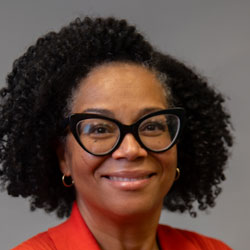
- Dr. Keffrelyn Brown explores the evolution of Black education throughout American history, tracing the changes and advancements made over 400 years.
- Dr. Brown examines the impacts of slavery, segregation and the Civil Rights Movement on Black education.
- She also delves into the influence of Black educators, and what Black education looks like today.
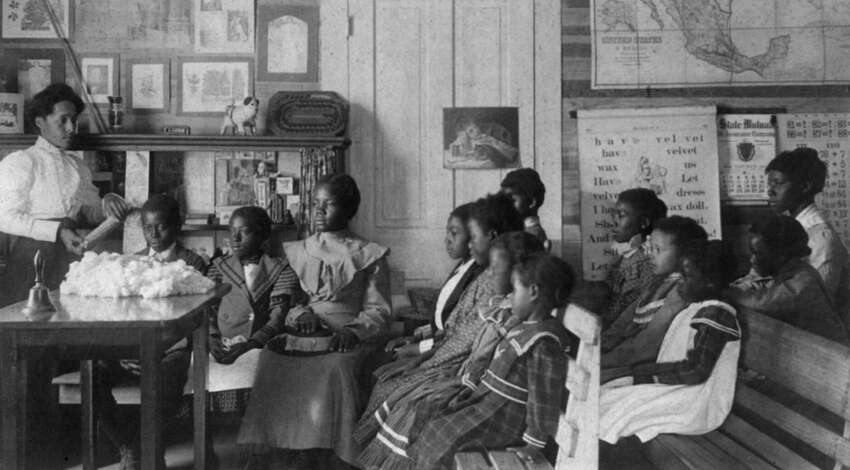
Black education in the U.S. is a study in contradiction. It is characterized by fits and starts, agency and suppression, progress and setback, struggle and accomplishment — but always optimism, hope and visions for an expansive future grounded in freedom.
A Quest for Freedom
Education is the process of learning, and it occurs in formal spaces like schools and classrooms, but also in communities, families, churches, courts and fields and any place where individuals grow their knowledge and skills. Black people brought to and enslaved in the U.S. experienced a disruptive and violent education where they were forced into chattel slavery that was brutal and unrelenting. While bringing their existing knowledge of crop and land cultivation, some enslaved Black individuals gained and deepened their expertise in specialized skills and trades, including blacksmithing, carpentry, shoemaking, masonry, cooking, midwifery and other creative, arts-based practices. Yet in most cases, enslaved Africans were generally denied access to a formal education by legal mandate, which often meant they acquired literacy and numeracy skills in secrecy and under threat of physical harm or death.
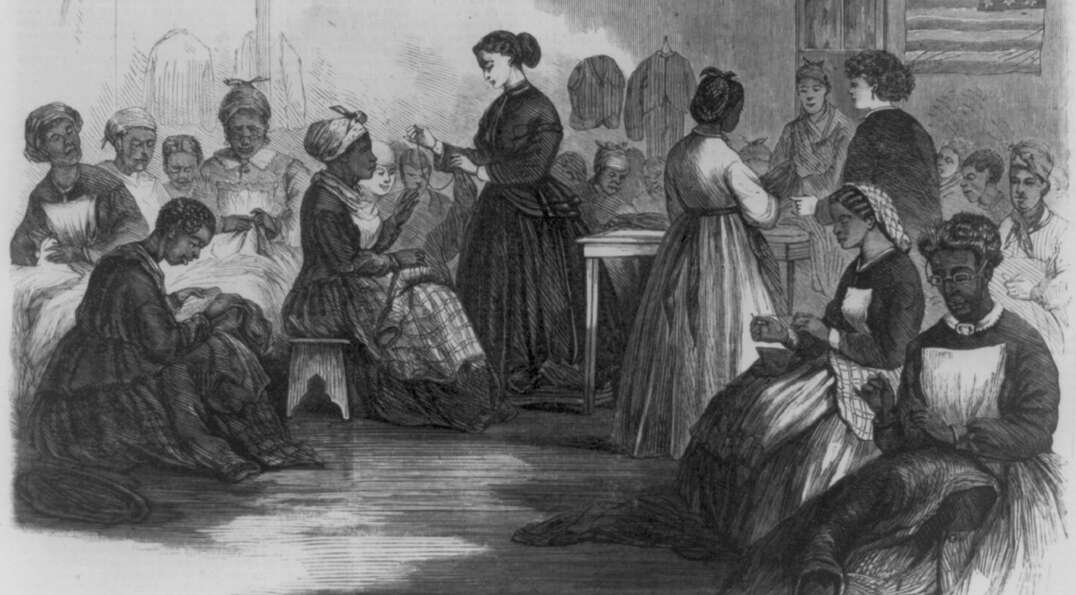
Glimpses at the Freedmen—The Freedmen's Union Industrial School, Richmond, Va.
These adverse conditions, however, did not prevent Black people from pursuing education. The end of slavery ushered in a time of Reconstruction where formerly enslaved individuals envisioned new futures for themselves and their families. Black communities grounded their dreams in education, and communities across the South used their limited resources to seek out and create educational opportunities. From taking advantage of schooling provided by missionaries to building schools and hiring teachers, Black people viewed education as a quest for freedom.
Education Expands
The education journey across the early 20th century was varied. A growing number were able to access schooling, depending on availability and on whether personal circumstances allowed them to attend. Some received advanced degrees at some of the world’s most prestigious universities. Yet there was considerable debate about what form Black education should take. Should it focus on equipping students to critically read their social contexts, or should it focus on preparing students for work? What was the purpose of Black education, and what goals did it seek to achieve?
As more Black individuals became educated, a new and growing class of Black educators emerged. Much of public schooling across the early- and middle-20th centuries was racially segregated. Black educators were responsible for teaching Black students. They did so in community, with limited (and often inferior) buildings and material resources, while also preparing Black students to navigate the adversarial social conditions they would face.
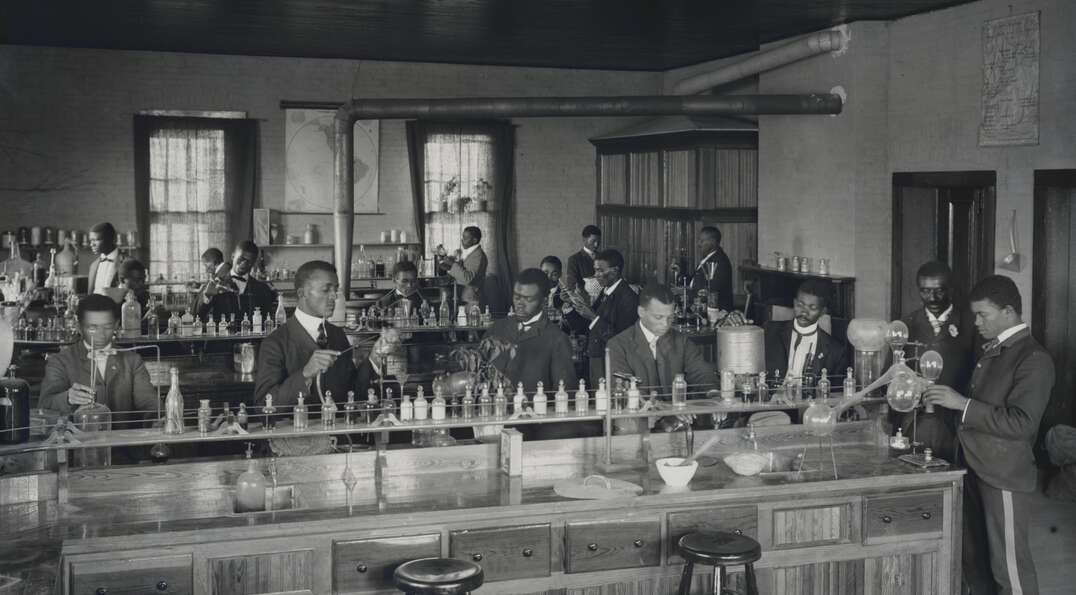
A chemistry class at the Tuskegee Institute in Alabama around 1902.
The Fight Against Segregation
Black communities across the country resisted unequal and inequitable school conditions. The 1954 Brown v. Board of Education case ruled racial segregation in public schools unconstitutional, but it would take more than 20 years for U.S. public education to integrate fully. Some communities were so averse to integration that they closed public schools and created private ones for white students to attend.
One of the unintended by-products of school integration was the firing of Black teachers and school leaders across the country. This loss impacted not only Black communities materially but also shifted the sociocultural contexts of schooling for Black students. Without teachers who understood Black students and were committed to their success, the door opened for cultural misunderstanding between educators and students, along with diminished belief in and expectations for student learning and success.
The Changes of the Civil Rights Era
The Civil Rights Era of the 1960s ushered in a wave of energy that led to the growth of Black Studies at predominantly white institutions (PWIs) and historically Black colleges and universities (HBCUs). These efforts joined longstanding critiques of how knowledge by Black scholars and about Black experiences was incorrect, invisible and otherwise marginalized in the mainstream academic canon. The development of Black Studies was an early catalyst of the multicultural education movement that emerged in the 1970s.
Responding to the challenges of school integration and the need to expand and transform traditional curriculum, multicultural education aimed to create more equitable and just schools, especially for Black students. This time also witnessed the growth of independent Black schools across the U.S. that were committed to centering Black curricular knowledge and experiences, as well as the well-being and development of Black students.
Black Education Today
Since the late 20th century, the growth of standards-based learning and standardized testing, which exacerbated gaps in access and achievement for many Black students, and the disproportionate disciplinary treatment of Black students has led to a focus on making Black education more equitable, responsive and just, regardless of school context. The growth of culturally relevant, responsive and sustaining education, alongside other asset-based approaches, punctuates the kind of schooling experiences many educators believe best meet the needs of Black students. Black education has also looked to familial and community spaces to bolster the learning needs of Black students. From homeschooling to the creation of charter and community schools to afterschool and summer programs, Black education also occurs in formal and out-of-school spaces.
Today, families, community members and educators remain committed to supporting Black educational growth and success, even as these communities and their knowledge face challenges. These efforts are not a monolith. They embrace a wide range of teaching, curricular and other strategies that imagine a future that has yet to be realized of Black justice and freedom.

Keffrelyn D. Brown (PhD, University of Wisconsin-Madison) is the Suzanne B. and John L. Adams Endowed Professor of Education and Distinguished University Teaching Professor of Cultural Studies in Education at the University of Texas, Austin. Her research and teaching focuses on the sociocultural knowledge of teaching, teacher education and curriculum and Black intellectual thought in education. She is a former elementary and middle school English teacher and school and district administrator.